
Understanding Trading Demo Accounts in Pakistan
📈 New to investing in Pakistan? Learn how trading demo accounts help you practice, understand features, and prepare for real trades safely and smartly!
Edited By
James Thornton
Trading in financial markets can feel like stepping into a jungle without a map. Whether you're new or have a fair share of experience, the risks can quickly pile up if you're not careful. That's exactly where demo accounts come in handy. They offer a no-pressure way to practice, test strategies, and get a feel for the trading environment before putting real money on the line.
In this guide, we'll cover what these demo accounts really are, their key features, and why they're useful for everyone from greenhorns to seasoned traders. We won't just skim the surface—expect details about how to use a demo account effectively and practical tips to help you make a smooth move into live trading.
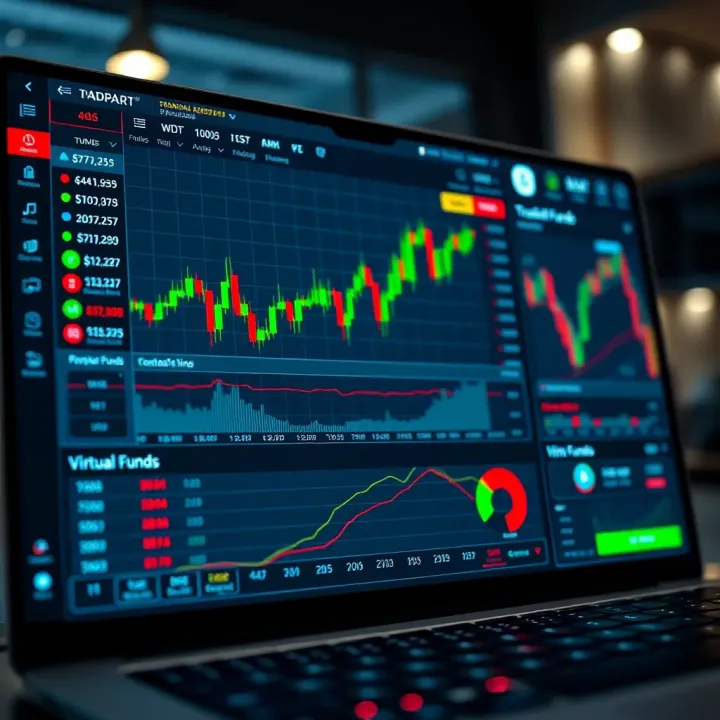
A trading demo account is like training wheels on a bike; it helps build your skills and confidence without the risk of falling hard.
Whether you’re eyeing the Karachi Stock Exchange or exploring international forex platforms like MetaTrader 4 or 5, understanding demo accounts is a smart first step. So, if you’ve ever wondered why so many traders start with these practice accounts or how to get the most out of them, you're in the right place.
A trading demo account serves as a risk-free sandbox for anyone interested in entering financial markets. Imagine it as a practice ground where you can trade without risking real money. Whether you're a newbie looking to understand the trading ropes or a seasoned investor trying out new strategies, a demo account offers a low-stakes environment to learn and experiment.
Understanding what a trading demo account is, why it exists, and how it works is essential before diving headfirst into live markets. It lays the foundation, equipping you with practical experience without the financial stress, and helps bridge the gap between theory and actual trading.
A demo trading account is a simulated version of a real trading account offered by brokers like IG, Forex.com, or XM. It mirrors the real trading environment, including actual market prices, charts, and trading tools, but uses virtual money instead of your real cash. This means your gains and losses here don’t affect your bank balance, making it ideal for practice.
For example, if you're curious about how forex trading works, a demo account lets you buy and sell currency pairs just as you would live, but without the risk of losing money. It's not merely a game; it faithfully replicates market mechanics so you can build trading habits and understand the nuances involved.
Demo accounts play a vital role in trader education. Beginners can familiarize themselves with order types, stop-losses, and profit targets without pressure. It’s similar to learning to drive in a parking lot before hitting busy roads.
Experienced traders also use demo accounts to test new strategies before risking real funds. Say you're experimenting with scalping techniques in volatile markets—demo trading lets you assess how your approach performs in real-time scenarios.
Moreover, demo accounts help cultivate discipline and decision-making skills by exposing traders to market movements and psychological dynamics in a controlled setting.
In a demo account, the money you trade with is virtual. You might start with $10,000 in fake funds depending on the broker’s setup. When you place trades, the platform processes them as if real, but no actual financial transaction occurs.
This simulated trading ensures that while you feel the pressure of making decisions, the stakes aren’t real. For instance, if you buy shares of Apple stock on a demo platform and the price drops, you only lose virtual capital, not your own cash.
A standout feature of many demo accounts is their use of live market data. They display current prices, order books, and other indicators reflecting true market conditions. This means you’re not trading on outdated or artificial prices which could mislead your learning process.
For example, if the Pakistani rupee suddenly strengthens due to a government announcement, a good demo account will show those moves in real time, allowing you to practice reacting to such events accurately.
Having access to genuine market data in a risk-free demo environment lays the groundwork for understanding how external factors influence asset prices, preparing traders for real market conditions.
A trading demo account is an essential stepping stone for anyone aiming to trade financial assets. It acts as both a learning tool and a testing ground, simulating real market conditions but using virtual money to let you practice fearlessly. By grasping its definition, purpose, and operation, you set yourself up for a smoother transition to live trading, equipped with confidence and practical know-how.
Using a demo account offers several tangible benefits that are essential for anyone looking to step into the trading world. These accounts allow traders to test strategies and explore platforms without risking their own money. For beginners, this means a safe space to learn the ropes, while seasoned traders can refine tactics or try new markets without financial pressure. Understanding these advantages can make the leap to live trading smoother and more informed.
Practice trading strategies risk-free: Demo accounts offer a unique chance to try out different trading techniques without the fear of losing cash. For example, a new trader might test a scalping strategy on Forex or try swing trading in stocks without worrying about the cost of a bad trade. This risk-free environment encourages experimentation, allowing users to find what suits their style without financial headaches.
Gain confidence before investing real money: Confidence plays a huge role in trading success. Demo trading helps build this by letting users experience the ups and downs of market movements firsthand. By trading on virtual funds, newcomers can get comfortable with the process, timing, and decision-making required. This practice lays a foundation so when real money is on the line, the trader isn’t frozen by nerves or uncertainty.
Familiarity with tools and features: Each broker’s platform can be quite different, loaded with various charts, indicators, order types, and other tools. Demo accounts give traders a chance to roam these platforms freely, learning how to place orders, set stop losses, or customize interfaces. For instance, traders can explore MetaTrader 4’s technical indicators or check how advanced drawing tools work on Thinkorswim without real risk.
Testing platform speed and functionality: Speed matters in trading, especially for short-term strategies where a delay of even a second can cost money. Demo accounts help users assess if a platform’s execution times suit their tactics. They also reveal how the platform handles order types, charts updating in real-time, and any technical glitches. This firsthand experience avoids surprises later when trading live.
Remember, a demo account is your playground to learn and test without the sting of losing real cash. It’s where you can make all the mistakes, learn from them, and prepare for the real game ahead.
In summary, the benefits of demo accounts go far beyond just practicing trades. They build skills, boost confidence, and test platforms thoroughly, forming a solid base for successful trading.
While demo accounts are invaluable for learning and trying out strategies, it's important to recognize their limits. Demo trading doesn’t fully mimic the live market experience, especially when it comes to emotional responses and real-world order processing. Knowing these gaps helps traders prepare better and avoid unpleasant surprises when switching to live trading. For example, a trader might nail every trade in a demo setup but struggle when real money is on the line—this is a classic pitfall.
Trading with paper money can feel like a video game—you don’t truly feel the stress, the greed, or the fear that hit you when your own cash is at stake. This lack of emotional stakes means demo trading rarely prepares you for the psychological rollercoaster of real markets. For instance, a trader might confidently hold a losing position in a demo account but panic-sell in a live scenario. Recognizing this gap is crucial; practicing mindfulness or employing risk management in practice sessions can build mental toughness for live trading.
In demo accounts, orders often execute instantly at displayed prices, but in live markets, slippage and delays can occur. Slippage happens when the price moves between placing your order and its execution, potentially causing unfavorable fills. For example, during high volatility, your buy order might execute higher than expected, eating into profits. Understanding that demo platforms usually don’t reflect these frictions helps traders adjust expectations and develop strategies with some margin for such real-world quirks.
Getting too comfy with demo trading can breed overconfidence. It’s easy to forget that unlimited virtual funds remove the pressure to manage risk responsibly. A trader might test risky strategies with big sizes in demos, which is a recipe for disaster in live accounts. To avoid this, treat your demo as if it's your real money—stick to realistic position sizes and trade plans. That helps build habits that transition smoothly when real stakes are on the table.
Demo accounts can’t simulate the gut-wrenching feelings of losing money or the rush of making a big win. This emotional aspect influences decision-making more than many realize. To get ready, traders can practice keeping detailed trading journals, noting not just results but also feelings and decisions. Regular self-review helps identify emotional triggers and develop discipline. Joining trading groups or forums, like those found on local Pakistani financial networks, offers shared experiences which boost emotional preparedness.
Identifying the limits of demo accounts doesn't diminish their value; it simply means being mindful of what they can't replicate. Approach demo trading as a stepping stone, not a finish line.

By being aware of these limitations, traders move beyond the illusion that demo success directly translates into live profits. This honest approach lays a solid foundation for building experience that holds water in real market conditions.
Starting with a demo account is the first practical step for anyone looking to enter the world of trading without risking real money. It’s like getting a test drive before you actually buy a car. This section will guide you through what you need to consider when opening a demo account and getting it ready for your practice sessions. From choosing a trustworthy broker to setting up your virtual funds, each decision influences how effective your learning will be.
The foundation of successful demo trading lies in picking the right broker. Credibility means the broker is licensed, regulated, and has a solid track record, so your experience is not just safe but realistic. For example, brokers like IG Group or Saxo Bank are regulated by respected authorities and have been serving clients globally for years.
Look for brokers that offer transparent fee structures and clear terms in their demo accounts. It’s no use practising on a platform that won’t be available or trustworthy when you go live. Check reviews from other traders, focus on brokers who respond promptly to queries, and verify their licensing through official financial bodies.
Not all brokers are created equal when it comes to demo accounts. Some provide limited features that hardly mimic the live market, while others give full access to all trading tools and live data. A good demo account should offer:
Real-time market data
Access to a variety of assets (stocks, forex, commodities)
Charting tools and technical indicators
Options for customizing trading strategies
For example, MetaTrader 5 demo accounts, available through brokers like FXTM, offer a broad asset range and trading tools, giving you a near-authentic feel. When deciding, think about the markets you want to trade and ensure the demo account reflects that.
Getting started is straightforward but important to do right. Typically, you’ll need to provide basic details: your name, email, sometimes a phone number. Keep an eye out for brokers that ask for extensive personal information upfront—that's usually for live accounts and may not be necessary immediately.
Some platforms also require identity verification even for demo accounts, so be prepared with a scanned ID or proof of address if needed. This process, though a bit tedious, ensures security and prepares you for the live account setup later on.
Once registered, you receive login credentials for the platform. This smooth transition between demo and live accounts makes it easier once you’re ready to go real.
One overlooked but useful step is setting your starting virtual capital. Demo accounts often let you choose from a range of virtual balances, sometimes up to $100,000 or more. Instead of picking the highest balance just because it's a demo, set a figure close to what you plan to start with live.
For instance, if you’re planning to start trading with $1,000 in Pakistan's market, configure your demo funds similarly. This gives a more realistic experience in managing risk and position sizing.
Remember, treat demo funds like the real deal—set limits, track trades, and manage risks as if real money were at stake. It prepares you mentally and practically for live trading challenges.
By carefully picking your broker and setting your demo account correctly, you're setting a solid foundation for learning and confidence. This hands-on experience is the gateway to becoming a skilled trader in Pakistan's fast-evolving markets and beyond.
Demo trading isn't just a playground; it's where traders, whether beginners or seasoned, refine their skills without risking hard-earned money. This phase helps understand market mechanics, test ideas, and build confidence in a low-pressure environment. By making the most of it, you reduce costly mistakes when moving to real trading.
When using a demo account, applying technical analysis means looking at price charts, identifying trends, and using indicators like moving averages or RSI to make trades. For instance, if a stock shows a clear uptrend supported by volume spikes, you might test a strategy to buy on dips. On the other side, fundamental analysis involves examining economic news, company earnings, or geopolitical events, like how oil prices affect Pakistan's energy stocks. Combining both lets you create well-rounded strategies.
Demo accounts allow you to see how these analyses play out. For example, if you predict a bank stock will rise after an earnings report, you can place trades accordingly and watch what happens without any risk. Over time, this helps sharpen your decision-making.
Backtesting means applying a strategy to historical data to see how it might have performed in the past. Most demo platforms let you run backtests on charts from months or years ago. Suppose you want to test a simple moving average crossover on KSE 100 stocks. You’d set your parameters and see when buy and sell signals would have triggered.
This step helps identify strategies that work before risking real money. If a strategy constantly loses on backtests, it’s a good sign you need to tweak or abandon it. But if it shows steady profits, practicing it on a demo account can boost your confidence.
One of the best but often overlooked habits is keeping a trading journal. This means writing down every trade you make on the demo, including the reasons behind it, your emotions, and the outcome. For example, you might note “Bought shares because of positive quarterly results, but exited early due to nervousness.”
This practice builds self-awareness and highlights patterns in your trading psyche. Over weeks, you’ll notice the types of trades that work and those driven by impulse.
A trading journal is like a mirror — it reflects your strengths and areas to improve most clearly.
Regularly reviewing your past demo trades is vital. Don’t just look at whether you won or lost; ask why. Did you stick to your strategy, or drift off? Did market conditions change unexpectedly? This review process is where lessons sink in.
For instance, if you repeatedly lose when trading volatile stocks, maybe your strategy needs refinement or risk controls. This reflection helps in honing your approach before risking capital on live markets.
Making the most of demo accounts means using them purposefully—not just as a fun experiment but as a training ground to build solid trading habits. Be disciplined, keep track, test, learn, and you’ll be better prepared to tackle real trading challenges.
Moving from a demo account to live trading is a significant step that every trader faces. It's like shifting from a flight simulator to the actual skies. This transition is important because real markets bring pressures that no demo can fully imitate, such as emotional stress and real financial consequences. Successfully navigating this phase means taking all the lessons learned in practice and applying them where real money is at stake.
Consistent success on a demo account isn't just about racking up profits—it means understanding market behavior, following your strategy, and keeping losses in check over time. For example, if you’ve been trading on a demo platform like MetaTrader or TradingView and notice your approach yields gains over several weeks or months, with disciplined risk controls, that’s a solid sign you might be ready. Remember, however, that demo wins don’t guarantee live success, but this consistency shows you’ve done your homework.
Before going live, it's vital to grasp the risks and how to manage your capital. This isn't just about not losing money but about knowing your risk tolerance and how much of your portfolio you're willing to put on a trade. Effective money management techniques, like using stop losses or never risking more than 2% per trade, are essential. Imagine trading a currency pair like USD/PKR; sudden news can swing prices wildly, so managing your exposure protects your hard-earned funds. Without respecting risk management, even the best demo strategies can fall apart once real money is involved.
Live trading brings real stress because money is on the line. Losses can feel personal and frustrating, unlike in demo accounts where losses are virtual. To cope, it's important to develop mental habits, such as accepting losses as part of the game. For instance, some traders in Karachi swear by taking short breaks after a losing trade or talking to a fellow trader to reset their mindset. Stress management techniques like deep breathing or having a fixed trading schedule can also help keep emotions from taking over your decisions.
Discipline is the backbone of trading success. It means sticking to your strategy and rules, even when the market tempts you to stray. For example, don’t chase losses after a bad trade by doubling down on risky bets—that’s a common pitfall. Many Pakistani traders find writing down their trading plan and reviewing it daily helps maintain focus. Setting daily loss limits and profit targets can also keep the trading process systematic and prevent impulsive moves.
Shifting from a demo to a live account isn’t just technical; it’s a mental challenge. Recognizing readiness, managing risks, and mastering emotions all play a role in turning practice into real profits.
This phase is essential to ensure that the skills gained during demo trading translate smoothly into real-world success, especially in volatile markets like Pakistan’s where emotions and discipline are often tested hardest.
Trading demo accounts often get misunderstood, which can lead to unrealistic expectations for traders—new and seasoned alike. Clearing up these misconceptions is essential because misconceptions might steer you wrong in your trading journey or cause missed learning opportunities.
One big misunderstanding is that demo trading guarantees success when you move to live markets. Others think demo accounts are just playgrounds for beginners, but that's far from the full picture. Busting these myths helps traders use demo accounts more effectively and shapes a healthier approach to trading overall.
Demo trading simulates real markets but lacks the emotional weight that comes with risking your own money. This difference can’t be overstated. For example, it’s a whole other beast when your own cash is on the line versus virtual funds. In live trades, fear and greed take center stage, often leading to impulsive decisions that a demo account can't replicate.
Moreover, demo accounts often don’t reflect issues like order slippage or delays, which happen in actual trading due to market volatility or broker execution. The copy-pasted setup of demo platforms gives a smoother experience, so when you jump into real trading, you might find yourself caught off guard by these frustrations.
Remember, success on a demo is not a free ticket. It’s a practice ground, not a crystal ball.
Trading is a constantly evolving game. Even the best demo track records can’t replace continuous education and practice. Market conditions change, new tools get introduced, and strategies that worked yesterday might flop tomorrow.
This means demo accounts are most useful when paired with continuous study and adaptation. Experienced traders often use demo accounts to stay sharp, learn new instruments, or test market reactions without risking real money. So, never stop learning, even after moving to a live market.
Think demo accounts are just for rookies? Think again. Experienced traders use demo platforms as a testing ground for strategies they plan to use with real money but want to fine-tune first.
For instance, an experienced trader moving from Forex to cryptocurrency might start on a demo platform to understand nuances without burning capital. Plus, seasoned pros can experiment with advanced trading tools or automation features, ensuring there are no surprises once they go live.
Markets don’t stay put. With demo accounts, traders get an easy way to explore new arenas—from commodities to emerging markets like Pakistan’s PSX or even international options—without the stress of losses.
For example, if you’re mainly trading stocks but want to try futures or options trading, demo accounts let you dip your toes first. You can experiment with different strategies, adjusting to volatilities, liquidity, or market hours, with zero financial risk. This hands-on testing builds insight and increases confidence before you commit real funds.
To sum up, demo accounts are way more than simple beginner tools and don’t promise instant riches. They’re practical platforms to experiment, learn, and grow—when used with the right mindset and ongoing effort. Whether you’re just starting out or a seasoned trader, understanding what a demo account can and can’t do will help you make the most of it.
Trading demo accounts have a special place in Pakistan's financial scene. As local investors and traders slowly but surely step into more diverse markets, demo trading provides a safe playground to sharpen trading skills without risking hard-earned money. Given the unique regulatory landscape and market characteristics in Pakistan, these simulated environments can help traders bridge the gap between theory and practice.
Pakistani traders are allowed to access a number of international brokers, but this comes with a handful of important regulatory considerations. The Securities and Exchange Commission of Pakistan (SECP) keeps a close eye on cross-border investments, though direct trading on foreign platforms often isn't restricted outright. However, users must be careful with funds movement, taxes, and compliance to avoid headaches.
Demo accounts offered by popular international brokers like MetaTrader 4/5 brokers, Interactive Brokers, or FXTM give Pakistani traders a legal and risk-free avenue to practice. They can test trades with virtual funds, learning how different asset classes behave without worrying about regulatory fines or money moving internationally.
Taking advantage of these options means traders can get real-market experience on global stocks, forex, or commodities, at their own pace. Every broker comes with its own demo features, so it’s wise to test multiple platforms before settling on one.
Pakistani traders often lean towards platforms that are both reliable and user-friendly. Among these, MetaTrader 4 and 5 remain extremely popular due to their comprehensive charting tools and automated trading features. Brokers like XM, IQ Option, and AvaTrade also offer accessible demo accounts widely used in the region.
These platforms allow users to trade forex pairs, indices, and cryptocurrencies with zero risks during their learning phase. Their demo environments mirror real market conditions closely, helping users understand order executions, spreads, and slippage firsthand.
For example, a trader in Karachi might set up a demo on FXTM to simulate trading the USD/PKR pair, with real-time quotes and no capital loss risk. This practical experience is hard to match with just book learning.
Local brokers like PSX Trade or mobile apps affiliated with the Pakistan Stock Exchange offer demo account features designed specifically for Pakistan’s stock market. These simulators replicate Pakistani share prices, allowing traders to experiment with local equities, right from textile companies to tech stocks.
This is particularly useful since the PSX market dynamics can differ significantly from international ones. For example, factors like political events and energy sector news heavily influence prices, and practicing within this context helps build relevant market instincts.
Users can place virtual buy and sell orders while tracking local market hours and understanding broker-specific fees—details that don’t come up in foreign broker demos.
One big challenge in Pakistan's demo trading scene is the limited sophistication of some local simulators. They may lack advanced charting tools or real-time data accuracy compared to international platforms. This shortfall can make it tough for serious traders who are preparing for live trading.
On the flip side, the opportunity lies in growing tech adoption and increasing broker competition. More local brokers are investing in improved demo platforms with mobile accessibility and tutorial support tailored to Pakistani traders' needs.
Demo trading in Pakistan isn’t just about copying global models. It’s a chance to tailor learning to local market quirks, regulations, and trader preferences.
Furthermore, traders can combine local market practice with international demo usage to diversify skills and build a more rounded trading approach. Understanding how various markets interact equips Pakistani traders to spot opportunities or risks from multiple angles.
In short, demo trading in Pakistan’s context provides a valuable stepping stone, melding local market realities with global exposure. Traders who fully utilize these demo tools gain not only technical skills but also a deeper sense of market rhythm specific to Pakistan's financial ecosystem.
📈 New to investing in Pakistan? Learn how trading demo accounts help you practice, understand features, and prepare for real trades safely and smartly!
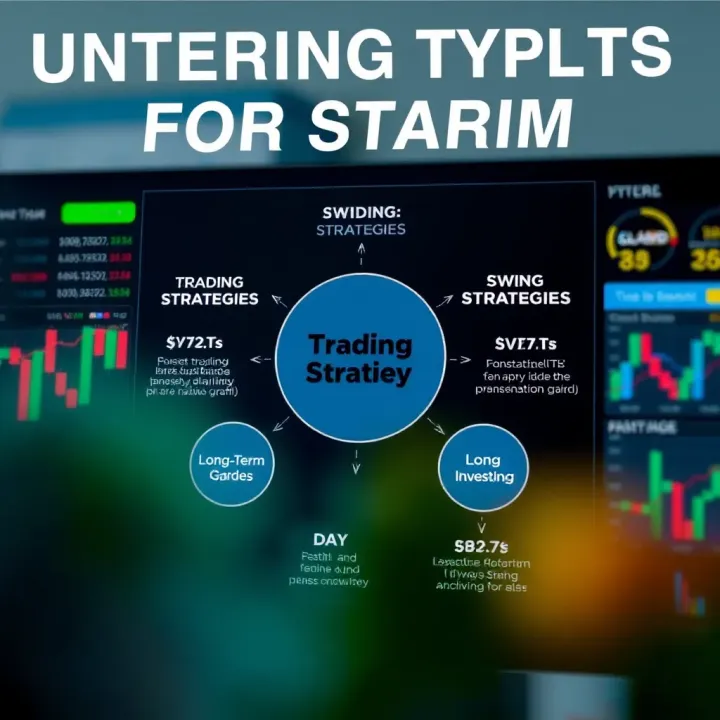
Explore trading basics, types, and strategies tailored for Pakistan. Learn about tools, platforms, risks, and tips to trade smartly and confidently 📈💡

📘 Understand trading books in detail—types, key elements, and smart management tips. Discover digital PDFs for easier learning and smarter trading! 📈
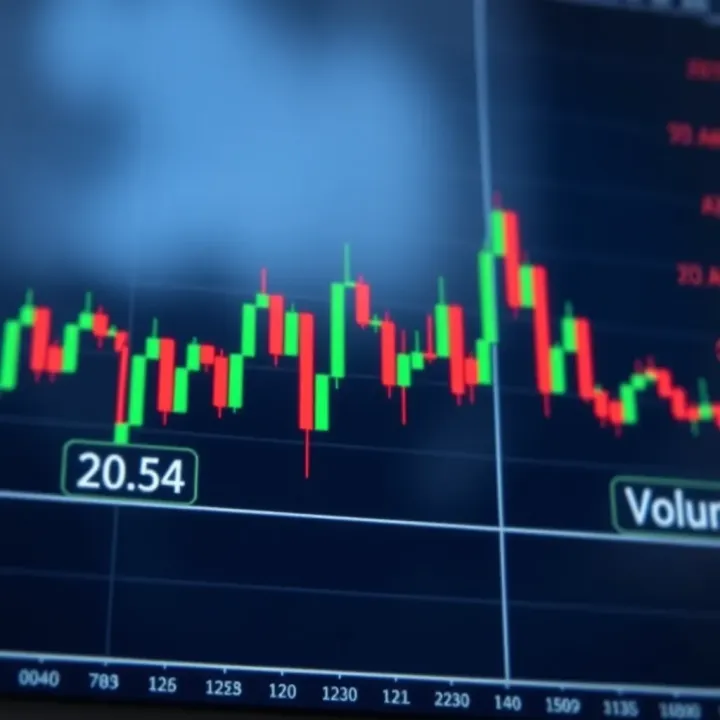
📈 Learn how to read trading graphs, understand key components, and use them wisely to boost your trading decisions in Pakistan's financial markets.
Based on 7 reviews