

Understanding Trading: A Simple Guide for Pakistan
Explore trading basics, types, and strategies tailored for Pakistan. Learn about tools, platforms, risks, and tips to trade smartly and confidently 📈💡
Edited By
Oliver Bennett
Trading books aren't just another hustle in the hectic world of markets—they're the nuts and bolts of smart trading. Whether you're a newbie poring over forex charts or a seasoned investor juggling stocks and commodities, the way you keep track of your trades can make or break your strategy.
In this guide, we'll talk about what trading books are, why they matter, and how you can use them to sharpen your trading game. From the different types to the key bits every trader should note down, plus how modern digital formats like PDFs have changed the scene. You'll also get simple tips to manage your trading record effectively and where you might find some useful trading book PDFs to back up your learning and decisions.

Understanding trading books is more than just keeping a diary; it’s about building a reliable tool that reflects your trading habits, mistakes, and wins. So, if you want to get the hang of monitoring your trades properly or even improve your strategies, stick around. This will help you get it right—not by chance but by choice.
Keeping your trading journal isn’t just about logging numbers—it’s a way to learn from yourself, spot patterns, and make better calls going forward.
Remember, the goal is clear: turn your trading book into a trusted companion that guides you through the ups and downs of the markets, no matter where you are based or what you trade.
A trading book is more than just a log or spreadsheet of trades. It's a trader's compact history, strategy journal, and analytical tool rolled into one. In the world of investing, knowing what a trading book is and why it has value can make a noticeable difference between aimless trading and informed decision-making.
Understanding the role and benefits of a trading book helps traders—from novices to experts—track their progress, learn from mistakes, and refine strategies. For instance, a trader focusing on the Karachi Stock Exchange might record specific entry and exit points along with market notes, capturing nuances missed by just relying on memory or brokerage statements.
Simply put, a trading book is a personal or professional record of all the trades a trader has executed, along with detailed notes on those trades. This can include the price, volume, timing, and the thought process behind each move. Unlike a general portfolio summary, a trading book is often more granular, reflecting the trader’s mindset and evolving approaches.
Consider a trader who bought shares of Engro Corporation last month. Instead of just logging the purchase and sale, the trading book would note why Engro was chosen—maybe due to strong earnings reports or favorable sector trends—alongside a reflection on emotions felt during the trade. This helps paint a full picture beyond mere numbers.
Maintaining a trading book regularly is a discipline that pays off. One clear benefit is spotting patterns in winning and losing trades. For example, a trader noticing consistent losses in certain market conditions can reconsider or tweak their strategies accordingly.
Beyond strategy, a trading book provides accountability and transparency. It's like having a coach who points out when you've strayed from your plans or let emotions influence decisions. This kind of honest review helps improve trading discipline and guard against costly impulsive moves.
Keeping a trading book turns guesswork into evidence-based trading. It’s the difference between shooting arrows into the dark and aiming for a specific target.
In practical terms, a well-maintained trading book can:
Highlight best-performing sectors or instruments
Help identify recurring emotional triggers leading to mistakes
Provide a clear timeline of decisions and market reactions
Aid in tax reporting and compliance by keeping precise transaction records
All these elements underscore why a trading book is a vital tool, not just for tracking trades but for evolving as a trader in the fast-paced financial markets.
Knowing the different types of trading books can really help traders organize their strategies and track progress more effectively. Each type serves a unique purpose, and depending on your trading style, you might find one more useful than the others. Understanding these variations allows you to pick the right tool for your needs or even combine elements for a personalized approach.
Journal-style trading books are like diaries for traders. They focus on recording daily trades with detailed notes about market conditions, thought processes, and emotions. Imagine a trader who writes down their gut feelings before entering a trade and then reflects on the outcome afterward. This helps reveal patterns, like consistently pulling out too early or letting emotions affect decisions.
For example, a trader working in Karachi may jot down how the volatility around quarterly earnings impacted their entry and exit points. Over time, these records develop into a story that shows where a trader’s instincts work well and where they tend to slip up.
These books prioritize numbers over narratives. They’re designed to capture measurable metrics such as profit and loss, win-loss ratios, and risk/reward ratios. The goal here is to review overall performance and spot trends that can guide future trades. A trader might see from their record that their most profitable trades happen in the early hours when the market opens, while afternoon trades tend to be less successful.
Take a trader in Lahore tracking forex trades with MetaTrader 4 or 5, for instance. They can record each trade’s specific parameters—entry price, stop loss, take profit, and final result—and summarize monthly statistics. This data can help refine money management practices and risk limits.
As the name suggests, strategy-focused books hone in on the specific tactics or setups traders employ. These books break down each strategy’s performance across different market conditions. It’s like running mini-experiments to see which approach holds up and which one doesn’t.
For example, a commodities trader in Islamabad could maintain a strategy book to compare how their breakout plays perform during trending markets versus sideways movements. It’s not just about logging wins and losses but understanding why one strategy might falter while another thrives.
Tip: Combining these types can give a trader a fuller picture. A journal can capture emotions and context, performance tracking reveals the hard numbers, and strategy books test the robustness of your approaches.
By knowing the purpose and strengths of each type, traders can build a customized trading book that supports better decision-making and consistent growth. Whatever your experience level, picking the right type makes your trading journey clearer and less haphazzard.
A trading book is only as useful as the information it holds. Its core purpose is to serve as a detailed, honest account of your trading activity. This section shines a light on the essential parts every trader should include. These components help you track decisions, understand market behavior, and learn from your successes—and blunders alike. When filled out thoughtfully, a trading book becomes more than a log; it transforms into a personal coach guiding you toward better trades.
Recording every trade with precision is the backbone of a solid trading book. A detailed trade log captures specifics like entry and exit points, position size, stop loss, take profit levels, and the underlying reason for executing the trade. For example, a forex trader might note: “Entered EUR/USD at 1.1200 due to break in resistance on 4-hour chart; placed stop loss at 1.1180.” This level of detail lets you revisit each move to see what worked or failed.
Beyond numbers, it’s helpful to include the date and time, the market conditions, and even the brokerage platform used. Over weeks or months, these logs reveal patterns—like consistently exiting trades too early or holding through volatility—which are golden nuggets for tweaking your strategy.
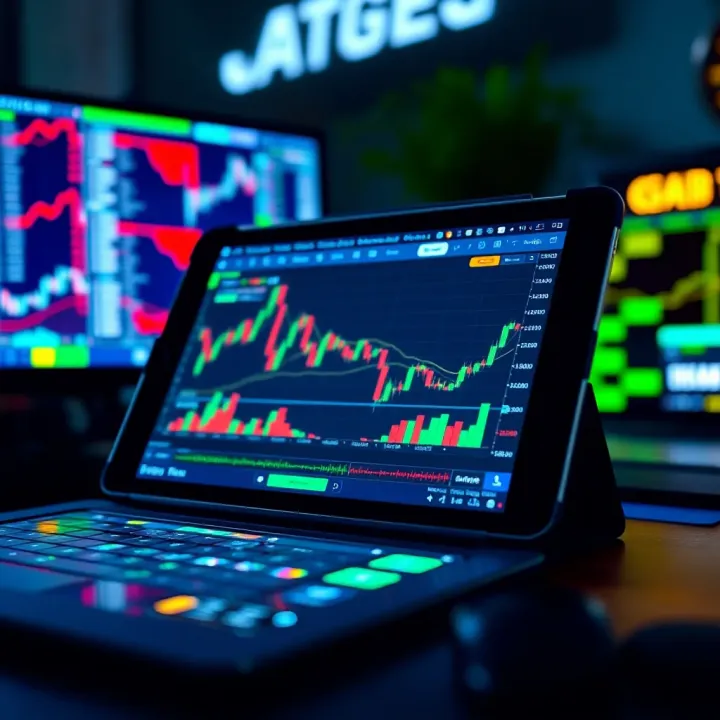
Your trading decisions don’t happen in a vacuum. Market analysis and supplementary notes provide context that clarifies why you took specific actions. This might involve jotting down key support and resistance levels, economic news impacting the market, or technical indicators signaling momentum shifts.
For instance, before a trade, you could note: “Fed announcement expected tomorrow, watch for volatility spikes.” After the trade, update with observations such as, “Price reaction stronger than anticipated; news impacted USD significantly.” These insights deepen your understanding over time and help connect your actions with broader market forces.
Taking market notes also supports learning from mistakes. If a trade didn’t pan out due to ignoring a crucial economic report, having that noted next to your trade entry keeps you accountable and sharpens future responses.
Trading is as much about managing your head as it is about the charts. Emotional states—fear, greed, hesitation—often drive impulsive choices leading to losses. A well-rounded trading book captures these feelings alongside decisions, making internal patterns clearer.
Writing down how you felt during trades—was it a confident move, or a borderline gamble driven by frustration?—helps pinpoint emotional triggers. For example: “Closed position early due to anxiety despite price poised to break higher.” Such transparency aids in developing discipline.
Include notes on decision-making rationale to expose when you deviated from your strategy. Ask yourself: Did you step outside your plan because of peer pressure or a hot tip? Over time, recognizing these moments builds resilience against emotional pitfalls.
Remember: The best traders don't just keep score of wins and losses; they track the 'why' behind each trade, blending numbers with feelings to sharpen their edge.
Together, these components—the detailed logs, market analysis, and emotional reflections—compose a complete trading book. This trinity supports constant learning, improved strategy formulation, and stronger trading discipline, all crucial for anyone serious about succeeding in financial markets.
Digital formats, especially PDFs, have reshaped the way traders keep and review their trading books. Instead of flipping through bulky notebooks or fragile paper copies, having a digital version offers convenience, portability, and easier organization. For traders and analysts who need to quickly access past trades or market analysis, a digital format can significantly simplify their workflow.
One practical aspect is that PDFs can be easily shared among trading teams or mentors, allowing for collaborative review and feedback. Additionally, digital copies don’t degrade over time like paper, meaning your trading history stays crisp and legible years down the line.
PDFs bring several concrete benefits to traders who want to keep a detailed record of their actions and thoughts:
Consistency in format: Regardless of device or software, PDFs look the same everywhere. This reliability avoids any worrying about layout changes that might confuse data reading.
Searchability: Unlike handwritten books, a PDF with searchable text lets you find specific trades or notes instantly. For example, quickly pulling up all entries about a certain stock or trading strategy saves valuable time during reviews.
Multimedia embedding: PDFs can incorporate charts, screenshots, and handwritten annotations taken from tablets, providing a richer, more visual trading book.
Offline access: You can review your trading book anytime without needing internet access, which is handy during travels or when working in offline modes.
Imagine a day trader who updates their book after every session by filling out a template on their laptop, then saving it as a PDF. They can spot patterns more easily during monthly reviews without rifling through endless pages.
Finding trustworthy templates and examples can speed up your process. You might check out financial education platforms like Investopedia or MarketWatch, which occasionally offer downloadable PDFs or Excel templates tailored for traders.
Brokerage firms sometimes provide their clients with access to downloadable trading logs or journals formatted as PDFs. If you are enrolled in trading courses by recognized providers such as Warrior Trading or bear markets-focused groups like SMB Capital, they often share ready-made PDFs that reflect real trading conditions.
Always ensure that files come from credible sources—public forums can sometimes host outdated or poorly structured documents that might complicate your record-keeping instead of helping.
Making a personalized trading book PDF is simpler than you'd think, and once set up, it’s a huge time saver:
Choose your tool: Programs like Microsoft Word, Google Docs, or dedicated note-taking apps like Evernote let you craft your content.
Design a template: Decide what fields are crucial: date, instrument, entry/exit points, strategy notes, emotions felt, and results. A clean, repetitive layout helps maintain focus and speed.
Convert to PDF: After filling out entries in your chosen program, just select "save as PDF" or "export as PDF." This locks the format and makes sharing or printing a breeze.
Backup and sync: Store your PDFs in cloud services like Dropbox or Google Drive. This keeps them secure and accessible across devices.
Here's a quick checklist of fields many successful traders include:
Trade date and time
Asset ticker and market
Entry and exit prices
Position size
Stop loss and take profit levels
Reasoning behind each trade
Market conditions
Emotional state notes
By building a tailored PDF trading book, you not only keep meticulous records but develop a habit that sharpens your trading discipline over time.
Keeping your trading book digital and well-organized isn't just about saving trees or paper. It's about ensuring quick, easy access to your trade history, helping you analyze patterns and moods with clarity — all essential to becoming a smarter trader.
Keeping your trading book regularly updated is not just a good habit; it's essential for staying sharp in the fast-moving world of trading. A trading book that’s left to gather dust loses its value quickly. The markets change in the blink of an eye, and if you fail to track your moves and results consistently, you miss out on understanding what works and what doesn’t. This section dives into how you can create consistent habits for recording your trades and the benefits of reviewing your past decisions to hone your strategies.
One of the biggest traps traders fall into is neglecting to update their trading book as trades happen or shortly after. The details of why you entered a trade can get blurry if you wait too long. To avoid this, set a specific time each day—or even better, right after a trade closes—to update your entries. Whether it’s late in the evening reflecting on the day’s trades or popping in notes in real-time, this routine helps keep your records fresh and accurate.
By logging exact entry prices, stop-loss levels, take-profit points, and the market conditions at the time, you keep a rich source of data. For example, if you notice your entries tend to be rushed when the market is volatile, recognizing this pattern early in your notes can help you adjust your approach. Tools like Microsoft OneNote or Evernote can be handy for quick updates, especially when you're on the go.
"A good trading book is like a diary; the stories it tells are only useful if you jot them down while the memories are fresh."
Updating your book is only half the battle; carving out time to review those entries is where the real magic happens. This means not just looking at the raw data but reflecting on the outcomes and your emotional state during each trade. For instance, did you stick to your plan? Did fear or overconfidence sneak in?
A practical way to do this is to schedule a weekly or monthly review session. During this time, identify trades that won or lost big and note why. Are there recurring mistakes, like exiting too early, or consistent successes, such as following a particular setup? This reflection can lead you to tweak your trading rules and improve your edge.
Incorporate charts showing your monthly performance, track metrics such as win rate and average profit/loss, and highlight emotional patterns to better understand your trading psychology. This continuous loop of documenting and reviewing enables you to adapt rather than repeat mistakes blindly.
In short, making a habit of updating and reviewing your trading book regularly equips you to sharpen your skills, recognize pitfalls earlier, and ultimately trade smarter. It’s not just about recording trades but learning actively from every single one.
Trading books are meant to be a trader’s best friend, but poor habits can turn them into frustration magnets. Avoiding common pitfalls can save time and improve your trading insight. This section highlights two big mistakes traders often slip into and how they hurt your progress.
Ignoring the emotional side of trading is like trying to fix a leaky faucet while ignoring the water pressure. Many traders focus solely on numbers and forget to jot down feelings and mental states during trades. For instance, a trader might log a perfectly executed trade but skip noting their anxiety levels or overconfidence. This gap can mask patterns like panic selling or reckless risk-taking.
Recording your emotions helps spot recurring psychological traps. Imagine you frequently take loss-making trades right after feeling frustrated from earlier mistakes—recognizing that lets you work on controlling impulses. Skipping this step means losing a crucial feedback loop. Simple phrases such as “felt rushed” or “confident after good news” when paired with trade results provide context that pure data can’t.
Another blunder is patchy record keeping. If entries are made sporadically or details are half-hearted, the trading book becomes unreliable. It's like trying to read a book with torn pages missing key information. Sometimes traders start strong, diligently logging trades for a week, then slack off due to busy days or a rough streak.
For example, failing to note the exact entry and exit times or missing market conditions can skew the analysis later. Consistency is key—whether trading stocks, forex, or commodities. A well-maintained log enables you to identify what really works over time rather than relying on memory alone.
Tip: Set a regular time daily or weekly for updating your trading book. It helps make this practice a habit instead of a chore.
By watching out for emotional neglect and ensuring steady records, traders can turn their trading books into honest mirrors reflecting strengths and flaws. This awareness is essential for gradual improvement and better trading decisions.
Trading books are more than just records; they act as a mirror reflecting the trader’s journey. When used wisely, these books become an invaluable tool to learn from past decisions and improve future trades. The process of reviewing your trading book can reveal patterns, both good and bad, that often go unnoticed during the quick pace of daily trading.
Recognizing your trading strengths and weaknesses is the first step toward becoming a better trader. For example, if you consistently profit from short-term trades but struggle with holding positions longer, your trading book might show repeated losses on trades held beyond a few days. By keeping detailed logs including trade setups, entry and exit points, and market conditions, you can spot these trends clearly.
Think about a trader who realizes through their book that they perform well during volatile market conditions but tend to make poor decisions during calm, sideways markets. This discovery lets them tailor their strategies around what suits them best rather than blindly following the market.
Tracking emotions alongside trades is equally crucial. If your trading book notes reveal anxiety or impatience during losing trades, this emotional insight can highlight weaknesses in discipline or risk management that you can consciously work on.
Trading books provide the raw data needed to sharpen your strategies. Imagine you tested multiple entry strategies over a few months. Logging each trade’s outcome allows you to analyze what truly worked, whether it was a breakout entry, pullback entry, or momentum-based approach.
A practical step is to review your trading book periodically, say monthly or quarterly, and calculate statistics such as win rate on different strategies, average profit per trade, or maximum drawdowns. This quantitative review helps remove guesswork and guides you to focus on strategies yielding the best results.
For instance, if your data shows a 60% success rate with a momentum strategy but only 40% with a breakout setup, it makes sense to allocate more effort toward momentum trades or perhaps tweak the breakout rules.
Continuous learning from your own data creates a feedback loop, empowering you to make smarter, more disciplined decisions rather than relying on hunches or tips from others.
In sum, leveraging a trading book as a learning tool means actively using the information recorded—trade details, market context, emotional reflections—to grow smarter and more precise in your trading craft. It's like having a personal coach who never sleeps and always points out where you can do better next time.
Keeping your trading book secure is not just a good idea—it’s absolutely necessary. When your trading records end up in digital formats like PDFs or cloud storage, the risks of data breaches or accidental leaks go up. Traders and investors need to be proactive about protecting their sensitive information, especially since these records often contain detailed financial data and strategic insights that give a competitive edge.
A hacked or lost trading book can mean lost years of experience and hard-earned lessons, not to mention potential financial harm if sensitive info gets into the wrong hands. Even if you’re a beginner maintaining your first trading log, it’s wise to be cautious about where you store your data and how you guard it. In the following sections, we'll look at practical steps everyone can take—from everyday users to seasoned pros—to keep their digital trading books safe.
Protecting the details in your trading book starts with controlling access. Think of your trading book like a diary: you wouldn't want just anyone flipping through your personal notes. Similarly, use strong passwords and restrict who can open your files or view your digital data. For example, when using Excel files or PDFs, applying password protection can keep unauthorized eyes out.
Another key tip is to avoid saving your trading book on shared or public computers. Use personal devices and reliable cloud services with good reputations for security, like Google Drive or Microsoft OneDrive, but make sure access is locked down properly. Also, beware of phishing emails or suspicious links that may try to steal your credentials—always double-check before clicking.
Remember, your trading book holds not just numbers, but your trading strategies and sometimes emotional insights—information rivals or fraudsters could exploit.
Finally, consider anonymizing sensitive data when possible. For instance, avoid listing full account numbers or personal ID info directly in your notes. Using initials or coded entries can add another layer of protection without sacrificing the usefulness of your records.
Encryption is a technical way to scramble your trading data, so even if someone gets hold of your files, they can’t easily read the contents. Modern tools like VeraCrypt or built-in encryption on Windows BitLocker and macOS FileVault let you lock down whole folders or drives. Many PDF editors, such as Adobe Acrobat Pro, also offer encryption options to password-protect and encrypt individual documents.
Backups are your safety net. Imagine you accidentally delete your trading book or your device crashes—without a backup, you could lose everything. Make it a habit to save copies of your trading book regularly to multiple locations. For example:
Use an external hard drive in addition to cloud storage
Set automated backups with tools like Google Backup and Sync
Keep some backups offline to avoid risks from online hacks
Doing this means even if one copy gets corrupted or lost, you still have a clean version to rely on. Always test your backups occasionally by opening a file, just to make sure nothing got garbled.
By combining encryption with regular backups, you’re taking a big step toward a safe digital trading book. Trading can be tough enough without the added worry of losing your records to mishaps or bad actors. Keep your data safe, and you can focus more on analyzing markets and less on stressing about security.
Explore trading basics, types, and strategies tailored for Pakistan. Learn about tools, platforms, risks, and tips to trade smartly and confidently 📈💡
📈 Learn how to read trading graphs, understand key components, and use them wisely to boost your trading decisions in Pakistan's financial markets.
📈 Explore how to read different trading charts and use key indicators effectively in various markets. Avoid common mistakes to refine your trading strategy.

Learn how margin trading works in Pakistan 🇵🇰 Explore key terms, margin calculations, risks, and tips to trade smartly and manage your borrowed funds wisely 💼📊
Based on 9 reviews