
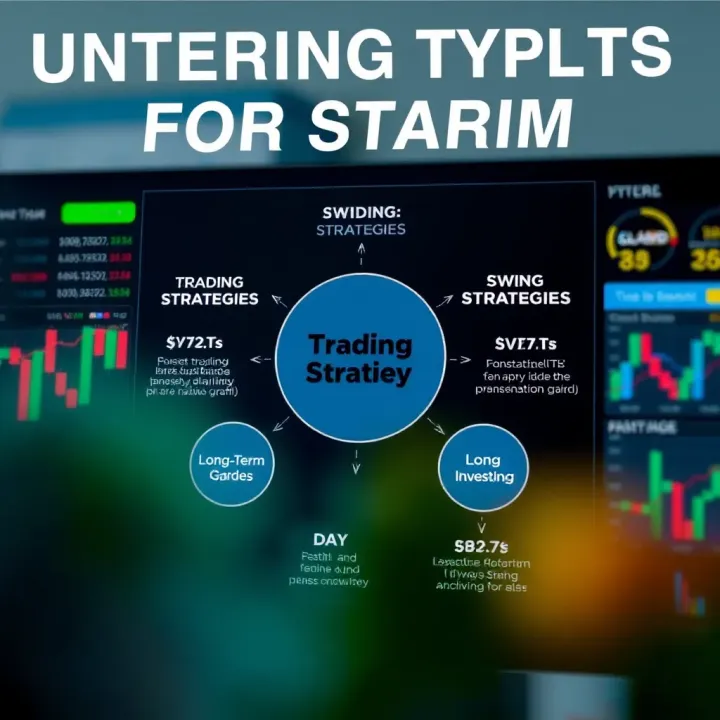
Understanding Trading: A Simple Guide for Pakistan
Explore trading basics, types, and strategies tailored for Pakistan. Learn about tools, platforms, risks, and tips to trade smartly and confidently 📈💡
Edited By
Liam Parker
Trading can seem like a tricky game, especially if you're just starting out and worried about losing real money. That's where trading apps without investment come in—tools designed to help you learn, practice, and get a feel for the markets without risking your cash.
These apps simulate real trading environments, letting users buy and sell stocks, forex, or cryptocurrencies using virtual money. It's like a flight simulator for traders; you get to make decisions, understand market moves, and sharpen your strategy without the fear of financial loss.
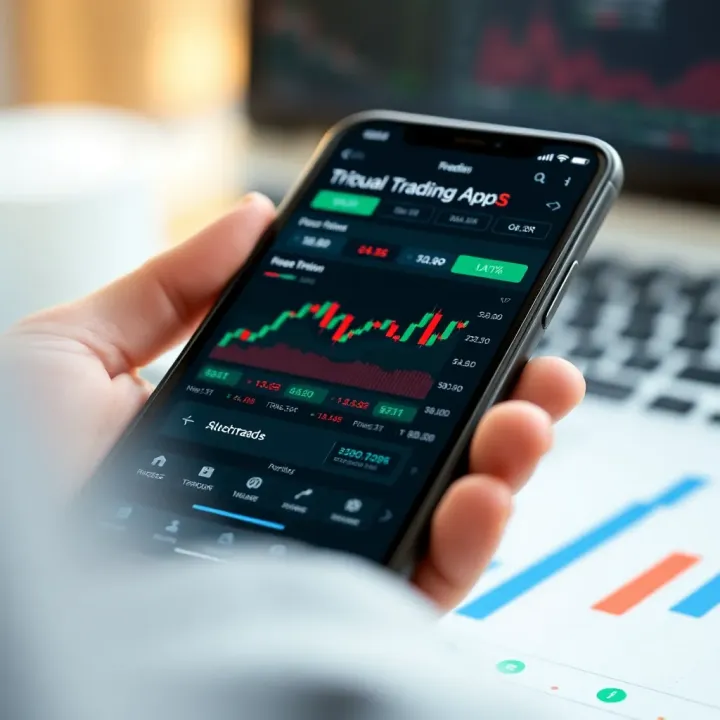
In this guide, we’ll walk you through how these apps work, what advantages they offer, and some of the pitfalls to watch out for. Whether you're a beginner trying to grasp the basics or an educator looking for a teaching aid, this practical guide will help you navigate trading apps wisely.
Remember, practice does not guarantee profit, but trading without the risk of real money lets you build confidence and knowledge that can be crucial when you finally trade for real.
Let’s dive in and explore why these apps have become popular among traders worldwide, from Karachi to Lahore, and how you can make the most of them in the Pakistani market context.
Trading apps without investment have carved a niche for themselves by offering a playground where beginners and experienced traders can practice without putting real money on the line. They play a critical role in today's fast-moving financial markets, especially in places like Pakistan, where many are eager to learn trading but hesitant to dive in due to fear of losses.
These apps offer a low-barrier entry point into trading, allowing users to get their hands dirty with market strategies while using virtual currency. For instance, rather than risking actual rupees, a new trader might start with a demo account credited with simulated funds to try out buying and selling stocks or currencies.
The importance of these apps lies not just in risk-free experience but also in creating an environment where users can make mistakes, learn from them, and refine their trading tactics without the stress of real-world consequences. Especially for individuals juggling other commitments, these tools bring the stock market straight to their smartphones for learning on the go.
Trading apps without investment replicate real market conditions by using virtual money against live or historical market data. They let users place trades, track order execution, and see the effects of their strategies in real-time or within a controlled simulation. This setup mimics the decision-making process of actual trading, including aspects like bid/ask prices and order types.
For example, AltTrade, a popular app in Pakistan, provides simulated trading on the Pakistan Stock Exchange (PSX) with virtual funds, allowing new traders to practice without fear of loss. This simulation is key because it equips users with practical insights on how their trades could play out in real market conditions.
These apps are built with education at the forefront. They provide a safe zone where traders can experiment freely without financial pressure. This environment supports learning through trial and error, which is invaluable when mastering the highs and lows of market trading.
More than just tools for practicing trades, many apps offer inbuilt tutorials, video lessons, and quizzes that help users understand trading fundamentals, market indicators, and risk management methods. The immediate feedback from simulated trading outcomes turns abstract concepts into hands-on lessons, making education richer and more engaging.
A staple of these apps is the provision of demo accounts loaded with virtual currency. Users start with a fixed amount — say 1,000,000 units of simulated money — to place trades without financial risk. This virtual currency operates just like real money within the game's rules, letting users buy and sell stocks, commodities, or forex pairs.
Such accounts help traders sharpen their skills in money management and order handling. For example, a user might learn how to use stop-loss orders effectively or to diversify their portfolio, all while knowing no real funds are at risk.
Instead of generic price movements, these apps often provide access to real-time or delayed market data pulled from actual stock exchanges. This inclusion means users can practice trading strategies in conditions that closely resemble true market scenarios.
Moreover, many apps feature historical price charts and other analytical tools such as candlestick patterns and volume indicators. This data empowers users to backtest strategies — reviewing how their tactics would have performed in past market conditions — which is a great way to build confidence without spending money.
Remember, while demo trading is invaluable for learning, actual trading can differ since emotional pressure and market unpredictability come into play once real money is involved.
In summary, trading apps without investment serve as powerful platforms for learning, providing simulated environments equipped with virtual currencies and real market data. They help traders grasp essentials safely before stepping into the complexities of actual markets.
Using trading apps that don't require real money comes with several clear advantages, particularly for those just starting out or looking to sharpen their skills without taking on financial risk. They are a safe space to explore the world of trading without the pressure of losing actual cash, and they serve as a valuable stepping stone towards real trading.
Developing trading strategies is a key perk of these apps. Because you’re dealing with virtual funds, you can try out different trading tactics without worrying about blowing your budget. For example, say you’re curious about swing trading or day trading—demo accounts give you the freedom to experiment with timing, entry, and exit points. This trial-and-error process helps in understanding what approaches might work best before applying them in real scenarios.
Understanding market mechanics is another important benefit. These apps simulate real market conditions, allowing you to familiarize yourself with how orders are placed, how prices move, and how factors like volume and volatility affect trades. This hands-on learning helps demystify concepts like bid-ask spreads or stop-loss limits. For instance, detecting how news events can sway prices in simulation prepares you to anticipate changes in actual markets.
Testing different approaches without risking money builds your confidence. When you place trades on a real platform, hesitation is common due to the fear of losses. Demo apps eliminate this, letting you refine your style and decision-making process freely. You might discover that combining technical analysis with fundamental insights yields better results. Over time, this repeated practice boosts your comfort level with trading mechanics.
Preparing for actual trading is the natural next step. Once you’re consistently making smart moves in a simulated environment, you’re closer to handling real trades. The discipline learned—like sticking to stop-loss rules or managing position sizes—can be carried over. For example, a trader who has practiced managing risk through these apps is more likely to stick to their plan in live markets, avoiding common pitfalls like chasing losses.
Remember, while demo trading won’t fully replicate the emotional side of handling real money, it lays down the groundwork to trade smarter and safer when you step into live trading.
The key takeaway is that these apps offer a crash course in trading fundamentals without the downside of financial loss, making them an essential tool for anyone looking to get their feet wet in stock markets or forex trading.
Trading apps that allow users to trade without risking real money are a great way to learn, but they come with their own set of limitations. Understanding these drawbacks is important, especially if you plan to eventually switch from practice to live trading. While demo apps offer a zero-risk environment, they can’t fully mimic the stress, speed, and unpredictability of real markets.
One major limitation is the absence of true emotional pressure. Real trading involves handling significant financial risk, which often stirs strong feelings like fear and greed. Demo apps rarely trigger these emotions because there’s no real money on the line. This lack of emotional impact means users might find it difficult to replicate the psychological discipline needed for live trading.
When trading with fake funds, it’s tempting to take bigger risks or ignore sound strategies since there’s nothing to lose. Imagine trying to learn how to drive by only using a simulator without ever feeling the anxiety of real traffic—it's similar with these apps. Without feeling the weight of actual losses, the experience doesn’t prepare you for moments when markets move sharply, and you need to act decisively.
Because the consequences are imaginary, sticking to a trading plan is less compelling. Traders might abandon their strategies impulsively or chase quick wins in demo trading. For example, someone might throw caution to the wind and try risky trades repeatedly, knowing it won't cost them. This habit can lead to bad trading patterns that are tough to break when real money is involved.
Another important limitation is the technical and data discrepancies between demo environments and actual markets. These differences can affect learning outcomes and performance once you transition to real trading.
Some demo apps use slightly outdated or simulated market data, which doesn’t reflect real-time price movements accurately. This delay can cause the user to make decisions based on old information. For instance, by the time a virtual order is placed using stale data, the actual market might have moved appreciably, leading to unrealistic expectations about entry and exit points.
Demo platforms often execute trades instantly at displayed prices, lacking the real-world issues like slippage, partial fills, or order rejection. In contrast, live markets can be messy. A common example is placing a market order during volatile conditions and receiving a very different fill price than expected. These nuances don’t appear in simulation, so users might get a false sense of control and precision.
Key takeaway: While demo trading apps are helpful for grasping basics, traders should be aware they clean off the grit and grind of real markets — emotional stakes and technical glitches remain part of the game.
Understanding these limitations helps set realistic expectations and ensures users don’t over-rely on practice trading results. Using demo apps as one part of a broader learning strategy, combined with studying market behavior and managing emotional responses, will build a stronger foundation before risking real capital.
Demo and simulation modes in trading apps play a key role for anyone wanting to learn without risking real cash. These modes offer a playground where you can test strategies and get familiar with market moves. Let’s explore how these apps stack up, especially in Pakistan, and what international options bring to the table.
Trading apps tailored for Pakistan users often come with features designed to make the experience smoother and relevant. For example, apps like 'Investopedia Pakistan' and 'Utrade' provide interfaces in Urdu and English, helping traders who might not be fluent in English. They often incorporate local customer support, making troubleshooting simpler and quicker. Additionally, these apps usually integrate payment options that are familiar and easily accessible in Pakistan, such as JazzCash or Easypaisa, easing the funding process when a user decides to transition from demo to real trading.
A huge plus for local traders is apps offering real-time or near real-time access to Pakistan Stock Exchange (PSX) data. Apps like 'PSX Trader' and 'Al Meezan Investment' provide simulated trading environments that mirror the PSX market conditions, helping users test strategies on real Pakistani stocks without risking money. This local market focus is practical for those who want to understand PSX dynamics specifically, including common trends, volume shifts, and sector behaviors unique to Pakistan.
International demo trading apps like 'eToro', 'MetaTrader 4', and 'Thinkorswim' open doors to global markets — stocks, forex, commodities, and cryptocurrencies. This is crucial for anyone looking to diversify their practice beyond the local scene. Practicing on these apps allows users to experience various time zones, market volatilities, and different economic factors affecting prices worldwide. It’s especially useful for Pakistani traders aiming to get a broader understanding or planning to eventually trade foreign markets.
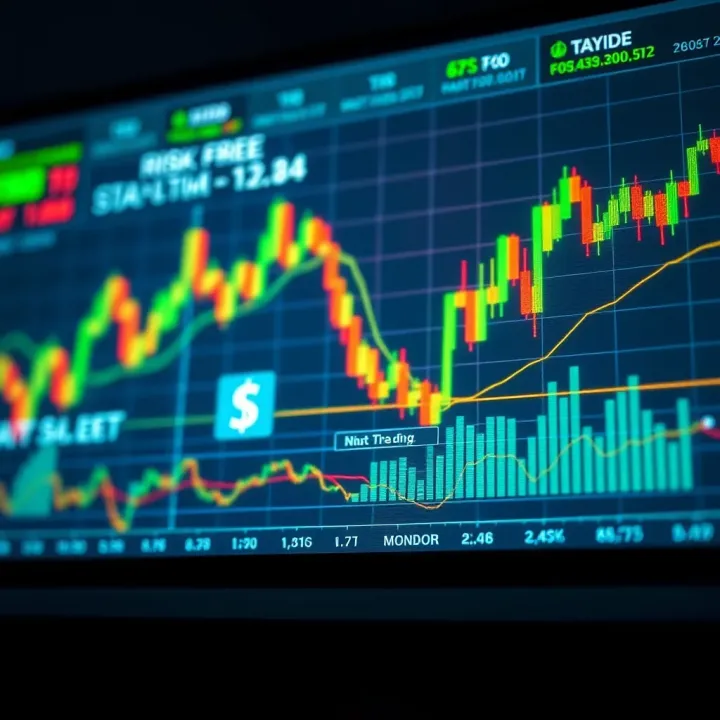
Each app has its quirks and strengths. For instance:
eToro shines with its social trading feature, allowing users to observe and copy top traders’ moves in demo mode.
MetaTrader 4 offers extensive charting tools and a robust automated trading environment, which appeals to those keen on technical analysis.
Thinkorswim provides in-depth analytics and educational materials woven directly into the platform, supporting a deeper learning curve.
Comparing these based on features like ease of use, educational content, types of assets available in demo mode, and the authenticity of market data helps users pick what suits their learning style best. Remember, an app packed with flashy features isn’t always the best fit—sometimes, something simple but reliable offers better practice.
Choosing the right demo app matters. It’s not just about playing around; it’s about building skills that last when real stakes come into play.
With these options, Pakistani traders have a variety of platforms to suit local preferences or broaden their horizons internationally, all without putting their money at risk just yet.
Selecting the right trading app without investment plays a key role in building your trading foundation without risking money. It’s not just about picking the most popular app; you need one that fits your learning style, offers realistic market simulation, and has reliable features. The right app will make your practice more productive, helping you understand trading mechanics better and build confidence without the pressure of losing actual capital.
When picking an app, consider aspects like how easy it is to use, the quality and timeliness of market data, and whether it gives you access to diverse trading instruments. For example, an app with clunky navigation might slow down your learning, while one that offers delayed or limited data can leave you with an inaccurate sense of market conditions. Apps like TradingView or Thinkorswim offer demo modes with solid interfaces and comprehensive data, making them useful for beginners worldwide, including Pakistan.
If you’re just starting, wrestling with a complicated interface wastes time and kills motivation. A simple, clear layout lets you focus on trading rather than fumbling through menus. Look for apps where features like charts, order entry, and portfolio tracking are logically arranged and easy to access. For instance, apps like eToro’s demo version offer intuitive navigation that doesn’t overwhelm new users with clutter. Remember, the smoother the interface, the quicker you can practice and learn.
Good trading apps do more than just simulate trades; they offer built-in educational tools. This can be tutorials, videos, or even trading strategy guides integrated into the app. These resources are invaluable, especially for beginners who might not fully grasp complex concepts. Having instant access to lessons or market explanations while practicing can fast-track your understanding. Apps like Investopedia Simulator or Trading 212 include such features and can be a big help.
Market data freshness makes a huge difference. Real-time data mimics live conditions, whereas delayed data could be minutes behind, affecting the validity of your trades. For example, if you’re trading stocks on the Pakistan Stock Exchange, using an app that refreshes data every 15 minutes may lead to unrealistic results because the price you see doesn’t match current conditions. Apps connected directly to exchanges or known for fast updates provide a more accurate experience, making your practice closer to reality.
A wide selection of instruments—stocks, commodities, forex, or cryptocurrencies—allows you to explore different markets. You get to test your strategies across various asset classes and find what suits you best. If an app only simulates one or two asset types, you might miss out on learning how different markets behave. Apps like MetaTrader offer a broad range and let you switch easily between them within demo mode, which can be very useful for well-rounded practice.
Ultimately, choosing the right demo trading app isn’t a one-size-fits-all. Focus on what helps you learn best—whether it's a user-friendly interface, quality data, educational support, or market coverage. This will make your practice time not just pass, but count.
Getting started with demo trading can feel like child's play compared to the real market grind. But if you treat it casually, you’re missing a golden chance to sharpen your skills without burning a hole in your pocket. Learning how to squeeze the most out of trading apps — especially those without investment requirements — is key if you want to build a solid foundation before taking real financial leaps.
Before you dive into those simulated trades, set clear, realistic goals. Are you focusing on mastering day trading techniques or testing swing trading over weeks? Define what success looks like for you — whether it’s limiting losses to a certain percentage, achieving consistent profits, or simply sticking to your plan without emotional deviation. Clear goals help keep your sessions focused and purposeful instead of wandering aimlessly.
For example, if you're aiming to improve your response to rapid price changes, set a target like "execute 10 trades reacting within 1 minute of price movement" during the week. This kind of goal keeps you sharp and attentive to the markets.
Just like a runner logs miles to spot progress and adjust training, track every trade in your demo account. Keep a journal or spreadsheet noting the rationale behind each trade, entry and exit points, profit or loss, and any emotional feelings you experienced. Over weeks, patterns will jump out — maybe you hold losing trades too long or jump in too early.
By analyzing this data, you can tweak your strategy before going live. Some apps provide built-in analytics tools, but if they don't, a simple Excel sheet or Google Sheets can do the job. The key is to remain honest about what worked and what didn’t, resisting the urge to blame bad luck or “demo conditions.”
Theory isn't just for classrooms — it’s an essential component of effective trading. Spend time understanding how macroeconomic factors like inflation rates, interest changes by the State Bank of Pakistan, or geopolitical events influence market trends. For instance, local currency fluctuations often impact the Pakistan Stock Exchange sharply.
Knowing these fundamentals helps you make informed trade decisions rather than guessing based on charts alone. When you pair knowledge of concepts like support and resistance or candlestick patterns with fundamental insights, your trades get a stronger backbone.
Many trading apps without real-money requirements come bundled with helpful educational features such as tutorials, quizzes, and simulated challenges specific to your region or market. Take full advantage of these tools. Instead of simply clicking around, engage with lessons that explain terms like "margin," "stop loss," or "leverage" in a Pakistani context.
Some apps even offer video explanations or connect you to forums where you can ask questions and learn from peers. For example, apps like Investopedia Simulator or TradingView’s free demo mode along with local apps supporting the Pakistan Stock Exchange data offer great resources beyond just chart navigation.
Remember: Demo trading is your sandbox to experiment, learn, and build discipline. Take it as seriously as you would with your real money, and you’ll set yourself up for smoother sailing when the stakes are your own cash.
By following these tips — setting goals, tracking your progress, grounding your trades in theory, and using educational tools — you’ll transform simple practice into meaningful preparation for the realities of trading in Pakistani and global markets.
Transitioning from demo trading to using real money is a significant step for any trader. While practicing with virtual funds helps build skills and confidence, it’s essential to know when to make the switch to live markets. Moving too early can lead to unnecessary losses, while waiting too long might mean missed opportunities. This section breaks down practical signs that indicate readiness and offers guidance on starting cautiously to protect your capital.
One clear indicator that you’re ready is consistent profitability during your demo trading sessions. This means not just hitting target wins on a lucky streak, but demonstrating a steadier track record over weeks or months. For example, if your demo portfolio shows an average gain of 5-7% monthly across various market conditions, it’s a solid proof of concept.
Reliably executing trades that fit your strategy—and adjusting when necessary based on results—is key. Keep a detailed trading journal to track what works and what doesn’t. If you notice you’re consistently profitable and can explain why those trades worked, you’ve reached an important milestone. This practice helps sharpen judgment and prepares you for the real pressure of live markets.
Profitability alone isn’t enough; grasping risk management is just as critical. This means knowing how to limit losses, set stop-loss orders effectively, and avoid risking too much of your capital on a single trade. The goal is to protect your investment from big swings and unexpected market moves.
For instance, experienced traders often risk only 1-2% of their total capital on any one trade. Practicing this in demo mode helps develop discipline—without it, it’s easy to blow up a real account quickly. Understanding concepts like diversification and position sizing also plays a major part. Before moving to real trading, ensure you’re comfortable with these practices and have applied them consistently during your practice runs.
The best way to bridge the gap between demo and real trading is by starting with a small amount of real money. This might be 1-5% of what you’d eventually trade full-scale. Starting small acts like a shield against early mistakes while letting you experience market dynamics firsthand.
Let’s say you plan to trade $10,000 eventually. Begin live trading with approximately $100-$500. This allows you to test emotional reactions without risking your financial well-being. With small stakes, even losses are manageable, giving you space to learn and adapt your strategy on real-time data and order execution.
Emotions run wild when real money is involved, unlike in demo trading where it’s just numbers on a screen. Fear, greed, and impatience can cloud judgement and lead to poor choices. Learning to manage emotions before scaling up is fundamental.
Simple steps can help control feelings: pause when anxious before placing a trade, stick to your predefined trading plan, and avoid trying to recoup losses quickly. For example, if you hit a losing streak, stepping back to analyze what went wrong instead of doubling down helps maintain discipline. Many beginners stumble when emotions take over, so practicing emotional control with small capital safeguards your long-term success.
Transitioning to real trading isn’t just about skills; it’s also about mindset. Being patient and cautious helps you survive early experiences and build on them confidently.
Knowing when to move from demo to real money trading boils down to mastering your strategy, managing risks, and controlling emotions. Start live trading with a clear plan and modest stakes, gradually increasing exposure as you gain confidence and experience. This deliberate approach can save you from avoidable mistakes and set the foundation for sustainable trading success.
Grasping the risks tied to trading, whether with real money or in demo mode, is a cornerstone for anyone serious about entering the market. The idea isn’t just to learn the mechanics or to play around with virtual cash. It’s about getting a realistic sense of how unpredictable and challenging the market can be. For example, even when you’re practicing on a demo app like MetaTrader or TradingView’s simulation, the market’s ups and downs can still catch you off guard. Without respecting these risks, a trader might develop a false sense of security, leading to costly mistakes down the road.
Impact on both demo and real trading
Market volatility means prices can swing wildly within short periods, influenced by news, economic data, or global events. In demo trading, while you’re shielded from financial loss, the unpredictability of price moves remains the same. That’s why even virtual trading requires attentiveness to volatile phases. For instance, during the COVID-19 pandemic, many traders saw massive swings in stock prices, which demo users could also experience firsthand. The emotional rollercoaster is missing in demo mode, but the lessons about market fluctuations are just as real.
Adapting strategies accordingly
Successful traders know they can’t use a one-size-fits-all approach. When markets turn choppy or calm down, strategies must evolve. Let’s say you’ve been practicing a trend-following method in your demo account, but you notice sharp reversals during volatile times. Adapting might mean incorporating stop-loss orders or shifting to range-bound tactics. In demo environments like NinjaTrader or eToro’s demo, adjusting your plan as market conditions shift helps build muscle memory. Real traders must do the same; failing to adapt is often a quick route to losses.
Recognizing differences in real trading
Just because you’re rocking the demo account doesn’t mean real trading will be a cakewalk. The absence of real money changes your mindset. For example, it’s easier to stick to a plan when you’re not sweating actual losses. Real trading brings psychological pressures—fear, greed, and hesitation—that a simulation can’t duplicate. A demo win streak doesn’t guarantee you’ll handle these emotions well. Traders using platforms like Thinkorswim’s paperMoney should remember that real trades require additional mental stamina.
Maintaining disciplined approach
Discipline is the backbone of trading success, especially when transitioning from demo to live markets. This means following your trading plan, employing risk management, and not chasing losses. Imagine you’re on a demo account with big gains, and you start risking more than usual just because nothing’s on the line. In real-world trading with apps like Interactive Brokers or TD Ameritrade, this approach will likely backfire. Staying committed to your strategy and managing emotions keeps you on track and prevents reckless decisions.
Conclusively, understanding risks beyond just financial loss helps traders build realistic expectations and habits that matter in the long run. Whether practicing or trading live in Pakistan’s markets or global exchanges, respect for market behavior, and personal discipline are irreplaceable assets.
Understanding the common misconceptions surrounding trading apps that require no real investment is key to using these tools effectively. Many beginners jump into demo trading assuming it's a sure way to make quick profits or that it involves no risk at all. Clearing up these false notions helps set realistic expectations and guides users toward smarter trading habits. When you know what’s myth and what’s fact, you avoid costly mistakes and better prepare yourself for actual market conditions.
One of the biggest myths is that success in demo trading means you’ll automatically make money when switching to real trading. It’s tempting to think that if you’re good with fake money, real deals should be a breeze. However, demo platforms don’t replicate real market conditions fully—things like slippage, order delays, and emotional pressure are often missing.
For example, with apps like MetaTrader’s demo mode, you might see flawless order execution, but in live markets, unexpected price moves or execution delays can wipe out anticipated profits. Real trading involves fees, sudden volatility, and psychological challenges that aren’t part of most demos. So, seeing a green balance in a simulated account doesn't guarantee similar gains once actual funds are at stake.
It’s easy to believe that since no real money is involved, these apps carry no risks. While financially safe, they still pose psychological and educational risks.
Trading on demo accounts may lead to overconfidence. Because losses don’t hurt your wallet, you might take reckless bets or ignore risk management. This can build habits that backfire when real money is involved. For example, a trader might keep doubling down on losing positions during demo trading, thinking it’s no big deal. But in real life, this would lead to significant losses. The lack of emotional consequence often dulls caution, making the transition to real trading a hard wake-up call.
Another downside is missing the chance to learn from all aspects of trading. Demo accounts often don’t capture the full complexity of market behavior, such as sudden liquidity dries or emotions triggered by actual losses. If users treat demo only as a game, they might overlook important lessons about patience, timing, and psychology.
To get the most out of trading apps, treat every practice session seriously. Analyze mistakes, simulate order management, and practice discipline as if you were using real money. This mindset turns the demo tool from a mere playground into a real learning platform.
Remember, demo trading is a stepping stone, not a shortcut. It prepares you, but genuine experience and emotional control come only from live markets.
By dispelling these misconceptions, novice traders can approach demo apps as valuable learning instruments rather than guaranteed profit machines or risk-free playgrounds. This understanding leads to better preparation, smarter decisions, and a smoother transition to real trading when the time comes.
Trading apps that don’t require actual money have become a surprisingly useful tool for financial education in Pakistan. They open the door for a wider audience to learn the ropes of trading, which is crucial in a country where financial literacy still has plenty of room to grow. By simulating real market conditions without the risk of losing money, these apps help folks understand markets better and build skills gradually.
Reaching new users: These apps break down barriers for many who might have thought trading was only for the wealthy or experienced. Take an average person in Lahore or Karachi who's curious but hesitant about investing; such apps give them a playground to explore without fear. They simply download the app and start practicing with virtual money. This easy entry point encourages those from various socioeconomic backgrounds to dip their toes into the stock market waters.
Enhancing knowledge across demographics: The beauty of these apps is that they aren’t just for young tech-savvy folks. Older adults, students, and even women—who are often underrepresented in finance—can use these platforms to gain a firmer grasp of market dynamics. Apps often come loaded with educational materials tailored to different skill levels. For example, some apps provide localized content highlighting the Pakistan Stock Exchange, making the learning more relatable and less intimidating.
Promoting awareness of risks: One of the biggest lessons these apps teach is that trading isn’t a guaranteed way to make quick money. They showcase market ups and downs clearly so users get firsthand experience handling losses and gains — all without losing real cash. It’s one thing to read about risk management, but it hits differently when your virtual portfolio shrinks after a bad trade. This safe environment helps users respect risk, shaping a more cautious mindset.
Developing disciplined habits: Beyond just practicing trades, these apps encourage users to stick to strategies and avoid impulsive decisions. Regular features like performance tracking and analytics nudge traders to review their patterns and think critically about each trade. This helps build habits that are important for real trading, such as setting stop-loss orders, not chasing losses, and keeping emotions in check. It’s like training wheels that prepare traders for the real deal.
In short, these apps act like financial classrooms on your phone, making market participation approachable and less risky for Pakistanis eager to learn.
The growing presence of apps like InvestMate and StashAway in Pakistan’s market highlights the shift towards more accessible financial education. By offering localized content and demo trading, they bring the global financial world closer to everyday people, promoting a healthier, more informed trading culture across the country.
Trading apps are a popular choice, but they aren't the only way to learn trading without putting your own money on the line. Exploring alternatives can broaden your understanding and offer different angles to grasp the markets. These options often provide a more structured or varied experience which sometimes, trading apps might miss out on.
Some websites offer dedicated trading simulations without needing you to download an app. These platforms let you test strategies or explore trading mechanics right in your browser. For example, Investopedia’s Stock Simulator is a widely used tool that mimics real market conditions and lets you practice trading stocks, ETFs, and other securities with virtual cash. The advantage here is accessibility — you don't need a powerful smartphone or have app restrictions. Plus, websites often include detailed explanations, tutorials, and community forums, making the learning curve smoother.
These tools usually form part of a larger education platform or brokerage website. For instance, TradingView offers simulation features integrated with their real-time charting tools, allowing you to paper trade directly while following up-to-the-minute price movements. This helps connect theoretical market analysis with practical execution. These web-based simulators often have more detailed features, such as setting stop-loss orders, experimenting with margin, and testing various asset classes, which can enrich your practice well beyond a basic app.
Courses and workshops provide a structured learning path. Whether you attend a local seminar or join an online trading course platform like Coursera or Udemy, these courses cater to various skill levels. For Pakistan, workshops often incorporate local market specifics, including Pakistan Stock Exchange trading rules and regional economic factors. In-person classes can foster direct interaction with instructors and peers, which can be valuable for clarifying doubts quickly.
The best courses don’t just teach theory but encourage live practice alongside lessons. Many course providers recommend or include practice sessions with demo accounts during the coursework. For example, some courses partner with brokerages to offer students temporary access to simulated trading platforms. This approach helps solidify concepts by putting them into practice immediately, which is crucial for retaining what you learn and building real skills that transfer once you trade with outright money.
Alternatives to simple apps can be just as vital—if not more—because they combine information with hands-on experience and community support. Exploring these options can round out your trading education and give you a stronger foundation before stepping into the real market.
Trading apps that let you practice without putting real money on the line are like training wheels for the trading world. They offer a safe space to understand how markets work and to experiment with strategies without risking your hard-earned cash. However, it’s essential to remember that these apps are tools for learning, not shortcuts to quick riches.
One practical benefit is that you get to make mistakes freely—flipping through markets, testing moves, and figuring out how trades play out. For instance, if you’re trying out day trading on an app like Thinkorswim’s paper trading platform, you can experiment with short-term trades before facing the pressure of real stakes.
Still, keep in mind that demo trading doesn’t fully match the emotions or market conditions of live trading. This is why mindful use of these apps, paired with patience and a clear learning approach, brings the most value.
It’s tempting to rush into trading with hopes of fast profits, but the real skill lies in learning the ropes first. Trading apps without real money are perfect for this because they encourage you to focus on mastering market analysis, trade timing, and risk management. Instead of fixating on profits, you develop the mental framework to spot good trade opportunities.
For example, if you observe how orders fill on a demo app like MetaTrader 5, you get a feel for price movements and slippage, which is crucial before risking real funds. Gradually, those small habits build into a disciplined trading approach.
Building trading know-how isn’t a sprint—it’s a marathon. Using practice apps regularly teaches you that patience pays off. You’ll face losing trades even in demo mode, and that’s part of the learning curve. Instead of getting frustrated, use those experiences to refine your strategies and understand market behavior.
Patience helps you resist impulsive decisions, which are common traps for new traders. It also prevents burning out by setting realistic expectations. Think of it like learning a musical instrument; you don’t expect to master it overnight, and trading is the same.
When you feel ready to shift from simulated trading to using your own money, take it slow. Start with small amounts that won’t hurt your finances if things go sideways. This gradual approach reduces stress and helps you adapt to the real stakes.
For example, if you’ve practiced for three months and your demo trades are consistently profitable, consider opening a live account with a modest deposit, say PKR 10,000, to test how your emotions handle real risk. Keep reviewing your trades afterward and adjust your plan accordingly.
Real trading is a continuous learning process. Even experienced traders keep studying new trends, indicators, and strategies. Don’t drop your educational habits just because you’ve moved to real money. Many apps offer advanced tutorials and market analysis tools—use them.
Staying curious and disciplined makes the difference in sustaining success. Combine live trading with reading market news, attending webinars, or following trusted analysts to keep your edge sharp.
Trading apps without investment give you a solid foundation, but real proficiency comes from patience, cautious transition, and ongoing education. Treat this as a journey rather than a race to profit.
Explore trading basics, types, and strategies tailored for Pakistan. Learn about tools, platforms, risks, and tips to trade smartly and confidently 📈💡
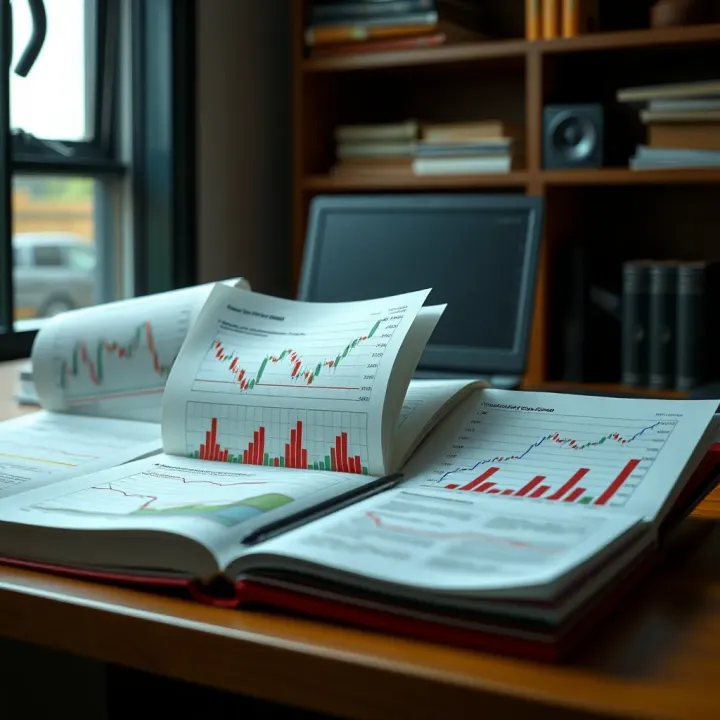
📘 Understand trading books in detail—types, key elements, and smart management tips. Discover digital PDFs for easier learning and smarter trading! 📈
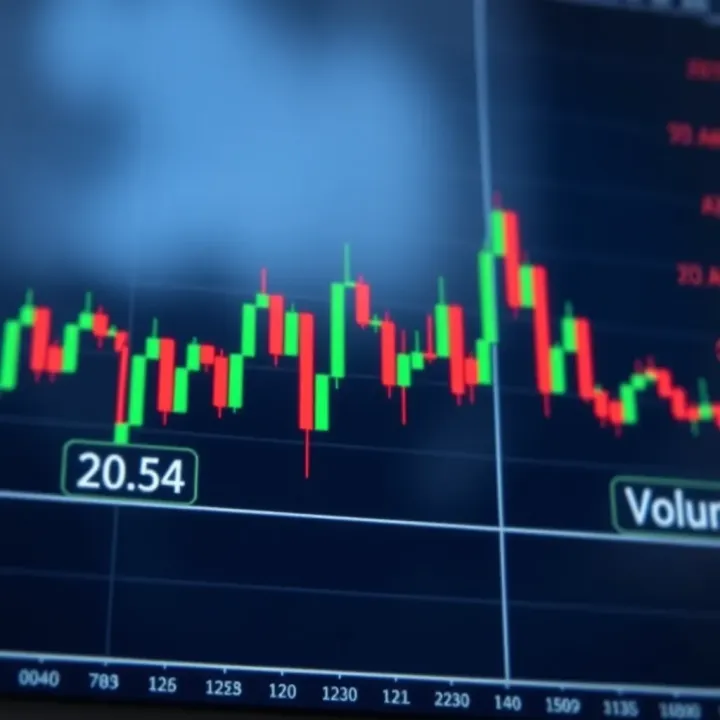
📈 Learn how to read trading graphs, understand key components, and use them wisely to boost your trading decisions in Pakistan's financial markets.
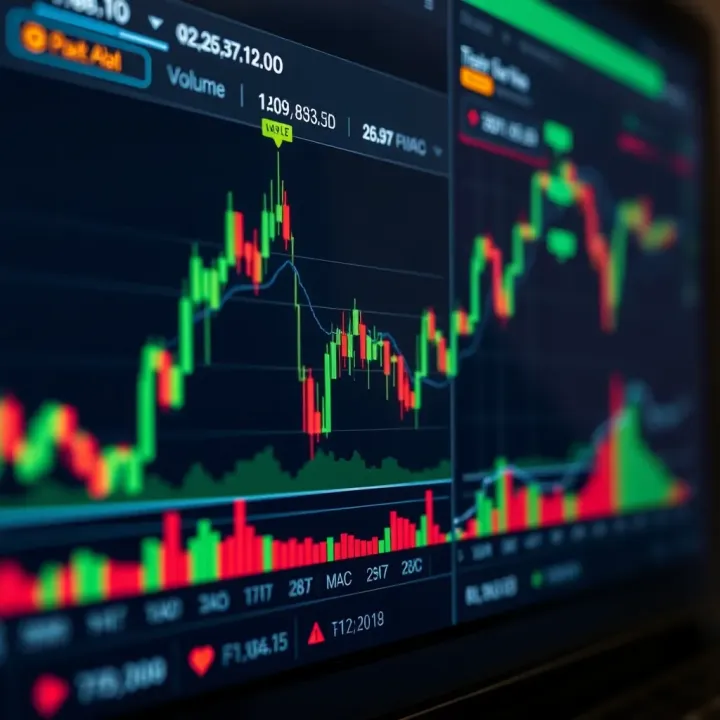
📈 Explore how to read different trading charts and use key indicators effectively in various markets. Avoid common mistakes to refine your trading strategy.
Based on 13 reviews