

USD to PKR Exchange Rate Outlook Next 3 Months
📉 Get a detailed forecast of USD to PKR over the next 3 months, covering economic data, policies, and expert views to guide your currency decisions. 💼
Edited By
James Thornton
The exchange rate between the Saudi Riyal (SAR) and the Pakistani Rupee (PKR) plays a significant role in Pakistan’s economic landscape. Traders, investors, and businesses closely watch this rate because of its impact on imports, exports, remittances, and overall economic stability. With Saudi Arabia being one of Pakistan’s key trade partners and a major source of remittances, fluctuations in SAR to PKR affect everyday financial decisions across the country.
Recently, the SAR has remained relatively stable against major currencies, but the PKR has faced pressure due to factors like inflation, fiscal deficits, and external debt servicing. This dynamic creates uncertainty for businesses relying on Saudi imports or remittances from Pakistani expatriates in Saudi Arabia.

Understanding the projected movement of SAR to PKR is essential not just for currency traders but also for exporters, importers, and policymakers. A weakening PKR against SAR typically raises import costs for Saudi goods, impacting prices in local markets.
Several elements influence the SAR to PKR exchange rate:
Remittances: Pakistan receives billions of dollars each year from its large workforce in Saudi Arabia. Higher remittances boost foreign exchange reserves, supporting the PKR.
Trade Balance: Saudi exports to Pakistan include petroleum products, chemicals, and machinery, while Pakistan mainly exports textiles and food items. Trade imbalances influence currency demand.
Monetary Policy: Pakistan’s State Bank decisions on interest rates, inflation targeting, and forex interventions affect PKR stability.
Global Oil Prices: Since Saudi Arabia is a major oil exporter pricing in dollars, shifts in oil markets indirectly impact Saudi foreign exchange and trade flows.
This article will break down these factors and offer a forecast of SAR to PKR trends with an eye on how they ripple through Pakistan’s economy, businesses, and consumers. It aims to provide practical insight you can use in market analysis, investment planning, or financial education.
Understanding the exchange rate between the Saudi Riyal (SAR) and the Pakistani Rupee (PKR) is essential for multiple players in Pakistan’s economy. This rate affects trade costs, remittance values, and investment decisions. For traders and financial analysts, keeping an eye on the SAR to PKR rate helps anticipate price changes in imports from Saudi Arabia and estimate remittance inflows from Saudi-based Pakistani workers. The practical benefit is clear: fluctuations in this rate can influence everyday prices and the broader economic landscape.
The SAR to PKR exchange rate has experienced some volatility lately, mainly due to fluctuations in global commodity prices and monetary policies. For example, a recent dip in the Saudi Riyal against the US dollar put pressure on the PKR, causing the exchange rate to move slightly upwards. This matters because even small changes can increase the cost of Saudi imports like petrochemical products and machinery, affecting local businesses that depend on these goods.
Compared to other currencies like the US dollar (USD) or the Euro (EUR), the Saudi Riyal generally shows more stability due to its peg to the US dollar. While the PKR has weakened against the USD over the past year, the SAR has remained relatively steady, causing the PKR to weaken more visibly against the Riyal. This makes SAR-denominated transactions somewhat less risky compared to those in more volatile currencies, but Pakistani importers and exporters should still monitor these shifts closely.
Saudi Arabia is one of Pakistan’s key trading partners. The volume of imports—primarily oil, petrochemical products, and machinery—directly influences the demand for SAR. When Pakistan’s imports from Saudi Arabia rise, it tends to put upward pressure on the SAR to PKR rate, as more PKR are exchanged for Riyals. For example, if oil prices rise and Pakistan increases crude oil imports, the demand for SAR increases accordingly, affecting the exchange rate.
Saudi Arabia’s economy heavily depends on oil revenues, and changes in global oil prices affect the SAR’s strength. In times of rising oil prices, Saudi Arabia’s economic gains often lead to a stronger Riyal or sustained USD peg stability. This influences the SAR to PKR rate because Pakistan relies on Saudi oil imports. Higher oil prices mean Pakistan needs more Riyals, pushing the exchange rate upward and increasing the cost of imports.
Political stability and diplomatic relations between Saudi Arabia and Pakistan also shape the SAR to PKR exchange rate. For instance, any diplomatic tensions or regional instability in the Middle East can affect investor confidence and remittance flows, thereby impacting currency demand. Similarly, Pakistan’s economic ties or policy shifts related to Saudi Arabia—such as changes in labour agreements or investment deals—can lead to short-term rate fluctuations.
Keeping tabs on these factors provides a clearer picture of exchange rate movements, helping traders, investors, and businesses make informed decisions that directly affect cost management and profitability.
The economic ties between Saudi Arabia and Pakistan play a significant role in shaping the exchange rate dynamics between the Saudi Riyal (SAR) and Pakistani Rupee (PKR). These connections influence trade balance, investment flows, and remittance patterns, all of which affect Pakistan’s foreign exchange market and overall economic health.
Pakistan primarily imports oil and petroleum-based products from Saudi Arabia, forming a major chunk of its energy needs. Besides fuel, machinery and chemical products also feature among top imports. On the flip side, Pakistan exports textiles, rice, and leather goods to Saudi Arabia, products which enjoy steady demand due to a growing Pakistani diaspora and business contacts there. The trade volume itself often reflects broader economic trends, impacting currency demand; for example, a rise in oil prices usually leads to increased SAR outflows, putting pressure on PKR.
Saudi investments in Pakistan span energy, infrastructure, and real estate sectors. Notably, joint ventures related to oil refineries and power projects have received sizeable Saudi funding, supported by frameworks like the Saudi-Pakistan Investment Forum. These investments inject much-needed foreign currency and bolster economic growth. In recent years, Saudi Public Investment Fund (PIF) has shown interest in expanding its footprint across Pakistan’s development sectors, which helps stabilise investor confidence and influences the SAR to PKR rate indirectly by signalling ongoing economic cooperation.
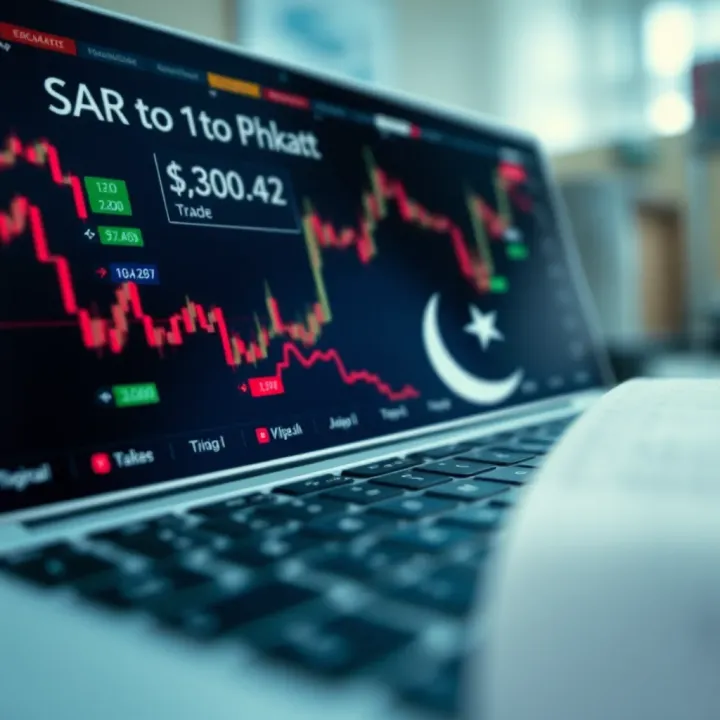
Remittances from Pakistanis working in Saudi Arabia form one of the largest components of inward foreign exchange. According to recent State Bank figures, Pakistan receives around $3 billion annually from Gulf countries, with Saudi Arabia accounting for a substantial portion. These remittances provide a steady inflow that supports household consumption, education, and health expenses. The money sent home by workers is exchanged for PKR, directly affecting the exchange rate by increasing supply demand for the rupee.
Remittance inflows help Pakistan maintain healthier foreign exchange reserves, cushioning external shocks such as trade deficits or capital flight. When remittances rise, the State Bank of Pakistan gains added capacity to manage the PKR’s stability, intervening when necessary to smooth out market volatility. Conversely, any dip in remittance flow—say, due to stricter Saudi labour policies—can tighten reserves and increase pressure on the rupee, pushing the SAR to PKR rate upwards.
The close economic relationship between Saudi Arabia and Pakistan, marked by robust trade, active investment, and significant remittances, remains a key determinant of exchange rate stability and economic wellbeing in Pakistan.
This interplay underscores why tracking developments in these areas provides early signals about the SAR to PKR movements and their wider economic effects.
Monetary policies and external factors play a major role in shaping the Saudi Riyal (SAR) to Pakistani Rupee (PKR) exchange rate. For traders, investors, and analysts, understanding these influences clarifies why the rate moves and how Pakistan’s economy reacts. This section breaks down interventions by central banks and global elements affecting the currency dynamics.
The State Bank of Pakistan (SBP) frequently steps in to stabilise the PKR when sharp swings threaten economic stability. Currency stabilisation measures include market operations to support the rupee, such as buying or selling foreign currency reserves to maintain liquidity and prevent excessive depreciation or appreciation. For example, during periods when PKR faced downward pressure due to external shocks or trade imbalances, SBP’s intervention helped avoid chaotic fluctuations that could disrupt importers and exporters.
Interest rate adjustments by SBP are another key tool to manage exchange rate pressures. By raising policy rates, SBP aims to attract foreign capital or discourage capital flight, strengthening the rupee. Conversely, rate cuts can stimulate economic activity but might weaken the currency if they lead to capital outflows. For instance, higher interest rates in FY 2023-24 were partly intended to contain inflation and support the PKR against the SAR and US dollar.
The Saudi Arabian Monetary Authority (SAMA) keeps the Riyal firmly pegged to the US dollar. This fixed exchange rate system means that the SAR’s value remains stable against the dollar, limiting direct volatility. For Pakistan, this peg means fluctuations mainly stem from PKR’s movement against the US dollar, not the Riyal itself. This stability makes SAR a relatively predictable currency for trade and remittance planning.
Saudi Arabia’s fiscal policy outlook also influences SAR-PKR dynamics. The kingdom has been managing its oil revenues carefully amid fluctuating crude prices, adjusting spending or subsidies accordingly. Such fiscal prudence supports Riyal stability, but any large-scale Saudi spending or cuts affect oil markets and have knock-on effects on Saudi-Pak trade balance and remittances.
The strength of the US dollar is a major external factor impacting the SAR-PKR exchange rate. When the dollar gains against other currencies, PKR generally weakens because it is not pegged and tends to reflect market sentiment and economic fundamentals. For instance, dollar appreciation in the past year has pressured PKR, increasing the SAR to PKR rate even though Riyal remains stable against the dollar.
Oil market volatility also plays a direct role since Saudi Arabia is a major oil exporter and Pakistan a significant oil importer. Sharp oil price rises increase Pakistan’s import bill, straining the current account and pressuring PKR. For example, spikes in Brent crude prices can lead to higher SAR demand for oil payments, pushing up the SAR-PKR exchange rate. Conversely, a dip in oil prices might ease these pressures, benefiting Pakistan’s trade balance.
Traders and analysts should closely watch SBP policies, Saudi fiscal moves, dollar trends, and oil prices as interlinked factors shaping the SAR to PKR exchange rate. Awareness of these helps anticipate shifts and guides better financial decisions.
SBP’s currency interventions and interest rate changes directly affect PKR resilience.
Riyal’s US dollar peg limits its own volatility but links SAR-PKR shifts to PKR's dollar movement.
Global dollar strength tightens PKR and impacts SAR-PKR exchange rates.
Oil price swings translate to import cost changes, influencing forex demand.
Understanding these layers allows for a clearer grasp of the factors shaping the SAR to PKR rate and its economic impact on Pakistan.
Forecasting the SAR to PKR exchange rate helps traders, investors, and policymakers prepare for financial decisions affecting Pakistan’s economy. Accurately predicting short- and long-term currency shifts can influence import costs, remittance values, and investment flows. For example, a trader importing machinery parts from Saudi Arabia must anticipate currency changes to hedge costs effectively. Similarly, Pakistani exporters to Saudi markets need to understand exchange rate trends to maintain competitiveness.
In the short term, the SAR to PKR rate tends to react to immediate economic events, such as changes in oil prices, political developments, and monetary policy adjustments from both countries. Considering Pakistan's ongoing current account pressures and Saudi Arabia’s fiscal plans, the rupee may experience small fluctuations against the riyal. For instance, if Pakistan’s foreign exchange reserves improve due to rising remittances, PKR could strengthen slightly. These short-term movements directly impact the cost of imports from Saudi Arabia and remittance values received by Pakistani families.
Short-term volatility often arises from factors like unexpected shifts in global oil prices, changes in the US dollar strength (since SAR is pegged to USD), or political announcements affecting trade deals. Additionally, State Bank of Pakistan’s interventions to stabilise the rupee can cause temporary swings. For example, a spike in oil prices tends to increase Pakistan’s import bill, raising demand for SAR and putting pressure on PKR. Traders watching these developments closely can adjust positions to manage currency risk.
Over the longer term, structural economic factors such as Pakistan’s trade balance with Saudi Arabia, evolving remittance patterns, and inflation differentials will shape the SAR to PKR rate. Steady investment inflows from Saudi Arabia or policy reforms improving Pakistan’s fiscal health could gradually stabilise the rupee against the riyal. Conversely, persistent deficits and geopolitical risks might weaken PKR over this period. Understanding these trajectories assists investors and businesses in planning contracts, budgets, and investment horizons.
Political stability in Pakistan and Saudi Arabia directly affects exchange rate dynamics. For example, enhanced bilateral agreements or Saudi Arabia’s Vision 2030 investments in Pakistan can strengthen economic ties and support the rupee. Conversely, regional tensions or domestic fiscal crises could cause depreciation. On the economic front, the impact of global commodity prices, especially oil, remains significant. Positioning strategies with these scenarios in mind enables stakeholders to mitigate risks linked to exchange rate uncertainty.
Forecasting exchange rates is not exact but understanding drivers and trends helps manage financial exposure and plan accordingly.
Oil price trends
SBP monetary policies
Remittance flows from Saudi Arabia
Political developments impacting trade
By tracking these elements, traders and investors can better navigate the SAR to PKR exchange rate fluctuations in both the short and long term.
Fluctuations in the Saudi Riyal (SAR) to Pakistani Rupee (PKR) exchange rate have direct and indirect effects on Pakistan’s economy. Given the strong economic ties between both countries, especially through trade and remittances, changes in this rate influence costs, revenues, and economic stability. Understanding these implications helps traders, investors, and policymakers manage risks and plan strategies. Now, let's look at specific areas where exchange rate movements matter the most.
When the SAR strengthens against the PKR, the cost of importing goods from Saudi Arabia rises for Pakistani businesses. This includes key commodities like petroleum products, chemicals, and machinery. For example, if the SAR rises from Rs 47 to Rs 50, the import bill for Saudi crude oil increases, squeezing profit margins for refineries and pushing up petrol prices at the pump.
Conversely, if the PKR gains strength, importers face lower costs, which can ease inflationary pressure on energy and industrial input prices. Traders must watch these daily rate shifts, as even small movements can lead to significant cost differences over large shipments.
A stronger SAR relative to the PKR may make Pakistani exports less competitive in Saudi markets if prices in SAR terms increase. Pakistani exporters face pressure to either cut margins or raise prices, which might reduce demand.
However, since Saudi Arabia is not a major destination for Pakistani exports compared to countries like the USA or UAE, the impact is somewhat limited. Still, exporters dealing with goods like textiles that have Saudi buyers need to account for exchange rate swings to price their products effectively.
Pakistan receives substantial remittances from workers based in Saudi Arabia. When SAR strengthens, Pakistani families receive more rupees for the same amount of SAR sent home, bolstering household incomes and spending power.
For instance, a monthly remittance of SAR 1,000 converts to Rs 47,000 at 47 PKR/SAR, but Rs 50,000 at 50 PKR/SAR. These extra rupees often support daily expenses, education fees, and small business investments, making exchange rate movements directly felt across many mohallas in Karachi, Lahore, and beyond.
Since many imported goods and raw materials come indirectly via Saudi-linked supply chains, a weaker PKR against SAR can push up prices of essential items like cooking oil, sugar, and pharmaceuticals.
Retailers often face inventory cost changes that trickle down to consumers. For example, sudden rate changes can lead to short-term rises in supermarket prices or increase costs for dhaba owners buying packaged supplies. Business owners and consumers alike must adapt to such volatility.
A depreciating PKR versus SAR means Pakistan needs more rupees to buy the same amount of SAR, impacting the country’s foreign exchange reserves. This can add pressure on the State Bank of Pakistan (SBP), especially when maintaining reserve levels is crucial to defending the currency and ensuring import affordability.
If reserves decline significantly, it may limit SBP’s ability to intervene effectively in currency markets, potentially exacerbating exchange rate swings and financial uncertainty.
Exchange rate shifts that raise import costs feed into overall price inflation, pushing the Consumer Price Index (CPI) upwards. In response, the SBP may adjust interest rates to control inflation, which affects borrowing costs across Pakistan.
Higher interest rates can slow economic growth but help stabilise prices. Policymakers watch SAR to PKR trends carefully, particularly given Saudi Arabia’s role as a major oil supplier; price shocks here can compel tighter monetary policies to protect the economy.
The SAR to PKR exchange rate is more than a number—it affects daily lives, commerce, and the broader economy. Staying informed can help stakeholders navigate these changes with better foresight.
Understanding these implications gives you the tools to anticipate challenges and opportunities amid exchange rate movements between Saudi Riyal and Pakistani Rupee.
📉 Get a detailed forecast of USD to PKR over the next 3 months, covering economic data, policies, and expert views to guide your currency decisions. 💼

Explore how AUD to PKR exchange rates impact your money with current trends, key factors, and forecasts to help businesses & investors plan better 💹💰
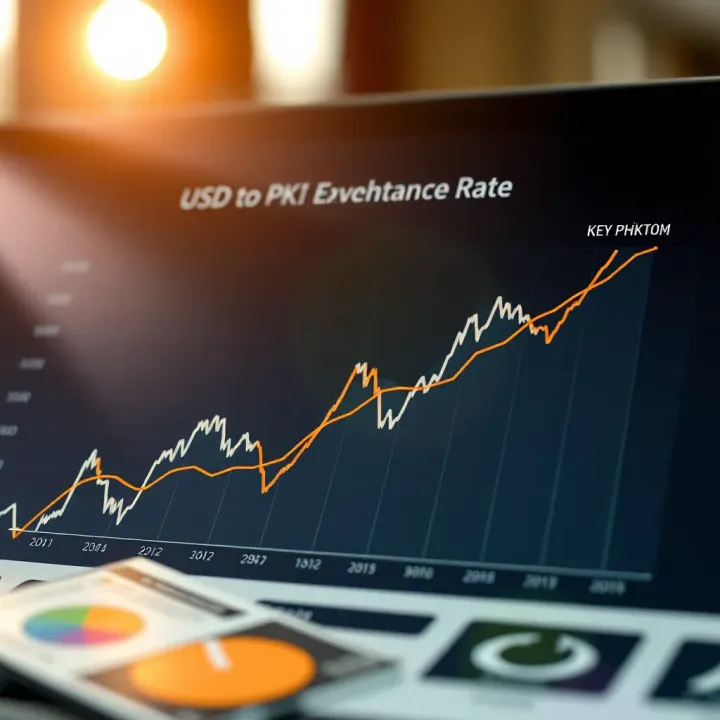
📉 Discover the USD to PKR forecast for the next 30 days with expert insights, recent trends, and key factors affecting exchange rates in Pakistan’s market.
Get up-to-date insights on AED to PKR exchange trends 💱, key currency drivers, recent market changes, and tips for smooth transactions between UAE and Pakistan.
Based on 14 reviews