
Understanding Trading Demo Accounts in Pakistan
📈 New to investing in Pakistan? Learn how trading demo accounts help you practice, understand features, and prepare for real trades safely and smartly!
Edited By
Amelia Foster
Forex trading can be daunting for beginners in Pakistan, especially with real money at stake. A forex trading demo account offers a safe space to practise buying and selling currencies without financial risk. By using virtual funds, traders familiarise themselves with market dynamics, test strategies, and understand platform features before entering the live market.

A demo account mimics the live forex market but uses virtual money instead of real cash. For instance, you might start with Rs 1 million in demo funds to trade USD/PKR or EUR/USD pairs. This simulation lets you experience real-time price movements, spreads, and order execution without the worry of losing actual money.
Risk-Free Learning: New traders can learn to navigate forex platforms, spot trends, and execute trades without risking their savings.
Strategy Testing: Experienced traders can try out new approaches or technical indicators to see what works best under current market conditions.
Familiarity with Volatility: Forex markets can shift quickly; demo accounts help build comfort with price swings, especially around major events like SBP policy announcements.
Using a demo account before moving to a real one helps reduce costly mistakes and builds confidence gradually.
Real-time data feeds similar to live trading
Virtual funds reflecting initial capital
Access to platform tools and charts
Ability to place different order types (market, limit, stop-loss)
Many Pakistani brokers offer demo accounts via platforms such as MetaTrader 4, MetaTrader 5, or proprietary trading software. Signing up usually requires basic details only, sometimes without needing full CNIC verification.
Treat your demo account seriously, set realistic targets and loss limits as if real money is involved. Tracking your performance helps identify strengths and weaknesses ahead of live trading. Remember, switching from demo to live can feel different due to emotional factors; ongoing practice is key.
This guide aims to help you understand demo trading effectively, so you can take calculated steps towards successful forex investing in today’s Pakistani market.
A forex trading demo account acts as a safe playground for traders to practise buying and selling currency pairs without risking real money. For Pakistani traders, especially beginners, this virtual environment offers a valuable chance to familiarise themselves with the forex market's mechanics before committing funds.
A demo account replicates the live forex market, allowing you to place trades using virtual money while accessing real-time market data. This simulation helps you understand price movements, spreads, and trading hours just like you would when using a live account. For example, if you trade USD/PKR pairs in a demo account during market hours, you'll experience conditions similar to a real trading session.
For anyone new to forex trading in Pakistan, a demo account serves as an ideal learning platform. It removes the fear of financial loss and lets you explore essential concepts like leverage, margin, and order types in practice. A student of forex can try out different trade sizes or experiment with indicators without worrying about burning through their savings.
Experienced traders also rely on demo accounts to test new or refined trading strategies under varying market conditions safely. Suppose you want to try a breakout strategy on EUR/USD; the demo account lets you evaluate its effectiveness before applying it with actual capital. This approach avoids costly mistakes and builds confidence.
The key difference is that demo accounts use virtual funds only. You won’t gain or lose actual money during practice. This eliminates pressure, allowing you to focus on learning and experimentation. However, this can also distort the emotional intensity that live trading demands.
Demo accounts credit you a fixed amount of virtual cash, commonly ranging from $10,000 to $100,000, which you use to open trades. Market data shown is usually real or near real-time but depends on the broker's platform. Pakistani traders should choose brokers offering accurate data feeds to avoid misleading practice scenarios.
While demo accounts mimic many aspects of actual trading, they don't capture all live market nuances. Factors such as slippage, price requotes, and psychological pressure are often missing in demo conditions. For instance, during major news events like the State Bank of Pakistan interest rate announcements, live markets can be volatile—something not perfectly mirrored in a demo environment. Recognising these limits helps traders transition smoothly when moving from demo to live accounts.
Using a demo account wisely means understanding that it’s a tool to practice skills and test ideas, not a full substitute for live trading experience. Treat it as a stepping stone, not a finish line.
A forex trading demo account provides Pakistani traders a safe environment to learn and practice without risking real money. It's especially helpful for beginners who want to build confidence and understand market behaviour before stepping into live trading. Moreover, even experienced traders use demo accounts to test new strategies or familiarise themselves with different trading platforms.
Building confidence
For new traders in Pakistan, jumping straight into live forex trading can be daunting. A demo account eliminates the fear of losing precious capital while learning. By practising with virtual funds, traders can experience market fluctuations and order placements without pressure. This way, they develop confidence in their decisions, which is essential when dealing with real money.
Understanding market movements
Currency markets often move unpredictably, influenced by global events like changes in the US Federal Reserve rates or Pakistan’s economic data releases. Demo trading allows users to observe these movements in real-time, recognising patterns and reactions. This hands-on learning helps traders understand how news affects currency pairs like USD/PKR or EUR/USD without financial risk.
Evaluating entry and exit points
Using a demo account, traders can experiment with when to enter or exit trades. For instance, they can try various technical indicators such as moving averages or RSI (Relative Strength Index) to see which confirm profitable trade setups in the Pakistani market context. This trial avoids costly mistakes before applying any approach to live trading.
Adjusting methods based on outcomes
If a strategy doesn’t perform well in the demo environment, traders can tweak it — maybe changing stop-loss levels or position sizes — without losing real money. This iterative process builds a better, customised trading plan suited to the trader’s risk tolerance and market understanding, which is crucial before risking actual capital.
Navigating tools and features
Forex platforms, like MetaTrader 4, MetaTrader 5, or broker-specific software, come with various tools: charting features, technical indicators, economic calendars, and news feeds. Demo accounts let Pakistani traders explore these tools in detail, learning how to customise interfaces and use analysis options efficiently before live trading.
Order types and execution processes
Understanding how to place different orders — market, limit, stop-loss, or take-profit — is essential for effective trading. Demo trading shows exactly how these orders execute in the platform, helping avoid common blunders like wrong order types or misplacing stops. This hands-on practice reduces costly errors in live forex trading.
Using a demo account is the best way to get comfortable with forex trading’s complexities. It not only builds skill but also protects your capital from avoidable mistakes early on.
Make the most of your demo account by treating it as seriously as live trading. This attitude will prepare you well for the realities of Pakistan’s forex market.
Opening a forex trading demo account in Pakistan is your practical first step towards understanding currency trading without risking actual money. Demo accounts let you test the waters, giving a feel of live trading while you learn the ropes. Local traders find these accounts particularly useful to get accustomed to market behaviours and trading platforms familiar in Pakistan’s financial ecosystem.
When selecting a broker, you have the option of local firms or international ones. Local brokers, such as those based in Karachi or Lahore, often provide quick customer support in Urdu or English and understand Pakistan’s regulatory nuances. On the other hand, international brokers might offer more advanced platforms, diverse currency pairs, and different account types, but their customer service response times can vary due to time zone differences.
Evaluating factors like regulation, trading platform, and customer support is essential. Pakistani traders should prefer brokers regulated by recognised bodies — the Securities and Exchange Commission of Pakistan (SECP) for local brokers or reputable international regulators like FCA or CySEC for foreign brokers. The platform should be user-friendly and support mobile and desktop access; MetaTrader 4 or 5 are common choices. Also, responsive support ensures timely assistance, especially when troubleshooting in the fast-moving forex markets.
The signup process is usually straightforward. Most brokers require basic personal details like name, email, phone number, and CNIC (Computerised National Identity Card) for Pakistanis—to comply with local regulations. Unlike live accounts, demo accounts often don’t demand verification documents such as utility bills or proof of income. This simplicity speeds up access.
Once registered, you can download the broker’s trading software or access it via a web browser. Mobile apps are popular among young traders who prefer practising on smartphones. It’s smart to explore the software’s tools and settings first, so you’re comfortable placing trades and analysing charts when you start.
With your demo account active, you can place trades using virtual funds provided by the broker. Practising order types — market orders, limit orders, stop-loss orders — teaches how to execute trades effectively. Managing positions by watching open trades and adjusting stop losses or taking profits helps build practical skills.
Tracking your trade results is key to improvement. Most platforms offer a performance summary or trade history. Maintain a simple trading journal noting reasons for entering or exiting trades, outcomes, and lessons learned. This habit sharpens your decision-making and prepares you mentally for the real forex market.
Demo accounts are more than practice tools; they are the training grounds where you build discipline and confidence before risking real rupees in the dynamic world of forex trading.
Taking these steps seriously makes the leap to live trading smoother and more informed, especially considering the challenges faced by Pakistani traders, such as fluctuating currency rates and occasional loadshedding affecting internet reliability.
Using a forex trading demo account is definitely a smart step for Pakistani traders to get their feet wet without risking actual money. However, it's important to understand the clear limitations and common misunderstandings about demo accounts. They can't fully replicate the live trading experience, especially the emotional and execution nuances. Knowing these differences helps in setting realistic expectations and prepares you better when moving to real trading.
Demo accounts operate without the pressure of risking your own cash. This absence dramatically changes the way you react to gains or losses. For example, a loss of Rs 5,000 on a demo account might feel like a minor setback, but in a live account, that same loss can trigger real stress or fear, affecting your decision-making. This emotional detachment can make demo trading seem easier than it really is.
Many Pakistani traders find themselves unprepared for the psychological challenges that come with live trading despite practising extensively on demo accounts. That emotional pressure can lead to impulsive decisions, like overtrading when you’re feeling confident or exiting trades too early under tension.
Demo accounts often execute orders instantly at the displayed price, creating a smooth trading illusion. In real markets, however, slippage occurs—where your trade might not execute exactly at the price you requested, especially during high volatility or economic announcements affecting the Pakistani rupee or global currencies.
For instance, if news about Pakistan’s interest rate changes hits, price swings can be abrupt, causing delays or price differences in order execution. This can affect your strategy's effectiveness because your trade entry or exit might differ from demo conditions, impacting your realised profits or losses.
Trading with real money triggers emotions like fear, greed, and excitement, which are mostly absent in demo trading. These feelings often cause traders to deviate from their strategies. A common mistake is increasing trade size in live markets hoping to recover losses quickly—something that rarely happens in demo practise.
A Pakistani trader might feel confident managing trades calmly on a demo account but panic under live conditions. This mindset shift can lead to poor risk management, which is why psychological readiness is as critical as technical skills in forex trading.
Markets move fast and unpredictably, especially in economies prone to sudden events like political instability or fluctuating oil prices, which heavily influence Pakistan’s currency pairs. Demo accounts may not fully simulate these sudden spikes or drops.
Real money stakes add a layer of responsibility and pressure. Even if your demo trades posted good returns, live trading requires adapting to unexpected moves while protecting your capital. This means practising caution during volatile news releases or economic shifts that impact currency values.
Remember, demo accounts are valuable learning tools, but treating them as an exact mirror of live trading risks disappointment. Treat your demo results as preparation, not prediction, and adjust your strategy accordingly when going live.
Understanding these limitations helps Pakistani traders avoid overconfidence from demo success and prepares them psychologically and practically to manage real market challenges effectively.
Using a forex demo account effectively requires more than just clicking through trades. It demands discipline and a plan that mirrors real trading routines. This section outlines practical steps Pakistani traders can take to sharpen their skills and prepare thoroughly before entering the live forex market.
Simulate real trading conditions: Treating the demo environment as if it involves real money makes a big difference. For example, if you're usually available to trade for a couple of hours in the evening, practice trading during the same time on the demo account. This builds a routine and helps you understand how your strategies perform at different market hours, especially keeping in mind forex market overlaps and timings relevant to Pakistan Standard Time (PKT).
Set goals and deadlines: Setting specific targets like achieving a certain percentage gain in your demo account over one month or successfully practising a particular strategy helps focus your practice. Without clear goals, you may waste time aimlessly clicking trades. For instance, decide to practise breakout trades or scalp positions for two weeks, then review your results. Deadlines create urgency and keep you disciplined.
Maintain a trading journal: Jotting down each trade’s details—entry and exit points, trade size, reasons for taking the trade, and your feelings at the time—builds self-awareness. This habit helps spot if emotional decisions creep into your trading. Many Pakistani traders overlook this step, yet it’s crucial. A simple Excel sheet or notebook can serve well.
Identify strengths and weaknesses: Regularly reviewing your journal lets you see what’s working and what’s not. Maybe you notice that trades taken during high volatility sessions yield better results or that certain currency pairs like USD/PKR or EUR/USD suit your style. Alternatively, you may find that overtrading or impulsive exits cause losses. Pinpointing these lets you adjust permanently before risking real money.
Start small with real funds: When moving to a live account, begin with a modest amount you’re comfortable losing. Even if you feel ready, allocating Rs 5,000 or Rs 10,000 initially keeps risk manageable. Live trading introduces emotional pressure absent in demo accounts. This step helps ease you in without jumping into large positions.
Apply lessons learned cautiously: Avoid the temptation to copy all demo strategies blindly. Market conditions change, and emotions affect decisions differently with real stakes. Use the successful strategies from your demo experience but modify trade sizes and set tighter stop-losses until you get comfortable. Slow, steady steps ensure you don't burn through your deposit quickly.
Practising on a demo account works best when you treat it like the real deal. Discipline, honest self-review, and cautious progression build the foundation for long-term success in forex trading.
Taking these tips seriously helps Pakistani traders build confidence, understand market rhythms, and most importantly, protect their capital when shifting to live trading.
📈 New to investing in Pakistan? Learn how trading demo accounts help you practice, understand features, and prepare for real trades safely and smartly!
Explore practical tips and key insights on forex trading in Pakistan 🇵🇰. Understand strategies, risks, and regulations to trade confidently in 4x markets 💹.
📈 Learn the essentials of forex trading in Pakistan 🇵🇰 with this guide covering market basics, strategies, risk management, and regulator tips for beginners.
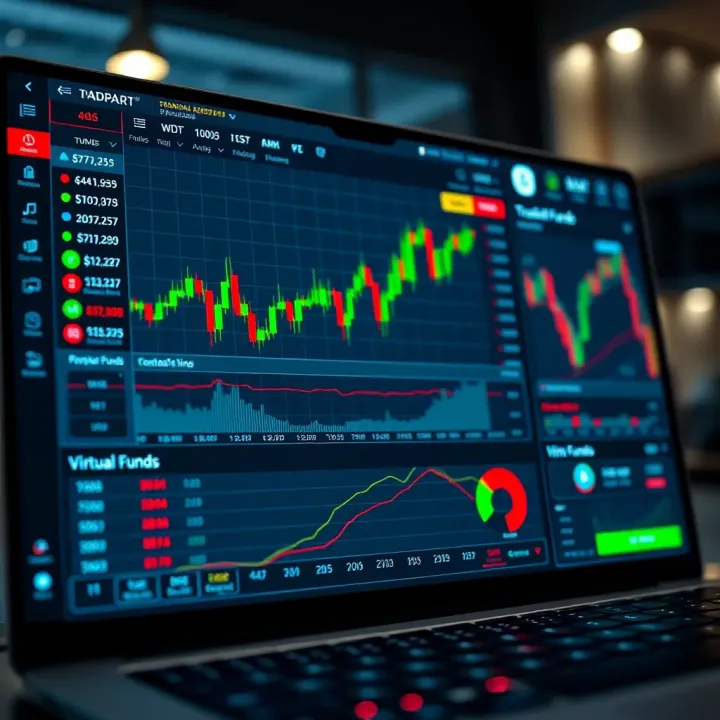
📊 Discover how trading demo accounts help both beginners and pros practice, explore key features, and gain confidence before going live in markets.
Based on 12 reviews