
Understanding Forex Trading: A Guide for Pakistani Traders
Explore practical tips and key insights on forex trading in Pakistan 🇵🇰. Understand strategies, risks, and regulations to trade confidently in 4x markets 💹.
Edited By
Ethan Wright
Forex trading in Pakistan has gained significant attention over the past few years. Many people are drawn to the idea of making money by exchanging currencies, but it can quickly become overwhelming without a clear understanding of how the market works and what risks are involved. This guide aims to break down the essentials of forex trading specifically for Pakistani traders, addressing unique local challenges and opportunities.
You’ll find practical advice on everything from the basics of the forex market and how to choose a broker, to effective trading strategies, risk management techniques, and compliance with Pakistan's regulatory framework. The goal is to equip beginners and even experienced traders with actionable insights that make the complex world of forex trading more approachable and less daunting.
Whether you're someone looking to supplement your income or a financial professional seeking new opportunities, understanding how forex trading operates in Pakistan's market environment is key. We’ll also touch on common pitfalls to avoid and share examples tailored to the Pakistani financial context.
Remember: Forex trading isn’t a get-rich-quick scheme. Treat it like any other serious investment—grounded in knowledge, discipline, and patience. This guide will help you build a solid foundation before diving in.
By the end of this article, you'll have a clear roadmap for getting started and progressing confidently in forex trading within Pakistan’s unique economic setting.
Grasping the ins and outs of the forex market is the foundation for anyone interested in trading currencies in Pakistan. Without a solid understanding, it’s easy to get lost or make costly mistakes. This section lays out the basics clearly, helping you see how the market works and why it matters — especially when dealing with pairs like USD/PKR, which are close to the heart for Pakistani traders. Knowing the market's rhythm can save you from diving headfirst into trades without seeing the bigger picture.
Forex trading, often called FX trading, is simply the act of buying one currency and selling another simultaneously. Think of it as swapping money — but instead of your usual currency exchange when traveling, traders aim to make a profit based on the fluctuation in exchange rates. For example, if a Pakistani trader believes the US dollar will strengthen against the Pakistani rupee, they might buy USD/PKR with the hope to sell later at a better rate.
The practical relevance here is simple: forex trading lets you tap into the world’s largest financial market, with daily volumes in trillions of dollars. This means opportunities are constantly popping up, but it also comes with risks due to fast-moving prices. Understanding this basic definition is your first step to trading wisely.
Currencies don’t trade on a centralized exchange like stocks; instead, forex trades happen over-the-counter (OTC) through a vast network of banks, brokerages, and electronic platforms operating 24 hours a day across different time zones. This continuous action means that no matter when you check, someone somewhere might be trading.
This round-the-clock trading benefits Pakistani traders by providing flexibility in timing. For example, while the Pakistan Stock Exchange is closed, forex markets are open in London or New York. The global nature also means prices are influenced by a wide range of factors including political news, economic reports, and international events. Understanding this connection clarifies why sudden moves in USD/PKR or EUR/USD can happen out of the blue.
In forex, some currency pairs are more popular globally while others hold particular importance in Pakistan. The USD/PKR pair, for example, is a major concern for Pakistan’s importers, exporters, and traders as it directly affects the cost of goods and economic stability.
EUR/USD is the most traded pair in the world, representing the Eurozone and US economies. This pair often sets the tone for global forex markets and is favored for its liquidity and tight spreads.
Focusing on popular pairs helps Pakistani traders concentrate on markets with solid volume and reliable data, making analysis and execution more manageable.
Currencies don’t just change by chance; their values are influenced by several key factors:
Economic indicators: GDP growth, employment rates, inflation, and interest rate decisions can shift a currency’s strength.
Political stability: Elections, government policies, or geopolitical issues can cause uncertainty and price swings.
Market sentiment: Traders’ feelings and predictions about the market’s direction often create rapid price shifts.
For instance, if Pakistan’s central bank hints at raising interest rates, the PKR might strengthen as it attracts foreign investment. On the flip side, political unrest can weaken the currency. Being aware of these factors aids in predicting possible moves and managing risk effectively.
Remember, forex trading isn’t just about numbers; it’s about understanding the complex dance between nations, their economies, and the traders worldwide who react to every beat.
By mastering how the forex market works, what drives currency pairs, and the specific context of pairs like USD/PKR and EUR/USD, Pakistani traders build a strong footing for successful trading decisions.
Understanding key concepts like bid, ask, spread, leverage, margin, pips, and lots is essential for anyone stepping into forex trading in Pakistan. These elements form the foundation of how the forex market operates and directly influence your trading decisions and outcomes. Grasping these ideas helps traders evaluate costs, risks, and potential profits more clearly, thereby avoiding common pitfalls.
The bid price is what buyers are willing to pay for a currency, while the ask price is what sellers want to receive. For example, if USD/PKR has a bid of 285.50 and an ask of 285.60, it means buyers want to buy USD at 285.50 PKR, and sellers want to sell at 285.60 PKR. This tiny gap between the two—called the spread—is essentially the broker's fee.
Keeping an eye on the bid and ask prices helps traders time their entries and exits better, especially for short-term trades.
The spread affects your trading costs because you need the market to move in your favor by at least the spread amount to start making a profit. For instance, with a spread of 10 pips on USD/PKR, your position needs to gain more than those 10 pips to cover the cost. Brokers offering narrower spreads, like XM or IG Markets, often appeal to traders looking for tighter cost control.
Leverage lets you control a bigger trade size with a smaller amount of your own money. Suppose your broker offers 1:100 leverage, you can manage $10,000 worth of currency with just $100 deposited. This might sound like a sweet deal, but it doubles the stakes.
Margin trading means you’re essentially borrowing money from the broker to increase your buying power. If the market moves against you, losses multiply just like profits could. It's common for new traders to jump in using high leverage and get wiped out fast.
Before using leverage, think of it like a double-edged sword: it can boost your earnings but also accelerate losses. Setting realistic limits, like using no more than 10:1 leverage initially, often helps keep risks manageable.
A pip is the smallest move a currency pair makes—it typically represents 0.0001 for most pairs, but for USD/JPY, it’s 0.01 due to how the yen is quoted. If USD/PKR moves from 285.50 to 285.60, that change of 10 in the last decimal place equals 10 pips.
Understanding pip value is crucial because it directly affects your profit or loss. For example, for a mini lot of 10,000 units, 1 pip might be worth around $1; with a standard lot of 100,000 units, it could be $10.
Lot sizes determine how many currency units you're trading. Standard lots are 100,000 units, mini lots are 10,000 units, and micro lots are 1,000 units. Smaller lots let you trade with less capital and manage risk better, which is very useful when you're just getting started or trading volatile pairs like USD/PKR.
Remember, properly understanding and using pips and lots will make a huge difference in how you calculate gains or losses and adjust your trade sizes smartly.
These foundational terms are the nuts and bolts of forex trading that will serve you well moving forward. Familiarity with these concepts helps build confidence and decision-making skills in Pakistan’s forex environment, where currency movements can be quick and sizeable.
Knowing some tried-and-true trading strategies can make a big difference in the forex market, especially in Pakistan where market conditions might be a bit tricky due to currency fluctuations and geopolitical factors. These strategies help traders navigate through the noise, avoid knee-jerk reactions, and make smarter moves with their money. We'll cover the main approaches traders use and why each one matters.
Using charts and indicators: Technical analysis is all about reading the market's mood through price charts and technical indicators. Think of it like reading tea leaves but with numbers and lines. Traders in Pakistan often look at charts to spot signals before jumping in or out of trades. Common tools include moving averages, RSI (Relative Strength Index), and MACD (Moving Average Convergence Divergence). For example, if the USD/PKR pair shows a strong upward trend on a moving average, a trader might take that as a sign to buy.
Identifying trends and patterns: Pattern spotting is an essential skill here. Whether it's a head and shoulders pattern suggesting a reversal or a flag pattern signaling a pause before the market continues its move, these visuals can guide decisions. Spotting these helps prevent going against the crowd or catching the trend early—both can mean the difference between profit and loss. In Pakistan’s volatile environment, catching a trend early could save you from nasty surprises.
Economic indicators and news impact: How the Pakistan Stock Exchange performs, inflation stats, or the State Bank's interest rate decisions all send ripples through the forex market. Traders pay close attention to GDP growth numbers, inflation reports, and unemployment figures, both locally and globally, as currencies react quickly to any good or bad news. For example, when Pakistan’s inflation rate spikes, the PKR often weakens, so traders watch these reports to adjust their positions accordingly.
Assessing political and economic factors: Political events like elections, policy changes, or unexpected government announcements can shake forex pairs sharply. It’s not just luck—understanding how these events affect investor confidence helps traders anticipate moves. For instance, during times of political uncertainty, you might notice the PKR dipping because investors get nervous and pull back.
Keeping an eye on the bigger picture outside charts keeps you from blindsiding yourself with unexpected news.
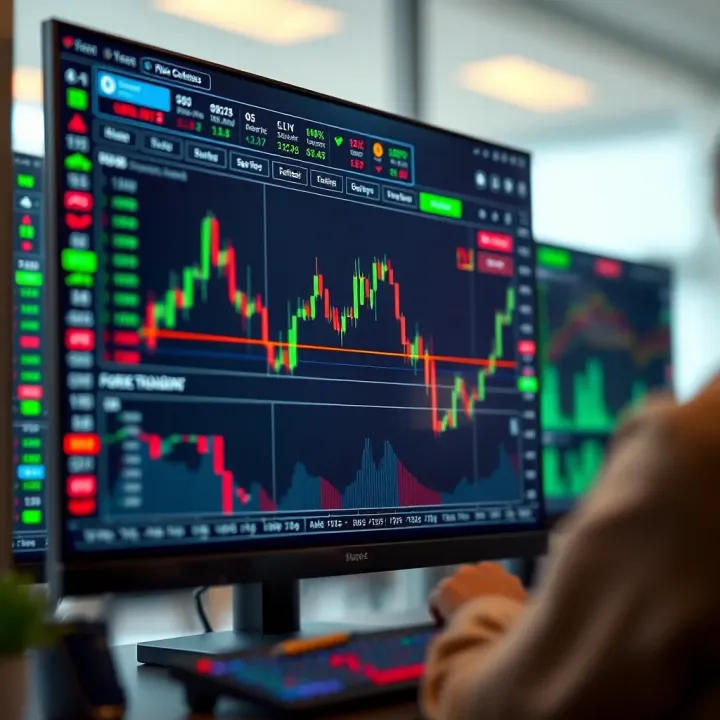
Setting stop-loss and take-profit levels: Managing your risks is like setting boundaries so you don’t lose sleep over trades. Stop-loss orders automatically close your trade if things go south beyond a certain point, saving you from bleeding capital. Take-profit orders do the opposite—they lock in profits once your target price hits. For example, if you buy EUR/USD expecting it to rise, set a stop-loss just below your entry price to minimize losses if the market flips.
Diversifying trades: Don’t put all your eggs in one basket, folks. Spreading your investments across different currency pairs or trade types reduces the risk if one pair suddenly drops. In Pakistan’s forex scene, a trader might mix trades in USD/PKR, EUR/USD, and even USD/JPY to balance the risk. This way, when one pair is shaky due to local developments, others might stay stable or even gain.
Overall, these strategies are not just academic—they're practical tools you can put into place from day one. The key is understanding them well and adapting to the market conditions around you.
Picking the right forex broker is like choosing a trustworthy guide when exploring a new city—it can make the whole experience smoother or turn into a nightmare. For Pakistani traders, this step isn't just about fancy platforms or flashy ads. It’s about playing it safe, keeping your money secure, and having the tools you need to trade effectively.
In Pakistan, the Securities and Exchange Commission of Pakistan (SECP) acts as the watchdog for financial activities, including forex trading. While the SECP doesn’t license all forex brokers, it imposes a framework to protect traders from scams and malpractice. For instance, brokers complying with SECP guidelines tend to have transparent operations and clear communication channels.
Outside Pakistan, many brokers are regulated by international bodies like the Financial Conduct Authority (FCA) in the UK or the Cyprus Securities and Exchange Commission (CySEC). Pakistani traders often look for brokers with such regulation because they bring an extra layer of trustworthiness and accountability.
To put it simply: working with a broker regulated by a reputable authority reduces the risk of fraud and ensures there’s an official body you can turn to if problems arise.
Reliability is more than just a buzzword—it's about how consistently and securely a broker operates. Imagine your trading platform crashing right as the PKR/USD pair hits a major move. A reliable broker minimizes downtime, provides quick and fair execution without fake spreads or requotes, and ensures your funds are safe.
Check reviews and feedback from other Pakistani traders to gauge reliability. Customer support quality, withdrawal ease, and historical honesty in transactions paint a clear picture. For example, brokers like XM and IQ Option have gained popularity due to their steady performance and support, which matters a lot in volatile markets.
The platform is your main tool, so it should fit your style and needs. MetaTrader 4 (MT4) and MetaTrader 5 (MT5) remain popular choices for their user-friendly interface, extensive charting tools, and automated trading options. Alternatively, some brokers offer proprietary apps with unique features tailored for beginners.
In Pakistan, where internet connectivity can sometimes be patchy, it's useful to choose brokers with a reliable, lightweight mobile app. This way, you won't miss out on market moves when away from your computer.
Also, think about platform customization—can you easily set alerts, modify charts, or execute trades quickly? Features like one-click trading and a news-feed integration can give you an edge.
Fees often sneak up on traders, eating into profits if you're not careful. Brokers may charge through spreads (the difference between the bid and ask price), commissions per trade, or withdrawal fees. For instance, a broker offering a tight spread but higher withdrawal charges might not be your best pick.
In Pakistan, where forex profits are often modest to start, minimizing costs helps build your account steadily. Compare typical spreads on major pairs like USD/PKR, and watch out for hidden costs in funding and withdrawals.
Remember, cheaper isn’t always better. Sometimes slightly higher fees come with better platform quality or customer support, which pays off in the long run.
Choosing a broker isn't just about ticking boxes; it's about ensuring your money and trades are in good hands, especially in a market like Pakistan's where every rupee counts.
Starting out in forex trading can seem overwhelming, especially in a country like Pakistan where local regulations and market nuances come into play. However, getting the basics right—like opening a trading account, making a solid trading plan, and practicing on demo accounts—can set you on the right path.
To actually trade forex, you first need to open a trading account with a broker. This step is more than just filling in some forms; it’s where you establish your credentials and prepare for real trading.
In Pakistan, brokers typically ask for proof of identity such as a CNIC (Computerized National Identity Card), proof of residence like a utility bill, and sometimes a source of income document. These documents help the broker verify your identity, which is essential to comply with anti-money laundering and regulatory rules. Without these, your application might stall or get rejected, so it's good to have them handy before you start the process.
Broking firms generally offer various account types tailored to different needs. For beginners, a standard account with lower minimum deposits and simple features is usually best. More experienced traders might opt for accounts with higher leverage or lower spreads, such as ECN or VIP accounts. Each account type can affect your costs and flexibility, so think about your budget and trading style before picking one.
A trading plan is like your roadmap; without it, trading can quickly become a shot in the dark.
Before diving in, know what you want to achieve. Are you aiming for steady monthly returns or faster gains? Set clear goals and also decide your risk limits—like how much of your capital you’re willing to lose on any single trade. This approach helps prevent emotional decisions triggered by excitement or fear, keeping your trades disciplined.
Your strategy should match your personality and market understanding. For example, if you can’t stare at charts all day, then scalping (quick in-and-out trades) might be a poor fit, while swing trading (holding positions for days) may work better. Also, consider starting with simple approaches like moving average crossovers before moving to more complex techniques like Fibonacci retracements or Elliott Wave theory.
Before risking your hard-earned money, demo trading lets you get a feel for the market.
Demo accounts mimic real trading conditions but use virtual money. This lets you test your strategies, practice placing orders, and get comfortable with the platform without any financial risk. For instance, using MetaTrader 4’s demo account, you can practice trading USD/PKR or EUR/USD during different market sessions to see how volatility impacts your trades.
Switching from demo to live trading is a step that requires caution. It’s common for traders to feel more stress when real money is on the table, which can lead to panic decisions. To ease this, start with small amounts and keep your planned limits strict. Track your live trades closely and treat each loss as a lesson rather than a failure.
Getting started properly in forex trading is less about rushing into trades and more about laying a strong foundation. From setting up your account to practicing and planning your trades, these early steps help you build confidence and avoid costly mistakes.
Starting forex trading in Pakistan might seem complicated, but breaking it down into manageable steps makes it practical. With the right documents, clear planning, and careful practice, moving into live trading becomes a natural progression rather than a leap into the unknown.
Mistakes can sink even the best-intentioned forex trader. This section highlights avoidable blunders that are a real pitfall, especially for newcomers dabbling in Pakistan’s forex scene. Recognizing these common errors not only saves money but also keeps your trading journey smoother. Knowing what traps to sidestep is just as important as mastering strategies.
Overtrading often leads to burning through your capital faster than you can say "market volatility." When traders jump into too many trades or chase losses emotionally, fees and small losses pile up quickly, chipping away at the account. For instance, if a trader reacts impulsively after a losing streak by opening several trades at once, they increase exposure unnecessarily, risking even more money. The key takeaway? Avoid trading just for the sake of trading and don’t let frustration dictate your moves.
Discipline isn’t just some highfalutin concept; it’s the backbone of trading success. Staying disciplined means sticking to your trading plan, managing risk responsibly, and not letting emotions push you overboard. Traders often hear stories about others winning big, which can spark greed or panic. However, the ones who last are those who take breaks, review their strategies, and accept losses without going berserk. Setting realistic limits, taking scheduled breaks, and journaling your trades can help keep that discipline ironclad.
Ignoring risk management is like walking on a tightrope without a safety net. The results can be disastrous — one bad trade could wipe out weeks or months of gains. Forex trading in Pakistan, with the fluctuating PKR and global currency shifts, means risk is inherently high. If you don’t cut losses early or overleverage your account, you’re basically gambling. Many traders have learned the hard way that neglecting stop-loss orders or risking too much per trade leads to severe financial damage.
Implementing strict risk rules might seem dull, but they save your neck. Rules such as risking no more than 1-2% of your capital per trade, regularly using stop-losses, and diversifying trades allow you to manage losses without panicking. For example, if you have $10,000 in your account, committing only $100-$200 per trade ensures a few bad trades won’t put you out of action. Risk management turns the unpredictable game of forex into a manageable one, helping you stay in the game long-term.
Remember: Trading isn’t about hitting big wins every time; it’s about steady progress while protecting your capital. Avoiding common mistakes and emphasizing discipline and risk control can help you achieve that.
In sum, understanding and steering clear of these typical errors lays a foundation for smarter trading in Pakistan’s forex market. Avoiding overtrading, curbing emotional decisions, and adopting strict risk management rules aren’t just tips—they’re essentials for anyone serious about forex trading.
Before diving headfirst into forex trading, understanding the legal and tax landscape in Pakistan is a must. The market might look inviting, but ignoring these factors can land traders in hot water. Navigating forex regulations and tax duties ensures that your trading stays above board and can save you from hefty penalties down the line. Beyond just compliance, it helps in making informed decisions that keep your profits clean and secure.
Pakistan’s forex market is regulated primarily by the State Bank of Pakistan (SBP) and the Securities and Exchange Commission of Pakistan (SECP). Both bodies aim to ensure transparency and protect traders from fraud. The SBP, in particular, lays down the rules for currency exchanges, keeping an eye on cross-border money flows to maintain economic stability.
One key rule is that trading foreign currency must be done through authorized dealers licensed by the SBP. This means using brokers who comply with Pakistani law. Attempting to trade through unregistered platforms or offshore brokers isn’t just risky; it’s illegal. For example, a trader using an unlicensed broker could suddenly find their funds frozen without legal recourse.
Furthermore, Pakistan has strict controls on the amount and method of currency trading. Restrictions exist to prevent money laundering and currency manipulation that could harm the local economy. Making sure your trading activities align with these controls isn’t just wise, it’s compulsory.
Remember: Always verify your forex broker is SECP or SBP approved before committing funds.
The government puts some guardrails around currency exchange to prevent capital flight and stabilize the Pakistani Rupee. For instance, individuals are allowed to exchange dollars and other foreign currency up to certain limits without needing additional approvals. Going beyond those thresholds typically requires permissions from the SBP.
There’s also a ban on exporting or importing currency through unofficial channels, commonly known as hawala or hundi. Despite its persistence in the informal economy, engaging in such practices is illegal and can result in fines or criminal charges. Staying within formal banking and exchange systems not only keeps you clear of trouble but also provides documented proof of your transactions.
When it comes to taxes, forex trading profits in Pakistan aren't exempt. The Federal Board of Revenue (FBR) treats income from forex trading as taxable. This is important since many traders overlook this point, often leading to complications come tax season.
Traders must declare any income generated from forex trading clearly in their annual tax returns. Whether you trade as a hobby or professionally, profits are taxable under income tax laws. Many traders confuse capital gains taxes with general income taxes, but forex income generally falls under the latter category.
Keeping detailed records of your trades, including dates, profits, losses, and transaction receipts, is essential. Having this financial documentation makes filing easier and protects you if the FBR ever audits your account.
Compliance can be straightforward when you stick to a few basic practices:
Maintain meticulous records of all forex trades
Declare profits as part of your taxable income every year
Use recognized brokers who provide transaction summaries
Consult with a tax expert familiar with forex and Pakistani law
For example, if you earned PKR 500,000 from forex in a tax year, you must add this to your total income and pay according to the applicable tax slabs. Ignoring this can lead to penalties that far outweigh any gains.
Staying on the right side of the law makes your forex trading a sustainable venture, not a gamble with possible legal backlash.
In short, knowing the ins and outs of Pakistan’s legal and tax frameworks keeps your forex activities both profitable and legitimate. Don’t let poor compliance turn a winning strategy into a costly mistake.
Having the right tools and resources makes a world of difference when trading forex, especially in a market as volatile and fast-moving as Pakistan’s. Tools like trading platforms, economic calendars, and reliable news sources are not just nice to have—they're essential. They help you stay on top of market trends, make informed decisions, and manage your trades efficiently.
Choosing the right trading platform can feel like picking a new shop to do business—except in forex, your choice can affect both how quickly you act and how much you pay.
Most traders in Pakistan lean towards MetaTrader 4 (MT4) and MetaTrader 5 (MT5) because of their ease of use, reliability, and extensive toolsets. For more experienced or tech-savvy traders, platforms like cTrader offer enhanced charting options and greater flexibility. Additionally, some brokers provide proprietary platforms tailored to Pakistani traders, offering localized features or better support for PKR pairs.
When deciding on a trading platform, it’s wise to check for a few must-haves:
User-friendly interface: You don’t want to waste time figuring out the software when the market is moving.
Execution speed: Delays can cost money; platforms should process your orders promptly.
Mobile compatibility: Trading on the go is common, so a strong mobile app is a big plus.
Analytical tools: Access to indicators, charts, and technical analysis tools helps spot opportunities.
Security: Look for platforms with strong encryption and regulatory approvals to keep your funds safe.
Forex markets react quickly to economic events and news. Keeping track of these is crucial, especially in Pakistan where political and economic changes can be frequent.
Economic calendars list upcoming events like central bank meetings, inflation reports, or employment data releases. Sticking to a Pakistani-focused economic calendar helps you know when the State Bank of Pakistan makes announcements that could shake currency values. Knowing the timing helps you either hold off trades to avoid volatility or jump in when volatility provides opportunity.
For accurate updates, Pakistani traders often rely on outlets like Dawn Business, The Express Tribune, and international sources like Bloomberg or Reuters. Staying informed about political developments, trade deals, or global economic shifts can prevent nasty surprises and help with fundamental analysis.
"In forex, a minute can make or break a trade. Using solid tools lets you act smart, not just fast."
In short, investing time in mastering these tools provides an edge by making complex information manageable and actionable. Whether you’re a newbie looking to learn or a seasoned trader adjusting tactics, these resources are your daily companions on the trading floor.
Explore practical tips and key insights on forex trading in Pakistan 🇵🇰. Understand strategies, risks, and regulations to trade confidently in 4x markets 💹.
📈 Learn how trading signals guide smarter decisions in Pakistan’s market. Discover sources, reliability checks, and tips to manage risks effectively.
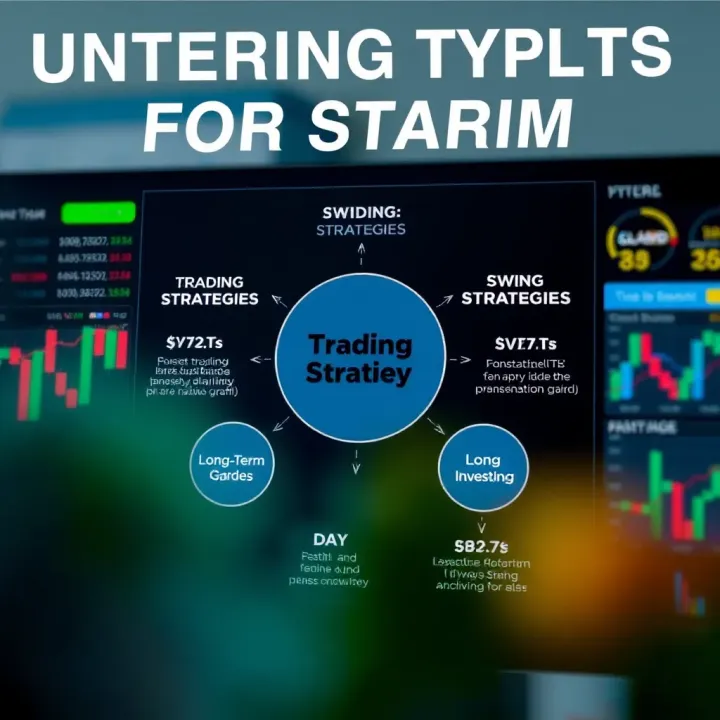
Explore trading basics, types, and strategies tailored for Pakistan. Learn about tools, platforms, risks, and tips to trade smartly and confidently 📈💡
Explore easy steps and smart tips for trading cryptocurrency in Pakistan 🇵🇰. Learn legal rules, key strategies, and how to start confidently in your local market.
Based on 9 reviews