
Gold Trade: Market Trends and Regulations in Pakistan
Explore gold trade dynamics, regulations & market trends including import-export, pricing factors & investment prospects in Pakistan & globally ✨📈💰
Edited By
Isabella Reed
FX gold refers to trading gold as a foreign exchange asset, often quoted in terms of currency pairs like XAU/USD. This form of gold trading combines characteristics of both the commodities market and the forex market, making it a unique instrument for investors and traders alike.
Unlike physical gold, FX gold trading involves the buying and selling of gold contracts or derivatives based on gold prices relative to world currencies, primarily the US dollar. In Pakistan, FX gold trading has gained traction through brokers offering online platforms, allowing participants to speculate or hedge against currency volatility and inflation.
Gold’s price in the FX market is shaped by several factors:
Global economic indicators such as inflation rates, interest rates set by the State Bank of Pakistan (SBP), and US Federal Reserve policy
Geopolitical tensions affecting investor confidence
Currency strength, particularly USD fluctuations, since gold is commonly priced in dollars
Market demand and supply dynamics driven by jewellery, technology, and central bank purchases
Understanding these influences helps Pakistani traders anticipate gold price movements against the rupee and other currencies.
Gold often acts as a safe haven during times of economic uncertainty, especially when currency markets experience turbulence, making FX gold an important diversification tool.
FX gold trading offers advantages like high liquidity and real-time pricing, but it also comes with risks such as market volatility and leverage exposure. Pakistani investors should be aware of regulatory frameworks governing online trading and ensure compliance with Federal Board of Revenue (FBR) reporting requirements.
To sum up, FX gold bridges the commodities and forex markets through gold's distinctive role as a global store of value. This section lays the foundation to understand its pricing, trading methods, and the impact of world events on this asset, essential for informed decision-making in Pakistan's financial environment.
Understanding FX gold is essential for anyone interested in the intersection of precious metals and currency markets. FX gold, essentially gold traded in the foreign exchange market, is not just a commodity but also a unique asset reflecting both the metal’s value and its relationship with different currencies. This makes it significant for investors and traders who want to diversify portfolios or hedge against currency risks.
FX gold represents gold priced and traded in terms of foreign currencies rather than physical bullion exchange alone. Unlike buying physical gold from a jewellery shop or a bank, FX gold trading happens electronically across global forex platforms. It allows traders to speculate on gold price movements without holding physical gold. For example, in Pakistan, retail investors might find it easier to access FX gold through brokers offering gold trading in USD, rather than going through tandoors or local dealers.
In financial markets, gold holds a dual role. It operates as a store of value, especially during economic uncertainty, and as a commodity subject to market demand and supply. FX gold fits into this by reflecting broader economic factors like inflation, interest rates, and geopolitical tensions, which influence both currency strength and gold prices simultaneously.
Gold prices are usually quoted against the US dollar, making the USD central to FX gold dynamics. When the dollar weakens, gold often becomes more expensive in dollar terms, attracting investors seeking stable returns. Conversely, a strong dollar can lower gold's dollar price, reducing its appeal.
This relationship extends to other currencies as well. Take the Pakistani rupee: if the rupee weakens against the dollar, gold priced in rupees typically rises. This connection matters for Pakistani investors because currency fluctuations impact local gold prices more than the global price movements alone.
Understanding how gold and forex markets influence each other helps investors and traders make better decisions. Rather than viewing gold as isolated jewellery or bullion, recognising its position in currency markets provides a clearer picture of risks and opportunities.
In summary, FX gold connects the timeless value of gold with the fast-moving world of foreign exchange, providing a flexible investment avenue that reflects broader economic realities.
Understanding how gold prices are set and the influence of currencies on gold value is vital for anyone trading or investing in FX gold. Gold doesn't float in isolation; its price reflects broader financial markets and currency dynamics. For Pakistani traders and investors, recognising these mechanics can mean the difference between a profitable move and a costly mistake.
Gold prices are primarily determined by global supply and demand, trading in major commodity exchanges like the London Bullion Market and COMEX in New York. However, these prices are quoted in US dollars (USD), making currency relationships central to their ultimate value in local terms. Beyond physical demand, investor sentiment, central bank reserves, and economic data such as inflation rates significantly affect gold prices.
A realistic example: when global inflation fears rise, investors often turn to gold as a safe haven, pushing its price higher. Similarly, when mining output drops unexpectedly—a scenario common with certain supply disruptions—the decreased availability supports price increases. For Pakistani traders, monitoring such factors alongside currency movements helps to anticipate price shifts more effectively.
Gold is globally priced in the US dollar, so fluctuations in the dollar's strength directly affect gold’s value. When the USD strengthens, gold prices often fall since a stronger dollar makes gold more expensive for holders of other currencies, lowering demand. Conversely, a weaker dollar tends to push gold prices up as it becomes cheaper internationally.
For Pakistani investors, this means tracking the USD's performance is just as critical as watching gold prices themselves. For instance, if the dollar index rises sharply, even a steady gold price in dollars might translate to lower value when converted to PKR.
The Pakistani rupee (PKR) plays a significant role in how gold is priced locally. If the PKR weakens against the USD, gold becomes more expensive in Pakistan, regardless of international gold price stability. This explains why gold prices often rise sharply in PKR terms during periods of rupee depreciation.
Consider a typical scenario: the USD/PKR rate moves from Rs 280 to Rs 290, while gold prices in USD stay flat. Pakistani buyers will end up paying more rupees per gram of gold due to the currency impact alone. This dynamic is crucial for traders who need to factor in not only global gold trends but also the volatility of the rupee, especially during political instability or external account pressures.
For Pakistani traders and investors, combining an understanding of global gold pricing with currency analysis—both the USD and PKR movements—provides a clearer picture of actual market value and better trading decisions.
This interconnectedness of gold and currency markets creates both opportunities and risks in FX gold trading.
Trading FX Gold offers various ways to enter the market, each with its own pros and cons. Whether you are a beginner or an experienced trader, understanding these methods helps you make informed decisions and manage risks effectively. This section highlights different trading options and critical factors to weigh before placing trades.
Spot Gold Trading involves buying and selling gold for immediate delivery, typically settled within two business days. This method is common among forex traders because it allows direct exposure to gold prices without delivering physical gold. For example, a trader in Karachi might execute spot gold trades through regulated broker platforms, taking advantage of price movements passing through the day. Spot gold is liquid and offers flexibility but requires close market monitoring due to its price volatility.
Gold Futures and Options give traders the right or obligation to buy or sell gold at a predetermined price on a future date. Futures contracts are standardised agreements traded on exchanges like the COMEX, allowing Pakistani traders to hedge against price changes or speculate on future movements. Options provide more flexibility, as they grant the choice to exercise. However, these instruments require understanding contract specifications and have margin requirements that can be a barrier for small investors.
Gold ETFs and CFDs provide indirect access to gold price fluctuations without owning physical gold. ETFs (Exchange-Traded Funds) hold actual gold or gold-related assets and trade on stock exchanges, making them an easy option for retail investors. CFDs (Contracts for Difference) allow traders to speculate on the gold price movement without owning the asset, often with high leverage. Platforms such as Daraz's partnered brokers or international brokers accessible in Pakistan offer these products. Traders should note that CFDs carry higher risks due to leverage and may attract different tax treatments.
Market Volatility significantly affects FX gold trading since gold prices react strongly to global events, currency changes, and investor sentiment. For instance, political instability or shifts in US Federal Reserve policy can cause sudden price swings. Traders must be prepared to handle rapid movements by using strategies such as stop-loss orders or hedging to limit losses.
Liquidity and Spread determine how easily you can enter or exit trades and the cost of doing so. Spot gold usually offers high liquidity and tighter spreads, making it suitable for active trading. In contrast, some gold ETFs or futures may have wider spreads or lower volumes, impacting trade execution costs, especially in Pakistan's less mature markets.
Regulatory and Tax Implications in Pakistan require attention. The Securities and Exchange Commission of Pakistan (SECP) regulates market intermediaries, but gold trading may involve different rules depending on the instrument. For example, profits from gold ETFs may be subject to capital gains tax, whereas spot gold gains might be treated differently under income tax laws. Traders must ensure compliance with the Federal Board of Revenue (FBR) guidelines and maintain proper records to avoid future challenges.
Understanding these methods and considerations helps traders choose suitable FX gold trading strategies that align with their risk appetite and financial goals. Keeping abreast of market conditions and regulatory updates is essential for success in this dynamic market.
Understanding how economic and geopolitical factors shape FX gold prices is essential for anyone involved in trading or investing in this market. These influences often dictate market sentiment, liquidity, and price direction, especially in volatile times. For traders and investors in Pakistan, where both the rupee and gold prices are sensitive to local and global events, recognising these factors can improve decision-making and timing.
Inflation directly affects gold’s appeal as an investment. When inflation rises, the real value of currencies drops, prompting investors to seek assets like gold, which tend to retain purchasing power over time. For example, when the US Federal Reserve hints at raising interest rates to control inflation, the US dollar usually strengthens, putting downward pressure on gold prices since gold is priced in dollars globally.
On the other hand, loose monetary policies, such as lowering interest rates or increasing money supply, typically encourage gold buying because cheaper borrowing costs and weaker currencies boost demand for the metal. In Pakistan, when the State Bank of Pakistan (SBP) adjusts the policy rate, it affects rupee value and local gold prices. Traders watching SBP’s moves alongside inflation trends get useful signals for FX gold trading.
Periods of geopolitical unrest or crises, like conflicts in the Middle East or trade tensions between major economies, increase uncertainty. Investors then view gold as a safe haven, leading to jumps in gold prices regardless of currency movements. Historical examples include spikes in FX gold prices during events like the Gulf War or recent US-China tariff escalations.
These tensions can weaken risky currencies and strengthen gold’s appeal. For Pakistani investors, understanding these global shifts helps in anticipating gold price spikes during times when the local currency might also face pressure due to capital outflows or economic instability.
Pakistan’s unique economic conditions significantly influence FX gold prices locally. Currency depreciation, import duties on gold, and demand fluctuations all play their part. For instance, rapid rupee devaluation usually raises the rupee price of gold, attracting more local buyers but also causing volatility.
Additionally, Pakistan’s balance of payments and foreign exchange reserves impact the rupee’s stability. Declining reserves tend to weaken the rupee, pushing gold prices higher. Furthermore, the gold import policy and customs duties enforced by the Federal Board of Revenue (FBR) add a layer of complexity that traders must consider.
For Pakistani traders, keeping a close eye on SBP announcements, currency trends, and geopolitical developments is not optional but necessary for savvy FX gold trading.
In summary, economic policies, inflation, global unrest, and Pakistan’s own financial health together shape gold’s movement against currencies. This mix defines both risks and opportunities for those trading FX gold in Pakistan’s markets.
Trading FX Gold offers unique chances to profit, but it also comes with risks specific to this market. Understanding these risks helps you protect your capital and seize opportunities more confidently. In Pakistan’s context, where economic shifts and currency fluctuations are frequent, managing these risks is especially important.
Gold prices can jump or drop quickly, influenced by global events, currency shifts, or changes in demand. For example, sudden announcements from the US Federal Reserve on interest rates often cause sharp moves in gold prices. As a trader, this volatility means potential for profit but also risk of significant losses if the market moves against your position unexpectedly.
Forex trading platforms often allow leverage, meaning you can control a large position with a small amount of capital. While leverage can boost returns, it multiplies losses just as much. For instance, using 100:1 leverage means a 1% drop in gold price can wipe out your entire investment. In Pakistan, traders should keep leverage low and understand margin requirements to avoid margin calls that force position liquidation.
Your trade depends on the reliability of your broker or trading platform. Some platforms may lack proper regulation, increasing the chance of delays, technical glitches, or even fraud. For Pakistani traders, choosing brokers authorised by the Securities and Exchange Commission of Pakistan (SECP) or recognised international firms ensures safer transactions and timely withdrawals.
Hedging means opening a position that offsets potential losses in your gold trades. For example, if you hold physical gold or gold jewellery, you might short sell gold CFDs to cover sudden price drops. This strategy helps balance your exposure and reduce overall risk, especially during uncertain political or economic times in Pakistan.
Never risk too much on a single trade. A common guideline is to risk only 1–2% of your trading capital on any one position. For example, if you have Rs 1 lakh for trading, only risking Rs 1,000-Rs 2,000 per trade keeps your portfolio safe from big hits. This approach also aids emotional control, preventing panic decisions when prices swing.
A stop-loss order automatically closes your position at a predetermined price, limiting losses. For instance, if gold is trading at $1,900 per ounce and you enter a buy trade, setting a stop-loss at $1,880 can protect you from unexpected dips. This tool is essential in volatile markets like FX gold to protect your capital and maintain discipline.
Managing risks in FX gold trading is not about avoiding loss entirely but controlling it wisely to keep opportunities alive. This balance improves long-term results for traders and investors alike.
With these practical approaches, Pakistani traders can navigate the FX gold market more effectively while maximising their chances of success.
Explore gold trade dynamics, regulations & market trends including import-export, pricing factors & investment prospects in Pakistan & globally ✨📈💰
📈 Explore gold price moves (XAU USD) driven by economy, politics & market trends. Tips on forecasting, risks, & trading for Pakistan traders 💰
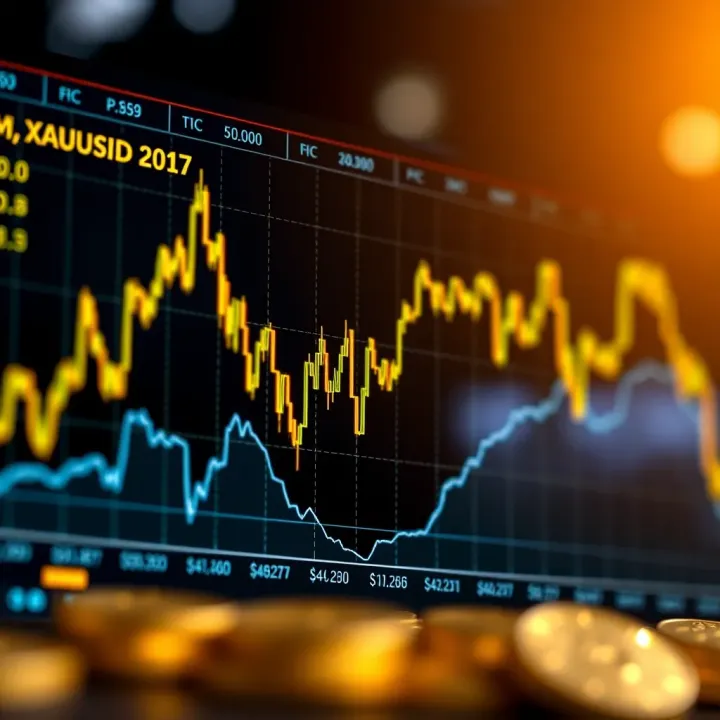
Stay updated on XAUUSD trends 📈, key market drivers, economic indicators, and expert views for smarter gold trading decisions in Pakistan 🇵🇰.
📈 Understand gold rates in Pakistan, factors that affect pricing, market trends, and tips for smart buying. Stay informed to make wise gold investments! 💰
Based on 13 reviews