
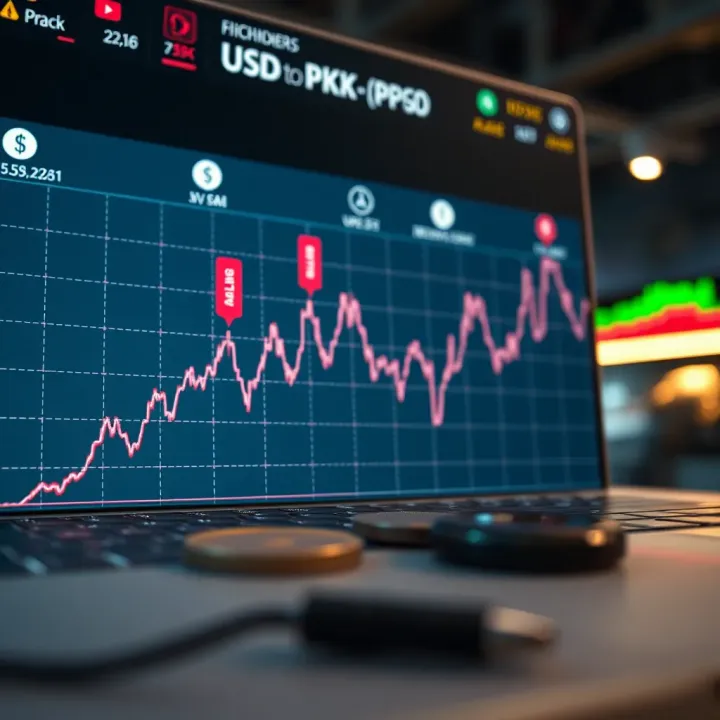
USD to PKR Open Market Trends and Forecast
📉 Get insights on USD to PKR open market trends, recent changes, factors driving moves, and expert forecasts to guide your exchange decisions in Pakistan.
Edited By
Sophia Clarke
The dollar to Pakistani rupee (PKR) exchange rate in the open market holds significant importance for Pakistan's economy. Traders, investors, and businesses closely watch this rate as it directly influences import costs, export earnings, inflation, and overall market confidence. Understanding the recent trends and factors influencing the dollar-PKR rate helps stakeholders make informed decisions.
In recent months, the PKR has faced pressure due to a mix of domestic and international challenges. Rising global oil prices, shifts in US Federal Reserve policy, and Pakistan’s current account deficits have played key roles in shaping the exchange rate. For instance, an increase in the US interest rate tends to strengthen the dollar against emerging market currencies, including the PKR, which affects the cost of imports and foreign debt servicing.
On the domestic front, monetary policy decisions by the State Bank of Pakistan (SBP) have had a strong impact. Adjustments in the policy rate influence market liquidity and demand for foreign currency. The government’s ability to support foreign exchange reserves, along with its fiscal discipline, also plays a role in stabilising the rupee.
Currency movements often react swiftly to political developments and announcements related to economic reforms, so staying updated is essential for anyone involved in currency trading or business planning.
Key factors affecting the dollar to PKR open market rate include:
Monetary policy changes by SBP, impacting inflation and money supply.
International commodity prices, especially oil, which affects Pakistan’s import bill.
Geopolitical events influencing investor confidence and remittance flows.
Balance of payments situation, including exports, imports, and remittances.
Traders and investors should also consider seasonal trends such as increased remittances during Eid, which can temporarily strengthen the PKR. Moreover, sudden shifts in government policy or negotiations with international lenders can trigger volatility.
By analysing these elements, businesses and financial analysts can better forecast the dollar-PKR rate to manage risks and spot opportunities. Staying alert to SBP announcements, global economic indicators, and local economic performance remains vital for navigating currency fluctuations effectively.
Understanding the dollar to Pakistani rupee (PKR) exchange rate in the open market is essential for traders, investors and ordinary consumers alike. This rate reflects real-time currency demand and supply outside the officially regulated channels, making it a key indicator for economic activity and market sentiment. For businesses importing raw materials or exporters pricing their goods, following the open market rate helps in making timely financial decisions. Likewise, individuals sending or receiving remittances keep an eye on these rates to get the best value.
The open market exchange rate often moves independently of the official rates set by the State Bank of Pakistan (SBP). While SBP may fix an indicative rate for interbank transactions, the open market rate reacts openly to immediate market forces like demand, foreign currency inflows, and political events. For example, during periods of economic uncertainty or when forex reserves decline, the open market rate typically shows a higher premium against the rupee compared to the SBP rate.
This discrepancy matters for everyday transactions since currency dealers and money changers in markets like Karachi or Lahore set rates based on supply-demand, which can be quite different from bank rates. This affects pricing directly for small traders and consumers who may not have access to official channels.
Currency dealers and money changers act as the frontline participants in the open market exchange. They source dollars from exporters, foreign investors, and remittance senders, then sell to importers or travellers. Their rates reflect not only the overall economic climate but also their assessment of risk, expected central bank adjustments, and liquidity.
For instance, a dealer in Saddar, Karachi might raise the dollar rate if there are expectations of a state announcement on tax policy or if foreign exchange inflows slow down. These dealers serve as both market makers and barometers of confidence, and their behaviour influences the wider FX ecosystem.
In the last 12 months, the dollar to PKR open market rate has seen significant fluctuations. Starting roughly at Rs 280 in early 2023, it climbed beyond Rs 300 amidst political turmoil and economic pressures. These shifts coincide with global dollar strength and domestic challenges like rising debt servicing costs.
Looking at monthly averages, you can see sharper spikes during fiscal budget announcements or when IMF programme reviews create uncertainty. For traders and businesses, identifying these patterns aids in timing currency purchases or sales to minimise losses.
Political events—such as government changes, election announcements, and policy shifts—directly affect exchange rate expectations. For example, delays in fiscal reforms or stress in relations with major trading partners tend to weaken the PKR, pushing the open market dollar rate higher.
Economic indicators play their part too. Slowing exports, rising inflation, or low foreign direct investment dampens market confidence. This is clear from the rate spikes correlated with low remittance inflows during festive seasons, when demand outstrips supply in the open market.
Tracking these trends doesn't just help to guess the next rate move; it guides practical decisions like when to convert foreign earnings or negotiate contracts priced in dollars.
This overview highlights why staying tuned to open market rates matters — they are often the first signal of economic shifts and directly impact real-world financial choices.
The fluctuations in the dollar to Pakistani rupee (PKR) rate in the open market are shaped by several key factors. Understanding these helps traders, investors, and businesspeople anticipate market movements and plan accordingly. The exchange rate does not move randomly; it responds to policy changes, global shifts, and market behaviour that affect supply and demand directly.
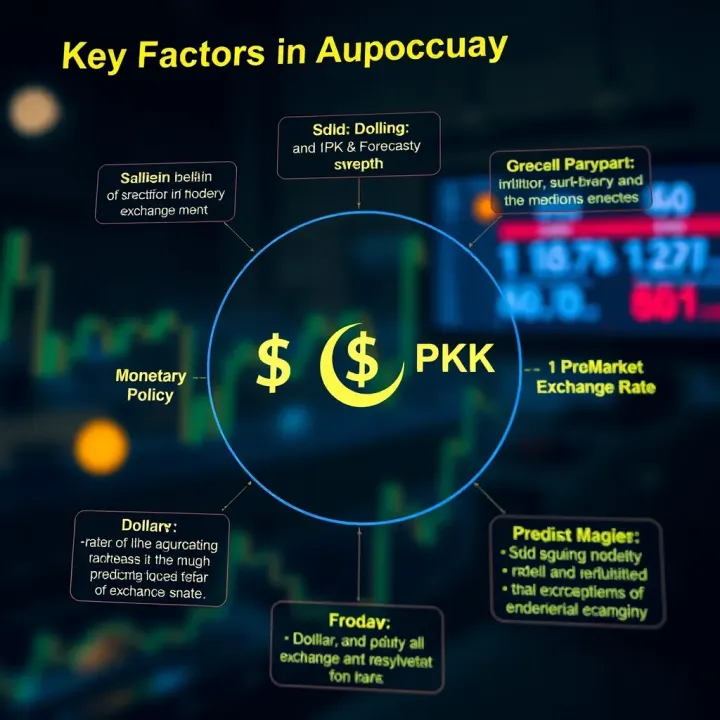
The State Bank of Pakistan's (SBP) decisions on interest rates directly influence the dollar to PKR exchange rate. When SBP raises interest rates, it tends to attract foreign inflows as investors seek higher returns, increasing demand for PKR. Conversely, a rate cut can weaken the currency as investment yields fall. For instance, the SBP's interest hike to tackle inflation in 2023 brought temporary support to the rupee, slowing its depreciation in the open market.
Interest rate adjustments also impact inflation expectations and consumer confidence, indirectly influencing currency demand. Traders watch closely for SBP policy announcements as signals for future movement, making this a critical factor in forecasting.
Large budget deficits financed through borrowing often put pressure on the PKR. When the government issues more debt, especially if funded by the central bank, it can increase inflation and undermine confidence in the currency. In 2022, Pakistan’s rising fiscal deficit raised concerns among investors, contributing to rupee volatility.
An expanding deficit means the government may need to borrow more from abroad, increasing demand for dollars and weakening the PKR. This dynamic links fiscal discipline directly to the exchange rate's stability. Monitoring Pakistan’s budget balance and borrowing plans helps predict potential PKR adjustment.
The US dollar’s global strength largely depends on the Federal Reserve’s (Fed) monetary policy. When the Fed raises interest rates, the dollar usually gains value, as seen in their 2022 tightening cycle. This tends to push emerging market currencies like the PKR down as capital shifts to the US.
Pakistani exchange rates respond to such shifts as dollar appreciation makes imports costlier and foreign debt servicing heavier. If the Fed signals a pause or easing, the PKR may stabilize or even strengthen in response.
Trade policies and geopolitical tensions involving Pakistan affect dollar demand and supply. For example, worsening trade relations or border conflicts can scare investors and reduce foreign direct investment (FDI), limiting dollar inflows. On the other hand, positive developments such as improved diplomatic ties or trade agreements may boost investor confidence.
In 2023, tensions in the region led to cautious market behaviour, impacting the open market rate. Such events create uncertainty, prompting traders to either hoard or offload dollars, influencing local currency value.
Remittances from Pakistanis abroad form a major source of dollar supply. When these inflows remain steady or grow, they support the PKR by increasing available foreign currency. For example, remittances touching over $30 billion in recent years have helped smooth rupee volatility.
Similarly, foreign investment inflows, whether portfolio or direct, increase dollar supply. A decline in these inflows often leads to tightening dollar availability, pushing the PKR down. Monitoring these flows gives a practical sense of exchange rate pressures.
Speculation based on expectations about economic policy, political events, or global cues can cause sudden swings in the dollar to PKR rate. Market sentiment can amplify even minor news, leading to sharp fluctuations.
Traders' psychology and herd behaviour also play a role. If the market believes the PKR will weaken, demand for dollars rises pre-emptively, making that a self-fulfilling prophecy. Awareness of sentiment trends helps in gauging short-term volatility risks.
Exchange rate movements are a complex mix of policy, global events, and market behaviour. Understanding these factors equips you to navigate the dollar to PKR open market more effectively.
Forecasting the dollar to PKR exchange rate in the open market is vital for traders, investors, and businesses alike. It provides them with a lens to anticipate currency movements, enabling smarter decisions in foreign exchange dealings and import-export planning. For instance, if a trader expects the dollar to strengthen against the rupee, they might buy dollars in advance to mitigate future costs. Similarly, importers can time their purchases to avoid sharp price hikes caused by sudden rupee depreciation.
Given Pakistan’s volatile economic environment, forecasting helps stakeholders manage risk effectively. However, it requires factoring in diverse elements such as economic data, political developments, and international influences. Understanding these factors improves the accuracy of predictions, helping to steer clear of costly surprises in the open market.
Economic data releases like inflation rates, trade balances, or State Bank of Pakistan (SBP) monetary policy announcements often trigger immediate shifts in the dollar-PKR rate. For example, if inflation numbers come in higher than expected, markets might anticipate an interest rate hike by SBP, which often bolsters the rupee briefly. On the other hand, disappointing export data can spark worries about foreign currency inflows, putting downward pressure on PKR.
These short-term reactions matter because they create trading opportunities as well as risks. Currency dealers and investors closely watch such data to adjust their positions quickly. For businesses, monitoring economic announcements allows them to plan transactions better or hedge currency exposure during uncertain times.
Political stability directly affects confidence in the Pakistani rupee. Election outcomes, government policy changes, or geopolitical tensions can cause fluctuations. For instance, heightened political uncertainty usually leads to PKR depreciation as investors shift to safer assets. Conversely, clear policy direction or positive diplomatic engagements can strengthen the currency.
In the open market, these shifts can happen swiftly, sometimes within hours, reflecting traders’ sentiment. Businesses and investors therefore benefit from keeping a pulse on political developments. Timely understanding of such events helps avoid costly currency mismatches or allows quick capitalising on favourable movements.
Pakistan’s ongoing International Monetary Fund (IMF) programmes shape medium to long-term currency trends. IMF conditions often include fiscal discipline, reforms, and monetary measures aimed at stabilising the economy. Successful implementation reassures foreign investors and creditors, which tends to support PKR value.
However, delays or failures in meeting IMF benchmarks can unsettle markets, causing the PKR to weaken. For example, missed targets in reducing the fiscal deficit typically spark depreciation due to fears of increased borrowing or inflation. Investors and businesses should watch loan tranche disbursements and reform progress as useful indicators for the rupee outlook.
Long-term predictions also depend on Pakistan’s structural reforms and growth trajectory. Improvements in tax collection, energy sector reforms, and increased industrial output create a healthier economic foundation, attracting foreign investment and supporting PKR stability.
Conversely, persistent structural issues like circular debt, weak governance, or import dependence can pressure the exchange rate. For instance, a rise in exports and remittances alongside energy sector efficiency would increase foreign currency availability, reducing open market demand pressures on the dollar.
By analysing both external programmes and internal reforms, market participants can better forecast medium to long-term trends of the dollar to PKR rate, enabling more informed strategic planning and risk management.
The fluctuations in the dollar to PKR open market rate carry direct consequences for both businesses and consumers across Pakistan. Understanding these impacts helps decision-makers navigate pricing, purchasing, and financial planning in an often unpredictable environment. Currency shifts influence trade costs, inflation levels, and personal finances, making awareness critical for managing risks and opportunities.
Imported raw materials and finished goods in Pakistan become more expensive as the dollar strengthens against the rupee. For instance, manufacturers relying on imported steel or machinery may see input costs jump, pushing production expenses higher. This situation can squeeze profit margins or lead businesses to pass added costs onto consumers. Importers must carefully track currency trends to avoid sudden cost escalations that disrupt supply chains.
On the flip side, a weaker rupee can boost Pakistani exports by making products cheaper abroad. For example, textile exporters benefit if the PKR falls, as their products become more affordable in international markets. However, the advantage could be undercut if exporters rely on imported inputs priced in dollars. Maintaining competitive pricing thus requires balancing currency movements with efficient sourcing and cost management strategies.
Changes in the exchange rate quickly ripple through retail markets, affecting the cost of everyday items. Imported goods like electronics, medicines, and fuel often see price hikes following PKR depreciation, pushing overall inflation higher. This pass-through effect makes it harder for consumers to plan expenses, especially during periods of rapid devaluation or instability.
For ordinary households, unpredictable currency swings complicate budgeting. Families may face rising prices on essentials such as cooking oil or flour, straining income. It becomes crucial to adjust spending habits, prioritise savings in stable assets, or explore local alternatives to imported goods. Being alert to currency trends allows households to prepare better and avoid sudden financial shocks.
Many businesses adopt hedging strategies to reduce exposure to currency risk. Tools like forward contracts with banks or currency futures enable firms to lock in exchange rates, minimising unpredictability. For example, an exporter expecting dollar receipts might fix rates today to safeguard future earnings. While these techniques involve transaction costs, they provide valuable stability in volatile markets.
Individuals should also consider protective measures amid rupee fluctuations. Diversifying assets — such as holding savings partly in foreign currency-denominated accounts or investing in inflation-linked instruments — can help preserve value. Avoiding local currency liabilities during unstable periods and staying informed about exchange rate outlooks empower better financial choices. Simple steps like budgeting for anticipated price increases prevent surprises.
Currency swings affect every layer of Pakistan's economy, from raw material suppliers to household shoppers. Staying aware and planning ahead helps reduce risks and seize benefits amid dollar to PKR open market movements.
📉 Get insights on USD to PKR open market trends, recent changes, factors driving moves, and expert forecasts to guide your exchange decisions in Pakistan.
📉 Explore Pakistan's dollar-rupee exchange rate trends, key economic factors, government actions, and global impacts shaping predictions for the coming months.
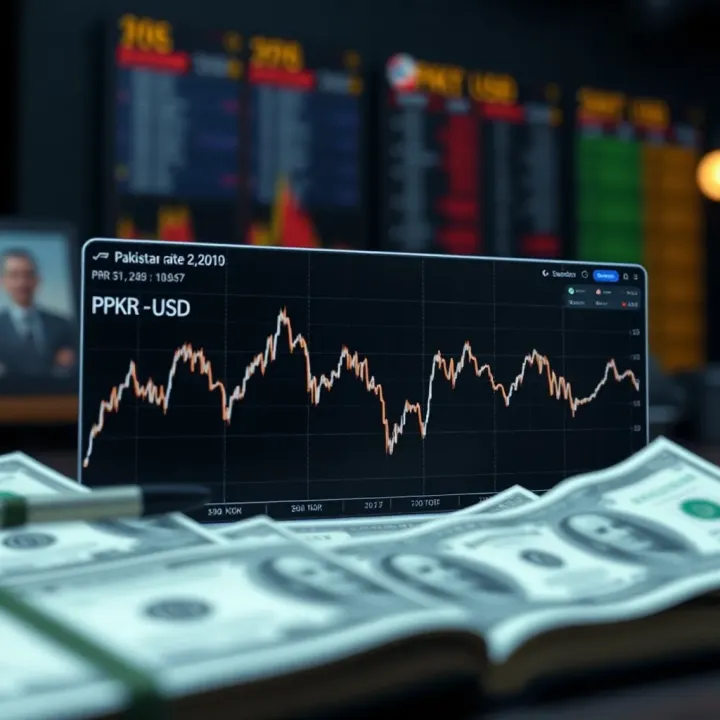
📉 Explore PKR to USD trends with a sharp focus on economic indicators, govt policies, and global events. Stay ahead for smart business and investment choices. 💼💰
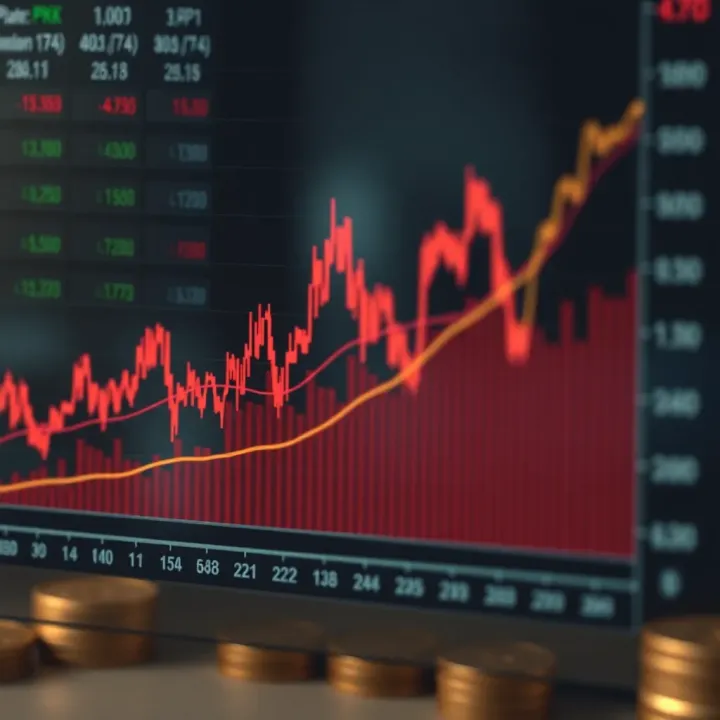
📉 Get a detailed forecast of USD to PKR over the next 3 months, covering economic data, policies, and expert views to guide your currency decisions. 💼
Based on 11 reviews