
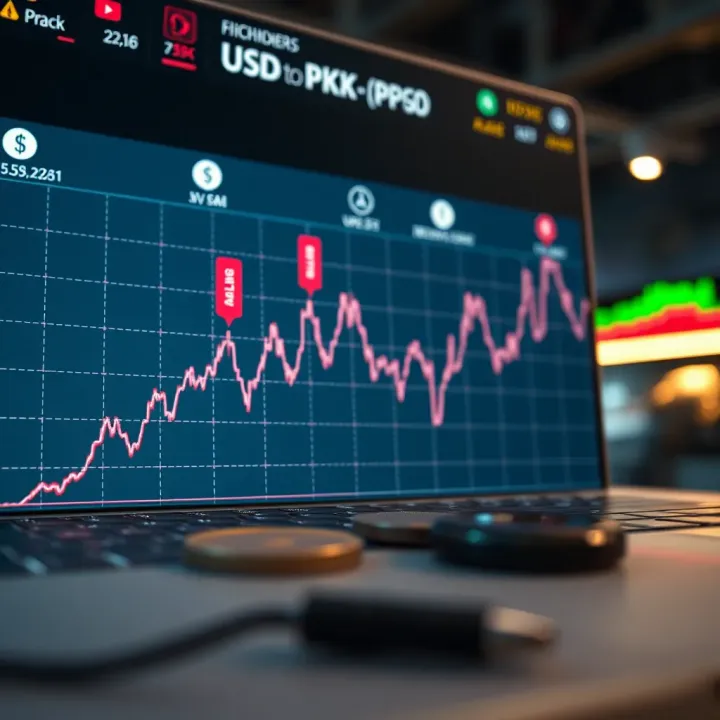
USD to PKR Exchange Rate Outlook Next 3 Months
📉 Get a detailed forecast of USD to PKR over the next 3 months, covering economic data, policies, and expert views to guide your currency decisions. 💼
Edited By
Charlotte Dennison
Understanding the USD to PKR exchange rate in Pakistan's open market is more than just watching numbers tick on a screen. It directly impacts everything from the price of imported goods to inflation, and even personal savings for many people. This article aims to break down the current trends and predictions surrounding this currency pairing, offering practical insights for traders, investors, financial analysts, and even beginners trying to get a handle on the market.
In the upcoming sections, you’ll find a careful look at what’s been happening recently with USD to PKR rates, the key factors influencing these movements, and what experts forecast for the next few months. Whether you’re planning to exchange currency, invest abroad, or just trying to keep up with economic shifts, this guide is crafted to help you make smarter decisions based on real market conditions.
Currency markets don’t operate in a vacuum. A mix of political events, economic policies, and international trends all play a part in shaping where the USD to PKR rate heads next.
By the end of this read, you should have a clearer picture of the open market's dynamics and feel equipped to anticipate fluctuations rather than just respond to them.
Understanding the USD to PKR exchange rate in the open market is essential for anyone involved in financial activities linked to Pakistan. This section sets the foundation by explaining what the open market exchange rate truly means and why it matters. In a country like Pakistan, where economic factors can be unpredictable, having a clear grasp of currency movements can make or break decisions for traders, exporters, importers, and investors alike.
The open market rate differs quite a bit from official rates set by banks or the central bank, often reflecting the actual supply and demand dynamics on the ground. This real-world price has practical impacts — for example, an importer budgeting for raw material procurement will be directly affected by changes in this rate. Similarly, remittance senders need to know the open market rate to get the best conversion value.
In short, the overview acts as a compass that helps navigate the currency market's trends and risks. Without this understanding, it's like driving without a map—sure, you might get somewhere, but the route might be costlier or riskier.
The open market for currency exchange is the informal and often unregulated space where currencies like USD and PKR are traded based on immediate market demand and supply. Unlike bank-set rates or interbank rates, the open market rate fluctuates more frequently and can differ significantly.
This market serves a vital role in Pakistan's economy because it often acts as a quick barometer of currency sentiment among traders and the public. For instance, when official channels face foreign currency shortages, open market dealers fill the gap. These currency dealers, operating through exchange bureaus, influence liquidity and accessibility which impacts everything from stock market performance to everyday cash remittances.
The open market exchange rate also helps shed light on the gap between official policies and actual economic conditions, often revealing market pressures invisible in formal channels. For example, during times of political uncertainty or global shocks, the open market rate may spike even if the central bank holds rates steady.
Looking at the recent months, the USD to PKR exchange rate has shown some noticeable swings in the open market. After a period of relative calm, a combination of rising inflation in Pakistan and global dollar strength pushed the rate upward. This means people converting dollars to rupees received fewer rupees per dollar than before, putting pressure on importers and consumers.
For example, in late 2023, the open market rate surged around 5-7% within a few weeks, reacting to both a rise in US Federal Reserve interest rates and uncertainty around Pakistan’s trade deficit. These shifts are not just numbers on a chart—they influence grocery prices at local markets, the cost of gas, and even school fees when paid in foreign currency.
However, toward early 2024, there were moments when the rate stabilized, helped by increased foreign remittances during festive seasons and central bank interventions. Yet, any optimism is tempered by ongoing geopolitical developments and fluctuating commodity prices, which keep the market on edge.
The recent trends highlight that no one can afford to take the USD to PKR rate lightly — its movement directly touches everyone from big businesses to everyday shoppers.
A key takeaway is that anyone dealing with currency exchange should keep an eye on how these recent fluctuations align with global economic moves and domestic economic indicators. The open market remains a lively hub reflecting real economic moods more instantly than official announcements ever could.
Understanding the key drivers behind the USD to PKR exchange rate is essential for anyone dealing with currency conversions, trading, or investment in Pakistan. The exchange rate does not move in a vacuum; instead, it responds to a mix of economic numbers, political shifts, and central bank moves. By breaking down these factors, you can get a clearer picture of what’s pushing the rupee up or down against the dollar.
Inflation is a big deal when it comes to currency value. When prices rise quickly in Pakistan, the purchasing power of the rupee falls. This usually means the USD to PKR rate trends upward because the market demands more rupees to buy the same amount of dollars. For example, if consumer prices jump due to food shortages or fuel hikes, it pushes local inflation higher and weakens the rupee’s appeal for investors.
Pakistan has often run a trade deficit, importing more than it exports. This gap increases demand for foreign currencies, mainly USD, to pay for those imports. A larger current account deficit means more pressure on the rupee in the open market. A practical case would be a surge in machinery and electronics imports, which demand more dollars, hence pushing the PKR down. On the other side, export growth or a shrinking deficit can ease exchange rate pressure.
The dollars sent back home by Pakistanis working abroad serve as a crucial inflow. Remittances help stabilize the PKR since they increase foreign currency supply without adding to imports. For instance, the Eid season or Gulf countries’ economic growth can boost remittances, supporting the rupee. Dips in remittances usually tighten dollar availability, nudging the PKR lower.
Local politics play a big role. When the political scene is shaky—say, ongoing protests, government changes, or policy uncertainty—investors get jittery and might move funds out of the country. This behavior floods the market with rupees in exchange for dollars, weakening the PKR. Stability, on the other hand, attracts investment and can strengthen the rupee.
Pakistan’s ties with key countries like the US, China, and Gulf neighbors affect economic confidence. For example, tensions with the US or disruptions in aid flow may reduce dollar availability. Conversely, fresh investments or loans from China’s CPEC projects can boost foreign currency reserves and support the PKR.

The USD to PKR exchange also depends on the bigger picture. When the global economy slows, demand for commodities drops, impacting Pakistan’s export earnings and dollar inflows. Changes in US interest rates also matter a lot, with hikes often making the dollar stronger globally and putting pressure on emerging market currencies including the PKR.
The State Bank of Pakistan controls interest rates to manage inflation and currency stability. Raising rates might attract foreign investors seeking better returns, which can support the PKR. On the flip side, lowering rates could make the rupee less attractive, increasing USD demand. For instance, when SBP raised policy rates last year, the PKR briefly stabilized against the dollar.
Pakistan’s dollar reserves act like a cushion. Healthy reserves enable the central bank to intervene in the open market, selling dollars and buying PKR to prevent sharp falls. If reserves deplete, the market’s confidence drops, and the rupee may weaken rapidly. Keeping an eye on SBP’s weekly reserve reports is crucial for anyone tracking the currency outlook.
In short, watching inflation, trade gaps, remittances, political shifts, international ties, and central bank actions together paints the clearest picture of where the USD to PKR rate might head next. Recognizing these clues helps traders and businesses make smarter currency decisions in Pakistan’s ever-changing market.
Understanding how global market trends sway the USD to PKR exchange rate is key for anyone involved in trading, investing, or even everyday currency exchanges. Pakistan's economy doesn’t exist in a vacuum, so shifts in international markets can send ripples all the way to Karachi, Lahore, or Islamabad. This section sheds light on what external forces to watch, and why they matter, so you’re not caught off guard.
The US dollar is like a heavyweight champ in the currency world—it influences many other currencies, including the Pakistani rupee. When the dollar strengthens globally, it usually means the USD is gaining purchasing power against other currencies. This can happen for several reasons like better economic data from the US, higher interest rates by the Federal Reserve, or global uncertainty that makes investors prefer the "safe haven" dollar.
For the PKR, a stronger dollar often means your rupees won’t stretch as far. For example, if the dollar climbs against a basket of currencies due to Federal Reserve rate hikes, you may see the PKR drop against the USD in open markets. This affects importers paying for goods priced in dollars, making their costs higher and potentially pushing prices within Pakistan. This isn't just numbers on a screen—familes and businesses may feel the pinch as everyday items get pricier.
Pakistan imports a significant chunk of its oil needs. When oil prices take a dive or sprint upward, the impact is almost immediate on the PKR. Picture oil prices spiking because of geopolitical tensions or supply cuts by OPEC. Suddenly, Pakistan has to fork out more dollars to pay for the same amount of oil. This extra demand for USD means the rupee often weakens in the open market.
Conversely, if oil prices drop sharply, Pakistan’s import bills come down, potentially easing some pressure on the rupee. However, this is a double-edged sword since oil prices are just one part of a bigger puzzle involving trade deficits and foreign currency reserves.
Fluctuations in commodity prices, especially crude oil and raw materials, directly affect the cost of imports in Pakistan. When these prices rise, the country spends more dollars, increasing the demand for USD and weakening the PKR in the open market. For instance, a jump in steel or cotton prices, both essential for Pakistani industries, can push companies to seek more dollars, burdening the PKR.
On the flip side, if commodity prices fall, importers might find some relief, reducing dollar demand and stabilizing or even strengthening the PKR. This in turn can lead to lower inflation and cooling down of everyday prices.
The takeaway here is that global commodity price swings are a critical piece of the puzzle. Traders and investors should keep an eye on oil price reports and commodity indices, as these offer early clues on how the USD to PKR rate may move.
To sum up, global market trends like the dollar's strength and commodity price changes don’t just play out on international markets—they directly affect Pakistan's currency scene. Being aware of these drivers helps businesses and individuals navigate currency shifts with more confidence.
Looking back at the USD to PKR exchange rate history is like reading a financial weather report; it tells us how stormy or calm the currency skies were and gives clues on what might come next. This historical perspective is essential because it helps traders, investors, and even policymakers understand how past events shaped the current situation.
When you track the PKR's journey against the US dollar over the years, you see patterns influenced by things like inflation, political changes, and external shocks such as oil price changes or global economic crises. For example, Pakistan's currency saw significant depreciation during the late 2000s due to rising inflation and political turmoil, which is a typical case demonstrating how instability weakens a currency.
Grasping these historical movements offers practical benefits too. For one, it enables better risk management. If you know how the currency reacted to similar situations before, you can better prepare or adjust your strategies. Traders especially get an edge by spotting recurring trends or resistance levels. Paying close attention to history isn’t just academic—it’s a road map for making smarter financial moves now and in the future.
When we talk about long-term exchange rate patterns, we're essentially discussing the broad trends that unfold over years or decades, rather than day-to-day or even month-to-month changes. For the USD to PKR, one prevailing long-term pattern is the gradual depreciation of the Pakistani rupee over time, which mostly reflects structural economic challenges.
Take the example of the last two decades: the PKR has generally lost value against the dollar, moving from around 60 PKR per USD in the early 2000s to over 280 PKR in recent times. This steady decline points to persistent issues like trade deficits, inflation mismatch, and reliance on imports, especially oil.
Investors watching these long-term trends understand that short-term spikes or dips often overlay a bigger story. Recognizing this helps avoid panic selling during a sudden dip or over-exuberance during brief rallies. Moreover, importers and exporters can plan their operations by expecting a slowly depreciating rupee, which affects costs and pricing strategies.
History is littered with examples showing how big economic events can shake the exchange rate badly in a short time. When a major financial or political event hits, the foreign exchange market often reacts sharply because traders rush to adjust their positions.
For instance, Pakistan’s currency swiftly slid in 2018 when the country went to the International Monetary Fund (IMF) for a bailout amid a severe balance of payments crisis. This event triggered a quick reevaluation of the PKR’s value, leading to sudden depreciation as investors feared tighter economic conditions.
Similarly, external shocks like the global oil price surge in 2022 hit Pakistan hard because it imports most of its energy needs. That spiked import bills pushed the PKR lower suddenly, highlighting how vulnerable the currency is to such external pressures.
A sudden economic event can reset market expectations almost overnight. Those dealing in USD to PKR should watch these signals closely because they often presage sharp movements and don't last forever.
Understanding this helps traders avoid scrambling at the last moment and investors to spot bargain opportunities once the market calms down. It also underscores the importance for policymakers to maintain economic resilience to absorb such shocks more smoothly.
Understanding expert forecasts for the USD to PKR exchange rate provides valuable clues for anyone dealing with currency, whether they’re traders, exporters, or even people sending remittances back home. These predictions help prepare for possible shifts and avoid surprises that may disrupt financial plans. Experts don’t simply guess; they analyze economic trends, government policies, and international market behavior to offer insight into what might happen next.
In the next few months, the USD to PKR exchange rate is likely to show some volatility due to immediate economic pressures. For example, inflation numbers released in recent months in Pakistan have been pointing upward, nudging the State Bank of Pakistan (SBP) to maintain tighter monetary policies. This tends to keep the rupee under pressure, sending the USD rate climbing slightly. Additionally, political events within Pakistan, such as upcoming elections or policy announcements, often create uncertainty that currency traders react to quickly.
Consider the sudden dip in early 2024 when oil prices dropped unexpectedly. Since Pakistan imports most of its oil, this relief slightly strengthened PKR for a short spell. However, any increase in oil prices usually reverses this trend swiftly. Traders should keep an eye on how these external shocks play out alongside domestic inflation and interest rates to fine-tune their short-term strategies.
Looking further ahead, the USD to PKR rate will likely be shaped by broader economic reforms and structural changes. For instance, if Pakistan successfully improves its trade balance through increased exports or reduces its current account deficit, the rupee may gain gradual stability. Such shifts generally won’t be overnight – expect a steady adjustment over several quarters.
Experts also consider foreign direct investment and remittance flows as indicators for medium to long-term trends. For example, sustained growth in remittances from overseas Pakistanis often supports the PKR by adding a steady supply of dollars to the open market. On the flip side, geopolitical developments—like changes in Pakistan-US relations or global economic slowdowns—could introduce unpredictability.
It's worth noting that long-term predictions are less about pinpointing exact numbers and more about understanding the direction and potential volatility. Traders should brace for periods of fluctuations but also opportunities when currency values align with broader economic progress.
By factoring in these expert insights, businesses and individuals can better prepare financially, reduce risks, and identify opportune moments for buying or selling USD in the open market.
Exchange rate moves, especially between the USD and PKR, can catch many off guard. For businesses and individuals alike, understanding how to brace for fluctuations isn’t just a nice-to-have; it’s essential. Currency swings affect everything from profit margins to travel budgets, so preparing smartly helps dodge avoidable losses and grab opportunities.
Importers and exporters feel exchange rate shifts deeply since their costs and revenues depend on currency values. To manage this:
Use Forward Contracts: Lock in a rate today for future payments or receipts. For instance, an importer buying machinery from the US may secure a forward contract to avoid sudden PKR depreciation increasing costs.
Diversify Markets and Suppliers: Instead of relying on one country or currency, spread risks by tapping into different regions. An exporter relying solely on the US market might explore deals in Europe or China to balance currency exposure.
Invoice Smartly: Negotiating payment in PKR instead of USD, or sharing currency fluctuation risks in contracts, can cushion shocks.
Monitor Government Policies and Central Bank Moves: Staying updated on State Bank of Pakistan’s interest rate changes or forex reserves allows better timing for currency transactions.
At the end of the day, being proactive rather than reactive means fewer surprises and steadier operations.
For travelers, exchange rates dictate how far their money goes abroad. Sudden PKR falls can make vacations pricier, while gains might stretch budgets further:
Buy Currency in Advance: If forecasts hint at a weaker rupee, buying USD beforehand can save money.
Compare Exchange Rates at Various Bureaus: Rates differ often between banks, currency dealers, and airports. Checking multiple sources can snag better deals.
Use Reliable Remittance Channels: For those sending money abroad or receiving remittances in Pakistan, choosing established platforms like Western Union or JazzCash usually ensures better rates and less risk.
Keep an Eye on Transfer Fees: Sometimes lower exchange rates are offset by higher service charges, so factoring both in matters.
Understanding currency dynamics and planning accordingly can make a significant difference, whether you’re sending money home or planning an overseas trip.
In summary, preparing for currency fluctuations means learning the ropes of financial tools and market signals. This approach offers both businesses and individuals a safer route through the unpredictable forex landscape.
Currency dealers and exchange bureaus play a hands-on role in the daily workings of Pakistan's open market for USD to PKR exchange. They act as the middlemen between buyers and sellers, often influencing the rates you see and transact at. Their importance lies not just in facilitating transactions but also in shaping how rates move in response to market pressures.
When you head to an exchange bureau, the rate you get isn't just plucked out of thin air. Dealers analyze various factors like foreign currency inflow, demand from importers, availability of dollars, and even speculative pressures. For example, during months when remittance inflow from abroad slows down, exchange bureaus might tighten their rates a bit, reflecting dollar scarcity. Knowing their role helps traders and investors anticipate why rates might spike or dip at certain times.
Rates in the open market are largely determined by immediate demand and supply. Unlike the official rates set by the State Bank of Pakistan (SBP), open market rates fluctuate more freely, based on real-time business needs and market sentiment. For instance, if importers rush to buy dollars to pay for goods ahead of festive seasons like Eid, demand surges can push the PKR lower, making the USD costlier.
Currency dealers keep a keen eye on such movements, adjusting rates to balance their own currency inventory. They also react to signals from global markets; say, if the US dollar strengthens internationally, open market rates might follow that trend quickly, sometimes even before the official rates catch up. This dynamic pricing ensures the market stays responsive but also introduces volatility.
One noticeable difference between open market and official rates is the gap between them. Official rates tend to be more stable because the SBP attempts to smooth out volatility using its foreign reserves. On the other hand, open market rates reflect the actual trading conditions, which can be more volatile.
For example, during times of economic uncertainty or political unrest, the open market might price in risks faster, showing a higher USD to PKR rate compared to the official one. This gap can sometimes be exploited by those in the know, but for ordinary users, it means the price you pay in street-level exchange bureaus could be quite different from bank quotes.
Understanding this gap is critical, especially for small businesses and travelers, so they know when to lock in rates or wait it out.
In short, currency dealers and exchange bureaus are not just transaction points—they’re active players that influence market rates through their daily dealings. Recognizing how they operate gives traders, investors, and even casual exchangers an edge when navigating Pakistan’s currency market.
📉 Get a detailed forecast of USD to PKR over the next 3 months, covering economic data, policies, and expert views to guide your currency decisions. 💼
📉 USDJPY forecast: Get insights on economic data, central bank moves, and global risks. Learn key technical tips and market mood for confident Forex trades in Pakistan.
📉 Discover the USD to PKR forecast for the next 30 days with expert insights, recent trends, and key factors affecting exchange rates in Pakistan’s market.
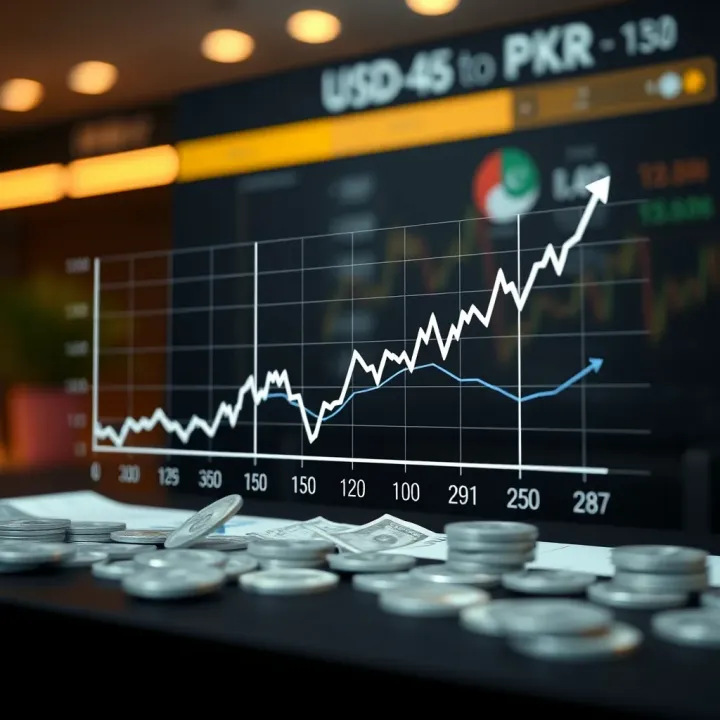
Explore the key factors affecting USD to PKR rates 📊. Get insights on economic trends, market behaviors, and geopolitical shifts to make smart financial decisions 💰.
Based on 5 reviews