
Today's Bitcoin Price Outlook and Trends
📈 Explore today’s Bitcoin price outlook, key market moves, and tools investors use to spot trends and make smarter decisions in Pakistan.
Edited By
Charlotte Dennison
Bitcoin continues to grab headlines in Pakistan and worldwide, prompting investors and traders alike to keep a close eye on its evolving market dynamics. Its volatile nature demands that anyone involved, whether a novice or an experienced analyst, stays informed about current trends. Understanding Bitcoin’s position today isn’t just about watching its price; it’s about examining the factors driving its movements and what experts foresee in the near term.
In 2024, Bitcoin's market has seen several ups and downs influenced by global economic shifts, regulatory announcements, and technological developments like the rise of Layer 2 solutions and institutional adoption. For Pakistani investors used to rupee fluctuations and inflation concerns, Bitcoin offers both a high-risk investment and a potential hedge if approached carefully.
A few critical points set the stage for what to expect:
Market volatility remains high, with price swings driven by macroeconomic factors such as changes in interest rates by global central banks, especially the US Federal Reserve.
Regulatory clarity is developing slowly, shaping how exchanges and investors in Pakistan operate, particularly concerning taxation and compliance with the Federal Board of Revenue (FBR).
Technological advancements in blockchain scalability and security continue to influence investor confidence positively.
"Given Bitcoin’s unpredictability, relying on up-to-date data and expert analysis is essential for anyone looking to invest or trade today," says one seasoned crypto analyst.
Additionally, understanding local conditions is vital; volatile PKR exchange rates and limited crypto infrastructure in Pakistan make entering the market both challenging and potentially rewarding. Tools like JazzCash and Easypaisa are seeing limited integration with crypto payments, but interest is growing.
This article will outline how these factors combine to shape Bitcoin's immediate future, offering insights tailored especially for traders, investors, and financial educators keeping a keen eye on Pakistan’s emerging crypto scene.
Understanding the current state of the Bitcoin market is key for anyone looking to navigate this volatile asset confidently. This overview provides traders and investors with the latest insights into price movements, trends, and external factors shaping Bitcoin’s value. Knowing where Bitcoin stands today helps you make informed decisions and adjust your strategy according to market realities.
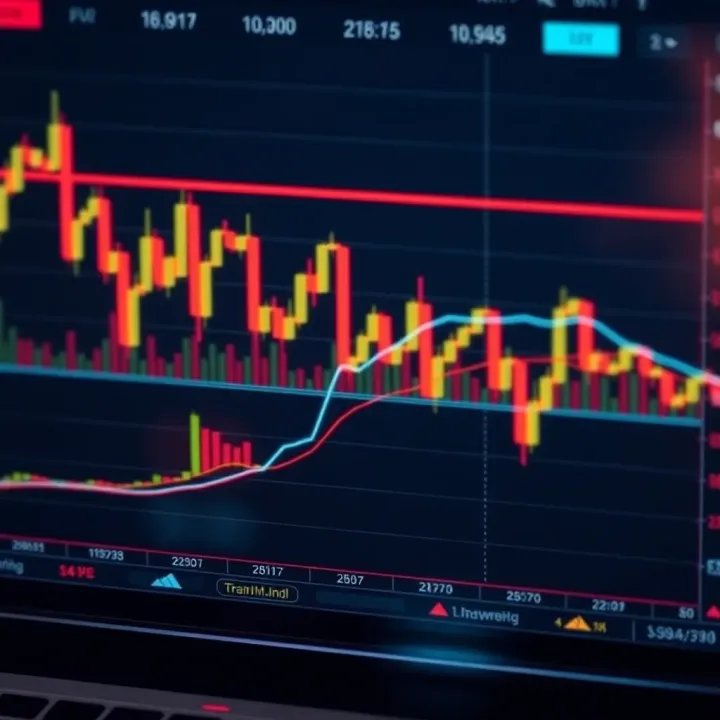
Bitcoin's price has shown varied movements recently, reflecting wider global economic shifts and market sentiment. For example, after hovering around Rs 60 lakh a few months back, the price faced downward pressure, dropping closer to Rs 50 lakh amid profit-taking and regulatory concerns. These short-term fluctuations are important because they indicate market participants’ confidence and reaction to news, making it essential to track daily or weekly candlestick charts and volume data.
Technical indicators like moving averages and Relative Strength Index (RSI) have pointed to occasional oversold or overbought conditions, helping traders spot entry or exit points. Beyond daily swings, Bitcoin's performance within this year shows a series of higher lows, suggesting some resilience despite setbacks. Keeping updated on these trends helps investors avoid being caught off-guard.
Inflation levels and central bank policies on interest rates directly influence Bitcoin's appeal as an investment. With many countries, including the US, having raised rates to tame inflation, investors tend to prefer lower-risk assets offering stable returns. This makes Bitcoin less attractive during tight monetary conditions because it does not yield interest or dividends. However, in countries experiencing high inflation—like Pakistan often sees with rising petrol and food prices—Bitcoin can act as a hedge against currency depreciation, drawing local interest.
Regulatory clarity or uncertainty remains one of the strongest forces impacting Bitcoin's price today. Governments worldwide vary greatly in their approach, from embracing to banning cryptocurrencies. In Pakistan, for instance, the State Bank and Federal Board of Revenue have gradually worked toward frameworks for crypto transactions and taxation, but no comprehensive regulation exists yet. News of potential crackdowns or favourable policies can swiftly affect market mood and liquidity, making it necessary to stay vigilant about announcements by regulators.
Political instability, conflicts, or international sanctions also play a role in Bitcoin price movement. When traditional banking systems face disruptions, as seen in some countries under sanctions, Bitcoin’s decentralised nature offers an alternative means for fund transfers—boosting demand. For example, ongoing tensions in certain regions can cause investors worldwide to seek safe havens, including Bitcoin, which benefits from these shifts. This dynamic means that geopolitical news often triggers sudden spikes or drops in Bitcoin’s market value.
Keeping a close eye on these economic and political factors alongside technical data helps you understand the broader forces affecting Bitcoin today.
This section equips you with a solid foundation on Bitcoin’s current market landscape and the main external elements influencing its direction.
Understanding the key factors driving Bitcoin’s price today helps investors make more informed decisions and anticipate market movements. Bitcoin, unlike traditional assets, is influenced not just by economic fundamentals but also by emerging technologies and sentiment shifts, which can swing prices rapidly.
Institutional players play a growing role in Bitcoin’s price dynamics. When major banks, investment funds, or tech companies disclose their Bitcoin holdings or plans to adopt blockchain tech, it tends to boost market confidence. For example, when large firms like MicroStrategy or Tesla revealed their Bitcoin investments, their shares surged along with BTC’s price. Such institutional adoption signals to smaller investors that Bitcoin is gaining legitimacy as a store of value or alternative asset. Local Pakistani financial institutions have started exploring crypto services, which could also impact domestic demand.
Market sentiment is a critical driver. Bitcoin’s price often reacts to how traders perceive upcoming events, news, or broader economic conditions. Fear or greed can trigger sharp price moves. For instance, rumours about tougher regulations can cause panic selling, even before any official decision. Conversely, hype around upcoming technological upgrades or endorsements by influential figures can spark bullish rallies. Monitoring social media trends, Google search interest, and trading volumes can give insights into the prevailing sentiment.
Investor psychology often turns Bitcoin from a rational asset into a speculative one. Awareness of this helps smart traders avoid getting caught in emotional swings.
Bitcoin’s infrastructure developments influence its long-term price outlook. Updates like the Taproot upgrade in 2021 improved privacy and transaction efficiency, encouraging adoption and investment. Also, advances in layer-two solutions like the Lightning Network address scalability issues, making Bitcoin more practical for daily transactions. Any delays or failures in implementing such upgrades often unsettle markets. Pakistani tech enthusiasts and early adopters follow these changes closely, as network enhancements increase Bitcoin’s use-case beyond just a speculative asset.
Expert opinions and prediction models serve as crucial tools for anyone looking to understand Bitcoin’s current market dynamics. They offer a blend of historical data analysis, market sentiment insights, and technical signals that help investors and traders make informed decisions. Relying solely on news or speculation without these analytical methods can be risky, especially given Bitcoin’s notorious volatility.
Price Chart Patterns help interpret past price movements to predict what might happen next. Common patterns like head and shoulders, triangles, or double bottoms can indicate potential trend reversals or continuations. For example, if Bitcoin forms a ‘cup and handle’ pattern on daily charts, traders often expect a bullish breakout. Such patterns become practical decision tools, guiding entry or exit points in the market.
Support and Resistance Levels work as psychological price points where Bitcoin tends to pause or reverse direction. Support levels act like a floor where buying interest is strong, while resistance levels act like a ceiling where selling pressure mounts. Identifying these levels allows traders to set stop-loss orders or target profits efficiently. For instance, Bitcoin might consistently find support around $30,000 and resistance near $35,000—knowing this helps investors time their trades more wisely.
Blockchain Metrics offer a window into Bitcoin’s health beyond just price moves. Metrics like hash rate (computing power securing the network), transaction volume, and active addresses indicate the network’s real-world activity and security. A rising hash rate, for instance, reflects growing miner confidence and network stability, generally a positive sign for Bitcoin’s value.
Market Capitalisation Trends reveal the total value of all mined Bitcoin and can signal market maturity and investor interest. A sudden surge or decline in market cap often precedes price shifts. Tracking changes in Bitcoin’s dominance — its share of the overall cryptocurrency market — also provides insight into wider market trends. For example, an increasing dominance suggests Bitcoin is outperforming altcoins, which can influence portfolio strategies.
Leading analysts like Anthony Pompliano, PlanB, or Katie Stockton often provide forecasts combining technical and fundamental data. Their models—such as PlanB’s stock-to-flow model—have gained popularity for predicting Bitcoin price trends based on scarcity and demand. While no prediction is foolproof, these expert views offer valuable context, helping investors align expectations realistically with market signals.
Combining technical and fundamental approaches with expert insights equips you better for Bitcoin trading or investment, especially in Pakistan’s fluctuating market climates.
Altogether, understanding these expert opinions and models lets you navigate Bitcoin’s ups and downs with more confidence and less guesswork.
Understanding the risks and challenges Bitcoin faces today is essential for any investor or trader. These factors can affect price stability and influence market sentiment sharply. Considering these challenges helps manage expectations and safeguard investments.
Regulatory uncertainty remains one of the biggest headaches for Bitcoin investors. Globally, countries vary widely in their approach—while some like El Salvador have embraced Bitcoin, others like China have banned cryptocurrency trading outright. Pakistan itself has a cautious stance; the State Bank of Pakistan has repeatedly warned citizens about cryptocurrency risks and does not recognize it as legal tender. Still, many in Pakistan trade Bitcoin via informal channels.
The risk here comes not only from outright bans but also from sudden regulatory changes. For example, if Pakistan imposes strict regulations on crypto exchanges or mandates stiff penalties without clear guidelines, local investors could face difficulties liquidating assets or even legal troubles. Globally, ongoing talks in bodies like the Financial Action Task Force (FATF) on crypto regulations add an extra layer of uncertainty.
Bitcoin is infamous for its wild price swings. Large price jumps within hours are common, often driven by speculative trading rather than fundamental changes. This volatility can be stressful for investors unprepared for such rapid changes.
On top of volatility, concerns about market manipulation linger. Smaller exchanges with less oversight sometimes experience volume and price manipulation through wash trading or spoofing. Even large exchanges are not immune; sudden large trades by whales (big holders) can lead to flash crashes or pumps.
Traders should always be mindful that Bitcoin's volatility is partly due to its still-maturing market structure, which makes it more vulnerable to manipulation compared to traditional assets.
Bitcoin's underlying technology and security remain strengths, but challenges persist. Network congestion during peak times can cause slow transaction confirmations and higher fees. For investors in Pakistan, where internet reliability and electricity supply can fluctuate, these issues may become more pronounced.
Security-wise, individual investors face risks of wallet hacks, phishing attacks, and scams. Unlike a bank account, Bitcoin wallets don't have guaranteed protections. Losing private keys or falling victim to fraudulent schemes can lead to permanent loss. Reputable hardware wallets and careful transaction practices are necessary to mitigate such risks.
Overall, while Bitcoin offers excitement and opportunity, these risks should shape how one approaches investment and trading strategies.
Pakistani investors looking at Bitcoin must understand the unique challenges and opportunities posed by local economic conditions and regulatory practices. Unlike many global markets, currency fluctuations and conversion issues are front and centre here, affecting entry and exit prices for crypto holdings. Legal and tax rules, while still evolving, can significantly impact profitability and compliance. Additionally, adopting secure and conservative investment practices helps manage risk amid Bitcoin’s notorious volatility.
One big hurdle for Pakistani investors is dealing with the unstable PKR (Pakistani Rupee) against major currencies like USD. Bitcoin prices are globally benchmarked in dollars, so when the rupee weakens suddenly, the cost of buying Bitcoin in PKR rises sharply and vice versa. For example, a 5% depreciation in the rupee can mean an immediate increase in Bitcoin price in rupee terms, even if the dollar price remains stable. This adds complexity when planning buy or sell timing.
Using reputable platforms such as local exchanges that support direct PKR-Bitcoin transactions can reduce conversion losses. Moreover, employing regular tracking of the SBP (State Bank of Pakistan) exchange rate updates and considering rates from multiple exchanges helps in making more informed currency conversion decisions. Always factor in currency risk alongside Bitcoin’s own price swings.
Bitcoin regulation and taxation remain a grey area in Pakistan. The State Bank of Pakistan currently does not recognise cryptocurrencies as legal tender but also has not completely banned trading. This uncertain legal status demands caution from investors. The Federal Board of Revenue (FBR) has started scrutiny of crypto earnings, urging investors to report gains as capital income.
Not reporting crypto income could lead to penalties or legal issues. Given this, maintaining clear records of all Bitcoin transactions, purchase dates, and amounts in PKR is essential. Proactively consulting tax experts familiar with the emerging crypto environment in Pakistan can prevent non-compliance.
Bitcoin’s high volatility means Pakistani investors should never put all their eggs in one basket. Diversifying investments across different asset classes or crypto coins and starting with modest amounts minimises losses. Using hardware wallets or trusted platforms with strong security protocols helps avoid hacking or theft risks.
Always verify the credibility of exchanges and avoid unregulated or suspicious platforms. Setting stop-loss orders and regularly monitoring market news reduces surprise shocks. Finally, staying updated on Pakistan-specific policies and global trends allows timely adjustments to portfolios.
Remember: Understanding the interplay between currency swings, legal obligations, and security measures is key to making Bitcoin a sustainable part of your investment strategy in Pakistan.
By keeping these points in mind, Pakistani investors can navigate the evolving Bitcoin market more confidently and with better risk control.
📈 Explore today’s Bitcoin price outlook, key market moves, and tools investors use to spot trends and make smarter decisions in Pakistan.
📊 Get today's Bitcoin prediction and market insights tailored for Pakistan. Explore price trends, expert views, and investment tips in crypto today.
🔍 Explore TRB price prediction with detailed insights on market trends, risks, technical analysis, and growth potential for Pakistan investors.
🔍 Explore AXS Coin price trends, market insights, and expert views to understand what lies ahead for Axie Infinity's cryptocurrency in Pakistan's market.
Based on 13 reviews