
Today's Bitcoin Price Outlook and Trends
📈 Explore today’s Bitcoin price outlook, key market moves, and tools investors use to spot trends and make smarter decisions in Pakistan.
Edited By
Isabella Green
Bitcoin has shaken up financial markets globally, and Pakistan is no exception. As the cryptocurrency gains attention among traders, investors, and financial experts here, understanding its future trends and risks becomes vital. Bitcoin’s price is notorious for its swings, influenced by factors like global economic shifts, regulatory changes, and technological developments.
In Pakistan, the acceptance of Bitcoin is growing despite regulatory uncertainty. Several startups and platforms now allow investment in crypto, demonstrating rising adoption rates. However, the State Bank of Pakistan (SBP) currently does not allow banks or financial institutions to facilitate crypto transactions, which poses challenges for mainstream access.
Navigating Bitcoin’s market in Pakistan requires careful analysis of both global trends and local regulatory dynamics to avoid unexpected losses.
Key trends shaping Bitcoin's outlook include:
Market volatility: Bitcoin's price is volatile, with rapid ups and downs driven by news, market sentiment, and macroeconomic conditions.
Regulatory environment: Pakistan’s regulatory stance is evolving, with authorities monitoring crypto closely. Upcoming policies could either restrict or enable broader Bitcoin use.
Technological innovation: The growth of blockchain technology and integration with payment platforms can influence Bitcoin's utility and value.
For investors, it’s essential to consider these factors alongside personal risk tolerance. Tools available in Pakistan, such as local exchanges and digital wallets, are improving but require due diligence to avoid scams or legal complications.
This article will clarify these trends, explain risks like fraud or sudden regulatory bans, and highlight opportunities within Pakistan’s emerging market for cryptocurrencies. Armed with clear information, Pakistani investors and analysts can better assess where Bitcoin might head next and how to act sensibly in a fast-changing landscape.
Understanding the current state of the Bitcoin market is essential for investors, traders, and analysts looking to make informed decisions. This section highlights recent price moves, volatility drivers, and how Bitcoin stacks up against other cryptocurrencies. Being aware of these factors helps anticipate opportunities and risks ahead.
Bitcoin’s prices have shown significant fluctuations lately, with swings of several percentage points within single days. For instance, after touching above $28,000 in early 2024, the price dipped back below $25,000 within weeks. Such shifts stem from both market speculation and external influences.
Market volatility affects trading strategies and risk management. Higher swings may offer short-term profit chances but also increase exposure to sudden losses. Investors in Pakistan, where cryptocurrency regulation is still evolving, should stay alert to these changes before committing large sums.
Global economic factors play a notable role in Bitcoin’s volatility. When interest rates rise in the US or Europe, risk appetite tends to lower, prompting investors to pull out of volatile assets like Bitcoin. Conversely, loose monetary policies often boost demand for cryptocurrencies as alternative stores of value.
For example, announcements from the Federal Reserve about rate hikes have repeatedly triggered sell-offs in crypto markets. Similarly, inflation concerns can push investors towards Bitcoin as a hedge. Understanding these links aids in timing market entries and exits wisely.
Comparing Bitcoin with other major cryptocurrencies like Ethereum and Binance Coin reveals different volatility profiles and market behaviours. Ethereum’s prices often react to network upgrades and decentralized finance developments, whereas stablecoins maintain price steadiness but offer limited growth.
Bitcoin remains the most liquid and widely accepted crypto, but its dominance can fluctuate with emerging tech trends or investor sentiment. Observing these dynamics helps investors diversify effectively and avoid overexposure to one asset.
Monetary policies and changing interest rates have a strong impact on Bitcoin valuations. When central banks tighten policies to curb inflation, money flows toward safer assets like bonds, temporarily weakening cryptocurrencies. Conversely, cheaper credit can spark fresh investments in digital assets.
This pattern means that monitoring announcements from the State Bank of Pakistan as well as major central banks abroad is crucial for anticipating price moves. Investors could combine this macro insight with technical analysis to refine their timing.
Geopolitical tensions also affect Bitcoin markets by increasing uncertainty. Conflicts or sanctions on major economies can disrupt traditional financial flows, prompting investors to move funds into Bitcoin for safer access.
For example, recent tensions in Eastern Europe led to spikes in Bitcoin demand as sanctions hit conventional banking channels. This aspect shows Bitcoin's potential as a hedge against political instability, especially relevant for Pakistani investors watching regional developments.
International regulations and bans play a decisive role too. Countries like China have banned crypto trading, causing sharp downturns, while others adopting clearer rules support market growth.
Pakistan's own regulatory stance remains cautious, affecting local exchanges and investor confidence. Tracking changes in global and domestic laws helps anticipate liquidity changes and compliance costs, which directly influence Bitcoin’s market conditions.
Staying updated on these evolving factors ensures that investors can react promptly, safeguarding their portfolios from sudden shocks while capitalising on emerging trends.
Bitcoin’s future depends heavily on a mix of technology improvements and legal regulations. These factors influence not just the price but also usability, security, and trust among investors and users, especially in Pakistan where regulatory clarity is still evolving.
Bitcoin protocol improvements continue to make the network faster and more efficient. One example is the Taproot upgrade implemented in 2021, which enhanced privacy and lowered transaction costs by allowing more complex smart contracts without exposing all details on the blockchain. Such protocol updates improve Bitcoin’s practical use as a payment method and store of value, appealing to a growing number of traders and retail investors within Pakistan and beyond.
The adoption of the Lightning Network is another major step forward. This second-layer solution enables instant, low-fee transactions by processing payments off the main blockchain before settling them later. For people in Pakistan facing high remittance costs and banking delays, Lightning offers a viable alternative for fast and affordable cross-border payments. Though still under gradual adoption, it represents a promising development for expanding Bitcoin's everyday usability.
Security enhancements and scalability remain central to Bitcoin's ongoing growth. Stronger encryption mechanisms and improvements in decentralised node support help resist cyber-attacks and network failures. Meanwhile, scaling solutions ensure the system can handle more transactions simultaneously without slowing down or raising fees. For Pakistani investors, this means more reliable and accessible Bitcoin use, whether for investment or daily transactions, even during peak market activity.
Pakistan's stance on cryptocurrency is currently cautious but gradually becoming clearer. The State Bank of Pakistan (SBP) has not yet legalised Bitcoin as official currency, but it allows limited use with conditions. This caution arises from concerns about money laundering and financing illegal activities. Knowing this helps investors understand the risks and compliance requirements when trading Bitcoin locally.
Globally, regulatory trends influence Pakistan’s approach. Countries like the USA and European Union are introducing stricter rules on crypto exchanges and reporting obligations to prevent fraud and promote transparency. Pakistan is likely to follow similar paths, which means investors should watch for updates to avoid legal pitfalls and ensure smooth operations.
Potential changes in tax laws regarding cryptocurrencies could significantly affect investor behaviour. Currently, tax policies are unclear, but discussions are underway about taxing gains from Bitcoin trading and requiring formal declarations. For Pakistani traders and businesses, staying informed about such legal changes is vital to comply properly and avoid penalties.
Understanding both technological and regulatory developments is essential for anyone looking to invest or trade in Bitcoin with confidence. These factors shape usability, safety, and legal clarity, especially in Pakistan where the market is emerging rapidly but still sensitive.
Bitcoin's protocol upgrades improve efficiency and privacy.
The Lightning Network enhances transaction speed and lowers costs.
Security and scalability measures build investor trust.
Pakistan’s cautious regulatory stance requires close attention.
Global rules and domestic tax policies could alter market dynamics.
Traders and investors should follow these developments closely to make informed decisions in an evolving landscape.
Investor perspectives and market sentiment heavily influence Bitcoin's price movements and overall market behaviour. Understanding how investors feel and react to developments can help traders and risk managers anticipate sudden shifts and make more informed decisions. Market sentiment often reflects broader economic moods, global events, or regulatory changes, which can temporarily drive Bitcoin’s price up or down beyond what fundamentals suggest.
Technical analysis focuses on recent price patterns, volume, and chart indicators to predict Bitcoin's near-term movements. Analysts might examine support and resistance levels, moving averages, or relative strength index (RSI) to gauge potential price shifts over days or weeks. For instance, a rise above a key resistance level followed by high volume might signal bullish momentum. Traders in Pakistan often follow such signals to time entry and exit points, especially when markets are volatile.
Long-term forecasts look at broader trends such as adoption rates, institutional interest, and macroeconomic factors like inflation and monetary policy. Many experts anticipate Bitcoin’s steady growth due to limited supply and increasing acceptance in global finance. However, long-term projections depend on variables such as technological upgrades and regulatory clarity. For Pakistani investors, considering how Bitcoin might serve as a hedge against rupee depreciation or inflation is part of assessing its future value.
Experts often disagree about Bitcoin’s future, creating a spectrum of opinions from bullish to cautious or even bearish. Some predict mass adoption and price surges, while others warn of bubbles or regulatory hurdles. These uncertainties mean investors should weigh multiple viewpoints and prepare for volatility. For example, a sudden ban on cryptocurrency exchanges could dramatically shift market sentiment, as seen in various countries previously.
The cryptocurrency market remains relatively unregulated in many places, including Pakistan, making it vulnerable to pump-and-dump schemes and fake projects. Unscrupulous actors might manipulate Bitcoin prices or lure investors into scams, leading to significant losses. As a practical step, investors should rely on reputable exchanges and avoid schemes promising guaranteed returns.
Bitcoin is known for its wild price swings, sometimes changing by several percent in a single day. This volatility can unsettle less experienced investors and complicate cashing out large holdings without impacting price (liquidity risk). During times of regulatory uncertainty or global financial turbulence, liquidity can dry up quickly, making it harder to sell Bitcoin at desired prices.
Governments worldwide, including Pakistan, have fluctuating stances on cryptocurrencies. Sudden moves to restrict or ban cryptocurrency trading can cause price crashes and complicate legal ownership. Investors face risks such as account freezes or penalties if regulations tighten unexpectedly. Staying updated with local and international legal developments helps in managing these risks effectively.
Understanding investor sentiments and risks is key to navigating Bitcoin’s unpredictable market. By combining technical signals with awareness of challenges, Pakistani traders can better align their strategies with market realities.
Bitcoin's increasing presence in Pakistan reflects growing interest despite regulatory uncertainty. It is becoming more than just an investment asset; for many, it offers practical benefits worth noting for both individuals and the broader economy.
Retail investors in Pakistan are drawn to Bitcoin mainly for its potential returns amid fluctuating local currency value. Many younger investors view cryptocurrency as a diversification tool beyond traditional stocks or real estate. Platforms like Binance and local peer-to-peer trading groups have made buying Bitcoin accessible even with limited funds, typically starting from Rs 10,000 or less.
This rising interest is showing in several urban centres such as Karachi, Lahore, and Islamabad, where tech-savvy users actively trade cryptocurrencies. However, lack of official regulation means many rely on informal networks and online forums to gain confidence and trust before investing.
Bitcoin is increasingly used to send remittances from overseas Pakistanis, especially when traditional channels are slow or costly. Conventional services can charge between 5-10% on remittance transfers; Bitcoin offers lower fees and faster processing times if the recipients have access to digital wallets.
Some startups have begun facilitating Bitcoin-to-PKR conversions, allowing families to receive funds locally without long delays or excessive charges. Though still limited by acceptance and awareness, these services highlight Bitcoin’s potential to ease financial transactions for millions.
Integration of Bitcoin with Pakistani financial services is nascent but progressing. Some digital wallet providers and fintech apps are exploring crypto-related features, such as enabling users to hold or exchange Bitcoin alongside PKR balances.
Banks remain cautious due to the State Bank of Pakistan’s unclear stance, but third-party platforms like JazzCash and Easypaisa show interest in blockchain technology itself, indicating possible future compatibility.
Regulatory reforms remain the biggest hurdle and opportunity for Bitcoin in Pakistan. Authorities have expressed concerns over illegal activities linked to cryptocurrencies but also acknowledge blockchain’s innovation potential.
A clear regulatory framework could bring investors out of the shadows and provide consumer protection through licensing exchanges and enforcing anti-money laundering rules. This shift would likely boost trust among institutional investors and pave the way for wider adoption in the economy.
Lack of understanding about Bitcoin still holds back many Pakistanis, with misconceptions about volatility and security risks deterring some potential users. Education initiatives by both private organisations and government bodies can help.people make informed decisions about crypto investments.
Workshops, online courses, and public campaigns focusing on safe trading practices, wallet management, and recognising scams are practical steps already underway. These efforts will enhance confidence and reduce susceptibility to fraud.
Bitcoin holds promise for improving financial inclusion in Pakistan, especially in rural areas where banking access is limited. Mobile phones are widespread, and cryptocurrency can serve as an alternative method for payments and savings without needing traditional bank accounts.
For example, small traders in far-flung regions might use Bitcoin to receive payments from urban customers or overseas relatives more efficiently than cash or bank transfers. Although challenges like internet access and digital literacy remain, Bitcoin could gradually bridge gaps in the formal financial system.
Bitcoin’s evolution in Pakistan depends heavily on how regulatory clarity and awareness grow alongside technology integration, shaping its real economic role.
In summary, Bitcoin is carving a small yet meaningful niche in Pakistan’s economy through retail participation, remittance channels, and fintech innovations. Its future will be shaped by regulatory changes, education efforts, and the pursuit of wider financial inclusion.
Practical advice provides a solid foundation for navigating Bitcoin's unpredictable market, especially for investors in Pakistan where regulatory clarity and market infrastructure are still evolving. This section offers targeted guidance on methods that reduce risks and improve decision-making for traders and investors, from choosing trustworthy platforms to managing market changes effectively.
Choosing reliable exchanges and wallets is the first step to safeguard your Bitcoin holdings. With numerous platforms available locally and internationally, selecting those with strong security measures, transparent fee structures, and good customer support is vital. For example, Binance and Kraken are known globally, but for Pakistani users, platforms integrated with JazzCash or Easypaisa for straightforward deposits and withdrawals offer practical advantages. Wallets should be chosen carefully; hardware wallets like Ledger provide enhanced security compared to mobile or web wallets often targeted by hackers.
Understanding market trends and indicators helps investors make informed buys or sells rather than following hype. Pay attention to moving averages, volume data, and RSI (Relative Strength Index) to gauge momentum. For instance, spotting a consistent upward trend through these indicators might signal a good entry point. Pakistani investors should also keep track of global economic announcements affecting Bitcoin’s price, such as changes in US Federal Reserve interest rates, since these have had direct effects on BTC volatility.
Risk management strategies protect your capital from sudden market swings common in cryptocurrencies. Use stop-loss orders to limit losses automatically if prices fall below a preset level. Diversification is another key approach; don’t put all your savings into Bitcoin alone—consider allocation across different cryptocurrencies or traditional assets. Only invest amounts you can afford to lose, since Bitcoin’s value can fluctuate rapidly in short periods.
Reliable news sources and analysis provide timely, accurate information indispensable for adjusting investment strategies. Pakistani investors can benefit from platforms like ProPakistani and Dawn’s business section for local regulatory updates, while global crypto news portals offer insight into technical developments and market sentiment.
Following updates from regulatory bodies such as the State Bank of Pakistan (SBP) and Federal Board of Revenue (FBR) is crucial. New policies on taxation or crypto legality can influence market accessibility and costs. Staying informed about official announcements helps you comply with regulations and avoid legal complications.
Community engagement and expert consultations enrich your understanding and offer practical insights. Participating in local Bitcoin forums or social media groups connects you with experienced traders and industry watchers who share tips and warn about scams. Consulting financial advisors specialising in digital assets ensures your plans align with current laws and market conditions.
In Pakistan’s volatile crypto landscape, blending vigilance with informed decision-making can make the difference between profit and loss. Practical steps like choosing trustworthy platforms and staying updated on regulations keep your investment safer and smarter.
By following these practical advice areas, investors can better navigate Bitcoin’s ups and downs and seize opportunities while reducing avoidable risks.
📈 Explore today’s Bitcoin price outlook, key market moves, and tools investors use to spot trends and make smarter decisions in Pakistan.
Explore Bitcoin price predictions in USD 📈, analysing market trends, key factors, expert opinions, and risks tailored for Pakistani investors keen on crypto insights.
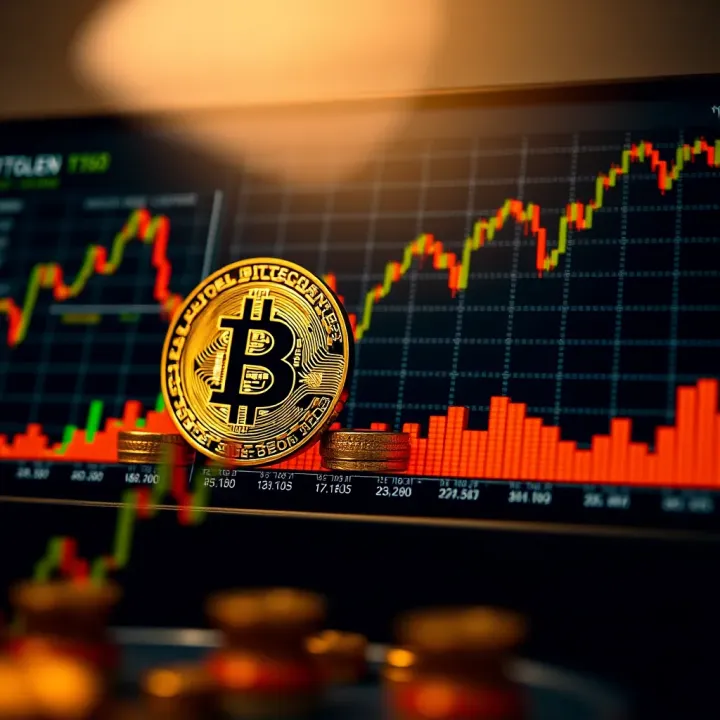
📈 Explore Bitcoin's current market trends and expert insights. Understand key factors shaping its price today, tailored for Pakistani investors and crypto enthusiasts.
📈 Explore Dogecoin price prediction with detailed trends, expert insights, & market factors affecting its future. Stay informed for better trading decisions in Pakistan 🇵🇰
Based on 11 reviews