
Will the Dollar Rate Rise Next Week? Analysis for Pakistan
📉 Curious about the dollar rate next week? Explore key economic, political, and market factors shaping USD trends in Pakistan's context for smarter decisions.
Edited By
Oliver Reynolds
The dollar rate in Pakistan directly impacts the economy and daily life, influencing everything from import prices to inflation. Understanding what drives the exchange rate helps traders, investors, and businesses plan better and mitigate risks.
The value of the US dollar against the Pakistani Rupee (PKR) doesn't move arbitrarily; it reflects a combination of internal and external factors. Economic indicators like the trade deficit, foreign exchange reserves, and inflation rates play a major role. For instance, when Pakistan's trade deficit widens due to higher imports of oil or machinery, demand for dollars rises, pushing the exchange rate higher.
Government policies also shape the dollar rate. Decisions on interest rates by the State Bank of Pakistan (SBP), adjustments in import duties, or agreements with international lenders can ease or tighten foreign currency availability. Recently, a surge in the SBP policy rate aimed to stabilise the rupee by making PKR assets more attractive, which in turn affected the dollar rate movements.
External influences cannot be ignored either. Fluctuations in global oil prices, remittance inflows from overseas Pakistanis, and political developments in major economies like the US affect foreign exchange demand and supply. For example, a hike in oil prices tends to increase Pakistan's import bill, increasing the need for dollars and weakening the rupee.
For traders and investors, keeping an eye on foreign exchange reserves reported by the SBP is crucial. A significant drop often signals pressure on the rupee, while rising reserves tend to stabilise the currency.
Recent trends show the PKR under pressure because of persistent trade imbalances and external debt repayments. However, steps like export incentives and IMF agreements have sometimes offered short-term relief.
To summarise, the dollar rate in Pakistan is a reflection of a tug-of-war between economic fundamentals, government action, and global forces. Being aware of these influences helps stakeholders make informed decisions in a market known for its volatility.
Understanding the current state of the dollar rate in Pakistan is essential for anyone involved in trading, investing, or managing finances here. The exchange rate influences everything from import costs to inflation and business profitability. Keeping a close eye on these rates helps traders decide when to buy or sell, while investors gauge the health of the economy and potential risks.
The dollar's value against the Pakistani Rupee (PKR) has experienced significant ups and downs recently. For example, within the past year, the rate moved from roughly Rs 160 to exceed Rs 280 at times, reflecting market uncertainty and economic pressures like inflation and trade imbalances. Such fluctuations affect everyday life — from the cost of imported medicines to electronics — and directly impact exporters' competitiveness abroad.
These swings often cause headaches for businesses that rely on dollar-denominated imports or foreign currency loans. They must manage risks carefully, often through forward contracts or hedging strategies. For individuals, the rising dollar generally means higher prices on imported goods and travel expenses.
The State Bank of Pakistan (SBP) actively intervenes to stabilise the exchange rate. It buys or sells dollars from the market, aiming to reduce sudden volatility. For instance, recent SBP actions included selling dollars from foreign reserves when the rupee dropped sharply to curb its fall.
Such interventions send signals to the market and can temporarily ease pressure on the rupee. However, they depend on the level of foreign reserves, which have sometimes been under strain, limiting SBP’s ability to support the currency consistently. Traders and investors watch these policies closely to predict short-term trends and potential government responses.
Comparing Pakistan’s rupee with neighbouring currencies like the Indian Rupee (INR) and Bangladeshi Taka (BDT) shows varied economic resilience. While the INR has remained relatively stable due to India's larger forex reserves and stronger export base, the PKR has weakened more noticeably, partly due to balance of payments deficits.
The BDT, too, has shown steadier performance backed by consistent remittance inflows and export growth in textiles. These differences matter for cross-border trade and investment decisions. Businesses must factor in how their home currency compares regionally when planning pricing or entering new markets.
Several regional developments impact exchange rates in Pakistan. For instance, India’s monetary policies and trade agreements affect investor confidence in the region, influencing capital flows. Similarly, Bangladesh’s export performance and remittance stability create pressures or relief for their currency values.
Political stability and energy costs across South Asia also play vital roles. Energy price hikes can worsen Pakistan’s import bill, dragging the rupee down while a stable power supply can boost economic output and currency strength. Keeping an eye on such regional cues helps understand why Pakistan’s dollar rate moves as it does, offering context beyond purely domestic factors.
Market watchers often say currency trends are a mix of local economic health and external expectations. In Pakistan's case, this is especially true given its trade and investment links within South Asia.
Understanding the factors that influence the dollar rate in Pakistan is essential for traders, investors, and anyone keeping an eye on the country's economic health. These factors include domestic economic indicators, government policies, and external forces that together shape the rupee-dollar exchange rate. This section breaks down the key elements impacting this rate and how they practically affect Pakistan's economy and businesses.
Inflation and interest rates play a direct role in currency value. When inflation rises rapidly in Pakistan, the purchasing power of the Pakistani rupee weakens, causing the dollar rate to increase. Similarly, higher interest rates set by the State Bank of Pakistan attract foreign investment seeking better returns, which can strengthen the rupee temporarily. For example, the SBP’s rate hike in mid-2023 helped slow down the rupee's decline despite mounting inflation.
The balance of payments reflects the flow of money in and out of Pakistan and significantly affects the exchange rate. A current account deficit, where the country imports more than it exports, leads to higher demand for dollars, pushing the exchange rate higher. Pakistan’s trade deficit has been a persistent challenge, notably due to imports of petroleum and machinery. This gap needs to be financed through foreign exchange reserves or borrowing, impacting the rupee’s stability.
Foreign exchange reserves act as a buffer to stabilise the currency during volatile periods. Larger reserves mean the State Bank can intervene effectively in the currency market by selling dollars to support the rupee when it faces downward pressure. Pakistan’s reserves have been fluctuating, occasionally dipping below critical levels, which increases vulnerability to sharp exchange rate swings. For instance, low reserves in early 2024 limited SBP’s ability to control sudden rupee devaluations.
The State Bank of Pakistan’s (SBP) role is pivotal in managing currency flows through monetary policy tools and market interventions. The SBP regularly adjusts interest rates and carries out foreign currency auctions to maintain exchange rate stability. Their actions influence market expectations and can calm or stir forex market volatility.
Pakistan’s fiscal policy, including government spending and taxation, also influences the dollar rate indirectly. Higher fiscal deficits often raise fears of inflation or larger borrowings, weakening the rupee. The government's budget decisions, like increased subsidies or borrowing from the central bank, signal how sustainable the currency position will be over time.
Import and export regulations affect the demand and supply of foreign currency. Restrictive import policies can reduce dollar outflow by limiting luxury or non-essential goods imports. Conversely, easing export duties encourages foreign currency inflow. Pakistan’s varying import restrictions on items like electronics or vehicles reflect this balance between controlling dollar demand and promoting trade.
The global dollar strength impacts the rupee since the dollar serves as the global reserve currency. When the US dollar strengthens worldwide due to factors like rising interest rates or geopolitical tensions, emerging market currencies including the Pakistani rupee tend to weaken as dollars become more expensive.
Remittances from overseas Pakistanis provide a steady inflow of foreign currency, often cushioning the exchange rate. Pakistanis abroad send home over $30 billion annually, which supports the rupee’s value and helps manage the balance of payments. During festive seasons like Eid, remittance surges can temporarily ease dollar demand pressures.
Lastly, foreign direct investment (FDI) trends can influence longer-term exchange rate stability. Consistent inflows of FDI into sectors like textiles or telecommunications add to forex reserves and signal confidence in Pakistan’s economy. However, any slowdown or withdrawal in investments tends to add pressure on the rupee. For example, political uncertainty in 2023 caused some investors to hold back, affecting the dollar rate.
A clear understanding of these factors enables businesses and investors alike to anticipate currency movements better and plan accordingly, especially in a market as dynamic as Pakistan’s.
This mix of economic, policy-driven, and external factors shapes the dollar rate, making it a constantly moving target influenced by both local and international circumstances.
The fluctuation of the dollar rate directly influences Pakistan's economic dynamics, affecting everything from trade balances to household expenses. This section sheds light on how changes in the exchange rate impact key sectors and economic factors, offering readers a clear picture of its real-world effects.
Pakistan relies heavily on imports for many crucial commodities, such as petroleum, machinery, and raw materials for industries. When the dollar appreciates against the Pakistani Rupee, the cost of these imports rises sharply. For example, if the dollar strengthens from Rs 280 to Rs 300, importers must pay more rupees to buy the same quantity of petroleum. This increase puts pressure on industries, leading to higher production costs which often get passed down to consumers.
On the flip side, a weaker rupee can help Pakistan’s exporters by making their products cheaper in international markets. Sectors like textiles and leather goods often benefit when the dollar rate increases. For instance, when the rupee drops from Rs 280 to Rs 300, a garment priced at $10 abroad effectively costs less in rupees, making Pakistani exports more attractive. However, if the rupee strengthens, exports become more expensive, threatening competitiveness and foreign exchange earnings.
Petroleum products are priced in US dollars globally, so any dollar rate climb immediately hikes fuel prices locally. Considering fuel's importance for transport and power generation, this ripple effect stretches to multiple sectors. For example, if the dollar rises significantly, petrol and diesel prices jump proportionally, leading to more expensive transport and logistics. This, in turn, pushes up prices of food items, especially perishables transported over long distances.
A higher dollar rate often triggers inflationary pressures on everyday consumer goods, from cooking oil to medicines. As import costs rise, producers and wholesalers increase prices, squeezing household budgets. For many Pakistanis, this means less disposable income and adjustments in spending habits. Conversely, if the rupee strengthens, inflation tends to ease as imported goods become more affordable.
Small and medium enterprises (SMEs) often operate on tight margins and depend on imported inputs or credit in foreign currency. A rising dollar rate increases input costs and loan repayments, straining cash flows. For example, a small manufacturer importing raw materials might see costs surge by 10-15%, forcing price hikes or cutting expenses elsewhere. Many SMEs struggle to absorb such shocks, affecting their survival and growth.
For ordinary households, dollar rate shifts impact both income and expenditure. Rising dollar rates lead to higher costs for imported electronics, mobile phones, and vehicles, products many middle-class families aspire to buy. Also, daily essentials become costlier due to inflation linked with imports and transportation. Families often have to prioritise spending, cutting back on non-essentials to manage tighter budgets.
A volatile dollar rate is not just a number — it filters down to prices at the bazaar, the affordability of exports, and the financial health of businesses and households alike.
Understanding these impacts helps traders, investors, and consumers anticipate challenges and make informed decisions amid Pakistan's shifting currency landscape.
Understanding the projections and outlook for the dollar rate in Pakistan is vital for traders, investors, and businesses alike. These forecasts help in planning financial strategies, managing foreign exchange risks, and preparing for economic shifts that influence daily life and commercial activities. With Pakistan's economy closely linked to foreign trade and remittances, knowing what lies ahead for the dollar-rupee rate can make a real difference.
In the short term, the dollar rate is likely to reflect ongoing pressures from inflation, fiscal deficits, and global economic conditions. Analysts expect some volatility but no drastic break from recent patterns. For example, if oil prices remain stable or fall slightly, it could ease pressure on imports, helping the rupee to hold its ground. However, sporadic spikes may still occur, especially if political uncertainty increases or geopolitical tensions rise.
Such forecasts help importers and exporters plan their contracts and budgeting. For instance, a textile exporter anticipating a modest rise in the dollar can negotiate prices to maintain competitive margins without sudden losses.
The government and the State Bank of Pakistan (SBP) have several tools at their disposal to stabilise the dollar rate in the near term. Interventions in the currency market include buying or selling foreign reserves, tightening monetary policy to control inflation, or adjusting import regulations to balance demand for dollars.
For example, recent moves to restrict luxury imports aim to reduce dollar outflow, directly influencing exchange rate stability. Traders and businesses watch these signals closely as they significantly affect market sentiment and liquidity.
Over the next few years, global economic uncertainties such as fluctuating crude prices, shifting US Federal Reserve policies, and geopolitical developments will weigh heavily on Pakistan’s currency stability. An unexpected rise in the US interest rates could strengthen the dollar globally, pushing PKR down, whereas global trade disruptions could delay foreign investment, affecting dollar inflows.
Such uncertainties mean Pakistani investors and businesspeople need to stay prepared for a wide range of scenarios, revising risk management plans frequently.
Pakistan's engagements with the International Monetary Fund (IMF) often come with conditions that impact fiscal discipline, subsidies, and monetary policy—all influencing the rupee’s value. Successful completion of IMF programmes may restore international confidence, stabilise foreign exchange reserves, and support a stronger rupee.
Conversely, delays or disagreements could lead to sharp depreciation, affecting import costs and inflation. For businesses relying on imported raw materials or consumers budgeting for rising prices, this outlook shapes expectations and decision-making.
Keeping an eye on these projections allows you to adapt quickly while minimising exposure to exchange rate shocks in the months and years ahead.
📉 Curious about the dollar rate next week? Explore key economic, political, and market factors shaping USD trends in Pakistan's context for smarter decisions.
💵 Explore why the US dollar rate changes in Pakistan, covering economic shifts, global factors, policies, and market trends shaping the rupee value.
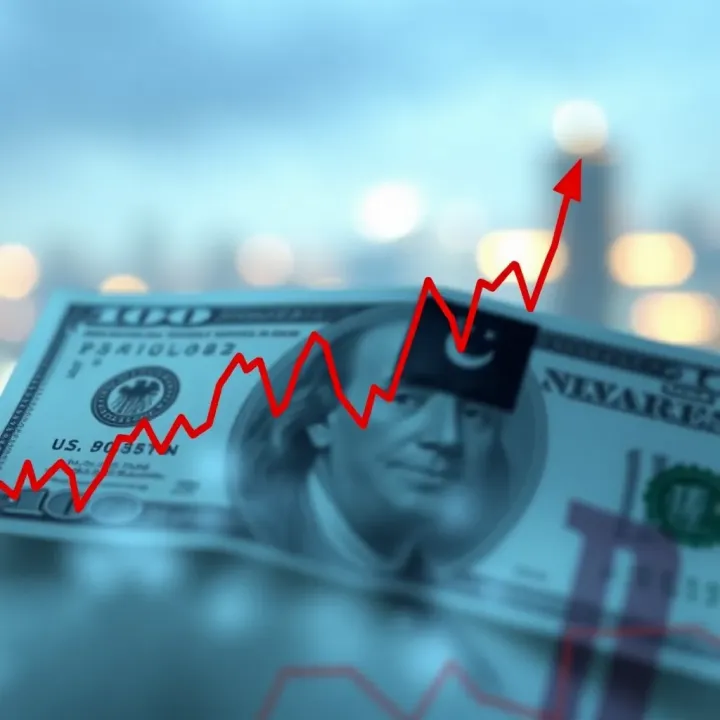
💹 Stay updated on the USD to PKR exchange rate trends! Learn how economic shifts, policies, and global factors may impact your money in Pakistan.
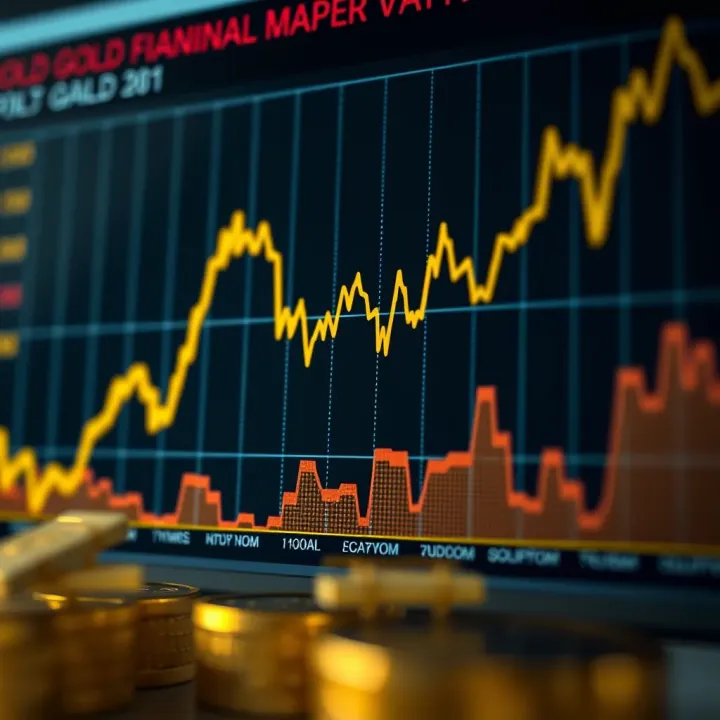
Discover how factors like currency rates, demand, and global trends 📈 influence tomorrow's gold rate in Pakistan. Stay ahead with expert insights and tips! 💰
Based on 9 reviews