
Understanding Tomorrow's Gold Rate in Pakistan
Discover how factors like currency rates, demand, and global trends 📈 influence tomorrow's gold rate in Pakistan. Stay ahead with expert insights and tips! 💰
Edited By
Sophie Clark
Understanding why the US dollar rate changes in Pakistan isn’t just for economists or bankers—anyone involved in trading, investing, or just keeping an eye on the economy can benefit from knowing the ins and outs. The exchange rate directly impacts everything from import prices to inflation, and even your daily grocery bill.
This guide covers all the moving parts behind those dollar-rupee swings. We’ll unpack how economic factors like inflation and foreign exchange reserves, government policies, global events, and market behavior combine and pull the string on the exchange rate.
Think of the dollar rate as a reflection of several forces tugging from different directions. Sometimes it's a simple story like a change in oil prices, other times it’s more complex — say, political instability or shifts in foreign investments.
By the end, you’ll see how each factor plays its part, shedding light on why the dollar rate goes up or down, and what that means for Pakistan’s economy and your daily finances.
Understanding these factors not only helps in making smarter financial decisions but also prepares you for market movements that might affect investments or business operations.
Let’s break down this puzzle step-by-step to make sense of it all, from basics to the more nuanced elements affecting the exchange rate.
Understanding the dollar exchange rate in Pakistan is essential, especially for traders, investors, and anyone involved in financial decision-making within the country. The dollar-rupee rate affects everything from import costs to inflation and remittances inflow. When the rupee weakens against the dollar, imported goods become more expensive, impacting daily expenses and business costs alike.
Let's say a local electronics retailer imports products priced in US dollars. If the exchange rate shifts from 280 to 300 rupees per dollar, their cost goes up significantly, forcing price adjustments or squeezing profits. This ripple effect shows why keeping an eye on exchange rate movements helps businesses and individuals plan better.
Additionally, the exchange rate reflects economic health to a considerable extent. It impacts foreign investment decisions and government policy adjustments, making it a barometer worth monitoring.
In recent months, the Pakistani rupee has experienced volatility due to various pressures such as trade imbalances and inflation. For example, after fluctuations caused by political concerns and global market shifts, the rupee saw a slight depreciation before stabilizing temporarily. Such trends are common and offer clues about future path for the exchange rate.
Understanding these movements allows traders and analysts to anticipate potential risks or opportunities. If you’re an importer or investor, observing monthly trends can signal when to hedge currency exposure or delay transactions.
As of now, the official exchange rate set by the State Bank of Pakistan sits around 285 rupees per US dollar. However, in the open market, rates might differ—often slightly higher due to demand and supply dynamics. Open market rates are more volatile and can reflect immediate sentiment among traders.
Being aware of both official and market rates is crucial, especially for businesses that rely on currency exchanges outside formal banking channels. If, for instance, the open market rate jumps to 290 while the official remains 285, it indicates pressure on the rupee and potential liquidity issues.
Pakistan’s rupee has gone through several ups and downs over the decades. In the 1990s, for example, the dollar rate was much lower—hovering near 30-40 rupees—but gradual depreciation ensued due to inflation and trade deficits. Sharp fluctuations sometimes followed political instability or external shocks like oil price spikes.
Such historical context helps explain current patterns and prepares stakeholders for possible volatility. Knowing that rates have sometimes jumped by 5-10% in short periods can guide risk management strategies.
Exchange rate changes significantly influence Pakistan’s economy. A weaker rupee can raise import costs, leading to higher consumer prices and inflation. On the flip side, it can make Pakistani exports more competitive by making them cheaper for foreign buyers.
To give a real-world example, when the rupee weakened in 2018, Pakistan’s textile exports gained some advantage, but rising import bills increased inflation, pinching consumers’ wallets. Balancing these effects is a tough game for policymakers and businesses alike.
Keeping tabs on exchange rate patterns equips readers with the insight needed to navigate economic challenges and leverage opportunities in Pakistan’s financial landscape.
Understanding the dollar exchange rate in Pakistan means looking closely at several key economic factors. These elements directly affect how much the US dollar is worth against the Pakistani rupee. For anyone dealing in forex markets, investing, or simply trying to grasp why prices change, it's critical to get a sense of how these economic forces play out.
The dollar’s value doesn’t rise or fall randomly—it reacts to what’s happening on the ground economically. Things like Pakistan’s trade balance, inflation rates, and how much foreign money comes into the country are main players here. Let's break down these factors to see how they influence the dollar rate.
Pakistan regularly imports more goods and services than it exports, resulting in a trade deficit. This imbalance means the country needs more US dollars to pay for imports than it earns from exports, pushing demand for dollars upward. For example, when Pakistan imports crude oil or machinery from the US or other dollar-based countries, it needs dollars to complete those transactions.
Higher demand for dollars in this case causes the rupee to weaken. Businesses buying imported goods often have to pay more dollars, which can then make products pricier for consumers. Traders and investors watch this balance closely; a big deficit usually signals downward pressure on the rupee.
Pakistan’s foreign reserves are the buffer that supports its currency. When the trade deficit grows, these reserves deplete because the State Bank of Pakistan has to step in and sell dollars to stabilize the rupee. If reserves dip too low, the country faces trouble covering its international obligations, leading to increased volatility.
For instance, if Pakistan’s reserves fall below a safe threshold, confidence drops, and people expect the dollar to become more expensive. This expectation alone can push the dollar rate higher. Protecting these reserves is essential to avoid sharp depreciation and market panic.
Inflation in Pakistan affects the rupee’s strength too. When local prices rise quickly, the purchasing power of the rupee falls. Traders usually see higher inflation as a sign that the currency might weaken because goods and services are more expensive locally compared to abroad.
For example, if inflation spikes to 10% but interest rates don’t rise accordingly, investors might shift their money out of the rupee, seeking better returns elsewhere. This capital flight increases demand for foreign currency, especially the US dollar, making the rupee lose value.
Inflation erodes what your money can buy—not just in Pakistan but when converting currencies. If it costs more to buy the same basket of goods over time, people need more rupees to get the same dollar amount. This dynamic causes the exchange rate to adjust, generally leading to a higher dollar rate against the rupee.
This effect can be felt in everyday life. For example, if imported food prices rise due to inflation and a weaker rupee, the average household notices immediate changes in their grocery bills.
Foreign direct investment (FDI) and portfolio investments bring dollars into Pakistan, which can help strengthen the rupee. When international companies invest in Pakistani industries or stocks, they exchange their currencies for rupees to operate locally.
For example, a South Korean automaker establishing a manufacturing plant in Pakistan would need to buy rupees, thus increasing demand and stabilizing the currency. Conversely, if global investors get nervous about Pakistan’s economy or political environment and pull out, the rupee faces downward pressure.
Remittances from Pakistanis working abroad are a major source of foreign currency. These inflows provide a steady supply of dollars, helping balance out trade deficits and support the rupee.
Think of families in Pakistan receiving money from relatives in the Gulf states or Europe. This steady flow often keeps the currency from falling too sharply. When remittances rise, it often signals greater dollar availability, which can ease exchange rate pressures.
Keeping an eye on these key economic factors gives traders and investors practical insights into Pakistan’s dollar-ruppee exchange movements. Knowing how trade deficits drain reserves or how remittances add liquidity puts the dollar rate shifts in context, which is far better than guessing the market swings.
Government policies play a significant role in shaping the exchange rate between the Pakistani rupee and the US dollar. These policies influence investor confidence, currency demand, and overall economic stability. When governments decide to adjust fiscal or monetary strategies, these moves ripple through foreign exchange markets, affecting how the dollar fares against the rupee. It’s important to understand these policies because they offer clues to where the exchange rate might head and what businesses or individuals should anticipate.
The State Bank of Pakistan regularly tweaks interest rates to either curb inflation or stimulate the economy. When interest rates go up, higher yields attract foreign investors, boosting demand for the rupee and often leading to a stronger currency. On the flip side, lower interest rates might discourage investment inflows, causing the rupee to weaken against the dollar. For example, in recent years, rate hikes aimed at controlling inflation helped stabilize the rupee temporarily. Understanding these adjustments can help traders anticipate currency moves and businesses plan forex needs more effectively.
Sometimes, the State Bank steps directly into the currency market, buying or selling dollars to influence the rupee's value. These intervention tactics are usually used to ease sharp fluctuations or defend the currency during periods of instability. Suppose there's sudden pressure on the rupee due to capital outflows; the central bank might dip into reserves to bolster the local currency temporarily. However, such interventions aren’t a cure-all—they often provide short-term relief but must be backed by solid economic fundamentals for long-lasting impact.
A government running a budget deficit spends more than it earns, often financing the gap by borrowing or printing money. Persistent deficits can erode confidence in the local currency as they hint at potential inflation or repayment difficulties. Pakistan's budget deficits over the years have sometimes pressured the rupee, making dollars scarcer and more expensive. Businesses and investors monitoring these deficits can better predict currency trends and prepare for cost changes in imports or debt servicing.
Borrowing, especially from external sources, affects the exchange rate substantially. Large foreign debts mean Pakistan must make dollar payments regularly, increasing demand for the greenback. If borrowing becomes too heavy without corresponding economic growth, it risks weakening the rupee. For example, during times when Pakistan increased foreign borrowing, the rupee often faced depreciation due to heightened dollar demand. Awareness of borrowing patterns helps investors and analysts gauge potential vulnerabilities in currency markets.
Government decisions on monetary and fiscal fronts directly shape the dollar’s strength or weakness in Pakistan. Keeping a close eye on interest rate changes, currency interventions, budget deficits, and borrowing trends offers valuable insight into forthcoming exchange rate shifts.
To sum up, government policies are like the steering wheel for Pakistan’s currency value, guiding the rupee through the complex terrain of global and domestic economic pressures. For anyone involved in forex trading, investment, or even everyday business, understanding these policies is key to making informed decisions.
The value of the Pakistani rupee doesn't move in isolation. Several external forces shape its exchange rate, especially those linked to the US dollar. For Pakistan, a country heavily reliant on imports and foreign loans, global shifts can ripple back home with noticeable effects. Understanding these global factors helps traders, investors, and even policymakers anticipate changes and make informed decisions.
Two major players in this global picture are the strength of the US dollar worldwide and fluctuations in oil prices — both deeply connected to Pakistan’s economic landscape.
The Global Dollar Index (DXY) measures the US dollar's value against a basket of major currencies like the Euro, Japanese Yen, and British Pound. When this index shows the dollar strengthening, it generally means the dollar is gaining power internationally. For Pakistan, a stronger dollar means it costs more rupees to buy dollars because the currency's purchasing power has increased worldwide. This can push up the dollar rate locally.
Take 2022, for example — when the dollar index jumped due to interest rate hikes by the US Federal Reserve. Pakistan's rupee weakened in tandem, making imports more expensive and pressuring foreign debt repayments.
Understanding the dollar index helps financial analysts forecast rupee movements. When the index rises, local market players can expect the dollar to strengthen in Pakistan, affecting everything from imports to inflation.
Emerging markets like Pakistan often feel the squeeze when the US dollar climbs. Investors tend to pull money out of riskier markets, seeking safer returns in the strong dollar. This capital flight can weaken the Pakistani rupee as demand for dollars surges.
For instance, during times of global uncertainty — say when US interest rates rise sharply — emerging markets see stock sell-offs and currency depreciation. Pakistan’s rupee often takes a hit because investors see the rupee as more volatile and less attractive.
For traders and investors in Pakistan, watching the dollar's behavior internationally highlights risks and opportunities. A strengthening dollar worldwide means tighter conditions at home, while a weakening may ease pressure on the rupee.
Pakistan imports a large chunk of its oil — over 80% of the country's demand. Since oil is priced in US dollars globally, any spike in oil prices directly raises the cost in rupees. This dependency ties Pakistan’s currency closely to global oil markets.
When prices jump, Pakistan’s import bill balloons, pushing up the demand for dollars and driving the rupee down. This was clear in the 2021–2023 period when crude prices saw wild swings due to geopolitical tensions and supply disruptions.
Budget planners and traders keenly watch global oil prices, knowing any upward trends will almost certainly cause pressure on the rupee.
Oil prices don’t just move steadily; they jump unpredictably. This price volatility makes it tricky for Pakistan to stabilize its currency. Sudden hikes spike import costs, business expenses, and transport fees, fueling inflation. Conversely, sharp drops can ease the rupee’s burden but also signal slower global demand, which might hurt exports.
For businesses and investors, such volatility means higher risks. Companies may face squeezed margins, and policymakers struggle with balancing foreign reserves.
In short, Pakistan’s currency value is caught in the crossfire of global dollar trends and oil price swings — making it essential to keep an eye on international signals for wiser financial decisions.
Understanding these factors arms traders, investors, and educators with practical insights to navigate the complex forces behind the rupee's shifts against the dollar.
Market sentiments and speculation play a major role in shaping the dollar rate in Pakistan's forex market. Unlike purely economic fundamentals, these factors reflect human emotions, perceptions, and anticipations, influencing currency movements in ways that can sometimes defy logic. Understanding these elements is crucial because they often cause sudden swings in the dollar-rupee exchange rate, affecting importers, exporters, and everyday consumers.
Market rumors can stir the pot quickly. For example, a whisper about an upcoming change in Pakistan's monetary policy or a sudden shift in political stability can cause traders to adjust their positions instantly, even before any official announcement. This rumor-driven trading can spike volatility, pushing the dollar rate upwards or downwards in a matter of hours. Traders and investors should always consider the source and credibility of such information to avoid knee-jerk reactions.
In practice, when rumors of an IMF bailout delay surfaced in 2023, the dollar surged sharply against the rupee due to panic buying, although the official news came days later. This shows how rumors alone have real market impact. Staying calm and verifying facts can help avoid unnecessary losses during these volatile times.
Trader behavior, especially in Pakistan’s forex market, is influenced by both sentiment and speculation. Many local traders react strongly to global cues like shifts in the US dollar index or oil price changes, but domestic factors such as government announcements and political events are just as impactful. When traders collectively expect depreciation in the rupee, they might rush to buy dollars, pushing the rate even higher.
An example is the tendency of some traders to momentarily hoard dollars ahead of Pakistan’s budget announcements, anticipating a weaker rupee afterward. Recognizing such patterns can help investors time their trades better and avoid losses from sudden speculative moves.
Investor trust forms the backbone of a stable currency market. When both domestic and foreign investors believe in Pakistan’s economic direction and institutional strength, the demand for local currency improves, stabilizing the rupee. Conversely, distrust can lead to capital flight and increased demand for the dollar.
For example, during periods when Pakistan has managed to secure significant foreign investment or timely IMF support, the rupee has shown resilience. Building trust isn't just about good news; transparent policies and clear communication from the government and State Bank of Pakistan nurture confidence over time.
Political stability matters a lot in Pakistan’s forex dynamics. Uncertainty stemming from frequent government changes or instability tends to scare investors and traders alike. This often triggers a run on the dollar as a safe haven, causing sharp depreciation of the rupee.
Take the 2018 political transition in Pakistan, when nervousness around governance led to a noticeable surge in the dollar rate. The lesson here is clear: sustained political calm reassures markets and keeps the exchange rate from erratic swings.
When markets trust the system and the politics, the rupee holds better ground against the dollar. Speculation and paranoia do the opposite.
By keeping an eye on market emotions and public confidence, traders and investors alike can better navigate the twists and turns of Pakistan’s forex rates. Understanding that not every move is driven by hard data but often by what people believe or fear is key to smarter decision-making.
Predicting the future movements of the dollar rate in Pakistan is more than just guesswork—it’s about understanding the forces at play today and how they might shape tomorrow. For traders, investors, and analysts, these trends hint at opportunities and risks lurking just around the corner. Recognizing these helps businesses plan accordingly and policymakers steer the economy towards steadiness.
Government and State Bank of Pakistan policies can throw the exchange rate off balance suddenly. For example, if the central bank decides to hike interest rates to tame inflation, it might strengthen the rupee slightly by attracting foreign capital. On the other hand, a delay or failure to adjust fiscal deficits could scare investors, pushing the dollar higher. Staying alert to announcements on monetary easing, subsidy changes, or adjustments in foreign exchange reserves gives insiders a leg up on short-term currency moves.
Certain indicators serve as the early warning system for currency shifts. The trade deficit figures are a prime example—widening deficits generally hint at more demand for dollars to pay for imports. Also critical are foreign exchange reserves, inflation rates, and remittance inflows. For instance, a sudden drop in remittances from overseas Pakistanis can tighten foreign currency availability, putting upward pressure on the dollar. Watching these numbers monthly or quarterly can prepare traders and businesses to act swiftly rather than react after the fact.
Long-term stability in the dollar-rupee rate depends heavily on deep-rooted reforms rather than quick fixes. This includes overhauling tax systems to boost revenues, improving export competitiveness, and diversifying the economy away from oil and textile dependence. Without these, Pakistan risks perpetual dollar volatility with occasional sharp crashes or spikes. Past experiences show that countries focusing primarily on short-term monetary tools without addressing core structural problems tend to struggle with sustainable exchange rate stability.
Pakistan’s sizeable external debt significantly influences its currency value. If the government manages repayments wisely, maintaining regular inflows and refinancing arrangements, it prevents panic selling of the rupee. Conversely, heavy reliance on short-term foreign loans or delayed payments can frighten investors, leading to a sharp depreciation of the local currency. Effective debt management also involves negotiating favorable terms and seeking international support to ease immediate pressures.
Staying aware of both immediate policy shifts and deeper economic reforms is key to grasping potential future trends in Pakistan’s dollar rate.
By keeping an eye on policy signals and economic data, while understanding the critical nature of reforms and debt management, traders and investors can better navigate the choppy waters of Pakistan’s forex market.
The exchange rate's movement directly pinches the pockets of everyday people in Pakistan. When the dollar climbs higher against the rupee, it doesn't just sit quietly in the financial news—it trickles down to impact how much a family pays for groceries, schoolbooks, or fuel. This section breaks down the real-world effects of the rupee-dollar dance, showing why understanding these fluctuations matters not just for traders or economists, but for every Pakistani.
Since Pakistan imports a hefty chunk of its consumer goods, machinery, and even food items like edible oil and pulses, a weaker rupee makes these imports pricier. For example, when the dollar surges from 180 PKR to 200 PKR, buying the same quantity of imported electronics or machinery suddenly costs more in rupees. Sellers usually pass these higher costs onto consumers, driving up retail prices. This domino effect means families pay more for items that are not locally produced, tightening budgets for many.
Higher import costs push inflation upward, hitting everyday expenses harder. Think about fuel: Pakistan imports most of its oil, so dollar rate hikes make petrol, diesel, and cooking gas more expensive. This increase sneaks into public transport fares, electricity generation costs, and even bakery prices since wheat is sometimes imported. Essentially, daily life gets costlier, leaving less disposable income for families. People often find themselves tightening belts more as they juggle rising utility bills and grocery prices.
When the rupee devalues, cash savings lose purchasing power. Imagine saving 100,000 rupees in your bank account; if the rupee weakens substantially, that amount buys fewer imported goods or services priced in dollars. Inflation eats into the real value of savings, especially when interest rates on deposits don't keep pace. Without proper adjustment, the hard-earned money stored away slowly diminishes in worth, raising the risk of people losing out in real terms.
Fluctuating exchange rates can shake investor confidence, impacting markets and investment choices. For instance, local equity markets might suffer as companies face higher import costs or debt repayments in dollars, pressuring their profits. On the flip side, some businesses benefit if they export goods priced in dollars. For individual investors, the uncertainty may deter putting money into long-term projects or foreign assets. Those with exposure to foreign currencies might consider hedging strategies to buffer against unexpected currency swings.
Understanding how exchange rate swings affect daily life helps individuals and businesses make smarter financial moves, like adjusting budgets, seeking hedges, or diversifying investments to protect against currency risk.
By grasping these effects, ordinary Pakistanis can better prepare for changes in their economic environment rather than being caught off guard whenever the dollar tick upwards.
Managing fluctuations in the dollar-rupee exchange rate is vital for Pakistan’s economic stability. Sudden shifts can disrupt businesses, hurt inflation rates, and make financial planning harder for everyone—from large exporters to everyday consumers. To keep the rupee’s value steadier, both government actions and individual strategies come into play. Whether it’s using reserves wisely or businesses taking smart steps to protect themselves, these measures help soften the bumps when the dollar moves unpredictably.
One of the government's go-to tools for controlling exchange rate swings is dipping into foreign exchange reserves. Think of these reserves as a big savings account in dollars or other strong currencies. When the rupee suddenly weakens, the State Bank of Pakistan might sell some of these dollars to add supply, preventing the rupee from crashing overnight. On the flip side, if the rupee is too strong, they might buy dollars to balance things out.
This isn't a magic fix, though. Excessive use of reserves can drain this safety net, leaving the country vulnerable if a major global event hits. Pakistan’s reserves hit about $9 billion in early 2024, a slender cushion considering the country’s import needs and debt repayments. The key is strategic, carefully timed intervention rather than constant interference.
Besides reserves, the government often enforces rules to regulate currency flow and reduce speculative trading. For instance, placing limits on how much foreign currency individuals or companies can hold or mandating that exporters convert their foreign earnings at a set rate helps control supply-demand imbalances.
These controls can prevent wild swings caused by rumors or panic trading. However, too-heavy regulation might stifle financial markets and discourage foreign investors, so the challenge lies in balancing control with market freedom. Effective regulatory measures often come hand in hand with transparent communication to calm market nerves.
For businesses regularly dealing with imports or exports, currency swings can be a nightmare—costs can balloon, or profit margins can evaporate. Hedging lets companies lock in exchange rates ahead of time using financial instruments like forward contracts or options. This means that even if the market moves dramatically, the company pays or receives a predictable amount for dollars.
Consider a textile exporter expecting a payment in dollars months from now. By hedging, they secure today’s exchange rate, shielding themselves from an unfavorable drop in rupee value. For smaller investors, similar instruments are sometimes available through banks or brokerage firms, helping protect personal savings or investment returns.
Relying solely on the rupee-dollar dynamic can be risky. Diversification means spreading your currency exposure across several currencies or assets. For example, a business importing machinery could look for suppliers who accept euros or even local currencies. Individuals might diversify savings by investing in foreign assets or mutual funds that hold different currency baskets.
This approach reduces the risk that a sharp move in one exchange rate will hit your finances hard. It’s like not putting all your eggs in one basket: if the dollar spikes suddenly against the rupee, losses might be cushioned by gains in another currency or asset.
Managing dollar rate volatility isn’t about avoiding fluctuation entirely—it's about softening the blow with smart, well-timed tools and strategies.
By understanding these measures and using them appropriately, Pakistan’s economy and its people can better weather the ups and downs of currency changes, keeping everyday life and business operations smoother even when global winds shift.
Discover how factors like currency rates, demand, and global trends 📈 influence tomorrow's gold rate in Pakistan. Stay ahead with expert insights and tips! 💰
📉 Curious about the dollar rate next week? Explore key economic, political, and market factors shaping USD trends in Pakistan's context for smarter decisions.
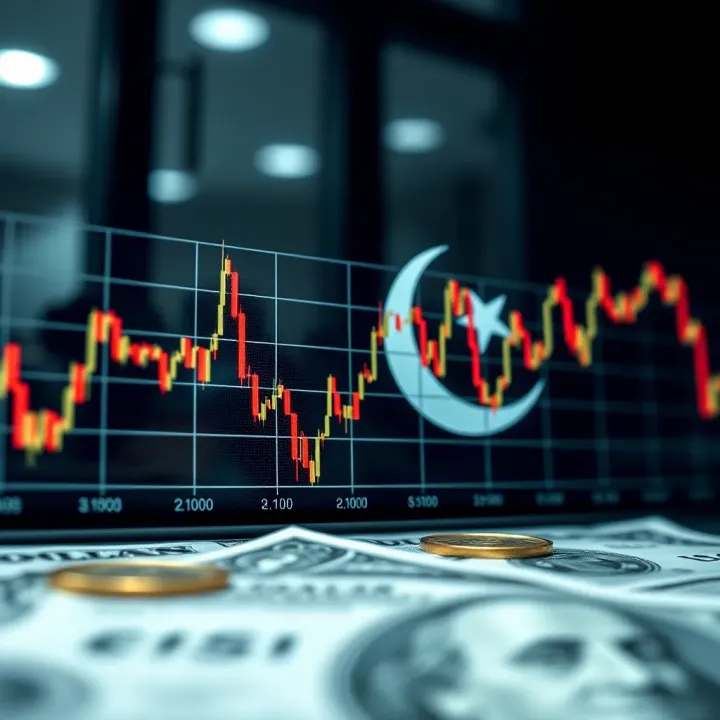
📉 Explore key factors like economic trends, government policies, and expert views influencing whether the US dollar rate will rise against the Pakistani rupee next week.
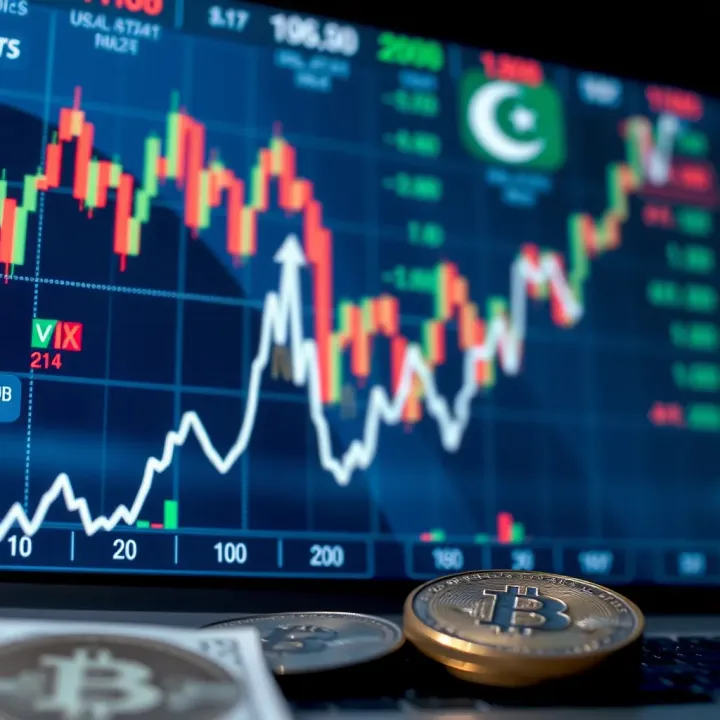
📈 Exploring if the US dollar will rise in Pakistan 🇵🇰 by examining economic data, market trends, and politics, plus what this means for you and businesses.
Based on 11 reviews