
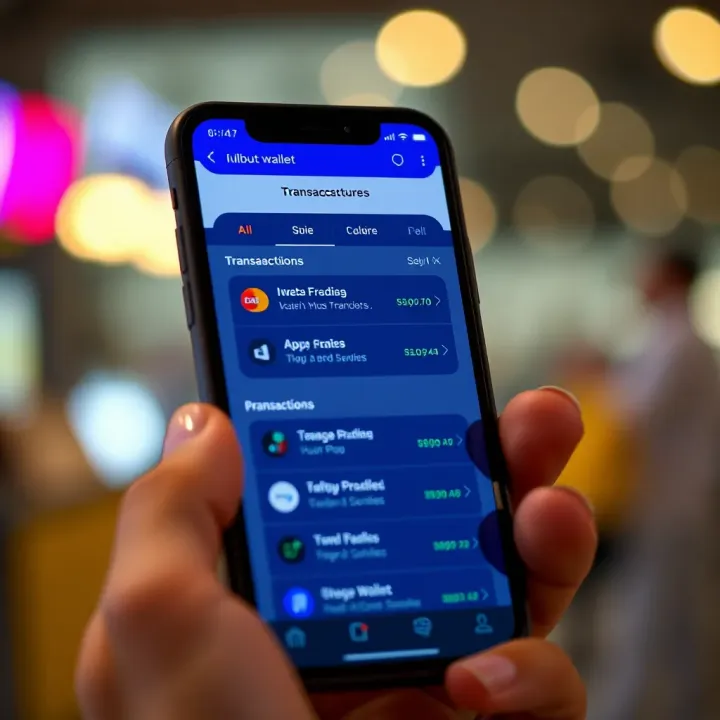
Understanding Hub Wallets in Pakistan
Learn how hub wallets simplify digital payments 📲 in Pakistan with features, security, and top apps to manage everyday transactions easily and securely.
Edited By
Isabella Reed
Bitcoin is the first and most widely recognised cryptocurrency, launched in 2009 by an unknown person or group using the pseudonym Satoshi Nakamoto. Unlike traditional currencies issued by governments, Bitcoin operates on a decentralised network called blockchain, which maintains a public ledger of all transactions. This design eliminates the need for a middleman such as banks, making Bitcoin a peer-to-peer digital currency.
Understanding Bitcoin's core features is essential for traders, investors, and financial analysts. Its supply is capped at 21 million coins, a limit hardcoded into the system to prevent inflation. This scarcity has often drawn comparisons with assets like gold, prompting some investors to consider Bitcoin a store of value or "digital gold".
Bitcoin’s market price can be volatile, influenced by factors like global adoption, regulatory announcements, technological developments, and market sentiment. For example, announcements around regulations by the Securities and Exchange Commission of Pakistan (SECP) or Pakistan Telecommunication Authority (PTA) have impacted local interest and trading volumes.
Technologically, Bitcoin relies on mining — a process where computers solve complex puzzles to validate transactions and secure the network. Miners receive Bitcoin as a reward, encouraging continued participation. However, mining consumes substantial electricity, raising sustainability concerns, especially relevant in Pakistan where loadshedding and energy costs are significant.
Despite volatility and regulatory uncertainties, Bitcoin’s presence in Pakistan has been growing. Many use it for remittances, investment diversification, and as a hedge against rupee depreciation.
To navigate Bitcoin’s landscape, one should consider its:
Decentralisation: No single authority controls it.
Limited supply: Only 21 million coins will ever exist.
Transparency: Transactions recorded on a public blockchain.
Volatility: Prices can swing quickly.
For Pakistani traders and investors, understanding these dynamics aids in making informed decisions. Bitcoin’s evolving regulation and integration into Pakistan’s economy will continue to shape its role in local financial markets over time.
Understanding Bitcoin and its core features is essential for anyone planning to invest, trade, or simply comprehend how this digital asset operates. Bitcoin differs significantly from traditional money, so grasping its foundational elements helps in making informed decisions and avoiding common pitfalls. For example, recognising how its decentralised nature removes the need for intermediaries can explain why transaction costs may vary and security depends heavily on technology.
Bitcoin is a digital currency, meaning it exists electronically without any physical form like notes or coins. Unlike the Pakistani rupee or US dollar, it is not issued or controlled by any central bank or government. This peer-to-peer digital money allows transactions over the internet, much like sending an email but with funds. This feature lets overseas workers in Pakistan send remittances without traditional bank fees or delays, provided both sender and receiver have access to Bitcoin wallets.
Bitcoin runs on a decentralised network, meaning no single authority owns or manages it. Instead, thousands of computers worldwide collectively maintain transaction records. This system uses blockchain technology—a public ledger where each transaction is grouped into blocks linked chronologically. The blockchain ensures transparency and security while preventing double spending. For instance, because every Bitcoin transaction is recorded publicly on the blockchain, it's difficult for fraudsters to forge payment records, increasing trust among users.
When someone sends Bitcoin, the transaction is broadcasted to the network where multiple participants verify it. These participants check if the sender actually owns the Bitcoin and hasn’t spent it elsewhere—solving what is called the "double-spend" problem. Once validated, the transaction goes into a block which, after confirmation, becomes part of the blockchain. This process can take anywhere from a few minutes to over an hour depending on network congestion and fees paid, factors users must consider when timing transactions.
Mining is the process through which new Bitcoins are created and transactions are confirmed. Miners use powerful computers to solve complex maths problems that validate blocks of transactions. The network follows a consensus mechanism known as Proof of Work (PoW), where miners compete to solve the puzzle first, earning Bitcoin rewards for their efforts. This system secures the network and controls Bitcoin’s supply, ensuring it remains scarce. However, mining requires substantial electricity, which affects its feasibility—especially relevant in Pakistan where power costs and loadshedding impact operational costs.
Grasping how Bitcoin functions enables users and investors in Pakistan to navigate its opportunities and risks better, particularly around transaction times, fees, and regulatory concerns.
Understanding Bitcoin’s price trends is essential for investors and traders who want to make informed decisions. Bitcoin’s value swings widely, so analysing historical behaviour and market dynamics helps anticipate future moves and manage risks effectively. This section breaks down what drives these price changes and how various factors shape Bitcoin's market, especially within Pakistan’s economic context.
Major price fluctuations have been a hallmark of Bitcoin’s history. For instance, Bitcoin jumped from around $1,000 in early 2017 to nearly $20,000 by December of the same year, only to fall sharply in 2018. These wild swings impact investor confidence and trading strategies. Understanding such volatility helps traders spot buying or selling opportunities and prepares them for sudden market corrections.
Besides sharp rises and falls, Bitcoin often undergoes periods of consolidation where price movements remain stable before another surge or dip. Recognising these phases can aid in timing market entry or exit, reducing exposure to hasty decisions based on short-term noise.
Drivers behind past surges and dips include a mix of technological developments, regulation, and macroeconomic events. For example, Bitcoin’s 2017 bull run was fuelled by rising public interest, increasing listings on exchanges, and hype around Initial Coin Offerings (ICOs). Conversely, government crackdowns in countries like China or India caused panic selling and price drops.
Market reactions to high-profile endorsements or criticisms also affect Bitcoin’s trajectory. When corporate giants explored blockchain adoption or Tesla announced Bitcoin purchases, prices spiked. On the flip side, scandals involving crypto exchanges or fraud caused sharp declines, reflecting the sensitivity of investor trust.
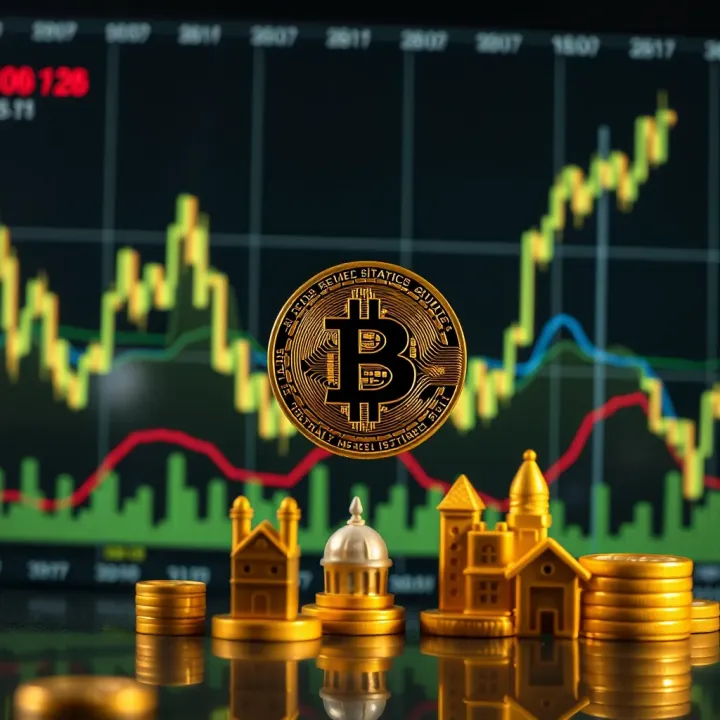
Market demand and supply fundamentally impact Bitcoin’s price. Bitcoin has a capped supply of 21 million coins, which creates scarcity over time, especially as mining slows after every halving. High demand amid limited supply pushes prices upward. In contrast, periods when investors hold or sell large volumes can depress prices. This supply-demand interplay drives day-to-day price movements and long-term trends.
Investor sentiment often reflects broader economic moods and speculation. Positive sentiment ignites buying sprees, while fear or uncertainty triggers sell-offs. For example, during geopolitical tensions or stock market downturns, some investors flock to Bitcoin as a “digital gold,” boosting its price. However, rapid negative shifts in sentiment—due to hacking news or regulatory warnings—can erode market confidence swiftly.
Global economic indicators also shape Bitcoin’s appeal. Inflation fears, currency devaluations, or low interest rates encourage people in countries like Pakistan to seek alternative stores of value. For instance, the weakening of the Pakistani Rupee against the US dollar sometimes prompts investors to look at Bitcoin as a hedge.
Conversely, rising interest rates or strengthening economies can reduce Bitcoin’s attractiveness as investors prefer safer, yield-generating assets.
Influences specific to Pakistan include regulatory uncertainty and limited official support for cryptocurrencies, which restrict widespread adoption. Still, remittance use cases attract many Pakistanis to Bitcoin, especially given high fees and delays in traditional money transfer channels.
Local demand surges during economic instability or political uncertainty as people look to protect their savings. However, market manipulation risk remains high due to smaller, less liquid Bitcoin trading volumes in Pakistan, requiring extra caution for local investors.
Monitoring these price trends and market factors helps Pakistani investors navigate the volatile Bitcoin ecosystem with greater awareness, reducing risk of losses and enhancing potential gains.
Technological innovations play a major role in shaping Bitcoin's future and its broader acceptance. Understanding recent developments helps traders, investors, and analysts grasp how these advances impact transaction efficiency, security, and competition with other cryptocurrencies.
Bitcoin’s original blockchain faces limits on transaction speed and scalability, meaning it can process only about 7 transactions per second. This causes delays and higher fees during peak demand, which affects user experience and practical daily use, especially in countries like Pakistan with growing crypto interest.
To address this, technologies like the Lightning Network have emerged. The Lightning Network enables off-chain transactions—allowing users to open payment channels where numerous transactions occur instantly without burdening the main blockchain. This reduces confirmation times from minutes to seconds and slashes transaction costs drastically. It’s a solution that makes Bitcoin more suitable for small, everyday payments, such as buying chai at a dhaba or paying for ride services like Careem.
Security remains a fundamental concern for Bitcoin users and institutions. Blockchain’s decentralised nature already offers strong resistance against hacking. Yet, continuous improvements in cryptographic methods strengthen this protection further. For example, Taproot upgrade, implemented in recent years, enhances transaction privacy and security while making complex transactions more efficient.
These advances not only protect users’ funds better but also increase confidence among institutional investors and financial regulators. For Pakistani investors, who often deal with scams and insecure platforms, upgraded Bitcoin security means a safer environment to participate in crypto trading and investment.
Cryptocurrencies, including Bitcoin, are increasingly integrating with technologies like artificial intelligence (AI), Internet of Things (IoT), and blockchain-based smart contracts. This integration expands the use cases of digital currencies beyond mere value transfer.
Smart contracts on Bitcoin’s network, although more limited than Ethereum’s, are growing with platforms like RSK, enabling automated transactions and agreements. In practical terms for Pakistan’s fintech ecosystem, this allows automated payment processing for services like mobile top-ups or utility bills, reducing manual errors and payment delays.
Bitcoin faces competition from many other digital currencies, including Ethereum, Binance Coin, and relatively newer entrants like Solana. These platforms often address Bitcoin’s limitations by offering faster transactions, lower fees, or better programmability.
Pakistani investors observe these alternatives closely, especially those interested in decentralised finance (DeFi) or NFT markets. While Bitcoin remains the gold standard store of value, competitors push the market to innovate and offer diverse choices. This competition contributes to the overall maturing of the crypto market within Pakistan and globally.
Technological progress in blockchain and cryptocurrencies enhances Bitcoin’s utility, security, and competitive edge — factors crucial for informed decision-making in Pakistan’s growing crypto landscape.
Understanding Pakistan's regulatory and legal framework for Bitcoin is essential for anyone involved in trading, investing, or using cryptocurrencies locally. Regulations directly impact how these digital assets are accessed, traded, and integrated into the economy. They also influence investor confidence and protection, while shaping the future growth of fintech innovations. This section covers the current state of Bitcoin's legal status in Pakistan and the practical effects of regulations on daily use.
The State Bank of Pakistan (SBP) has maintained a cautious stance regarding Bitcoin. In April 2018, SBP explicitly prohibited banks and financial institutions from dealing with cryptocurrencies or providing services to crypto exchanges. This ban has limited formal banking access for crypto businesses, forcing them to operate in an informal space. The main concern lies in the risks posed by volatility, money laundering, and consumer protection.
Despite global growth in cryptocurrency adoption, SBP has yet to recognise Bitcoin as legal tender or a regulated asset class. However, it monitors developments and consults with other institutions to potentially create a balanced regulatory framework. For traders and investors, this means high regulatory uncertainty remains a key challenge in Pakistan’s Bitcoin market.
Bitcoin faces legal ambiguity in Pakistan beyond the SBP’s directive. There are no comprehensive laws explicitly permitting or forbidding private ownership or trading of Bitcoin. This lack of clear guidelines creates difficulties for investors and businesses in complying with tax rules or anti-money laundering regulations. For example, Bitcoin transactions might attract scrutiny by the Federal Board of Revenue (FBR) during audits, but there is no formal tax policy for crypto gains yet.
This grey area complicates enforcement actions and leaves users vulnerable to legal risks, including seizure of assets or fines for unregulated operations. Compliance with international standards like the Financial Action Task Force (FATF) puts additional pressure on Pakistan to formalise crypto regulations soon.
Regulatory restrictions have heavily impacted crypto exchanges in Pakistan. Without official approval from SBP, many exchanges struggle to integrate with banks, resulting in reliance on peer-to-peer networks or informal banking channels. This affects liquidity and raises operational risks for businesses and customers alike.
For example, local platforms often face difficulties in conducting large-value transactions or providing fast deposit and withdrawal services. This constraint slows down market growth and encourages some users to turn to overseas exchanges, albeit with added risks and costs.
The absence of clear crypto laws also hampers investor protection. Without regulatory oversight, scams and frauds have surfaced periodically in Pakistan’s crypto space. Investors lack formal recourse to recover losses from Ponzi schemes or hacking incidents.
Moreover, volatile price swings in Bitcoin exacerbate risks for inexperienced traders. Authorities have warned public repeatedly about speculative dangers, but without protective regulations, many remain exposed to unregulated and risky investments.
Investor education and cautious participation are currently the best safeguards while regulatory clarity develops.
Bitcoin’s cross-border utility faces challenges here due to the regulatory environment. Pakistan’s foreign exchange rules restrict the flow of funds abroad, and buying crypto from international exchanges or sending Bitcoin overseas can conflict with central bank guidelines.
Crypto remittances, which could benefit the economy by lowering costs for overseas Pakistanis sending money home, remain limited. Regulatory uncertainty about how cross-border crypto funds are tracked and taxed further complicates these transactions.
To sum up, regulatory and legal factors shape how Bitcoin functions within Pakistan’s financial ecosystem today. While risks and restrictions prevail, the evolving landscape also signals potential for clearer rules and safer frameworks that could unlock new avenues for crypto adoption and innovation.
Bitcoin has drawn significant attention in Pakistan due to its potential to reshape financial transactions and digital commerce. Its growing popularity reflects both practical use and speculative interest, but understanding its concrete role within Pakistan’s economy helps clarify opportunities and challenges ahead.
Remittances and international payments: Remittances contribute a large chunk to Pakistan’s economy, with millions of overseas Pakistanis sending money home regularly. Bitcoin offers a fast, relatively low-cost alternative to traditional channels like banks and money transfer operators. For instance, a Pakistani receiving money from the Gulf or North America can avoid hefty service charges and multiple-day delays by using Bitcoin wallets. This works especially well when traditional banking hours or loadshedding disrupt regular transfer routes.
Still, the volatility of Bitcoin's value poses a concern. Many users rely on quick conversion to PKR to avoid losses, which means trusted local exchanges become crucial for effective remittance flows. This dynamic is gradually making Bitcoin more relevant among the diaspora and Pakistanis with international ties.
E-commerce and digital services: Pakistani merchants and service providers are slowly adopting Bitcoin to cater to tech-savvy customers and open cross-border business. Online platforms, freelancers, and digital content creators find Bitcoin useful for receiving payments globally without dealing with complex banking fees or delays. For instance, Pakistani graphic designers or developers contracted by foreign clients sometimes prefer Bitcoin for instant payments.
Despite this, low awareness and regulatory ambiguity hold back widespread use in e-commerce. However, some online stores and marketplaces offering electronics, software, or digital subscriptions are testing acceptance of Bitcoin, hoping to tap an emerging segment of consumers who prefer cryptocurrency payments.
Financial inclusion possibilities: Bitcoin’s decentralised nature can help include unbanked segments, especially in rural or remote areas where banking infrastructure is thin. Pakistan has many with CNICs but no active bank accounts; digital wallets plus Bitcoin could provide those excluded from formal finance a gateway to participate in digital trade and payments.
This holds promise for micro-businesses and small vendors who often struggle with cheque clearances or bank charges. Still, practical adoption requires affordable internet access and user education, which PSU banks and telecom companies can collaborate to provide.
Volatility and market risks: Bitcoin’s price swings can be drastic, posing risks to investors and everyday users. Pakistani investors drawn by high returns must recognise this volatility’s impact on portfolios and remittances. Sudden market dips might wipe out expected gains or sent funds’ value.
This risk limits Bitcoin’s use as a stable medium for daily transactions or savings. Regulatory clarity and investor protection mechanisms from financial authorities would help mitigate some of these challenges, encouraging safer participation.
Potential for innovation and fintech development: The rise of Bitcoin stimulates Pakistan’s fintech sector to innovate around blockchain-based solutions. Local startups are exploring remittance services, payment gateways, and digital identity verification using blockchain technology.
For example, a Karachi-based fintech might develop secure smart contracts tailored for Pakistani contracts or loan disbursements. Such innovations can boost transparency, reduce transaction costs, and improve financial services coverage, supporting broader economic growth.
Bitcoin in Pakistan offers a mix of cautious optimism and tangible potential. As adoption grows, especially in remittances and digital commerce, clear regulations and education will be critical to harness its benefits while reducing risks.
Overall, Bitcoin's influence in Pakistan's economy remains emerging but worth watching closely for traders, investors, and businesses aiming to stay ahead in the digital financial space.
Learn how hub wallets simplify digital payments 📲 in Pakistan with features, security, and top apps to manage everyday transactions easily and securely.
Explore HODL in crypto 🪙—its origin, meaning, and impact on investors in Pakistan. Learn when to hold assets and understand the risks involved confidently.

📈 Understand gold rates in Pakistan, factors that affect pricing, market trends, and tips for smart buying. Stay informed to make wise gold investments! 💰

📈 Learn how traders in Pakistan master skills, analyze markets, and manage risks to boost performance and navigate financial challenges wisely.
Based on 12 reviews