

A Practical Guide to Cryptocurrency Trading in Pakistan
📊 Discover practical tips on cryptocurrency trading in Pakistan 🇵🇰: learn key coins, secure platforms, risk control, legal insights, and smart strategies.
Edited By
Sophie Clark
Online trading has become a popular avenue for many Pakistanis looking to grow their wealth amid evolving economic conditions. Whether you are an investor aiming to diversify your portfolio or a trader seeking short-term profits, understanding the basics is essential before stepping into the market.
This guide will break down the fundamentals of online trading in Pakistan, focusing on practical steps, local platforms, and legal aspects you must keep in mind. The convenience of digital access means you can buy and sell shares, commodities, or currencies from anywhere using your computer or mobile device.

To begin, you need to open a trading account with a registered brokerage firm licensed by the Pakistan Stock Exchange (PSX). This usually requires your CNIC (Computerised National Identity Card), bank details, and a NICOP if you live abroad. Several brokers now offer online account opening, speeding up the process.
Equities: Trading shares of companies listed on PSX.
Commodities: Investments in gold, oil, and agricultural products.
Currency (Forex): Although less regulated, forex trading is popular, but proceed with caution and verify the platform’s legal standing.
Popular platforms include PSX's own web portal and apps, as well as broker-specific software like IGI Securities and JS Global Capital’s trading systems. Mobile-friendly platforms are gaining ground, allowing trades on the go.
Remember, choosing a trustworthy broker and platform reduces risks of fraud or data breaches.
The Securities and Exchange Commission of Pakistan (SECP) regulates trading activities. Stay updated on taxation rules, especially regarding capital gains tax and documentation required for compliance to avoid penalties.
This introduction sets the base for understanding how to trade online in Pakistan effectively. As you advance, consider the various strategies and risk management techniques detailed further in this guide.
Having a solid grasp of the basics of online trading is essential for anyone looking to invest or trade in Pakistan’s rapidly evolving financial markets. This foundation lets you make informed decisions, avoid common pitfalls, and take advantage of the opportunities offered by digital trading platforms.
Online trading refers to buying and selling financial assets such as stocks, currencies, commodities, or cryptocurrencies using internet-based platforms. Unlike traditional trading, which often required physical presence on a trading floor or dealing through brokers in person, online trading happens through software or mobile apps. This shift has made trading more accessible and affordable for people across Pakistan, including those in smaller cities.
Practically, online trading means you can monitor market movements, place orders, and manage investments in real-time from your desktop or smartphone. For example, a trader in Lahore can buy shares listed on the Pakistan Stock Exchange (PSX) during market hours without visiting a broker’s office.
Compared with traditional methods, online trading offers speed, transparency, and greater control over one’s portfolio. While older methods relied heavily on brokers executing orders manually, online platforms typically allow traders to execute deals instantly, which is crucial for strategies like day trading. However, the ease of access also demands that traders be more responsible for their decisions since delays in reaction might mean losing money.
The stock market remains one of the most familiar online trading venues for Pakistani investors. Through platforms linked to PSX, traders can buy and sell shares of companies like Habib Bank Limited or Pakistan Petroleum Limited. This market is suited for those who prefer investing in listed companies with regulated oversight and established trading hours.
Forex trading involves exchanging one currency for another, like buying US dollars with Pakistani rupees. It operates 24 hours a day and is popular among traders looking for quick gains due to currency fluctuations. In Pakistan, forex trading usually happens through licensed brokers and regulated platforms, though it requires keen understanding of global economic factors, such as SBP monetary policy or geopolitical events.
Traders can also participate in commodities like gold, oil, or agricultural products online. Pakistan’s farmers and exporters often watch commodities prices to hedge risks or speculate. For instance, fluctuations in gold prices measured in US dollars sometimes impact consumer demand locally. Online commodities platforms usually provide tools to track price trends and execute contracts.
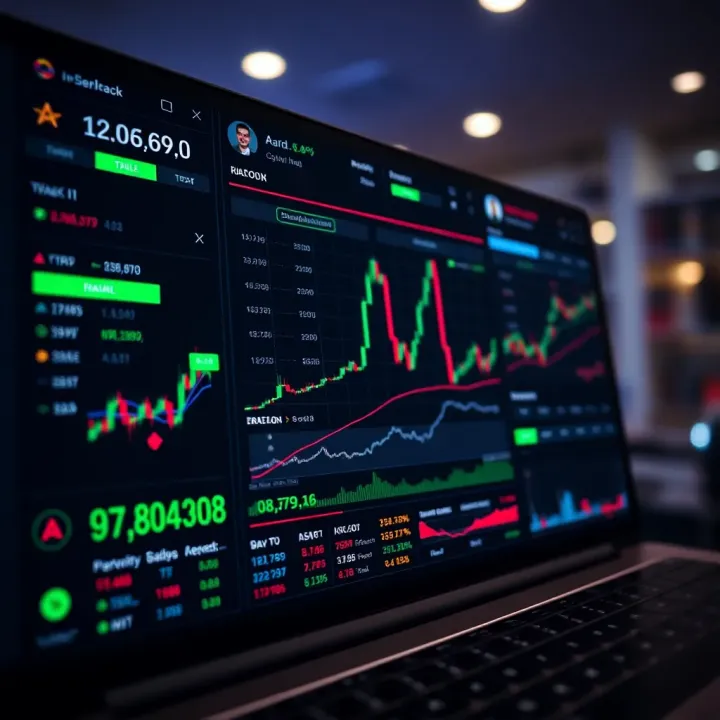
Despite regulatory uncertainties, crypto trading has gained substantial interest among Pakistani youth. Platforms allow trading of Bitcoin, Ethereum, and other digital coins. Given their high volatility, cryptocurrencies offer both risks and rewards. However, users in Pakistan should be cautious and stay updated on PTA and SECP guidance, especially since crypto is not yet fully regulated.
Understanding the distinct markets accessible online helps traders decide where to focus based on their risk appetite, knowledge, and trading goals. Each market demands specific strategies and offers unique opportunities within Pakistan’s economic context.
Starting online trading in Pakistan means taking the right initial steps to set yourself up for success. This phase involves practical tasks like opening a trading account and selecting the best platform, which directly affect your trading experience and financial outcomes. Being careful at this stage helps you avoid future hassles with access, costs, or security.
Selecting a brokerage firm matters because your broker acts as the bridge between you and the stock exchange. In Pakistan, well-established brokerage firms registered with the Pakistan Stock Exchange (PSX) ensure smooth transactions and regulatory compliance. For example, companies like AKD Securities and JS Global Capital are popular choices offering a balance of reasonable brokerage fees and good customer service. Selecting a reliable broker also means you get access to useful advisory services or educational resources that can help beginners.
KYC (Know Your Customer) requirements and CNIC verification are mandatory steps that protect both traders and the market. Under SECP regulations, brokers must verify your identity using your Computerised National Identity Card (CNIC) before allowing you to trade. This prevents fraud and money laundering. Usually, you submit your scanned CNIC copy and fill out a form either online or at the broker's office. This process may seem time-consuming but is essential for securing your account and complying with Pakistani law.
Pakistan offers several popular platforms for online trading, including PSX's official Online Trading System and brokerage apps like MNET and iTrade. These platforms allow buying and selling of shares, tracking portfolios, and accessing live market data. Using a platform widely trusted in Pakistan means you're more likely to experience timely updates and minimal technical issues.
When deciding between mobile apps and desktop software, consider your trading style. Mobile apps, such as those offered by JS Global or MCB-Arif Habib, give flexibility to trade anywhere, even during loadshedding breaks when desktop access can be limited. Desktop software tends to offer more advanced tools and bigger screens, which suits traders who perform detailed technical analysis.
Look for essential features such as real-time price quotes, easy order placement, reliable charting tools, secure login processes, and quick customer support. For instance, having a stop-loss feature integrated into the platform helps manage risk better. Also, check if the platform supports multiple payment methods for deposit and withdrawal, including JazzCash or Easypaisa, since convenient fund transfers streamline your trading.
Starting properly with a verified account at a trusted brokerage and choosing a platform tailored to your trading needs lays a strong foundation for successful online trading in Pakistan.
By paying attention to these initial steps, you ensure your trading journey begins on solid ground, avoiding common roadblocks like identity issues or platform inefficiencies.
Having a good grasp of common trading strategies and tools is essential for any trader wanting to succeed in online trading in Pakistan. These strategies help you plan your moves, minimise losses, and maximise gains in a market that can be unpredictable. Knowing which tools to use will improve your analysis and decision-making.
Day trading involves buying and selling securities within the same trading day. Traders who follow this strategy aim to profit from short-term market fluctuations by making multiple trades throughout the day. In Pakistan, day trading has gained popularity among younger traders using platforms like Pakistan Stock Exchange's (PSX) online portals or mobile apps like MNET or IGI Securities. The fast pace demands constant monitoring of price movements but can yield quick returns if timed well.
Swing trading is a medium-term approach where positions are held for several days to weeks. Swing traders look to capture price swings within a trend, often using technical analysis to identify entry and exit points. This suits those who cannot watch markets minute-to-minute but still want to take advantage of market volatility. For example, an investor might buy shares of a Pakistani bank gaining momentum due to favourable economic policies and sell once it shows signs of resistance.
Long-term investing focuses on holding assets for months or years, relying on the fundamental strength of companies and economy growth. This strategy fits investors looking to build wealth steadily, such as buying shares of established companies like Lucky Cement or Engro Corporation. Long-term investors often benefit from dividends and capital appreciation without stressing over daily price changes.
Reading charts and indicators plays a key role in technical analysis. Traders use candlestick charts, moving averages, relative strength index (RSI), and other tools to understand price patterns and momentum. For instance, spotting a ‘head and shoulders’ pattern can signal a trend reversal, helping traders decide when to buy or sell. In Pakistani markets, many brokerages provide charting tools in their platforms, making it easier to apply this analysis.
Understanding company financials and economic data relates to fundamental analysis. It involves studying balance sheets, profit and loss accounts, and economic indicators like inflation or interest rates to gauge a company’s or market’s health. For example, knowing that the State Bank of Pakistan (SBP) has adjusted the policy rate helps traders predict market reactions. Evaluating quarterly reports of companies listed on PSX helps investors identify undervalued stocks with strong growth potential.
Combining both technical and fundamental analysis can strengthen your trading decisions and reduce risks.
By applying these strategies and tools thoughtfully, traders in Pakistan can improve their chances of sustained success in online trading.
Risk management forms the backbone of sustainable online trading. Without adequate safeguards, traders in Pakistan risk losing substantial amounts of capital due to market volatility or fraud. Managing risks helps preserve your investment capital while allowing steady growth over time. For instance, a trader using stop-loss orders can avoid steep losses during sudden market dips commonly seen in volatile sectors like Forex or cryptocurrency.
Stop-loss orders help limit potential losses on a trade by automatically selling an asset once it reaches a specified price. This tool prevents emotions like fear or hope from delaying critical decisions, ensuring losses stop at a manageable level. For example, if a stock is bought at Rs 200 and you set a stop-loss at Rs 180, the trade will close automatically if prices drop to Rs 180, preventing further loss. Using stop-loss orders is especially important in Pakistan’s often fluctuating markets, where unexpected announcements or economic events can impact prices quickly.
Diversification means spreading your investments across different asset classes or sectors to reduce exposure to a single market shock. A portfolio containing shares from multiple industries, plus some government bonds or commodities like gold, is less vulnerable to one sector’s downturn. In Pakistan, where political and economic factors can sharply affect certain stocks, diversifying investments helps safeguard overall returns. Avoid putting all your capital into one stock, such as a single bank or textile company, to reduce risk effectively.
Position sizing refers to determining the right amount of capital to allocate to each trade based on your total investment and risk tolerance. For example, if you have Rs 1 lakh to invest and want to risk only 2% per trade, you’d limit your position size accordingly. Correct position sizing avoids heavy losses from a single unsuccessful trade. In Pakistan’s online trading scene, where leverage can tempt traders into larger bets, managing position sizes keeps your account safer and maintains long-term viability.
Recognising scams and frauds is vital in Pakistan’s growing but sometimes unregulated online trading sphere. Fraudulent schemes promise quick profits or insider tips and often target inexperienced traders through fake websites or social media ads. Always verify broker licences with SECP (Securities and Exchange Commission of Pakistan) and avoid platforms without proper registration. Beware of unrealistic earnings and pressure tactics to deposit more money.
Managing emotional decision-making is crucial to stay disciplined. Many traders lose money because they let greed, fear, or hope drive impulsive buys or sales. It’s common to see beginners chasing losses or holding losing positions in hope of a turnaround. Developing a trading plan with defined entry, exit, and risk parameters helps reduce emotional bias. Regularly reviewing your trades keeps decision-making clear and based on logic rather than feelings.
Successful trading is less about predicting markets perfectly and more about protecting your capital with smart risk controls and a clear mind.
By mastering these risk management techniques and avoiding common pitfalls, traders in Pakistan can build confidence and consistency in their online trading activities.
Understanding the legal and regulatory framework is vital for anyone involved in online trading in Pakistan. This framework ensures that trading activities remain transparent, fair, and protected against malpractice. For traders and investors, knowing about the rules set by the Securities and Exchange Commission of Pakistan (SECP) and the Pakistan Stock Exchange (PSX) helps avoid scams, legal complications, and financial losses.
The SECP oversees the licensing of brokerage firms operating in Pakistan. Only brokers authorised by SECP can legally facilitate trades on behalf of investors. This regulation ensures that brokers follow defined standards related to capital adequacy, client fund segregation, and operational transparency. For example, before opening a trading account with any firm, confirm it holds a valid SECP licence to avoid dealing with unregulated dealers who might expose you to fraud or mismanagement.
The PSX acts as the official platform where approved brokers execute trades. It also enforces rules to maintain market integrity, such as monitoring unusual trading patterns. This limits insider trading and market manipulation, thereby protecting your investments.
SECP and PSX provide several protections to investors that reduce the risks inherent in online trading. These include a compensation fund that covers clients if a broker defaults or goes bankrupt. Additionally, SECP mandates disclosures about investment products and broker conduct to keep investors informed.
Moreover, dispute resolution mechanisms such as arbitration are in place at SECP and PSX levels, helping investors raise complaints without lengthy court procedures. These protective measures are practical safeguards, ensuring your online trading experience in Pakistan remains secure and fair.
Profits earned from selling securities on the Pakistan Stock Exchange are subject to capital gains tax (CGT). The applicable tax rate varies depending on how long you hold the asset. For instance, shares held for less than a year may attract higher CGT compared to those held longer. This system encourages longer-term investment but requires traders to be aware of tax deadlines to avoid penalties.
Traders should also note that CGT rates differ for different asset classes such as equities, commodities, and real estate securities. Understanding these distinctions helps in accurate tax planning and maximises post-tax returns.
Online traders in Pakistan must report their trading income when filing annual tax returns with the Federal Board of Revenue (FBR). This includes declaring profits, losses, and any withholding taxes already deducted at the brokerage level.
Maintaining detailed records of trades and statements simplifies the filing process. The FBR may request proof of transactions or tax payments, so staying organised is beneficial. Traders using platforms like JazzCash or Easypaisa for payments from trading proceeds should also record these channels in their tax filings to ensure full compliance.
Clear knowledge of the legal and tax framework helps prevent issues later, making online trading a safer and more predictable activity for Pakistani investors.
📊 Discover practical tips on cryptocurrency trading in Pakistan 🇵🇰: learn key coins, secure platforms, risk control, legal insights, and smart strategies.

📱 Explore top trading apps in Pakistan, learn about features, regulations, security tips, and pick the best platform for your investing needs safely!
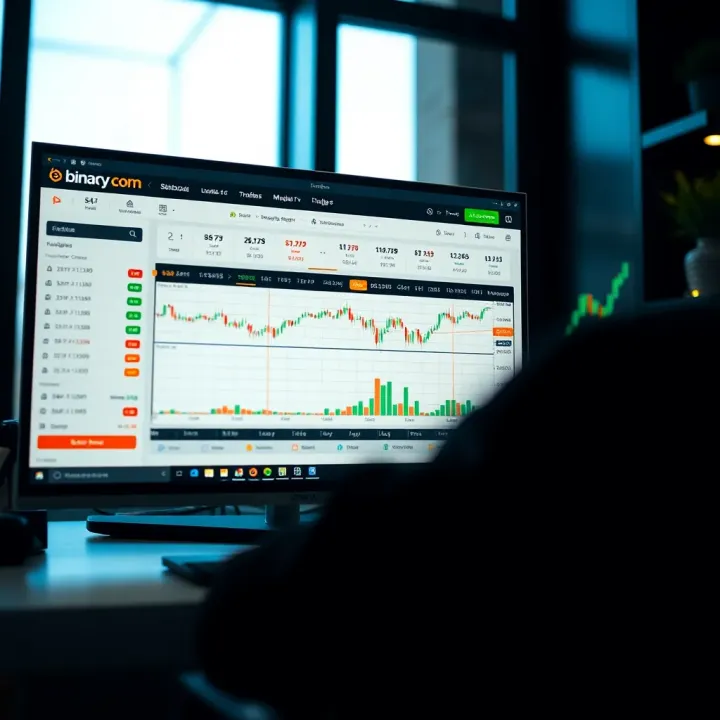
Explore Binary.com in detail: account setup, trading options, security, and expert tips for Pakistani traders 📈💻. Trade smarter with our clear guide!

Explore practical tips and key insights on forex trading in Pakistan 🇵🇰. Understand strategies, risks, and regulations to trade confidently in 4x markets 💹.
Based on 5 reviews