
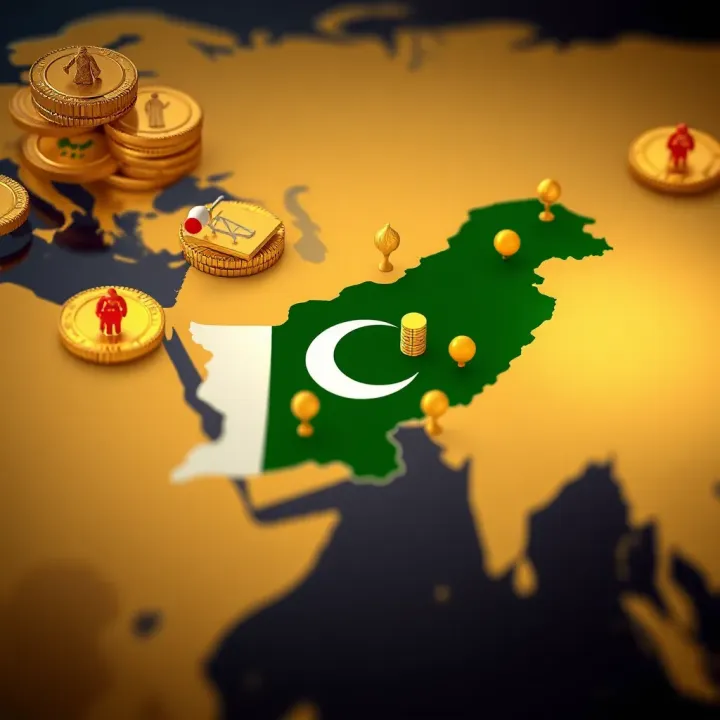
Gold Price Prediction in Pakistan: Trends and Factors
📈 Explore how global events, economic indicators, and Pakistan's market trends shape gold prices. Get clear insights to help make smart investment choices.
Edited By
Sophie Clarke
Gold has long been regarded as a strong store of value in Pakistan, especially during times of economic uncertainty. Its price is influenced not only by local factors but also by international trends and events. For traders and investors keeping an eye on Pakistan's gold market, understanding these influences is essential for making informed decisions.
Unlike other commodities, gold often moves independently of stock markets and currencies. In Pakistan, one major factor affecting gold prices is the rupee-dollar exchange rate. Since gold is priced globally in US dollars, any depreciation of the Pakistani rupee against the dollar tends to push local gold prices higher. For example, if the rupee weakens by 5%, gold prices in PKR generally rise by a similar margin, making gold a hedge against currency fluctuations.
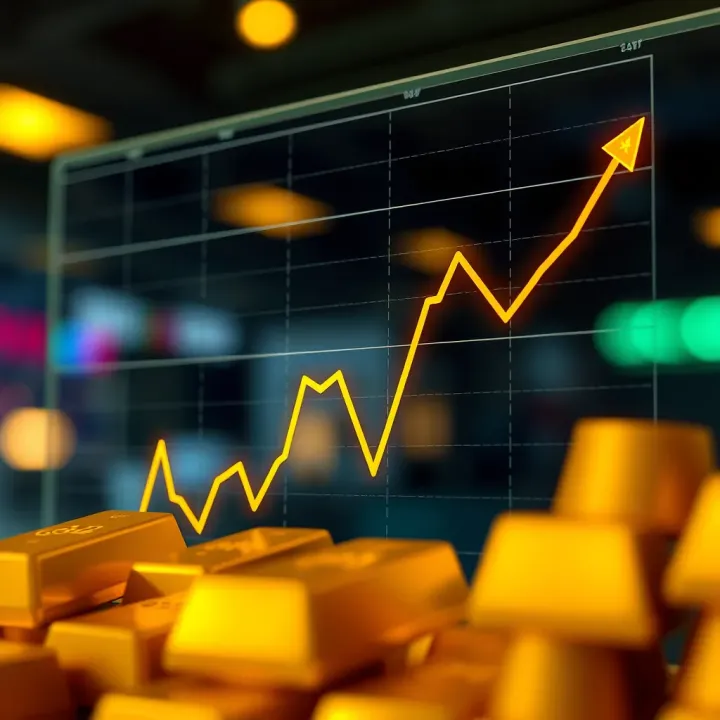
Government regulations also play a significant role. Policies such as import duties, trading taxes, and restrictions on gold imports directly impact market availability and pricing. During periods of tighter controls or increased customs duties, Pakistan has seen local gold prices rise quickly due to supply bottlenecks.
Global factors like geopolitical tensions, inflation trends, and shifts in international demand further influence gold rates. For instance, instability in the Middle East or rising inflation in major economies typically pushes up global gold prices, which then reflects in Pakistan's market.
Given these complexities, investors should monitor a range of indicators—from exchange rates and government policy updates to geopolitical developments—rather than relying on a single factor.
For beginners or financial analysts looking to enter Pakistan's gold market, the key is to remember that gold acts both as an investment and a protective asset. Its performance often diverges from typical financial markets, especially during economic slowdowns or heightened uncertainty.
To forecast gold prices effectively:
Track PKR-USD exchange rate movements daily.
Follow announcements by the Federal Board of Revenue (FBR) regarding import duties or new taxes.
Keep an eye on political stability and regional developments.
Watch global inflation data and gold demand trends.
This multifaceted approach helps in understanding where gold prices are headed and aids in making timely investment decisions within Pakistan's unique market setup.
Understanding the current situation of gold prices in Pakistan is vital for traders and investors aiming to make informed decisions. Gold acts as a safeguard against economic uncertainties, making its trends a good barometer for market sentiment and financial stability. Tracking recent movements in the gold market helps in identifying opportunities or risks for investment, especially amid Pakistan’s fluctuating exchange rates and inflation.
Price movements over the past year have shown notable volatility. For instance, gold prices surged sharply during mid-2023, partly due to the weakening Pakistani Rupee and rising global gold rates. However, prices eased towards the end of the year as the rupee found some stability and global inflation pressures moderated. These swings highlight the sensitivity of gold prices to both domestic currency moves and international economic shifts, making regular price monitoring essential for investors.
When we look at the comparison with regional gold prices, Pakistan’s gold rates typically track closely with neighbouring markets like India and the Gulf countries but often at a slight premium. This difference stems from varying import duties, taxes, and demand fluctuations during local festive or wedding seasons. For example, gold in Karachi may cost a few rupees more per gram than in Dubai, reflecting local demand spikes and supply constraints. Traders benefit from understanding these differences to time purchases or sales effectively.
Gold holds deep cultural significance in Pakistan. It is not simply an investment but bears social and emotional value, especially as a gift in weddings, births, and religious celebrations. Families prefer gold jewellery not only for its aesthetic appeal but also as a long-term store of wealth. This cultural bond sustains steady gold demand irrespective of short-term economic trends.
The impact of festivals and the wedding season further fuels gold demand each year. Events like Eid, Diwali, and the peak wedding months (usually October to March) see a noticeable surge in buying. Jewellery shops often report sales increases of 30-40% during these periods, pushing gold prices upward temporarily. For investors, recognising these seasonal patterns can help in planning entry points to avoid overpaying during demand spikes.
Monitoring Pakistan’s gold prices means keeping an eye not only on economic indicators but also on cultural rhythms that shape buying behaviour. This dual perspective equips investors with a realistic understanding of market dynamics.
Currency fluctuations play a significant role in shaping gold price movements in Pakistan. Since gold is priced internationally in US dollars, variations in the Pakistani rupee’s exchange rate against the dollar directly impact local gold prices. For investors and traders in Pakistan, understanding this connection helps in anticipating price changes and planning purchases or sales accordingly.
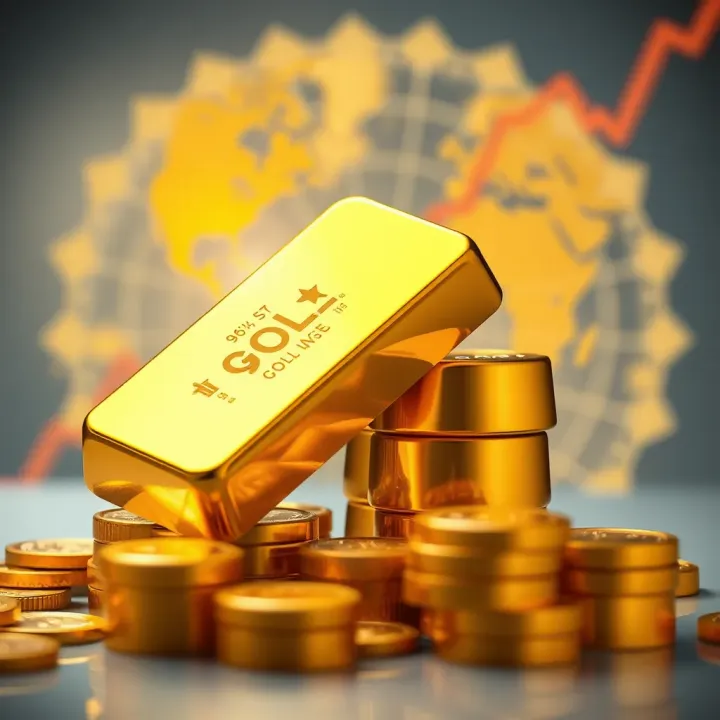
The Pakistani rupee often faces volatility due to factors such as trade deficits, foreign debt repayments, and political uncertainties. When the rupee weakens against the US dollar, it takes more rupees to buy the same amount of gold priced in dollars, pushing local gold prices higher. For example, if the rupee depreciates by 5% in a month, gold prices in rupees typically reflect this upward pressure almost immediately. Conversely, a stronger rupee can ease gold prices slightly, benefiting buyers.
This rupee-dollar exchange rate movement is quite tangible for Pakistani investors, especially during periods of rapid devaluation or economic shocks. It means that fluctuations in currency can sometimes overshadow global gold price trends, making rupee stability a critical concern for local gold markets.
Internationally, gold and the US dollar share an inverse relationship—when the dollar gains strength, gold prices often fall, and vice versa. This happens because a strong dollar raises the opportunity cost of holding gold, which doesn't yield interest. For Pakistan, this correlation adds another layer of complexity. If the dollar rises globally and the rupee remains stable, gold prices may decline locally.
However, if the rupee also weakens alongside a weaker dollar, gold prices in Pakistan could rise even more sharply. For instance, during global economic stress, the dollar often strengthens as a safe asset, but for Pakistan, any concurrent rupee depreciation tends to keep gold prices elevated. Thus, local gold investors must track both the dollar’s international strength and their domestic currency's movement.
Gold traditionally serves as a hedge against inflation, which is a rising general price level that erodes currency value. Pakistan has experienced periods of high inflation, where everyday goods become notably more expensive. Investors often turn to gold during such times because its value usually holds up better than cash or fixed-income assets.
For example, when inflation rises above 10%, as seen at times in Pakistan’s recent history, gold demand tends to surge. This behavior is practical; people prefer to hold an asset whose purchasing power is more stable. Therefore, inflationary expectations often boost gold prices locally, as investors anticipate the rupee losing value.
The State Bank of Pakistan (SBP) influences gold demand indirectly through its monetary policies. When SBP raises interest rates to control inflation, borrowing becomes more expensive, often cooling demand for gold as an investment. High interest rates also strengthen the rupee, which can lower gold prices by reducing import costs.
Conversely, when SBP lowers interest rates or maintains an easy monetary policy, it usually causes inflationary pressures and a weaker rupee, prompting investors to flock to gold. For example, during certain periods when SBP reduced its policy rate to stimulate the economy, Pakistan saw a noticeable rise in gold purchases.
For Pakistani investors, keeping track of SBP's interest rate decisions is crucial, as these moves ripple through inflation, currency value, and ultimately, gold prices.
Understanding these currency-related factors equips investors and traders with a clearer picture of how gold prices might shift in Pakistan. Staying aware of rupee movements, international dollar trends, inflation data, and SBP’s policies helps in making informed decisions in the gold market.
Global factors significantly shape Pakistan's gold market, as local prices respond to shifts in international supply, demand, and geopolitical dynamics. Understanding these influences helps investors and traders in Pakistan anticipate price movements beyond domestic trends.
Global gold production and mine closures play a crucial role in keeping the gold price in check. When major gold mines reduce output or shut down—whether due to resource exhaustion, environmental regulations, or labour disputes—the supply tightens. For example, recent closures in South African mines have constricted global supply, which pushes prices up internationally. Pakistan, as an import-dependent market, feels this impact directly as higher international prices translate into increased local rates.
Investors should watch for announcements on new mining projects or production cuts globally. Sudden supply disruptions tend to cause sharp price surges, while new discoveries or increased mining output can ease prices over time. This supply-demand balance remains a key barometer for Pakistan’s gold market outlook.
Central banks worldwide influence gold prices through their gold reserves policies. Some banks, especially in emerging markets, either add to or sell off gold reserves based on economic conditions or currency strategies. Recently, countries like China and Russia have increased gold purchases to diversify reserves away from the US dollar, which stiffens global demand and pushes prices upward.
For Pakistan, central bank policies abroad matter because shifts in global reserves impact international gold prices, influencing local rates. When central banks decide to sell large gold quantities, prices may decline temporarily, offering buying opportunities for Pakistani investors. Conversely, heightened purchases by these banks can create upward pressure, signalling a safer asset preference amid economic uncertainty.
Regional tensions affecting gold investment have a strong bearing on Pakistan’s gold market. Conflicts, border disputes, or political instability in South Asia and the Middle East prompt investors to seek safe assets like gold. For instance, flare-ups between India and Pakistan or tensions in the Gulf region typically increase gold demand in Pakistan, driving prices higher as locals turn to gold to protect their wealth from currency fluctuation or market volatility.
Similarly, global economic uncertainties drive safe-haven demand for gold. Events such as inflation surges, stock market corrections, or geopolitical crises like the Russia-Ukraine conflict tend to boost gold buying worldwide. Since Pakistan’s economy is linked through trade and remittances, these global shocks influence local investor behaviour. Gold becomes a preferred hedge, and this demand spike reflects in Pakistan’s gold prices.
Investors monitoring global developments can leverage this information to time their gold purchases or sales, especially when regional or international tensions flare up and affect local gold demand patterns.
Together, supply constraints, central bank moves, and geopolitical factors combine to shape gold price trends that reach Pakistan’s markets. Keeping an eye on these global influences provides Pakistani investors and traders with a realistic pulse on price directions amid changing market dynamics.
Forecasting gold prices is vital for anyone involved in the Pakistani gold market—be it investors, traders, or financial analysts. Knowing where prices might head helps in planning purchases or sales effectively and managing investment risks. Given Pakistan’s economic volatility, currency fluctuations, and global uncertainty, understanding the short and long-term outlook for gold prices becomes even more practical.
Over the next six to twelve months, gold prices in Pakistan are expected to remain influenced primarily by the Pakistani Rupee’s exchange rate against the US dollar and local inflation trends. For example, if the rupee weakens further due to trade deficits or political instability, it typically pushes gold prices up as gold is traded in dollars internationally. Data from previous years show that a 5 to 10% depreciation in the rupee usually results in a comparable rise in gold prices in PKR terms.
Seasonal demand also plays a significant role. The wedding season from October to March usually boosts gold buying, pushing prices upward due to increased local demand. Similarly, festivals such as Eid bring extra interest in gold purchases as gifts, which tends to support prices. Dealers and investors often factor in this seasonal pattern when deciding the timing of their trades.
Pakistan’s cultural practices make gold prices sensitive to seasonal shifts. For instance, during the wedding season, jewellers report up to a 30% increase in sales volume, which puts upward pressure on retail gold prices. This is more than just a local curiosity; the surge in demand combined with global price movements can create noticeable price spikes.
Conversely, during the summer months when weddings and festivals are fewer, demand softens, leading to relatively stable or declining prices. Understanding this cycle can help investors avoid buying at peak prices and sell strategically when demand wanes.
Economic reforms aimed at stabilising Pakistan’s macroeconomic indicators—like reducing fiscal deficits or improving tax collection through the Federal Board of Revenue (FBR)—can strengthen the rupee over the long term. A stronger rupee generally means lower gold prices domestically. However, such reforms often take years to materialise their full effect and can cause short-term market jitters.
That said, risks remain significant. Fluctuating global markets, including changes in US Federal Reserve interest rate policy or geopolitical tensions in the Middle East, can spike international gold prices overnight. Locally, sudden shifts in import duties or government policies on bullion trade can disrupt supply-demand balance. Investors in Pakistan must weigh these factors as part of their risk management.
Long-term gold investors should remember that while gold can protect against inflation and currency risks, its price is not immune to sudden shocks from global or domestic policy changes.
In sum, forecasting gold prices in Pakistan demands consideration of currency trends, cultural buying patterns, and both local and global economic conditions. Keeping an eye on these factors helps investors time their moves better and understand potential risks ahead.
Investing in gold in Pakistan involves more than just following price charts. Whether a beginner or an experienced investor, understanding the available options and timing your purchases smartly can guard your capital and boost potential returns. This section sheds light on key considerations, helping you navigate choices between physical and financial gold, while also outlining strategies to buy at the right moment.
Jewellery versus gold bars and coins: Many Pakistanis buy gold jewellery mostly for personal use or as a traditional store of value. Jewellery carries making charges and often commands a price above the gold rate, which can reduce immediate resale value. However, its cultural importance, especially during weddings or festivals like Eid, adds sentimental value. On the other hand, gold bars and coins offer purer forms of investment with lower premiums, making them ideal for wealth preservation. For instance, 24-carat gold coins minted by the Pakistan Mint or popular private brands provide a more transparent pricing mechanism.
Gold ETFs and other non-physical investments: Gold Exchange-Traded Funds (ETFs) have grown in appeal among Pakistani investors looking for liquidity without the hassles of storage. By investing through platforms linked with local brokers or international funds that include Pakistani investors, you can buy or sell gold in fractional amounts without worrying about security or making charges. While this route is cost-effective, it lacks the emotional and cultural connection physical gold holds. Additionally, those new to stock markets must understand risks linked to market volatility before diving into ETFs.
Analysing price trends for entry points: Gold prices in Pakistan are influenced by seasonal patterns such as the wedding season and religious festivals that drive demand. Observing these cycles can help spot favourable buying windows when prices slightly dip before surging again. For example, prices tend to decline during months outside of festival peaks, offering investors chances to accumulate at lower rates. Using simple technical analysis tools focused on support and resistance levels can add confidence to entry decisions.
Balancing gold within a diversified portfolio: Gold acts as a hedge against inflation and currency depreciation but shouldn’t dominate your portfolio. Experts suggest allocating 5-15% towards gold depending on risk appetite and market conditions. Combining gold with stocks, bonds, or real estate can spread risk and smooth returns. For instance, during bouts of rupee volatility in Pakistan, holding gold helped many investors protect wealth. However, overexposure might limit growth potential since gold does not generate income like dividends or rent.
Successful gold investment in Pakistan hinges on understanding product types and timing buys wisely. Keep these factors in focus to make informed choices that align with your financial goals and risk tolerance.
📈 Explore how global events, economic indicators, and Pakistan's market trends shape gold prices. Get clear insights to help make smart investment choices.
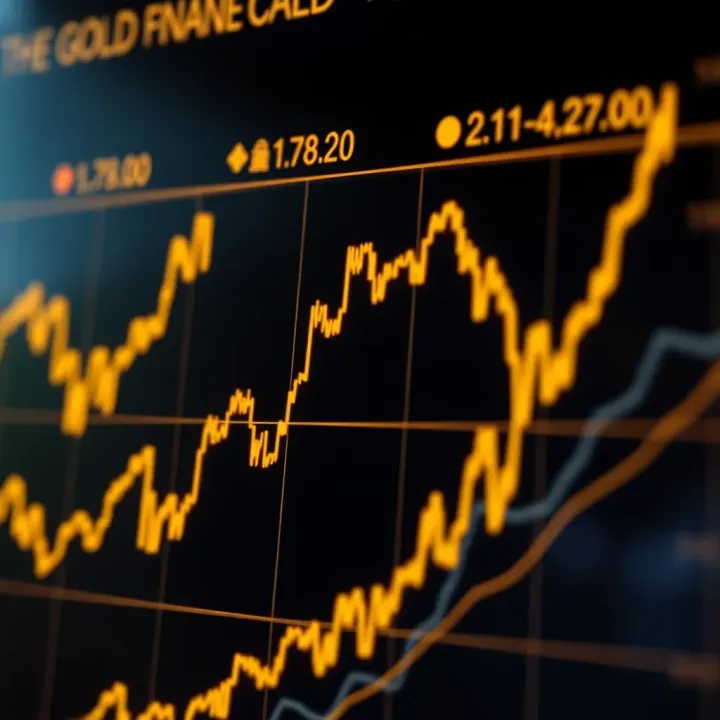
📈 Explore gold price moves (XAU USD) driven by economy, politics & market trends. Tips on forecasting, risks, & trading for Pakistan traders 💰
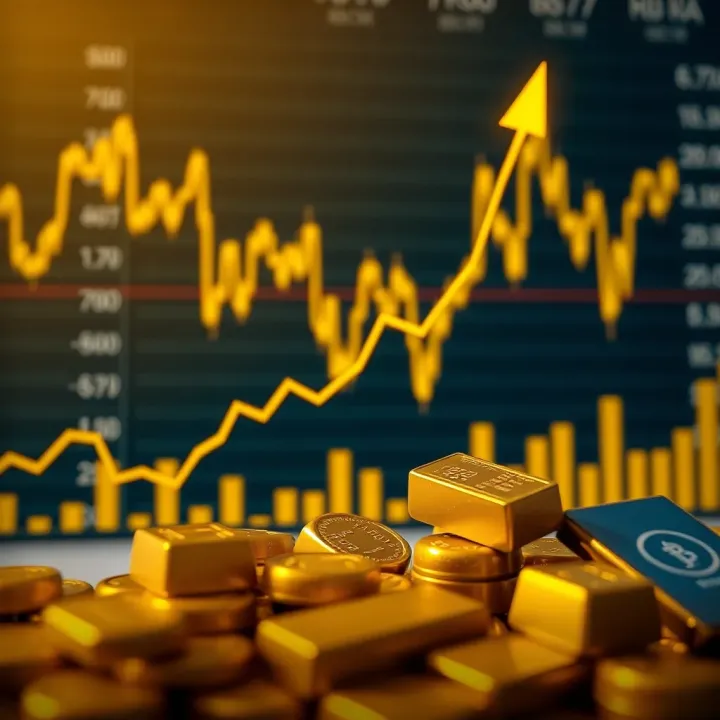
📈 Curious if gold prices will rise soon? Explore key economic signals, geopolitical impacts, and market shifts shaping Pakistan's gold rates now.
📈 Explore today's gold price trends in Pakistan, learn how economic indicators & geopolitical events influence the market, plus smart tips for gold buyers.
Based on 8 reviews