
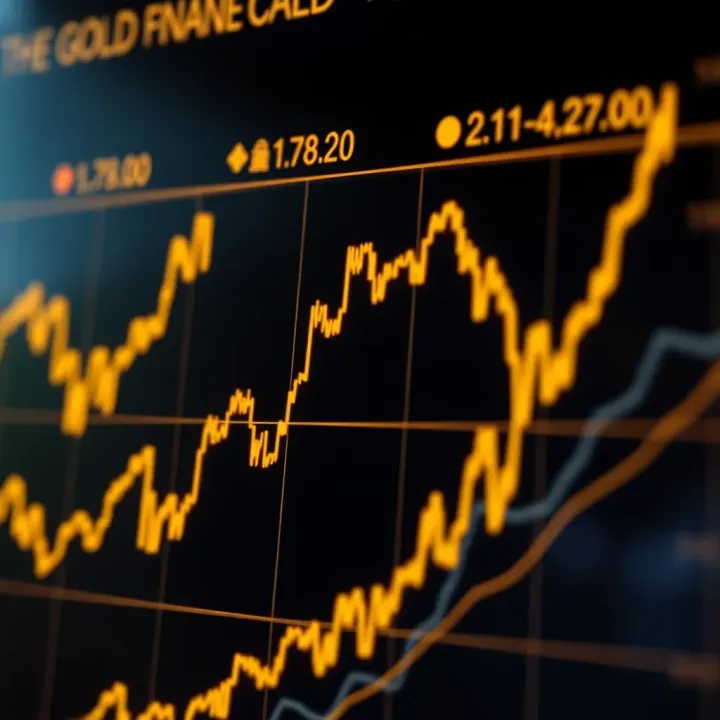
XAU USD Forecast: Gold Price Trends and Market Influences
📈 Explore gold price moves (XAU USD) driven by economy, politics & market trends. Tips on forecasting, risks, & trading for Pakistan traders 💰
Edited By
Charlotte Mitchell
Gold has always held a special place in Pakistan’s economy and culture. Whether as an investment, a wedding gift, or a hedge against inflation, gold remains a preferred choice for many. However, predicting gold prices here isn’t as straightforward as it seems. Unlike currencies or stocks, gold’s price depends on a combination of local and global factors that shift constantly.
Understanding the trends behind gold prices in Pakistan helps investors and traders plan their moves more wisely. Unlike relying on guesswork, knowing the economic indicators and market signals can provide a better edge. For example, when the Pakistani rupee weakens against the US dollar, local gold prices tend to rise since gold is priced internationally in dollars. Similarly, interest rates set by the State Bank of Pakistan (SBP) affect gold’s appeal compared to other assets.
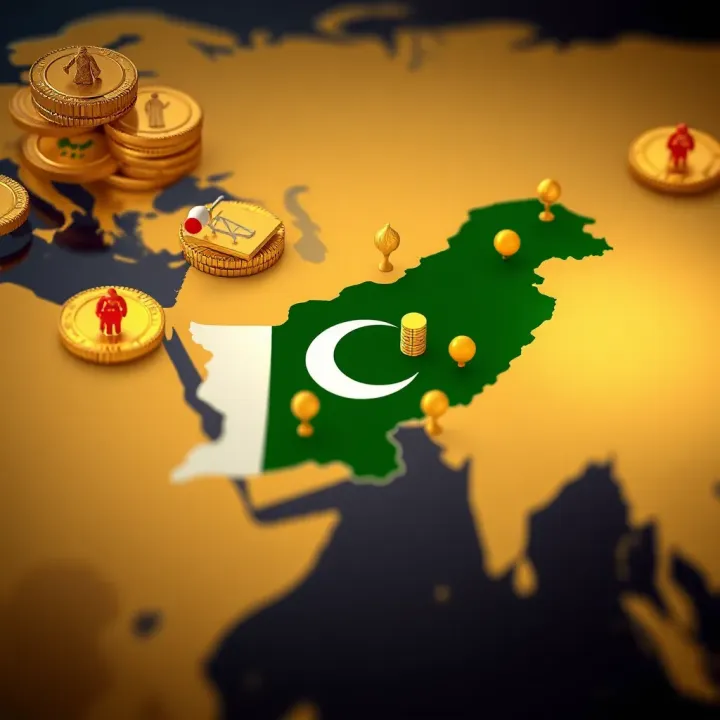
Global events also play a major role. Political tensions, shifts in US Federal Reserve policies, and changes in the demand-supply balance across the world influence gold prices everywhere, including Pakistan. For instance, a rise in geopolitical risks like regional conflicts often pushes investors towards gold as a safe haven.
Domestically, Pakistani gold markets respond strongly to cultural occasions such as Eid, weddings, and festivals when demand for jewellery climbs sharply. This seasonal demand can lead to sudden price spikes despite wider economic trends. Plus, the informal market dynamics in cities like Karachi, Lahore, and Islamabad have their own quirks affecting availability and pricing.
Understanding gold price movements requires a blend of monitoring global economic indicators, local market conditions, and cultural factors.
Key points for tracking gold prices:
Exchange rate fluctuations: PKR to USD rates create immediate impact.
SBP interest rate changes: Influence investment attractiveness.
Global economic policies: US Fed decisions and geopolitical events.
Local demand cycles: Festivals, weddings, and seasonal buying.
Import policies and duties: Affect supply costs in Pakistan.
By staying alert to these factors, traders and investors can better anticipate price shifts and make informed decisions suited to Pakistan’s unique market environment.
Understanding the factors that affect gold prices in Pakistan is essential for investors and traders. These factors interact in complex ways, directly influencing when gold becomes more expensive or affordable in the local market.
Inflation in Pakistan tends to push gold prices upward as people look to protect their wealth. When inflation rises, the purchasing power of the Pakistani Rupee drops, making gold a preferred store of value. For instance, during periods when inflation exceeded 10%, gold prices saw significant upticks as consumers sought physical assets.
Currency fluctuations further complicate this picture. The Pakistani Rupee’s depreciation against the US dollar directly raises the local cost of gold since Pakistan imports most of its gold. For example, when the Rupee fell from Rs 160 to 180 against the dollar in recent times, the gold price in Pakistan rose accordingly, impacting affordability for everyday buyers.
The State Bank of Pakistan’s interest rate decisions influence gold prices by affecting both inflation and investment attractiveness. Higher interest rates usually make bank deposits more lucrative, reducing the appeal of gold as an investment. Conversely, lowering rates tends to drive more money toward gold.
Consider the period when SBP cut the policy rate to 7%: this encouraged more buying in gold as fixed income yields fell. For investors, tracking SBP announcements can provide clues about gold price trends ahead.
In Pakistan, gold jewellery holds cultural significance, especially during weddings and festivals like Eid and Basant, spiking demand cyclically. Retail jewellers often report a surge in sales before these events, usually pushing local gold prices higher due to increased consumer demand.
Moreover, changing design trends and consumer preferences can shift demand. For example, in recent years, lighter and bespoke designs have gained popularity, leading jewellers to adjust procurement and pricing strategies, which affects market dynamics.
Pakistan’s government applies import duties and regulatory controls on gold, aimed at managing trade balance and foreign reserves. Increased duties or temporary import bans raise gold prices by making imported gold costlier.
For instance, when import duties rose from 5% to 12%, jewellers passed on the added cost to buyers, sometimes causing a short-term price spike. Similarly, restrictions on gold imports during forex shortages tighten supply, raising local prices even if global rates remain stable.
Since gold is priced globally in US dollars, its international price movements strongly impact Pakistan’s gold market. When the dollar strengthens against other currencies, gold often becomes pricier in dollar terms, which reflects locally as higher rates in Pak Rupees.
For example, surges in international gold prices due to US economic uncertainty typically boost gold rates in Pakistan. Traders here monitor global markets closely as they directly influence local buying and selling behaviour.
Global political tensions, conflicts, or economic crises push investors towards safe-haven assets like gold. Events such as Middle East conflicts, US-China trade disputes, or economic slowdowns in major economies can lead to sudden gold price jumps worldwide — and Pakistan is no exception.
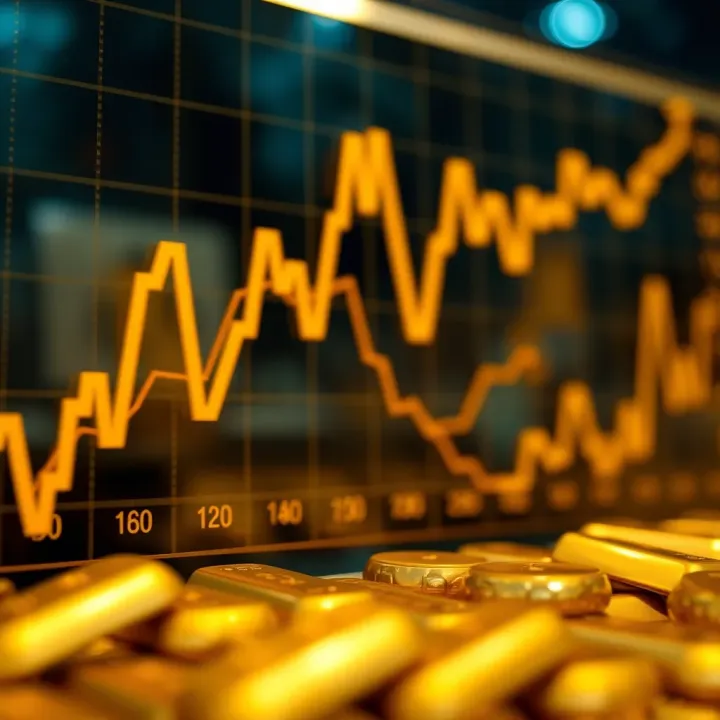
During such times, Pakistani investors often turn to gold to hedge against risks, resulting in increased demand domestically. This behaviour is especially noticeable when Pakistan itself faces economic or security challenges, amplifying the effect.
Gold prices in Pakistan often reflect a mix of local economic pressures and global market shifts, making it essential for investors to track both domestic policy changes and international developments closely.
Predicting gold prices offers traders and investors a better chance to time their moves and manage risk. In Pakistan, where gold is both an investment and a cultural symbol, understanding price trends can help avoid overpaying during festivals or missing buying opportunities. There are three main approaches: technical analysis, fundamental analysis, and expert opinions combined with market sentiment. Each provides a unique lens on gold price movement, complementing one another to offer well-rounded insights.
Technical analysis relies heavily on price charts to spot patterns. By examining historical price movements of gold, traders try to identify trends that may repeat. For example, charts showing consistent price rallies after dips during wedding seasons can guide Pakistani buyers to plan purchases. Momentum or reversal patterns like head and shoulders or double bottoms on gold price charts become signals for investors.
Moving averages, Relative Strength Index (RSI), and Bollinger Bands are among popular technical tools used in gold trading. Moving averages help smooth out daily price fluctuations and point to the general trend direction. RSI indicates whether gold is overbought or oversold, potentially signalling a price correction. Pakistani traders watch these indicators on platforms like MetaTrader or local broker apps to decide when to enter or exit positions, balancing local demand cycles and global price shifts.
Fundamental analysis in gold trading involves tracking economic indicators impacting Pakistan’s economy and global markets. Inflation rates, rupee exchange movements, and policy announcements by the State Bank of Pakistan (SBP) can influence local gold prices. For instance, a sudden weakening of the rupee often pushes gold prices higher domestically. News about geopolitical tensions or monetary policy changes overseas also shifts international gold rates, affecting Pakistan’s market.
Inflation tends to erode the value of currency, making gold a preferred store of value. When inflation hotlines cook up in Pakistan, gold demand usually spikes. Similarly, interest rate changes by SBP affect gold’s appeal; higher rates can make bank deposits more attractive than gold, cooling demand. Analysts keep a close eye on SBP’s policy rate decisions and inflation forecasts published regularly to foresee how gold prices may adjust.
Many Pakistani financial analysts release gold price forecasts considering both local and global factors. These forecasts come through TV channels, newspapers, or financial websites, often backed by data and models. Global market sentiment influences these predictions too; for example, rising international tensions might prompt bullish forecasts for gold.
Investor psychology plays a significant role in gold price fluctuations. In Pakistan, gold buying surges during Eid, weddings, or as a hedge against currency instability. Speculative buying can push prices unexpectedly high in the short term. Conversely, when investors pull back waiting for prices to dip, demand falls, creating volatility. Understanding such patterns helps traders anticipate sudden price jumps or drops beyond what fundamentals predict.
Effective gold price prediction involves blending these methods. While technical analysis offers timing clues, fundamental analysis explains underlying causes, and expert sentiment gauges market mood. Pakistani investors using all three stand better chances at making wise decisions.
Tracking recent trends in Pakistan's gold market helps investors and consumers understand how prices react to economic changes and seasonal factors. These trends provide a snapshot of market behaviour, guiding better decisions about when to buy or sell gold.
Analyzing monthly average gold prices reveals the ups and downs caused by both local and global events. For instance, during the past year, price spikes often coincided with rupee depreciation against the dollar, reflecting how currency value affects gold rates in Pakistan. Observing these monthly averages helps traders identify patterns or unusual volatility.
Understanding these fluctuations allows buyers to time their purchases more astutely—waiting for prices to dip in months when demand is low or when global prices soften. This insight is vital in a country like Pakistan, where gold remains a preferred investment and a hedge against inflation.
Government measures, such as import duties or restrictions, directly impact gold availability and cost. Recent policies tightening import quotas have caused supply constraints, pushing prices higher even when international rates were stable.
For example, increased customs duties on gold imports in FY 2023-24 restricted the influx of gold, causing domestic prices to rise by nearly Rs 3,000 per 10 grams at times. Traders and consumers alike must monitor such policy changes closely, as these affect market supply and final product pricing.
Demand for gold surges during key festivals like Eid and wedding seasons. These periods see a spike in jewellery purchases, which temporarily drives prices up. Last year, the three months leading to Eid-ul-Fitr showed a notable rise in gold sales, reflecting cultural buying habits.
Consumers planning to purchase gold for gifts or fashion jewellery should consider these seasonal trends. Buying just before these high-demand periods often means paying a premium. Planning ahead during low-demand months can save significant sums.
In times of economic uncertainty or currency volatility, Pakistani investors turn to gold as a safe asset to preserve wealth. The past year saw increased buying during currency instability phases and stock market dips, illustrating gold’s role in risk-averse portfolios.
This flight to gold as a hedge means demand may rise unpredictably during crises, resulting in rapid price increases. Investors seeking stability should keep an eye on macroeconomic indicators such as inflation rates, rupee strength, and political developments, which influence this pattern.
Being aware of recent gold price trends and consumer behaviour in Pakistan itself is a key to making smarter, well-timed investment decisions.
In summary, keeping track of monthly price patterns, government policies, and consumer demand cycles provides a practical roadmap for navigating Pakistan’s gold market effectively.
Making informed decisions in the gold market requires understanding practical aspects that directly affect both buyers and investors. These guidelines help minimise risks and maximise benefits in Pakistan's unique market environment, where prices are influenced by local economic factors as well as global trends.
Gold prices often follow cyclical patterns influenced by economic events, seasonal demand, and geopolitical developments. For instance, in Pakistan, demand usually spikes before Eid and wedding seasons, pushing prices upward. Observing historical price trends can help you identify when prices tend to peak and when they dip, allowing for better timing of purchases.
However, markets can be unpredictable. The State Bank of Pakistan's interest rate changes or fluctuations in the PKR against the dollar can trigger price shifts. Investors should stay alert to such signals to avoid buying at price highs. By tracking monthly average prices and government import policies, you can catch favourable windows for entry.
Your buying strategy must align with your financial objectives. If gold is a short-term investment, watching for quick price movements is essential, while long-term holders might focus on wealth preservation and inflation hedging. For example, an investor saving for their child's education might buy gold gradually over time to avoid price spikes.
Also, consider your liquidity needs. Unlike stocks, selling gold quickly may involve some loss in value due to making charges and resale rates. So, think about how soon you might need to convert your investment into cash and plan accordingly.
Purchasing gold from reputable jewellers in established markets like Karachi’s Saddar or Lahore’s Liberty Market assures product authenticity and fair pricing. Official suppliers often provide certified gold coins or bars with purity guarantees, which is crucial for investment-grade gold.
Checking jewellers' credibility through customer reviews and verifying their registration with trade bodies can shield you from potential scams. It’s wise to request a detailed receipt mentioning weight, purity, and making charges to avoid disputes later.
Online gold marketplaces and apps have become popular in Pakistan, with platforms like Daraz offering gold products. While convenient, these places carry risks such as counterfeit items or delayed deliveries. Because you can’t physically inspect the gold before purchase, verifying platform reputation is critical.
Many online sellers lack clear certification or return policies, exposing buyers to fraud. Always prefer platforms that offer third-party certification and guarantee refunds if quality disputes arise. If buying online, avoid deals that seem too good to be true.
Gold prices can swing sharply due to speculation, global economic shocks, or sudden changes in import policies. For instance, unexpected adjustments in customs duties or rupee depreciation can cause rapid price hikes in Pakistan. Such volatility makes timing purchases and sales challenging, especially for inexperienced traders.
Speculative trading also encourages price overshooting beyond fundamentals, which can trap buyers at peak prices. Being aware of this can help you avoid panic buying or selling during turbulent periods.
Gold fraud remains a serious concern in Pakistan’s market. Fake jewellery, underweight items, or adulterated gold can cause significant losses. Always insist on buying from sellers providing official hallmarking and purity certificates.
Using simple tests like acid kits or electronic gold testers can help verify quality before purchase. Moreover, individuals should learn to identify common fraud signals, such as unusually low prices or unregistered sellers, and avoid impulsive deals without proper inspection.
Secure your investment by focusing on trusted sources and understanding market risks—this approach protects your money and builds confidence in your gold purchase decisions.
📈 Explore gold price moves (XAU USD) driven by economy, politics & market trends. Tips on forecasting, risks, & trading for Pakistan traders 💰
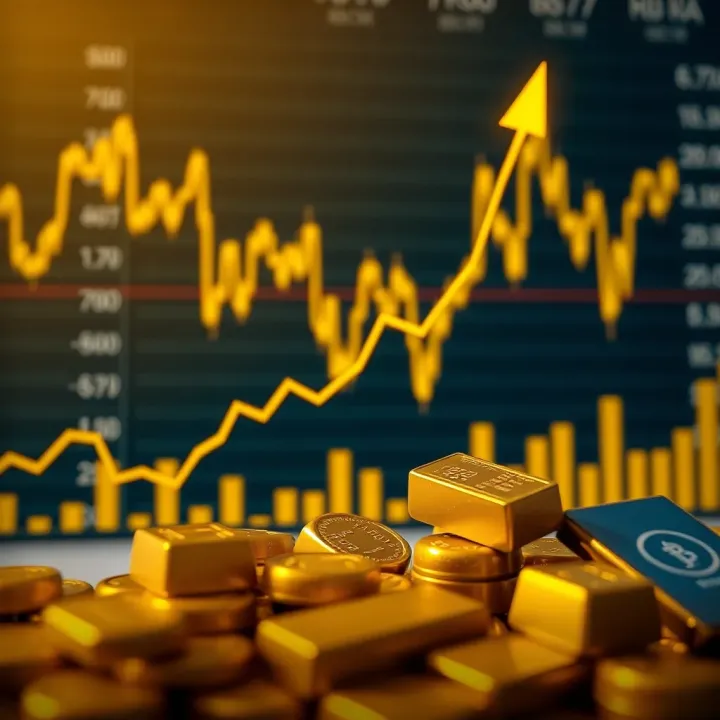
📈 Curious if gold prices will rise soon? Explore key economic signals, geopolitical impacts, and market shifts shaping Pakistan's gold rates now.
📈 Explore today's gold price trends in Pakistan, learn how economic indicators & geopolitical events influence the market, plus smart tips for gold buyers.
Explore APT price trends 📈 and market factors affecting it in Pakistan 🇵🇰. Learn forecasting methods and tips for smarter crypto investing 💡.
Based on 14 reviews