
BGB Price Prediction and Market Outlook
📈 Explore BGB price trends, expert insights, and market comparisons. Learn key factors and risks shaping BGB’s future for smarter investing decisions in Pakistan.
Edited By
Sophie Mitchell
Gold has always held a special place in Pakistan's culture and economy, serving not just as adornment but as a trusted store of value. In recent years, fluctuating gold prices have caught the attention of investors, traders, and analysts alike. Understanding these shifts is vital to make informed decisions, whether you're a seasoned trader or someone thinking about saving through gold.
Gold prices are influenced by a blend of local and global factors. Currency depreciation, particularly the rupee's weakening against the US dollar, often pushes gold prices upward within Pakistan. For instance, when the rupee falls from Rs 150 to Rs 160 per dollar, gold priced in local currency tends to rise as import costs increase.
On the global front, events such as geopolitical tensions or economic uncertainty lead investors worldwide to seek safe havens, with gold being a major choice. The recent instability in Middle Eastern oil markets and US Federal Reserve interest rate changes had notable impacts on the global gold prices, which in turn influenced prices in Karachi and Lahore jewellery markets.
Demand and supply fundamentals also play a significant role here. Pakistan’s demand peaks during festive seasons like Eid and weddings, driving prices up temporarily. Meanwhile, Central Bank policies on gold reserves and imports add another layer of influence. For example, restrictions or tariffs on gold imports by the State Bank of Pakistan can limit supply, affecting domestic pricing.
For investors in Pakistan, keeping an eye on currency trends, global economic indicators, and local demand cycles can help navigate the gold market effectively.
In the sections ahead, we'll break down these key drivers in detail, exploring market trends and projecting future gold price movements in Pakistan. This clarity helps both beginners and professionals understand how to position themselves smartly in the market.
Whether you're considering gold as a hedge against inflation, a diversification tool, or purely for cultural reasons, grasping its price dynamics is essential. Stay tuned as we unpack these layers to help you make smarter gold investment choices in today’s turbulent economic environment.
Understanding current trends in the gold market is essential for investors and traders alike. It helps in recognising price movements, identifying demand shifts, and making informed decisions either for short-term gains or long-term security. Current trends indicate the market’s response to economic signals that directly impact gold’s value.
Gold prices frequently react to changes in the global economy, including inflation rates, currency valuations, and geopolitical risks. For example, during periods of inflation or economic uncertainty, investors rush to gold as a safe haven, pushing prices upward. The 2023 uptick in gold value coincided with rising inflation in major economies like the US and the EU, alongside renewed geopolitical tensions in regions like Eastern Europe.
Tracking these movements helps Pakistani investors anticipate market swings. When the US Federal Reserve signals interest rate hikes, gold prices often retreat since higher yields make fixed-income assets more attractive. By monitoring international economic reports, investors can time their entries and exits.
Examining gold prices over decades reveals cycles and support levels critical for strategy. For instance, gold touched an all-time high near $2,070 per ounce in August 2020 during peak pandemic fears but had hovered around $1,300-$1,500 per ounce in the five years prior. This history suggests price ceilings and floors traders watch for.
For local Pakistani buyers, understanding these historical levels helps judge whether gold is over or undervalued, preventing rash purchases during temporary spikes.
The Pakistani Rupee’s value has a direct relationship with gold prices in the local market. When the PKR weakens against the US dollar, gold prices tend to rise since gold is priced internationally in dollars. For instance, during the PKR’s sharp depreciation in 2022, gold rates in Pakistan surged by nearly 20%.
This correlation means investors must watch both global gold prices and PKR exchange rates. A rising gold price driven by a falling PKR does not always reflect increased international demand but local currency weakness.
Gold demand in Pakistan spikes during festivals like Eid-ul-Fitr and Eid-ul-Adha, and in wedding seasons from November to February. These periods see significant buying of jewellery and coins, temporarily pushing up domestic prices irrespective of global trends.
Investors and consumers should plan purchases outside these peak times to avoid premium charges. For example, buying gold in July or August often comes at lower rates than during the Eid rush, offering better value.
Monitoring both international cues and local market rhythms provides a realistic view for anyone engaged with gold in Pakistan, whether for investment or consumption purposes.
Understanding what drives gold prices helps investors make smarter decisions, especially in Pakistan where local and global factors intertwine closely. Several key forces, from economic indicators to geopolitical events and supply-demand balance, shape gold’s value daily.
Interest rates and inflation have a direct impact on gold prices. When interest rates rise, fixed-income assets become more appealing, often lowering gold demand because it yields no interest. Conversely, when inflation runs high, investors turn to gold as a hedge since its value tends to hold better against currency depreciation. For instance, during periods when the State Bank of Pakistan (SBP) lowers the policy rate to stimulate growth, inflationary pressures may push more people to invest in gold to preserve wealth.
The SBP’s policies themselves play a substantial role. Decisions on interest rates, foreign exchange reserves, and overall monetary stance influence the rupee’s strength and inflation outlook, which in turn affect gold prices domestically. For example, when SBP enforces tight monetary policy to contain inflation, the Pakistani rupee may strengthen, making gold more expensive for local buyers and dampening demand. Alternatively, a looser monetary policy can weaken the rupee and boost gold’s appeal as a store of value.
Geopolitical tensions can cause spikes in gold prices worldwide. Events like conflicts in the Middle East or instability in major economies prompt investors to seek safe havens. For Pakistani investors, such tensions create uncertainty in the currency market and economic outlook, which often leads to increased gold purchases as a form of security.
The performance of major economies, such as the US, China, and the European Union, also affects gold prices. Strong economic growth generally leads to higher interest rates, reducing gold’s attractiveness. However, signs of recession or slowing growth push investors back to gold. For instance, during the recent slowdown fears in China, gold prices surged as investors sought stability against volatile stock and currency markets.
Mining output and available stock levels set the fundamental supply side for gold. Any disruption in mine production—whether due to strikes, environmental regulations, or geopolitical factors—can tighten supply, nudging prices higher. In Pakistan, however, domestic gold production is minimal, so global mining changes influence local prices indirectly through import costs.
On the demand side, consumer appetite for jewellery and investment holds strong influence, especially in cultural contexts like Pakistan. Peaks in demand often align with festivals such as Eid or wedding seasons when gold jewellery purchases rise sharply. Moreover, growing awareness of financial instruments like gold exchange-traded funds (ETFs) has broadened investment demand beyond traditional jewellery, offering more ways to enter the gold market.
Keeping an eye on these factors enables investors and traders to anticipate price movements and balance risks better when dealing with gold in Pakistan’s unique economic setting.
When the Pakistani Rupee (PKR) weakens against other currencies, especially the US dollar, gold prices in Pakistan tend to rise. This happens because Pakistan imports most of its gold, and a weaker PKR means importing gold becomes more expensive in local currency terms. For example, when the PKR depreciated sharply in recent years, gold prices surged by double digits within months. This directly affects not only investors but also consumers who buy gold jewellery or bars.
For traders and financial analysts, tracking PKR movements helps predict domestic gold price trends. If the rupee is expected to weaken due to political uncertainty or external debt pressures, gold often becomes a preferred asset as a hedge against currency risk.
Gold is globally priced in US dollars, so when the dollar strengthens, international gold becomes costlier in other currencies, including the PKR. A strong US dollar typically pushes gold prices higher in Pakistan, translating imported costs to local buyers and investors. Conversely, if the dollar weakens, international gold prices may ease, which can bring some relief to the Pakistani market.
For instance, during dollar rallies linked to US Federal Reserve interest rate hikes, Pakistan usually sees a corresponding increase in gold prices. So, understanding global forex trends—particularly the US dollar index—is vital for anyone dealing with gold in Pakistan.
During times when PKR experiences volatility against the dollar, timing your gold purchases becomes crucial. If you expect the PKR to weaken soon, buying gold earlier can save you from paying more later, especially before festival seasons like Eid when local demand spikes.
Investors might consider gradual accumulation rather than a lump sum, spreading purchases to balance the risks of sudden currency shifts. Also, staying updated with SBP announcements and forex rates can guide better timing. For consumers, gold-buying during kharif or festival sales sometimes offers added value despite currency swings.
Fluctuating currency values create both risks and potential gains. A sudden PKR depreciation inflates gold prices, benefitting those holding physical gold or gold-backed financial instruments. However, sharp currency moves can also lead to short-term price volatility, increasing risks for traders attempting to time the market.
On the upside, gold serves as a store of value when the rupee loses ground, protecting savings from inflationary pressures. On the downside, unexpected improvements in the PKR or dollar weakness can temporarily lower gold prices, affecting returns.
For Pakistani investors, understanding currency dynamics is as important as spotting market trends in gold itself.
Balancing these factors properly can make gold a useful part of your investment portfolio, especially during times of economic uncertainty or higher inflation in Pakistan.
This section highlights how currency movements, especially involving the PKR and US dollar, directly influence gold prices in Pakistan. For investors and buyers, grasping these links offers practical advantages in managing risk and spotting opportunities amid a shifting economic landscape.
Forecasting gold prices helps investors, traders, and analysts make informed decisions in a volatile market. By examining expert views and market projections, stakeholders can anticipate price movements and adjust their strategies accordingly. This is especially relevant in Pakistan, where gold serves both as an investment and a traditional store of value amid economic uncertainties.
Inflation rates and policies from the State Bank of Pakistan (SBP) play a direct role in shaping short-term gold price movements. When inflation rises, the purchasing power of the Pakistani rupee declines, generally driving up gold prices as investors seek protection against currency depreciation. For example, during periods of rising consumer price inflation in Pakistan, gold prices typically see an uptick as more buyers prefer physical assets.
SBP’s monetary policy, such as adjusting the policy rate, influences interest rates and liquidity in the market. Lower interest rates reduce the attractiveness of debt instruments, making gold a relatively better option. If SBP signals a pause or cut in policy rates to stimulate the economy, short-term demand for gold often increases, pushing prices upward. Conversely, if the SBP tightens monetary policy to combat inflation, gold demand may soften as fixed-income returns improve.
Seasonal factors significantly affect gold prices within Pakistan. Festivals like Eid and Diwali lead to higher jewellery demand, boosting gold prices. Similarly, wedding seasons, usually in spring and autumn, increase physical gold buying, amplifying local price pressure. Pakistani investors also tend to increase gold purchases during these times to meet cultural and gifting needs.
On the other hand, demand often dips post-festival periods, causing prices to stabilise or fall. Traders and investors watch these cycles carefully to optimise entry and exit points, especially since demand surges can lead to short-lived price spikes.
Geopolitical tensions, such as conflicts in the Middle East or trade disagreements between major powers like the US and China, influence gold’s role as a safe-haven asset. Heightened uncertainty typically boosts gold demand globally and has ripple effects on Pakistan’s market. For instance, regional unrest affecting trade routes or oil prices can weaken the rupee, pushing gold prices higher locally.
Investors following these trends anticipate that prolonged tensions or economic sanctions may sustain increased demand for gold for years. This long-term perspective helps balance portfolios against extended periods of market instability.
Beyond investment and jewellery, gold’s industrial applications—especially in electronics and medical devices—impact its long-term price. Technological advances, like increasing use of gold in smartphones and green energy solutions, add a steady layer of demand.
Although Pakistan’s gold market is more sensitive to investment trends, these industrial factors affect global supply-demand balance, indirectly influencing local prices. Understanding this helps investors appreciate price drivers that go beyond economic cycles or currency movements.
Monitoring both short-term indicators and long-term global trends equips Pakistani investors and traders with insights to navigate gold’s price fluctuations confidently.
Investing in gold remains a popular strategy in Pakistan, especially given the country’s economic ups and downs and currency fluctuations. This section focuses on practical tips tailored to the local context, helping investors navigate choices between physical gold and financial products. Understanding these options can prevent costly mistakes and improve returns, whether you're a first-time buyer or a seasoned trader.
Physical gold offers tangible assets — jewellery and coins are the most common forms in Pakistan. Jewellery holds cultural and sentimental value, often bought at premium prices for occasions like weddings. However, this premium can cost you when reselling, as making charges and market demand affect the price. Coins and bars, by contrast, typically sell closer to the spot price, making them more suitable for straightforward investment. Keep in mind, storage and security are practical concerns; storing bars safely requires a secure home locker or bank safety deposit box.
Financial instruments like gold exchange-traded funds (ETFs) and certificates have become more accessible in Pakistan through banks and brokerage platforms. These offer easier liquidity and lower entry costs compared to physical gold. For instance, purchasing gold ETFs via the Pakistan Stock Exchange allows you to gain exposure without worrying about safekeeping. On the downside, these instruments depend on the regulatory environment and market infrastructure; sudden policy changes or system disruptions could affect trading. Investors should check the credibility of the issuing institution and understand any management fees involved.
Gold prices can change rapidly due to economic news, currency swings, or geopolitical events. Holding periods affect how you respond to this volatility. Short-term traders may capitalise on price swings but face increased risk. Conversely, long-term holders typically ride out fluctuations, often benefiting from gold's traditional role as a hedge against inflation and PKR devaluation. For example, many Pakistanis hold physical gold for years, seeing it as a safety net during currency crises.
Relying solely on gold can expose you to market risk if gold prices suddenly drop or if local factors affect jewellery resale. Diversification, such as combining gold with other assets like equities, real estate, or fixed income, balances risk and returns. For instance, pairing gold investments with shares of commodity or banking stocks listed on the Pakistan Stock Exchange can offer growth potential alongside gold's stability. Diversification also helps manage liquidity; gold sales might take time, but other assets could offer quicker cash options when needed.
Effective gold investment requires balancing tangible ownership with market flexibility, plus a clear understanding of the timing and risks involved. Pakistani investors can benefit from choosing the right mix and staying informed about local economic shifts.
📈 Explore BGB price trends, expert insights, and market comparisons. Learn key factors and risks shaping BGB’s future for smarter investing decisions in Pakistan.
🔍 Explore XAI price prediction with market trends, tech insights, and future outlook. Perfect guidance for investors and digital asset enthusiasts in Pakistan.
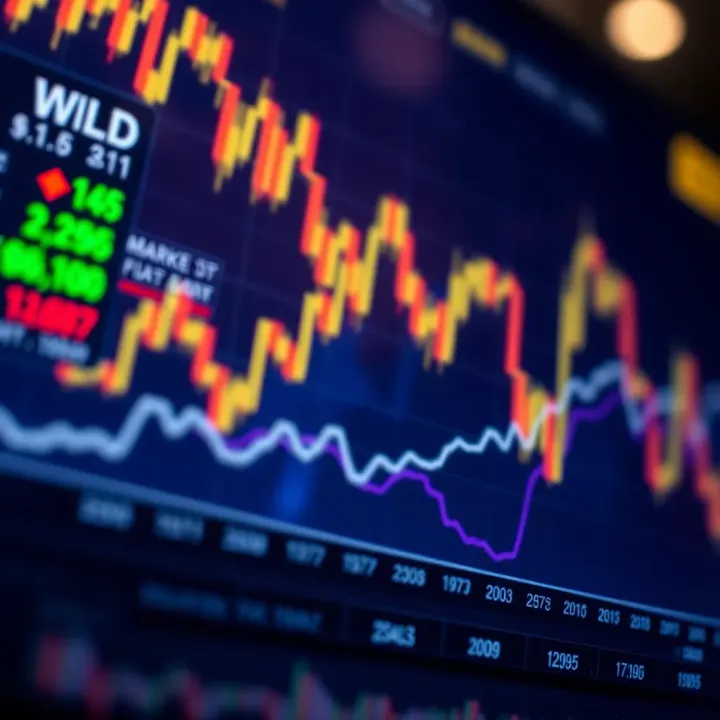
Explore detailed WLD (Worldcoin) price forecasts 📈 with insights on market trends, expert views, risks, and factors shaping its future value in crypto.
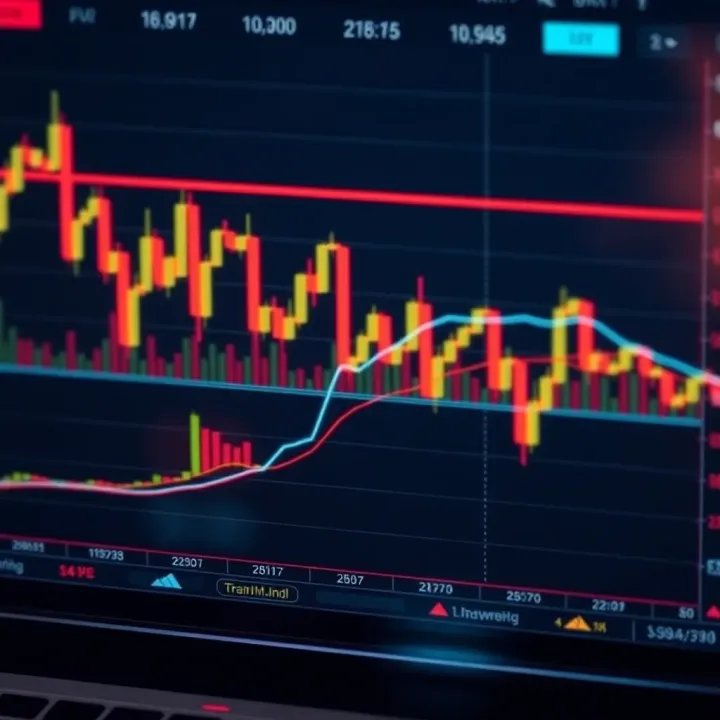
📈 Explore today’s Bitcoin price outlook, key market moves, and tools investors use to spot trends and make smarter decisions in Pakistan.
Based on 10 reviews