
Is Quotex Trading Halal or Haram? Islamic View
Is trading on Quotex halal or haram? 🕌 Explore Islamic finance views, ethical concerns, and guidance for Muslim investors in Pakistan seeking compliant digital trading.
Edited By
Liam Parker
Forex trading has grown popular in Pakistan, with many traders looking for new ways to invest. But the question many Muslim traders ask is whether this activity fits within Islamic teachings. Islam has clear rules about finance, especially concerning interest (riba), gambling (maysir), and uncertainty (gharar). Understanding these principles helps decide if forex trading is halal (permissible) or haram (forbidden).
Forex, or foreign exchange trading, involves buying and selling currencies to profit from changes in exchange rates. Unlike traditional buying and selling, forex trading happens electronically, often with high leverage and quick trades. This raises concerns because Islam forbids earning money through unfair means, gambling, or excessive speculation.
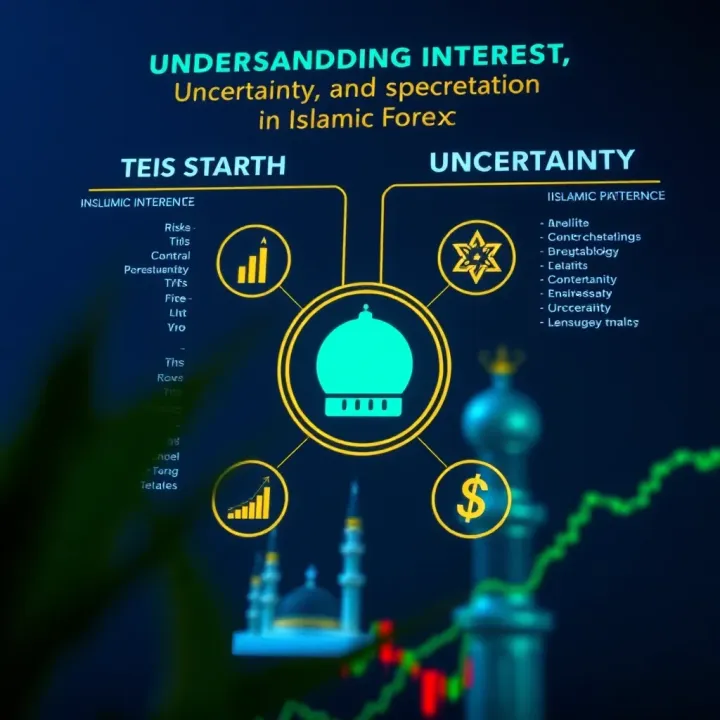
Islamic finance stresses fairness and transparency. Any trade involving interest or uncertainty could be problematic.
Key Islamic concepts relevant here include:
Riba (Interest): Charging or earning money on loans is not allowed. Some forex accounts involve rollover interest or swaps, which many scholars consider riba.
Gharar (Excessive Uncertainty): Trades based on speculation without clear terms fall under gharar and are discouraged.
Maysir (Gambling): Profiting purely from chance or risky bets goes against Islamic rules.
Most scholars agree forex trading without involving interest, speculation, and with immediate delivery of currencies may be halal. However, leverage or margin trading, which often involves borrowing with interest, is generally seen as haram. Also, trading platforms that delay settlement or include hidden costs can raise concerns.
The key is transparent trading where parties fully understand the risks and terms, avoiding riba and gambling elements.
For Muslim traders in Pakistan, it is important to choose brokers who offer Islamic accounts free of swap rates and to avoid excessive speculation. Being aware of these Islamic rules helps make informed decisions and trades that respect religious values while engaging in forex markets.
This clarity allows traders to navigate forex trading responsibly without crossing Islamic boundaries.
Understanding forex trading is essential before exploring its Islamic rulings. Forex, short for foreign exchange, involves buying and selling currencies in a global marketplace. This market influences trade, investment, and travel decisions, affecting economies worldwide, including Pakistan.
Forex trading refers to the exchange of one currency for another at an agreed rate. For example, a trader in Karachi may exchange Pakistani Rupees (PKR) for US Dollars (USD), anticipating the USD's value to rise against the PKR. This can yield profits if done wisely. Unlike stock markets, forex operates 24 hours across different time zones, reflecting real-time economic and political developments.
Forex is the largest financial market globally, with daily trading volume exceeding $6 trillion. Key players include banks, corporations, governments, and individual traders. These participants trade currencies in pairs – like EUR/USD or GBP/JPY – where one currency is exchanged against another. Trades occur electronically via platforms and interbank networks, spanning major financial centres in London, New York, Tokyo, and Dubai.
For instance, when the State Bank of Pakistan adjusts interest rates, it can impact the PKR's value against the dollar, influencing forex prices immediately.
Traders use different strategies, from short-term scalping to long-term position trading. However, forex brings significant risks. Market volatility can cause rapid losses, especially when using leverage—borrowing funds to increase trade size. Although leverage can magnify profits, it also increases potential losses.
Moreover, trading costs like spreads and commissions affect profitability. Unpredicted events, such as political instability or changes in economic policy, often cause sudden market swings.
Forex trading demands thorough understanding and cautious risk management, particularly for beginners and those trading in volatile currencies.
By grasping these basics and mechanics, you can better appreciate the Islamic views on forex trading and how they apply in practice, especially in the Pakistani financial context where local regulations and currency fluctuations add complexity.
Understanding Islamic financial principles is essential when discussing the permissibility of forex trading for Muslims. These principles establish clear boundaries that distinguish halal (permissible) financial transactions from haram (forbidden) ones. In trading, especially forex — a fast-paced global market dealing with currencies — these rules ensure that activities do not stray into unethical or prohibited areas under Islamic law.
At the core of Islamic finance is the prohibition of riba, commonly understood as interest. Islam disallows any guaranteed increase on a loan or investment without risk-sharing. For example, receiving extra money simply because of a loan agreement is considered riba and is haram. This principle is significant in forex trading because many conventional brokers charge or pay interest on positions held overnight, known as rollover or swap fees. Muslim traders avoid these fees by opting for Shariah-compliant accounts that do not incur any interest, preserving the halal nature of their investments.

Gharar refers to excessive uncertainty or ambiguity in contracts and transactions. Islamic law discourages deals where the terms are unclear or the outcome is highly unpredictable. In forex trading, high uncertainty can arise from speculative trades based on rumours or volatile market swings, which may violate this principle. For instance, entering a trade without clear knowledge or as a blind bet on currency direction exposes traders to gharar. Therefore, Muslim traders are advised to minimise speculation and avoid trades driven purely by uncertainty.
Maysir, or gambling, is forbidden in Islam because it involves winning by chance without effort or productive activity. Forex trading can sometimes resemble gambling when trades are placed recklessly, hoping for high returns quickly without analysis or understanding. For example, using excessive leverage to double down on uncertain trades may resemble gambling. Islamic guidelines urge traders to engage responsibly with adequate research, control, and intention, focusing on genuine market participation rather than pure chance.
Islamic financial principles serve as a practical framework for Muslim traders, ensuring their trading activities follow ethical guidelines that promote fairness, clarity, and responsibility.
These principles guide Muslim investors in avoiding prohibited elements while engaging in forex markets. Recognising riba, gharar, and maysir helps traders make informed choices and apply controls needed to align forex trading with Islamic teachings.
Understanding how Islamic law views forex trading is critical because it affects whether Muslim traders consider it permissible to engage in this market. Islamic jurisprudence, or fiqh, deals with ensuring financial contracts and transactions fit within the ethical and legal boundaries of Shariah. When trading currencies, the principles related to interest (riba), uncertainty (gharar), and gambling (maysir) must be carefully evaluated to avoid violations.
Certain scholars argue that forex trading can be haram primarily due to its connection with riba and gharar. For example, the use of leverage and delayed settlement in conventional accounts often involves interest charges, explicitly forbidden in Islam. Furthermore, speculative trading can resemble gambling since it involves high uncertainty and chance rather than genuine trade or investment. Scholars also highlight that if profits rely solely on price fluctuations without real currency exchange, it may fall under prohibited speculation.
On the other hand, a segment of scholars views forex trading as halal if conducted within specific conditions. If traders engage in spot transactions with immediate settlement and avoid interest-based accounts, forex trading turns into a valid exchange of currencies rather than speculation. In this view, as long as the trade involves actual transfer of currency and conforms to fair trading principles, it aligns with Islamic financial ethics. Many Islamic banks in Pakistan and abroad offer Shariah-compliant forex accounts to support this interpretation.
Spot trading plays a vital role in making forex halal because it involves the direct exchange of currencies on the spot, without delay. Islamic jurisprudence requires that any currency exchange must be settled immediately to prevent uncertainty and avoid potential conflicts. For instance, if a trader contracts to buy euros for Pakistani rupees, payment and delivery must happen simultaneously. Delayed settlement or trading on margin can lead to disputes and is seen as non-permissible. Islamic forex accounts are tailored specifically to meet these conditions, removing overnight interest (swap) and ensuring compliance with Shariah.
Immediate exchange and absence of interest form the backbone of lawful forex trading under Islamic law.
Traders in Pakistan should carefully select brokers offering such Shariah-compliant options and avoid practices involving delay or speculation beyond reasonable limits. This approach not only respects Islamic teachings but also shields the trader from unethical financial risks. Ultimately, understanding these legal nuances helps Muslim investors make informed and ethical decisions in the global forex market.
In the Islamic context, forex trading can be acceptable if it meets certain key conditions designed to avoid prohibited elements like riba (interest), gharar (excessive uncertainty), and maysir (gambling). Understanding these conditions is essential for Muslim traders to engage in forex markets without violating Shariah principles. These conditions mainly address the method of transaction, the nature of exchange, and the trader’s approach to speculation.
Riba, or interest, is explicitly forbidden in Islam. Conventional forex accounts often involve overnight swap or rollover interest charges when positions are held beyond one trading day. To avoid riba, Muslim traders should use Islamic forex accounts offered by brokers that comply with Shariah guidelines. These accounts do not levy swap charges, ensuring that no interest is gained or paid on any position.
For example, a Karachi-based trader using an Islamic forex account with a broker like XM or Alpari will find that overnight fees on currency positions are removed. This structure safeguards the trader from unknowingly engaging in forbidden interest-based transactions. It’s important to verify whether the broker’s Islamic account is genuinely free from riba and approved by recognised Shariah boards.
Islamic law requires the transfer or delivery of the exchanged currency to be immediate and actual. This means transactions should be settled on the spot without delay. Spot transactions, where currencies are exchanged within two business days, align more closely with this requirement.
Traders should avoid contracts where settlement is deferred or merely treated as a promise. For instance, entering a forward contract that settles after a week introduces uncertainty and may resemble conventional interest-bearing trades, thus becoming questionable under Shariah. Brokers that clearly specify spot trading and immediate settlement terms help Muslim traders comply with this principle.
Islamic finance discourages transactions that involve excessive uncertainty or speculative behaviour (gharar and maysir). While forex trading inherently involves some risk, Muslims are advised to steer clear of high-leverage trades or purely speculative trading styles akin to gambling.
Practical steps include limiting leverage, conducting thorough market analysis, and trading based on tangible economic indicators or genuine business needs. A trader in Lahore, for instance, considering currency trades for import-export ventures must focus on actual currency exchange rather than trying to profit from rapid price changes alone.
Traders can maintain compliance by calculating risks carefully and avoiding impulsive positions driven by mere speculation.
In summary, forex trading can be halal if conducted through Islamic accounts without interest charges, settled immediately to ensure actual exchange, and executed with reasonable caution to avoid gambling-like risks. Observing these criteria helps Muslim traders participate in global currency markets while respecting their faith’s financial ethics.
Navigating forex trading while adhering to Islamic principles can be challenging for Pakistani traders. Practical guidance is essential to ensure compliance with Shariah law and to protect investors from common pitfalls. This section helps traders understand how to select suitable brokers, recognise regulatory risks, and explore halal alternatives to traditional forex trading.
Choosing the right forex broker is critical for Muslims who want to avoid dealings involving riba (interest) and other prohibited elements. Look for brokers offering Islamic or swap-free accounts, which do not charge overnight interest. For example, some internationally recognised brokers like XM and FXTM provide Shariah-compliant options tailored for Muslim clients.
Besides the swap-free feature, ensure the broker is transparent about trading terms, spreads, and commissions. Pakistani traders should also confirm whether the broker is licensed by reputable authorities to avoid fraud or unethical practices. Remember, brokers who charge hidden fees or allow excessive speculation may not align with Islamic principles.
Forex trading in Pakistan faces a complex regulatory landscape. The State Bank of Pakistan (SBP) does not officially licence forex brokers, yet the Federal Board of Revenue (FBR) and Pakistan Telecommunication Authority (PTA) monitor cross-border financial transactions.
Be wary of brokers operating without a clear regulatory framework, as this increases the risk of scams. Likewise, currency restrictions and foreign exchange controls can disrupt trading, potentially leading to losses or legal issues.
Traders should also consider the tax implications of forex profits and ensure compliance with FBR policies. Consulting a financial advisor experienced in Pakistani tax law may save you trouble later.
If conventional forex trading raises concerns, Muslims in Pakistan can explore alternatives aligned with Islamic finance:
Currency Forward Contracts with Immediate Settlement: These avoid delayed settlement and minimise gharar (uncertainty).
Commodity Murabaha and Currency Murabaha: Islamic contracts involving buying and selling commodities or currencies with fixed profit margins.
Investment in Foreign Exchange Funds Managed on Islamic Principles: Some fund managers offer halal portfolios that include currency exposure without speculative risks.
Besides these, engaging with local Islamic banks offering Shariah-compliant investment products can diversify exposure without violating Islamic law.
Practicing cautious selection of brokers, understanding local regulations, and considering halal alternatives will help Muslim traders in Pakistan engage in forex markets responsibly and in line with their faith.
Understanding whether forex trading is halal or haram matters deeply to Muslim traders, especially within Pakistan’s financial climate. This conclusion brings together the legal views and practical realities discussed earlier, helping you decide how to approach forex trading while following Islamic teachings.
Islamic scholars have different opinions about forex trading. Many underline the risks of riba (interest), gharar (excessive uncertainty), and maysir (gambling), which can make certain forex activities haram. For example, earning interest on swap or rollover fees is a common concern that clashes with the prohibition on riba. Similarly, trading on highly speculative futures or delayed settlements may involve gharar.
On the flip side, jurists who allow forex trading stress fulfilling key conditions: immediate exchange (spot transactions), avoiding interest through Islamic forex accounts, and limiting speculation to reduce uncertainty. Islamic contracts require tangible exchange without delay; this distinguishes halal forex trading from forbidden activities.
The central point is that halal forex trading demands transparency, immediate settlement, and no involvement in interest.
These summaries reflect a nuanced view rather than a blanket judgement. Many scholars encourage traders to seek guidance from trusted Islamic financial advisors and carefully evaluate brokers and products.
If you are considering forex trading, do not jump in without checks. Start by choosing Shariah-compliant brokers who offer Islamic accounts free from interest charges. Platforms operating under Pakistani regulations and supervised by the State Bank of Pakistan (SBP) or Pakistan Telecommunication Authority (PTA) tend to offer safer environments.
Manage risk carefully by avoiding excessive leverage or speculative trades that resemble gambling. It’s wise to treat forex trading as a business requiring knowledge and discipline, not mere chance.
Consider alternatives too, like trading in commodities or equities that align with Islamic principles. Pakistani traders who want to stay fully compliant might explore sukuk (Islamic bonds) or equity markets on the Pakistan Stock Exchange (PSX) instead.
Finally, stay updated about regulatory changes and constantly revisit your trading practices in light of Islamic teachings. Consulting with scholars and financial experts familiar with Pakistani laws and Islamic finance helps maintain clarity.
In brief, forex trading itself isn’t automatically halal or haram. Its permissibility depends on how it is conducted and adherence to Islamic ethical standards. For Pakistani Muslim traders, the blend of compliance, caution, and informed choice is the way ahead.
Is trading on Quotex halal or haram? 🕌 Explore Islamic finance views, ethical concerns, and guidance for Muslim investors in Pakistan seeking compliant digital trading.
Explore if binary trading is halal or haram in Islam 📊✨. Understand Islamic rules, scholars’ views, risks, and ethical tips for Muslim traders in Pakistan 🇵🇰.

Explore Islamic views on trading 🕌: Understand what makes financial transactions halal or haram in Pakistan, covering riba, gharar, intention, and speculation.

Explore Islamic views on binary trading 📉💰 to understand if it's halal or haram. Learn risks, ethics, and expert opinions for Muslim investors.
Based on 11 reviews