
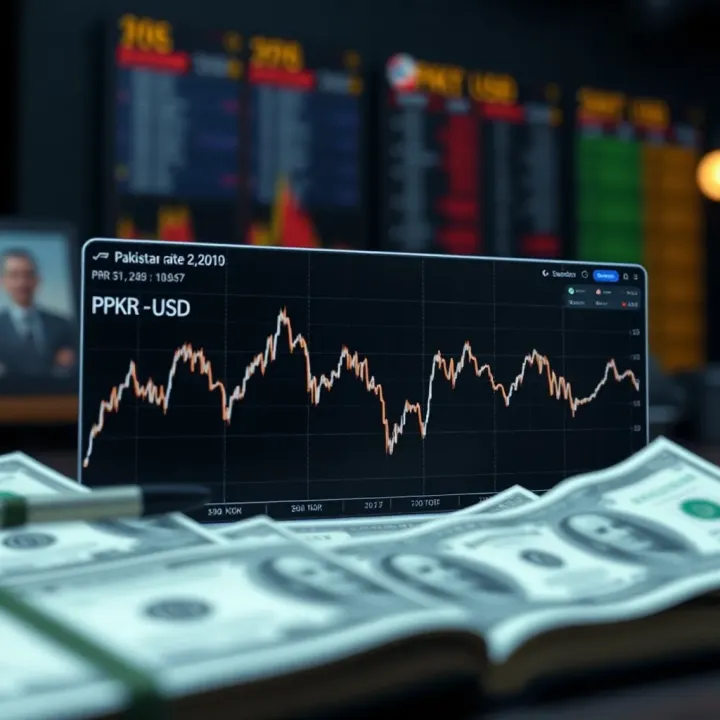
PKR to USD Forecast: Exchange Rate Trends Explained
📉 Explore PKR to USD trends with a sharp focus on economic indicators, govt policies, and global events. Stay ahead for smart business and investment choices. 💼💰
Edited By
Charlotte Davies
The exchange rate between the Pakistani Rupee (PKR) and the US dollar is a vital indicator impacting Pakistan's economy. Traders, investors, and businesses keep a close eye on this rate as it directly influences import costs, export competitiveness, inflation, and foreign investment flows. Understanding what drives fluctuations in the dollar-rupee rate is essential to making informed decisions.
Several factors play key roles in shaping the exchange rate. Domestic economic conditions such as inflation rates, trade deficits, and foreign exchange reserves influence the PKR’s strength. For instance, when Pakistan's trade deficit widens due to higher imports like oil, demand for dollars rises, putting pressure on the rupee.
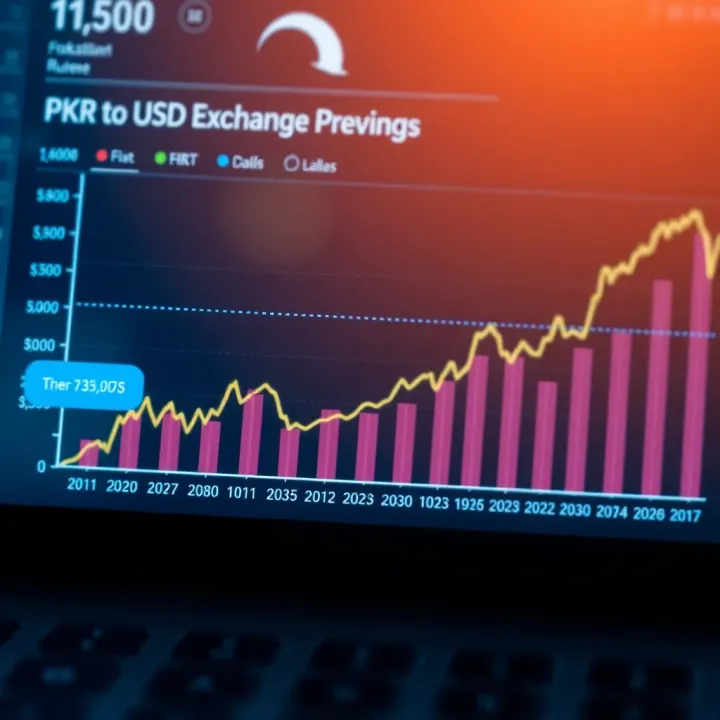
Government policies also matter—monetary policy adjustments by the State Bank of Pakistan (SBP), including interest rate changes, can affect capital flows and currency valuation. For example, a rise in the SBP policy rate tends to attract foreign portfolio investment, supporting the rupee. Conversely, political uncertainty or weak fiscal management often scares off investors, weakening the currency.
External factors like global oil prices, US dollar trends, and geopolitical tensions add complexity. Since Pakistan imports a large share of its oil needs, surges in crude prices create greater rupee demand for foreign exchange. Meanwhile, a stronger US dollar worldwide usually translates to rupee depreciation.
For businesses and consumers in Pakistan, shifts in the PKR-USD rate impact everything from the cost of raw materials to inflation in daily essentials. Investors also adjust their strategies, balancing risks against potential gains from currency movements.
To track these influences, watch:
SBP policy announcements and interest rate decisions
Import-export data and current account balances
Foreign direct investment inflows and portfolio movements
Global commodity prices and the US dollar index
By monitoring these indicators, one can better anticipate short- and medium-term trends in the PKR-USD exchange rate, aiding in risk management and strategic planning. The following sections will explore these elements in detail, helping you navigate this key economic variable more confidently.
The exchange rate between the US dollar and the Pakistani Rupee (PKR) plays a direct role in shaping Pakistan's economy, affecting everything from import costs to inflation and foreign investment flows. Understanding the current dollar rate helps traders, investors, and businesses make better decisions, such as when to buy dollars for import payments or how to hedge currency risks during volatile periods.
The dollar-PKR exchange rate represents how many Pakistani Rupees are required to buy one US dollar. This rate moves constantly in the foreign exchange market, influenced by supply and demand dynamics, government policies, and global trends. For instance, when Pakistan’s foreign currency reserves dwindle, the PKR often weakens against the dollar, making imports costlier.
The official exchange rate, set by the State Bank of Pakistan (SBP), may differ slightly from the open market or parallel rate due to market forces and regulations. Both rates matter: importers often rely on official rates for payments, while exporters and remitters may keep an eye on market rates.
In recent months, the dollar has steadily gained strength against the PKR. This trend reflects factors like rising inflation, successive SBP interest rate hikes, and foreign capital outflows amid global uncertainty. For example, in early 2024, the exchange rate crossed Rs 280 per dollar in the open market, compared to around Rs 260 six months earlier.
These fluctuations affect ordinary consumers too. Increased dollar rates push up the cost of imported goods, such as electronics and vehicles, which in turn raises overall inflation. Businesses that rely on imported raw materials face cost pressures, which often pass on to consumers.
Understanding these trends helps market participants anticipate future movements and prepare accordingly. That said, sudden political developments or drops in foreign aid can easily shift the dynamics, so monitoring both domestic and international news is crucial.
Keeping track of the current dollar rate offers practical benefits—whether for planning business expenditures, forecasting inflationary pressures, or managing currency exposure in investments.
By staying informed on the current state and recent movements of the dollar-PKR exchange rate, stakeholders in Pakistan can react more promptly to changes and optimise their economic decisions in an uncertain market environment.
Several economic factors directly influence the exchange rate between the US dollar and the Pakistani Rupee (PKR). Understanding these elements is vital for traders, investors, and analysts who follow the currency market closely. These key factors shape market sentiment and determine the demand and supply of dollars in Pakistan’s forex ecosystem.
Inflation levels and interest rates in Pakistan significantly affect the dollar-PKR rate. When inflation rises faster than in the US, the purchasing power of the Rupee declines, pushing the dollar rate upwards. For instance, Pakistan has often faced inflation rates above 10%, whereas US inflation tends to hover in single digits, making PKR relatively weaker.
Interest rates, set mainly by the State Bank of Pakistan (SBP), also play a role. Higher interest rates in Pakistan usually attract foreign capital seeking better returns, which supports the Rupee and can lower the dollar value. However, if the inflation rate outweighs interest gains, the real return diminishes and the Rupee weakens. In early 2024, SBP raised rates to combat inflation, which temporarily strengthened PKR against the dollar but had limits since inflation remained stubborn.
The balance of payments (BoP), especially the current account balance, tracks Pakistan’s trade in goods, services, and income. A deficit means Pakistan imports more than it exports, increasing demand for dollars and weakening PKR. For example, Pakistan’s oil imports, rising machinery purchases, and lower textile exports add pressure on the dollar rate.
Conversely, when exports or remittances increase, the BoP improves, reducing dollar demand. During festive seasons like Ramazan or Eid, remittance inflows tend to rise, temporarily easing the pressure. Maintaining a stable BoP remains a constant challenge for policymakers aiming to manage the PKR-dollar exchange.
Foreign exchange reserves act as Pakistan’s financial shield in forex markets. Higher reserves allow the SBP to intervene by selling dollars to stabilise the exchange rate when demand soars. As of early 2024, Pakistan’s reserves hovered around $8 billion, a level considered low relative to import bills.
Reserves also signal confidence to investors and currency traders. When reserves drop, market participants expect further depreciation of PKR, causing speculation and even faster rupee weakening. On the other hand, reserves replenished through IMF support or increased remittances can stabilise or even strengthen PKR in the short term.
In short, inflation, interest rates, BoP health, and foreign reserves form the backbone of the dollar-PKR rate dynamics. These factors combine actively, creating a shifting environment for anyone analysing or working with Pakistan’s currency market.

Inflation higher than the US tends to weaken PKR against USD.
Elevated interest rates may attract investment but must outpace inflation to support PKR.
Persistent BoP deficits increase demand for dollars and depress PKR.
Adequate foreign exchange reserves help stabilise the exchange rate and boost market confidence.
Understanding these economic indicators helps traders and investors anticipate dollar rate moves, manage risks, and make informed decisions in Pakistan’s volatile currency market.
Government policies play a significant role in shaping the value of the Pakistani Rupee (PKR) against the US dollar. These policies influence market confidence, liquidity, and ultimately the exchange rate. Traders and investors closely watch decisions made by the government and the State Bank of Pakistan (SBP), as these actions impact currency stability and economic direction.
SBP’s monetary policy directly affects the dollar-rupee exchange rate through interest rate adjustments. When SBP raises the policy rate, it generally attracts foreign investment seeking higher returns on fixed-income instruments. For instance, during FY 2023-24, hikes in the SBP policy rate helped support PKR by drawing foreign portfolio inflows, which boosted demand for rupees. Conversely, lowering interest rates tends to ease borrowing but may weaken the rupee as capital flows out in search of better yields abroad. Additionally, SBP manages liquidity in the financial system, influencing inflation and money supply, which are key currency value drivers.
Fiscal policy decisions, particularly government spending and borrowing, also impact the PKR-dollar rate. Pakistan’s widening fiscal deficit often pressures the rupee because it leads to increased borrowing from domestic and international sources. When the government borrows heavily from the banking system, it tightens liquidity and raises interest rates, affecting the currency indirectly. On the other hand, large external debt repayments or deficits in the budget funded by foreign loans can spook markets and depreciate the PKR. For example, if the government fails to maintain fiscal discipline, foreign investors may reduce exposure, triggering higher demand for dollars and further depreciation.
The SBP actively intervenes in the forex market to smooth out excessive volatility and stabilise the rupee. This is done by selling or buying dollars from the open market using foreign exchange reserves. For instance, during episodes of sharp PKR depreciation, SBP may inject dollars to support the rupee temporarily. However, this approach has limits, especially when reserves fall below comfortable levels. Also, direct intervention can only delay trends caused by underlying economic weaknesses, making policy measures more crucial for sustainable stability. Market participants view SBP’s intervention as a signal of government commitment to stabilise the currency, affecting traders’ short-term sentiment.
Effective government policies—in monetary, fiscal, and forex domains—are essential for stabilising the PKR and managing the dollar exchange rate, benefiting both investors and consumers.
Together, these government-led factors provide a framework traders and analysts must consider when forecasting the dollar rate in Pakistan. Understanding how policy changes influence currency fluctuations helps businesses and individuals make better financial decisions in the face of exchange rate risks.
External factors often shape Pakistan's currency value as much as domestic policies do. The dollar-PKR exchange rate reflects not just local economics but also global financial trends, foreign investments, and political events abroad. Understanding these helps traders, investors, and analysts anticipate shifts and manage risks more effectively.
The US dollar’s strength on international markets directly impacts the dollar rate in Pakistan. When the dollar gains against other major currencies due to strong US economic data, such as higher GDP growth or rising interest rates set by the Federal Reserve, the PKR tends to weaken. For example, during periods when the US increased its policy rate in 2022, Pakistan experienced PKR depreciation partly because investors preferred USD assets for better returns. Additionally, global crises—like oil price shocks or trade tensions—can boost demand for the dollar as a safe haven, further pressuring PKR.
Foreign direct investment (FDI) and remittances play a vital role in keeping Pakistan’s forex reserves stable and supporting the rupee. Inflows from overseas Pakistanis and multinational corporations ease the demand for dollars, helping maintain a balanced exchange rate. For instance, the surge in remittances through platforms like JazzCash and Easypaisa in recent years has contributed to steady forex reserves. Conversely, a drop in foreign investment or delayed capital inflows can cause a dollar shortage, pushing the PKR down. Keeping an eye on developments in key partner countries, such as the US, UAE, and China, is crucial to forecast these inflows.
Political events both within Pakistan and internationally can trigger currency fluctuations. Political uncertainty, whether due to elections, protests, or government changes, typically reduces investor confidence and raises demand for the US dollar as a safer store of value. Geopolitical tensions involving Pakistan or its neighbours also affect the rupee. For example, border conflicts or regional instability often lead to capital flight and exchange rate volatility. Moreover, international sanctions or shifts in diplomatic relations with key allies can impact Pakistan’s access to foreign funding, indirectly influencing the dollar rate.
Given these factors, monitoring external influences provides a more complete picture for forecasting the dollar rate in Pakistan. These variables interact with local economic conditions, shaping market sentiment and the currency’s direction.
This understanding helps stakeholders prepare better strategies for managing currency exposure and making informed investment decisions.
Forecasting the dollar rate against the Pakistani Rupee (PKR) helps businesses, investors, and policymakers make informed decisions. Understanding what drives future exchange rate trends gives a clearer view of risks and opportunities, especially in a volatile economic environment like Pakistan’s. Traders can better time their market moves, importers can plan purchases to avoid sudden currency shocks, and policymakers can adjust monetary tools more effectively.
Several methods are commonly used to predict exchange rates. Fundamental analysis looks closely at economic factors such as inflation, interest rates, current account balances, and foreign reserves. For example, if Pakistan’s foreign reserves grow steadily, fundamentals suggest less pressure on the PKR, supporting its value.
Technical analysis relies on historical price data and chart patterns. Traders watch support and resistance levels, moving averages, and other indicators to anticipate short-term currency movements. For instance, a sudden break below a key support level on the PKR-USD chart may signal further depreciation.
Another method is econometric modelling, using statistical tools to establish relationships between multiple economic variables and the exchange rate. These models can simulate different scenarios—for example, how a change in SBP's policy rate might impact the USD-PKR rate over the next quarter.
Financial analysts in Pakistan and abroad regularly publish forecasts for the PKR vs USD rate, factoring in current economic data and political developments. Many analysts expect pressure on the PKR due to Pakistan’s widening trade deficit and reliance on external borrowing. Some forecasts project the dollar climbing to Rs 320 or beyond in the near term if external inflows slow further.
That said, positive moves like IMF loan disbursements or higher remittance inflows may ease depreciation. Analysts from investment banks and rating agencies also stress the importance of monetary policy adjustments and fiscal reforms in shaping future currency trends.
Predicting exchange rates is inherently difficult due to multiple uncertain factors. Sudden geopolitical shifts, unexpected changes in US Federal Reserve policy, or global commodity price swings can disrupt forecasts quickly. Domestic factors such as political instability, delays in negotiations with international lenders, or unexpected changes in remittance flows further complicate predictions.
Even the best models and expert views cannot eliminate risk. Effective risk management should go alongside any forecast-based decision.
Moreover, Pakistan’s economy is sensitive to external shocks like fluctuating oil prices and global trade tensions, adding another layer of unpredictability. Hence, forecasts should be viewed as guidance with caution, not guaranteed outcomes.
Understanding these expert views, forecasting techniques, and their limitations will help readers navigate the complex market dynamics affecting the dollar rate in Pakistan.
Fluctuations in the dollar rate significantly influence Pakistan's overall economic health. For a country heavily reliant on imports, exports, and foreign capital, even small changes in the Dollar-PKR exchange rate ripple through various sectors. Understanding these implications helps businesses, investors, and policymakers make informed decisions amid currency uncertainty.
When the dollar strengthens against the rupee, imports become more expensive. Pakistan relies on imports for essential goods like crude oil, machinery, and raw materials. For instance, a 10% depreciation in the PKR against the USD can push up import bills by billions of rupees, adding pressure on the trade deficit. On the other hand, a weaker rupee can make Pakistani exports, such as textiles and rice, more competitive in international markets, potentially increasing export revenues and improving the trade balance.
However, this advantage is tempered if exporters rely on imported inputs, which become costlier as the dollar rises. Therefore, the net effect on the trade balance depends on the structure of imports and exports. Policymakers often watch these dynamics closely, as a worsening trade deficit weakens forex reserves and puts further pressure on the rupee.
Dollar rate fluctuations directly impact inflation in Pakistan. A depreciating rupee means imported goods and commodities priced in dollars get costlier, leading to higher consumer prices. Energy prices, largely tied to international markets, often rise following currency declines, affecting petrol, diesel, and electricity tariffs. For example, when the dollar rate jumped in recent years, inflation crossed double digits, squeezing household budgets.
Rising prices of imported food items and raw materials also push up the cost of local production, creating a chain reaction in inflation. This scenario hits low- and middle-income families the hardest, as food and fuel take a larger share of their expenses. Thus, dollar rate stability is closely linked to controlling inflation and maintaining household purchasing power.
Businesses face increased uncertainty and costs with volatile exchange rates. Companies that depend on imported machinery or raw materials must factor in currency risk when budgeting and pricing. Sudden rupee declines can erode profit margins or force price increases, which might reduce demand. Export-oriented firms may benefit from a weaker PKR but struggle if their supply chains involve significant foreign components.
Investors, both domestic and foreign, monitor currency trends for risk and opportunity assessment. A rapidly depreciating rupee can discourage investment due to expected losses on repatriated profits, while exchange rate stability tends to attract foreign portfolio and direct investment. For the stock market, sectors sensitive to imports like tech or energy often experience more price volatility tied to currency moves.
Managing dollar rate volatility remains crucial for Pakistan's economic resilience. Businesses and investors must plan carefully, while policymakers focus on exchange rate mechanisms and forex reserves to cushion shocks.
Dollar fluctuations affect import prices, trade balance, and export competitiveness
Inflation often rises when the rupee weakens, impacting consumer expenses
Business costs and investment flows respond sensitively to currency swings
A clear grasp of these effects equips stakeholders to navigate Pakistan's evolving economic landscape with greater confidence.
Fluctuations in the dollar rate can heavily impact both individuals and businesses in Pakistan. Managing currency risks is more than just a technical exercise—it’s about protecting your purchasing power and financial stability amid market swings. For businesses importing goods or paying foreign debt, even a slight depreciation in the Pakistani Rupee (PKR) can inflate costs significantly. Likewise, individuals sending remittances or buying imported items face uncertainties that can affect household budgets.
One common way to shield against currency swings is hedging. Forward contracts are a popular choice where importers and exporters agree to a fixed exchange rate for a future date, eliminating risk from sudden movement in the dollar rate. For example, a textile exporter in Faisalabad can lock in a rate today for payment they expect in three months, securing their revenue against rupee depreciation.
Options contracts also provide flexibility, allowing holders the right, but not obligation, to buy or sell foreign currency at a pre-agreed rate. Although more complex and costly than forwards, options prove useful when market direction is uncertain but protection is still necessary.
Pakistan offers various financial tools to help manage currency exposure. Banks and exchange companies licensed by the State Bank of Pakistan provide access to forward contracts and currency trading accounts designed for businesses with foreign currency needs. Many banks, including Habib Bank Limited and MCB, also offer remittance services that lock exchange rates or provide competitive rates to reduce the cost of foreign currency transfers.
Mobile wallets like JazzCash and Easypaisa have started introducing features for small businesses to receive payments in foreign currency or convert instantly, easing daily transaction risks caused by volatile dollar rates.
For individuals, timing currency conversions can save money. Converting money in smaller tranches rather than a lump sum often spreads risk. Keeping an eye on Pakistan Stock Exchange (PSX) trends and State Bank of Pakistan announcements about monetary policy can help predict short-term movement.
When travelling or making online purchases in dollars, using credit cards with favourable forex rates or prepaid travel cards can reduce hidden charges. Also, avoid unofficial money changers who often offer attractive rates but expose you to the risk of counterfeit notes or scams.
Managing currency risks requires awareness and proactive strategies. Whether you’re a business importing raw materials or an individual sending money abroad, using hedging tools and local services can guard against sudden rupee depreciation and save you significant costs.
By adopting a combination of protection measures, staying updated with economic news, and using trusted financial institutions, both individuals and enterprises can navigate the dollar’s ups and downs more confidently.
📉 Explore PKR to USD trends with a sharp focus on economic indicators, govt policies, and global events. Stay ahead for smart business and investment choices. 💼💰
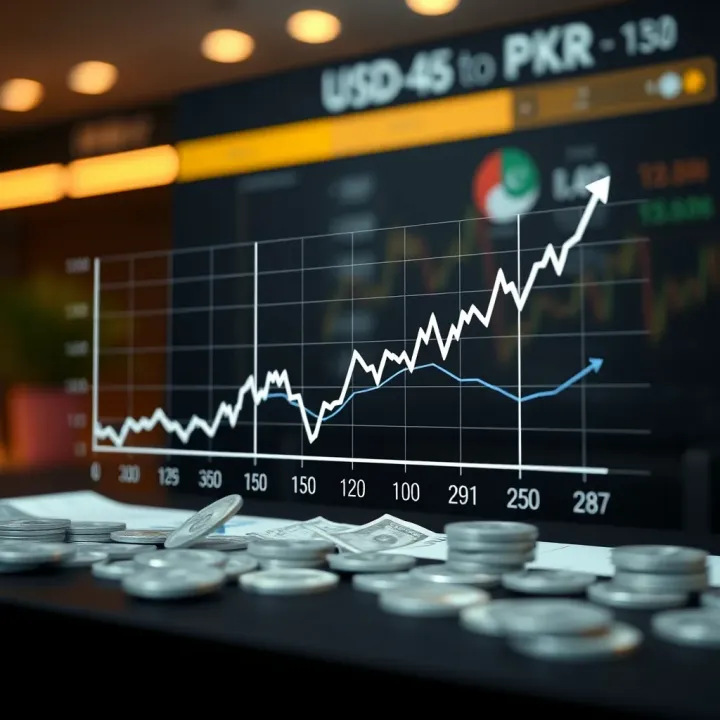
Explore the key factors affecting USD to PKR rates 📊. Get insights on economic trends, market behaviors, and geopolitical shifts to make smart financial decisions 💰.
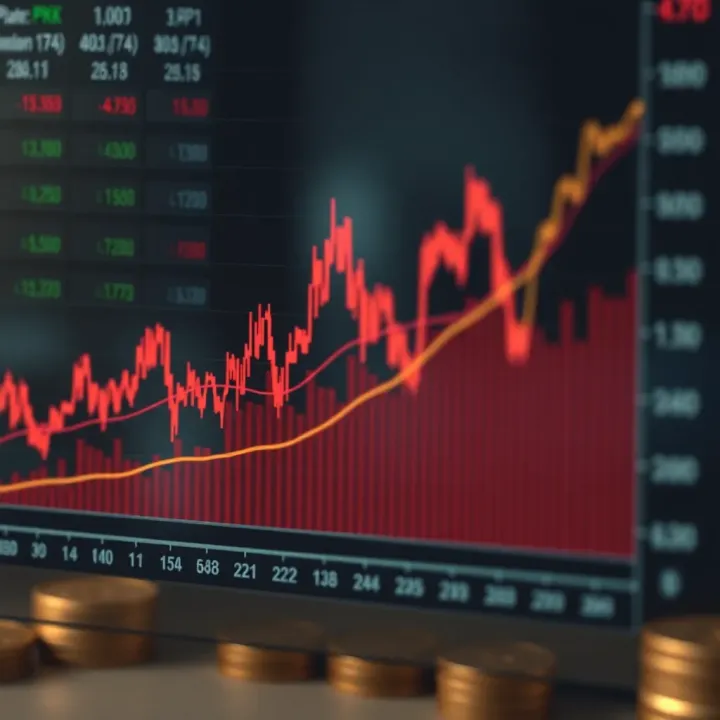
📉 Get a detailed forecast of USD to PKR over the next 3 months, covering economic data, policies, and expert views to guide your currency decisions. 💼
💹 Stay updated on the USD to PKR exchange rate trends! Learn how economic shifts, policies, and global factors may impact your money in Pakistan.
Based on 10 reviews