
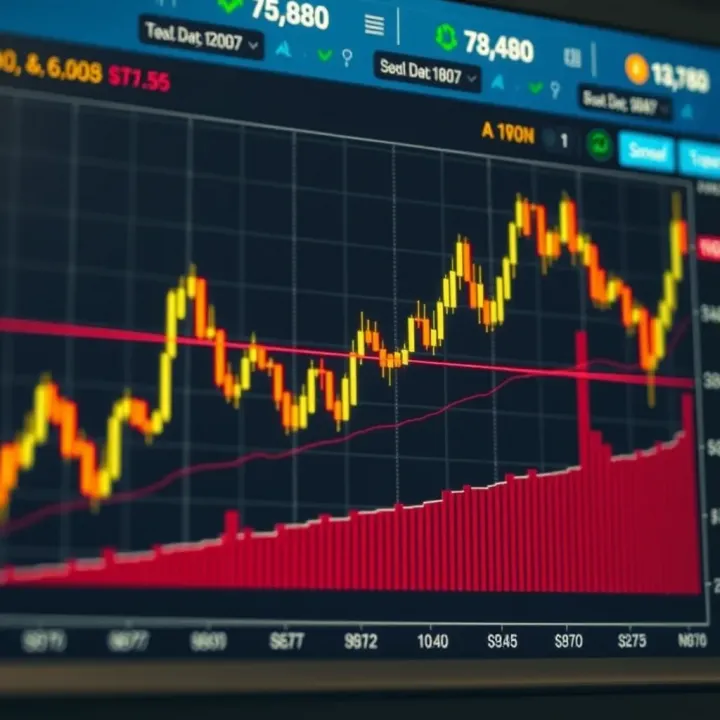
Understanding XAUUSD Signals for Gold Trading
Discover how XAUUSD signals help Pakistani traders read gold vs US dollar trends 📈, analyze risks, and refine strategies for smarter gold trading decisions 💰.
Edited By
Sophie Clarke
Investing in gold remains popular in Pakistan, especially when the rupee faces volatility or the economy sees inflation pressure. Yet, simply buying bullion or coins without understanding market signals can lead to missed opportunities or losses.
Gold signals are indicators that reflect price trends, market sentiment, and external economic events influencing gold's value. Getting familiar with these helps investors and traders spot when to buy or sell. These signals cover both technical aspects like price patterns and fundamental factors such as geopolitical tensions or government policy changes.

For example, in Pakistan, a rise in gold prices might follow increased demand during festivals like Eid or uncertainties linked to political developments. Likewise, an unexpected hike in the State Bank of Pakistan’s policy rate can move gold’s appeal because it affects currency strength and alternative investments.
Paying attention to these indicators can make a real difference. Instead of guessing if prices will rise or fall, signals give a clearer picture of market momentum.
Some common gold signals include:
Technical indicators: Moving averages, Relative Strength Index (RSI), and candlestick patterns help understand price momentum and potential reversal points.
Fundamental news: Changes in US Dollar strength, inflation data, or emerging geopolitical risks affect global gold prices and indirectly influence the local market.
Market sentiment: Investor mood, tracked through gold ETFs or futures positions, hints if the market expects price rises or declines.
By weaving these signals together, you can better time your trades or investments, reducing risk and improving returns. This approach suits everyone from seasoned traders to new investors looking for a methodical way to engage with Pakistan’s gold market.
Understanding gold signals means moving beyond guesswork, building a more confident, data-driven strategy to handle your investment in a market that never sits still.
Gold signals are patterns, indicators, or cues derived from the gold market, helping investors understand price trends and market sentiment. These signals guide decisions about when to buy, hold, or sell gold, which is especially useful in markets prone to sudden swings. For example, a consistent rise in gold prices over several days could signal a bullish trend, prompting investors to consider buying before prices climb higher.
Gold plays a vital role for Pakistani investors as a store of value and a hedge against inflation and currency fluctuations. Recognising gold signals equips investors to react smartly, avoiding catch-up losses during price dips or missing out on gains during rallies. This hands-on insight makes gold signals relevant and practical for making timely investment choices.
Price changes over time form the backbone of gold signals. Tracking the rise, fall, or sideways movement of gold prices reveals market trends. For instance, if gold prices consistently close above a certain level—say Rs 120,000 per tola—this might indicate an upward trend. Conversely, repeated dips below a support level can warn of a possible downturn.
These trends are crucial for short-term traders and long-term investors alike. Traders can capitalise on quick price moves, while longer-term investors may use trends to confirm when gold is gaining or losing strength in the market. Practical application involves watching charts daily or weekly to spot these movements early.
Beyond raw numbers, gold signals reflect what traders and investors collectively feel about gold's prospects. Sentiment can be positive or negative, driven by factors like economic reports, political events, or even social media chatter. For example, fear of rising inflation often pushes traders towards gold as a safe haven, creating bullish sentiment that elevates prices.
In the Pakistani context, if news about the rupee’s devaluation spreads, investment sentiment may shift rapidly toward gold, driving demand. Understanding this collective mood helps investors avoid panic selling or rash buying. Sentiment analysis tools and monitoring financial news sources like the State Bank of Pakistan (SBP) updates help gauge market mood.
Gold signals combine price data and sentiment insights to inform investment moves. A savvy investor won’t simply buy because the price is rising; they assess whether signals indicate a stable rise or a short-term spike. For example, a strong crossover in moving averages (a technical gold signal) accompanied by positive economic news might prompt a confident purchase.
Conversely, signals warning of an upcoming dip help investors lock in profits or reduce exposure. This role of gold signals — guiding when to enter or exit — makes them essential tools for managing portfolios effectively, especially in volatile markets like Pakistan’s.
Gold markets can fluctuate sharply due to global events or local economic changes. Signals help investors spot early warnings to avoid heavy losses. For instance, sudden geopolitical tension in the Middle East can spike gold prices abruptly, but an experienced investor watches for whether such moves sustain or quickly reverse.
By relying on signals rather than guesswork, investors reduce emotional decisions during such volatility. This method is like having a weather forecast before stepping out — signalling when it’s safer to wait before investing or selling.

On the flip side, gold signals let investors catch profitable opportunities that others might miss. Timing matters—buying before a major price rally or selling before a downturn can multiply returns significantly.
For example, an investor in Karachi who tracks gold’s relative strength index (RSI) might spot oversold conditions indicating a price rebound. Acting at this moment typically yields better returns than waiting for general market consensus. Hence, treating gold signals seriously can turn good investments into great ones.
Gold signals are the compass for investors navigating gold markets. Understanding and using them smartly helps reduce risks and improve gains, especially in fast-changing environments like Pakistan’s financial landscape.
Investors rely heavily on technical indicators to interpret gold signals effectively. These indicators analyse past price data and help predict potential market movements, allowing investors to make informed decisions. Understanding these tools provides a practical edge, especially in Pakistan where gold markets can fluctuate with global trends and local factors like import duties.
Simple and exponential moving averages (SMA and EMA) are calculations that smooth out price data to identify trends over specific timeframes. The SMA takes the average price over a set period, giving equal weight to each data point, while the EMA gives more importance to recent prices, reacting faster to market changes. For example, a 20-day EMA could quickly highlight a recent price surge in gold due to geopolitical tensions.
Crossovers as buy or sell signals occur when a short-term moving average crosses over a longer-term one. For instance, if a 50-day SMA crosses above a 200-day SMA, it typically signals a bullish trend — an indicator to consider buying. Conversely, a crossover where the short-term falls below the long-term average often points to a bearish turn, suggesting an exit or sell. Pakistani investors tuning into such signals can better time their entries, avoiding buying gold when prices may decline.
The RSI is a momentum indicator that tracks overbought and oversold conditions by measuring recent price changes. Values above 70 imply gold is overbought and could face a correction, while below 30 suggests oversold conditions, often a buying opportunity. This helps investors avoid jumping in at price peaks or selling too early.
Using RSI to time market entries and exits makes it easier to identify when gold price momentum is shifting. For example, if gold’s RSI moves out of the oversold zone and crosses above 30, investors might consider entering the market. On the flip side, dropping below 70 after being overbought could be a cue to take profits or wait for better buying chances.
Support and resistance levels mark key price points where buying or selling pressures have historically been strong. Support is the price floor below which gold rarely falls, while resistance is the ceiling it struggles to break through. Spotting these levels allows investors to anticipate possible reversals or pauses in price movement.
Breakouts above resistance signal strong buying interest and potential price rises, whereas breakdowns below support may indicate a downward trend starting. For instance, gold consistently bouncing off Rs 120,000 per 10 grams acts as support; breaking this level might warn investors of falling prices. Recognising these patterns helps mitigate risks and plan trades accordingly.
Understanding these technical indicators allows investors to read gold signals with greater confidence. They provide a clearer picture of price trends and momentum, which can greatly enhance decision-making in Pakistan’s gold market.
By mastering moving averages, RSI, and support/resistance, you can spot opportunities and avoid common pitfalls while investing in gold.
Fundamental factors play a pivotal role in shaping gold prices and thus influence gold signals that investors rely on. Unlike technical indicators, these factors reflect real-world economic and political conditions that impact supply, demand, and market confidence. Understanding these elements helps investors to gauge why gold prices move the way they do and to adjust their strategies accordingly.
Interest rates and inflation trends strongly affect gold prices worldwide. Generally, when interest rates rise, gold tends to face selling pressure. This happens because higher interest rates increase the return on fixed-income assets like government bonds, making non-yielding assets such as gold less attractive. For example, recent hikes by the US Federal Reserve to tame inflation have often cooled gold buying, at least temporarily.
On the other hand, inflation erodes the purchasing power of currency, prompting investors to use gold as a hedge. If inflation surges—as often seen during rising fuel prices or currency devaluation—gold prices typically climb. In Pakistan, where inflation can spike unexpectedly due to food or energy costs, many local investors look at the inflation rate to decide when to pile into gold.
Currency fluctuations and foreign exchange rates also have a significant impact. Gold is priced internationally in US dollars (USD). So if the USD strengthens against other currencies like the Pakistani rupee (PKR), gold becomes more expensive locally, often leading to a drop in demand.
Similarly, a weakening rupee can make gold costlier for Pakistani buyers but might also signal inflation expectations that drive overall gold demand higher. Traders should watch exchange rate movements alongside gold prices because their interplay can signal either opportunities to buy or caution to hold back.
Gold acts as a “safe-haven” asset during times of conflict or political instability. When markets become jittery due to wars, diplomatic tensions, or terrorism threats, investors tend to flock to gold, pushing prices up regardless of technical signals.
This trend is relevant to South Asia, where regional uncertainties such as tensions between India and Pakistan or unrest in Afghanistan cause spikes in gold demand. For instance, during the border skirmishes or major protests, Pakistani investors often rush to buy physical gold or gold-backed financial products to preserve their wealth.
Such geopolitical factors are unpredictable but strongly influence gold signals by triggering sudden price surges or increased volatility. Monitoring news about conflicts and regional instability helps investors anticipate these shifts rather than react late.
In short, fundamental factors like economic data and geopolitical events provide the backdrop against which gold prices fluctuate. Considering these alongside technical signals gives Pakistani investors a better chance to make timely and informed decisions.
Market news and investor sentiment play an essential role in interpreting gold signals. For Pakistani investors, following timely updates and understanding public mood can reveal shifts in gold prices before they fully reflect in charts or technical indicators. Unlike pure technical analysis, these insights factor in real-world developments that directly impact supply, demand, and risk perception.
Keeping track of updates from institutions like the State Bank of Pakistan (SBP) helps investors grasp the local economic picture that influences gold prices. For example, a rise in SBP’s policy rate could strengthen the rupee and reduce gold's appeal as a safe haven, leading to price dips. Global market news from sources reporting on the US Federal Reserve or international inflation figures also shapes gold trends broadly, since gold often reacts to shifts in dollar strength and interest rates.
Expert analysis adds depth to raw data by interpreting complex economic signals. However, investors must avoid taking such views at face value; analysts may have differing opinions influenced by their own interests or perspectives. Comparing multiple commentaries and checking facts independently safeguards against biased or incomplete judgement. This approach ensures your decisions stay grounded in diverse, balanced insights rather than hype or fear.
Social media platforms often capture real-time investor sentiment, which can hint at emerging trends in gold trading. For instance, a sudden surge in conversations about gold prices or related geo-political tensions on Twitter or financial forums might precede market movements. Sentiment here reflects crowd psychology, useful for spotting short-term opportunities or risks.
Yet, this channel also carries the risk of misinformation spreading fast. False rumours or speculative posts may trigger exaggerated price reactions, misleading inexperienced investors. Hence, it’s wise to verify any crucial news through official channels or well-established financial media before acting. Being sceptical about viral opinions ensures that sentiment complements rather than distorts your reading of gold signals.
Timely and balanced use of financial news, expert analysis, and social sentiment can give you an edge in understanding gold signals, but critical evaluation remains key in Pakistan’s dynamic market environment.
By blending updates from reliable sources with cautious interpretation of public mood, Pakistani investors can better time their gold investment decisions and protect themselves from common pitfalls.
When you rely on gold signals for investment decisions in Pakistan, understanding local market conditions and costs is essential. These tips not only help you make informed choices but also save you needless expenses that eat into profits.
Domestic gold prices in Pakistan follow global trends but also react to local factors like currency movements and government policies. For example, if the rupee weakens against the dollar, gold prices often rise locally even if global prices remain stable. This means investors should track both international rates and exchange rates closely.
Another key factor is how gold prices can be skewed during festive seasons like Eid or wedding season. Jewellers often increase rates owing to higher demand, so relying solely on international price signals without considering local dynamics can misguide purchase timing.
Import duties, taxes, and jewellery making charges also add significantly to the final price. Pakistan charges a customs duty on imported gold, and jewellery making charges (ranging from 10% to 20%) can vary widely by vendor and design complexity. For instance, buying physical gold coins might avoid some making charges, while gold jewellery includes extra costs that reduce resale value. Knowing these charges helps investors evaluate whether buying physical gold is cost-effective versus other forms like gold ETFs.
Risk tolerance varies from person to person, so your budget and comfort with price fluctuations should guide how you follow gold signals. If you prefer low risk, entering gradually or investing in gold ETFs can suit you better, as they avoid physical handling and making charges. Conversely, a higher-risk investor might use signals to time physical gold purchases aggressively.
Choosing between physical gold, gold exchange-traded funds (ETFs), or jewellery depends on your goals. Physical gold gives a sense of security but is subject to storage risk and additional costs. Gold ETFs provide liquidity, transparency, and lower transaction fees but require a brokerage account. Jewellery offers aesthetic value but is costlier and less liquid. For example, a middle-class investor might start with ETFs to enter the market quickly, while a traditional saver might prefer 22-carat gold coins.
Recognising entry and exit points through gold signals is vital for capitalising on price movements. Technical indicators like moving averages and RSI help pinpoint when gold is oversold or overbought, signalling potential buying or selling times. For example, if gold price crosses above a 50-day moving average on high volume, it could be a cue to enter.
Avoiding common pitfalls like emotional trading is just as important. Many investors buy impulsively when prices spike or sell during a brief dip, ignoring the bigger trend. Patiently following signals and setting clear targets can prevent loss caused by panic or greed. For instance, setting stop-loss levels when buying physical gold protects you against sudden price drops.
Practical understanding of how gold signals interact with Pakistan’s unique market helps investors avoid unnecessary costs and make decisions aligned with their personal financial goals.
By blending local insights with technical and fundamental analysis, Pakistani investors can approach gold investment more strategically and confidently.
Discover how XAUUSD signals help Pakistani traders read gold vs US dollar trends 📈, analyze risks, and refine strategies for smarter gold trading decisions 💰.
📊 Understand Derivative IB with practical insights into its types, roles of investment banks, and risks in Pakistan's financial markets—essential for investors and students.

📈 Understand gold rates in Pakistan, factors that affect pricing, market trends, and tips for smart buying. Stay informed to make wise gold investments! 💰
📊 Learn how Pocket Option signals provide Pakistani traders with timely market tips and reliable trade advice to improve binary options and Forex strategies effectively.
Based on 6 reviews