
Gold Price Today: Key Factors and Market Trends in Pakistan
📈 Explore today's gold price trends in Pakistan, learn how economic indicators & geopolitical events influence the market, plus smart tips for gold buyers.
Edited By
Emily Parker
Gold has always held a special place in Pakistan’s economy and culture, acting as both a store of value and a popular investment. Predicting gold prices here today means understanding a mix of local conditions and global trends that sway the market.
Pakistan’s gold rates respond strongly to domestic demand, exchange rates, and government policy. For example, during festivals like Eid or wedding seasons, demand spikes as families buy gold, pushing prices up. The Pakistani rupee’s performance against the US dollar also plays a key role; if the rupee weakens, gold prices tend to rise since gold is imported and priced internationally.
Supply constraints from local dealers and customs duties add complexity. Sometimes informal gold markets affect the visible rates, causing slight variations across cities. Plus, government taxes and import duties set by the Federal Board of Revenue (FBR) influence the landed cost, especially when duties change or if smuggling affects supply.
Global gold prices impact Pakistan almost directly due to reliance on imports. Factors like US Federal Reserve interest rate changes, geopolitical tensions, and inflation trends contribute to global gold movements. For instance, rising inflation in the US or Europe usually pushes gold prices higher as investors seek safe-haven assets.
Events like political instability or conflict in Middle East regions can also trigger price jumps. Since Pakistan’s gold pricing ties closely to international benchmarks, any sudden fluctuations in global markets often reflect immediately in local rates.
Understanding both domestic activities and global cues creates a fuller picture for anyone trying to predict Pakistan’s gold price movements today.
Track PKR/USD exchange rates regularly as shifts can alter gold prices in Pakistan quickly.
Watch local demand cycles, especially around weddings and religious holidays, which temporarily raise prices.
Be wary of sudden policy changes regarding taxes or import regulations announced by FBR — these can impact costs overnight.
Rely on trusted sources for live gold prices, including recognised jewellery markets and reputable financial platforms.
This blend of local habits, government rules, currency behaviour, and international trends forms the foundation for understanding and predicting gold prices in Pakistan today.
Understanding current gold price trends is essential for traders, investors, and everyday buyers in Pakistan. These trends reveal how the market is moving and help stakeholders make informed decisions by highlighting real-time price shifts influenced by various factors.
Regional price differences in Pakistan often arise due to local supply chains and varying demand levels. For example, gold prices in Karachi's markets may slightly differ from those in Lahore or Islamabad, primarily because of transportation costs, market competition, and consumer behaviour. Traders in Karachi might see prices Rs 200-300 higher per tola compared to smaller cities like Gujranwala due to higher demand and increased import activity through the port.
This variation has practical importance. If you’re planning to buy or sell gold, knowing these regional differences can save you significant money. For instance, wedding gold purchases in Punjab typically push prices up regionally, encouraging buyers from nearby towns to shop in big city markets where rates might be more competitive despite added expenses.
Comparing today's rates with those of previous days helps spot short-term trends. A sudden jump in gold price over a few days could reflect sharp changes in the US dollar to Pakistani rupee exchange rate or unsettled political conditions. Conversely, a drop after a spike might suggest profit-taking by investors or easing inflation fears.
For example, if gold was Rs 120,000 per 10 grams yesterday and rose to Rs 122,500 today, investors might view this as a buying opportunity expecting prices to climb further. On the other hand, those holding gold may sell off when prices peak to lock in gains.
Demand peaks during festivals like Eid and wedding seasons significantly affect gold prices locally. Many families buy gold jewellery as gifts, which boosts demand sharply. This heightened demand often results in price hikes starting weeks before Eid and continuing into the following months.
Surgical markets in cities like Lahore experience heavy footfall during these periods, pushing jewellers to raise prices slightly each day to meet demand. Buyers should be cautious; prices tend to stabilise or even drop once the festive rush ends.
Local economic conditions critically shape gold prices too. Inflation and currency depreciation, for instance, push investors towards gold as a safer store of value. When the rupee weakens against the dollar, the cost of imported gold rises, and local prices adjust accordingly.
Moreover, rising inflation reduces purchasing power, but gold remains attractive for preserving wealth. During economic uncertainty, such as political unrest or rising petroleum prices, gold prices often react quickly, offering a reliable hedge against market turbulence.
Tracking current gold price trends gives you a practical edge, whether you're an investor looking to time your entry or a consumer aiming to buy jewellery at the right moment.
By paying close attention to regional variations and local market forces, you can navigate the gold market in Pakistan with more confidence and better results.
Gold price forecasts in Pakistan depend largely on a mix of global and domestic factors. Understanding these elements can help investors and traders make informed decisions. These factors interact continuously, causing fluctuations that reflect on the local gold rates.
One major factor is the currency value, especially the USD-PKR exchange rate. Since gold is priced internationally in US dollars, a weaker Pakistani rupee means higher local prices for the same gold quantity. For instance, if the rupee drops from Rs 285 to Rs 300 against the dollar, imports of gold or gold products become costlier, pushing gold prices up in Pakistan. Traders keeping an eye on the forex market can better anticipate short-term movements in gold price.
Likewise, shifts in global demand and supply affect Pakistan’s gold prices. A surge in demand from big markets like China and India or supply disruptions in producing countries can tighten global availability. For example, mining strikes or geopolitical tensions in South Africa or Russia often reduce gold output, raising its international value. Such changes eventually trickle down to Pakistan, influencing prices at local markets and auction platforms.
Domestic political stability plays a vital role in shaping investor confidence. Frequent government changes or policy uncertainties can lead to a risk-averse market, pushing more people towards gold as a safe asset. The political tug-of-war seen in Pakistan over the last few years has on many occasions led to quick spikes in gold prices as investors sought to protect wealth amid uncertainty.
Inflation and interest rates shape purchasing power, which heavily impacts demand for gold. High inflation erodes cash value, making gold a preferred store of value. For instance, during periods when inflation hovers above 10%, demand for gold jewellery and bars typically rises. Conversely, if the State Bank of Pakistan raises interest rates to tame inflation, borrowing costs increase, limiting spending, and might dampen gold demand temporarily.
Monitoring these key factors—currency rates, international supply-demand, political climate, and inflation—provides a clearer picture for forecasting gold prices in Pakistan.
Together, global and local economic signals act like a pulse, indicating the likely direction of gold prices. Keeping track of these will help both casual buyers and serious investors position themselves wisely in Pakistan’s ever-changing gold market.
Understanding how gold prices are predicted helps investors and traders make informed decisions in Pakistan's fluctuating market. Predicting prices is not guesswork; it relies on analysing patterns and data, often divided into two main techniques: technical analysis and fundamental analysis. Each offers distinct insights, and when combined, they give a clearer picture of where the gold market might be headed.
Use of charts and market trends
Technical analysis involves studying past price movements using charts to identify trends and patterns. Traders watch for recurring shapes like "head and shoulders" or "double bottoms" that historically indicate price reversals or continuations. For example, if gold prices in Karachi show an upward trend for several days, a technical analyst might predict the rally to continue, recommending it as a good time to sell.
Visualising data over days or weeks reveals momentum and volatility, which helps traders decide when to enter or exit the market. This method is practical for short-term decisions, especially when rapid changes occur due to local news or economic updates.
Common technical indicators
Several indicators help interpret charts: the Moving Average (MA) smooths out price data to highlight trends, while the Relative Strength Index (RSI) signals overbought or oversold conditions. For instance, if RSI rises above 70, it suggests gold might be overbought in Pakistan’s market, signalling a possible price correction.
The Moving Average Convergence Divergence (MACD) is another tool that tracks momentum and trend direction. Pakistani traders often use MACD to spot shifts before they appear obvious on price charts. These indicators, while not foolproof, offer practical checkpoints to assess market sentiment and potential price moves.
Tracking supply and demand factors
Fundamental analysis looks at real-world events affecting gold’s supply and demand. In Pakistan, demand spikes during wedding seasons or Eid when people buy gold as gifts or investment. Similarly, disruptions in gold imports due to customs delays can affect supply, pushing prices up.
By monitoring these factors, investors can anticipate price changes beyond just charts. For example, if reports suggest reduced gold imports or higher local demand during Ramadan, prices may likely rise, indicating a buying opportunity before the climb.
Analysing economic and geopolitical events
Gold prices react sharply to political stability, inflation, currency fluctuations, and global uncertainties. For instance, when the Pakistan rupee weakens against the US dollar, gold prices often rise since gold is imported and priced internationally in dollars.
Geopolitical tensions, say between global powers or unrest in critical regions, can drive investors towards gold as a safe haven. In Pakistan’s context, announcements from the State Bank about interest rates or inflation data influence gold demand and prices seriously. Understanding these events helps predict gold trends with a broader economic perspective.
Successful gold price prediction blends technical signals with fundamental realities. This dual approach helps traders and buyers in Pakistan navigate the market more confidently and make choices backed by data and market behaviour.
Navigating the gold market in Pakistan requires more than just checking the daily rates. Practical tips for buying and selling gold help you make informed decisions that protect your investment and maximise returns. Whether you're an investor or a regular buyer, understanding local market behaviour and timing can save you rupees and prevent costly mistakes.
Reading market signs involves observing patterns like price trends, political developments, and currency fluctuations that affect gold rates. For example, if the US dollar weakens against the Pakistani rupee, gold prices often rise. Keeping an eye on gold price charts and news about global tensions can signal when to buy or sell. A sharp increase in demand before Eid or weddings also hints at upcoming price rises.
Considering seasonal effects is important because buying gold during certain times of the year can be costly. For instance, prices in Pakistan generally climb during the wedding season (October to March) and before major festivals like Eid and Diwali. Conversely, off-season months often offer better rates. Recognising these seasonal trends helps you plan purchases when prices dip, such as right after these peak periods.
Purity checks and hallmarking ensure you pay for genuine gold. Pakistan's hallmarking system certifies gold purity levels, usually 22 karats (916 fineness). Always ask for a hallmark certificate and verify with an electronic gold tester if possible. This practice avoids adulterated or mixed metal jewellery, a common risk in local markets. For example, a 10-gram gold chain claiming 22-karat purity but lacking proper hallmark could be much lighter in pure gold content.
Working with trusted jewellers and dealers is crucial to avoid scams. Well-known dealers in cities like Karachi, Lahore, and Islamabad maintain reputations over decades. Buying from these sources offers a guarantee of quality and facilitates easy resale. Before making a purchase, check reviews, ask about return policies, and avoid street vendors with unverified stock. Trusted dealers also provide detailed receipts and hallmark certificates, which protect you during resale or if disputes arise.
Taking these practical steps when dealing with gold in Pakistan not only safeguards your investment but also gives peace of mind in a market influenced by fluctuating prices and varying quality standards.
By aligning buying decisions with market signs, seasonal cycles, and strict local buying checks, you can make smarter moves in Pakistan's gold market. This approach benefits both casual buyers and serious investors seeking to grow wealth safely.
Getting accurate gold price updates is vital for anyone dealing in gold—whether you’re a trader, investor, or just a buyer. In Pakistan, several trusted sources provide timely and dependable information reflecting both local and international market movements. Relying on these can help you make informed decisions and understand price fluctuations better.
The Pakistan Mercantile Exchange (PMEX) offers one of the most reliable platforms for gold price updates. It reflects live market prices based on actual trading activities, which means you’re looking at real-time supply and demand influences. PMEX data is particularly relevant for investors interested in futures contracts or those tracking gold as a commodity investment.
This data is practical for spotting short-term trends and evaluating gold price volatility. For example, if there’s a sudden spike in PMEX gold prices, it often signals increased investor demand or economic shifts. Traders use this insight to time their buying or selling moves and minimise risks.
The State Bank of Pakistan (SBP) influences gold prices indirectly through its monetary policies and currency management. Its announcements about interest rates, foreign exchange reserves, or interventions in PKR-USD exchange rates provide clues about gold's future price movement.
For instance, depreciation of the Pakistani rupee against the US dollar often leads to a rising gold price since gold is traded in USD internationally. Watching SBP reports allows investors to gauge currency trends and adjust their gold trading strategies accordingly. These announcements are crucial for anyone keen on understanding the macroeconomic factors shaping gold prices.
Business newspapers like Business Recorder and channels such as Neo News or ARY News Business segment regularly report on gold price trends with local context. They interpret official data and global events, making complex financial information accessible to everyday readers and traders.
These sources give timely updates during key periods like Eid or wedding seasons when demand peaks, causing price shifts. Following such media can alert you to market sentiments and local buyer behaviour that might not appear in international reports.
Financial experts, analysts, and jewellery industry veterans often share their insights through columns, reports, or interviews. Their assessments include reading market signals, geopolitical tensions, or supply disruptions affecting gold.
For instance, an expert might explain how rising inflation or changes in import duties influence gold availability and price in Pakistan. These commentaries add depth beyond raw numbers, helping traders and investors anticipate market movements with more clarity.
Staying connected to these diverse sources ensures your gold price information remains credible and timely—an edge any serious player needs in Pakistan’s dynamic market.
By regularly checking Pakistan Mercantile Exchange data, SBP announcements, reliable news channels, and expert analysis, you can keep your finger on the pulse of gold price trends and make smarter decisions.
📈 Explore today's gold price trends in Pakistan, learn how economic indicators & geopolitical events influence the market, plus smart tips for gold buyers.
📈 Explore how global events, economic indicators, and Pakistan's market trends shape gold prices. Get clear insights to help make smart investment choices.
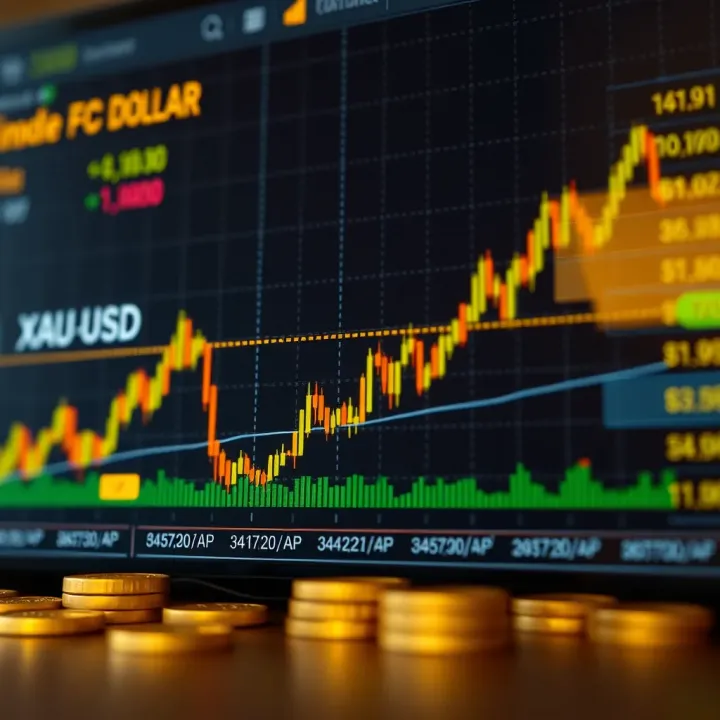
📈 Get the XAUUSD forecast for tomorrow with insights on key indicators, market trends, and geopolitical factors shaping gold prices in Pakistan's trading session.
📈 Explore gold price moves (XAU USD) driven by economy, politics & market trends. Tips on forecasting, risks, & trading for Pakistan traders 💰
Based on 7 reviews