
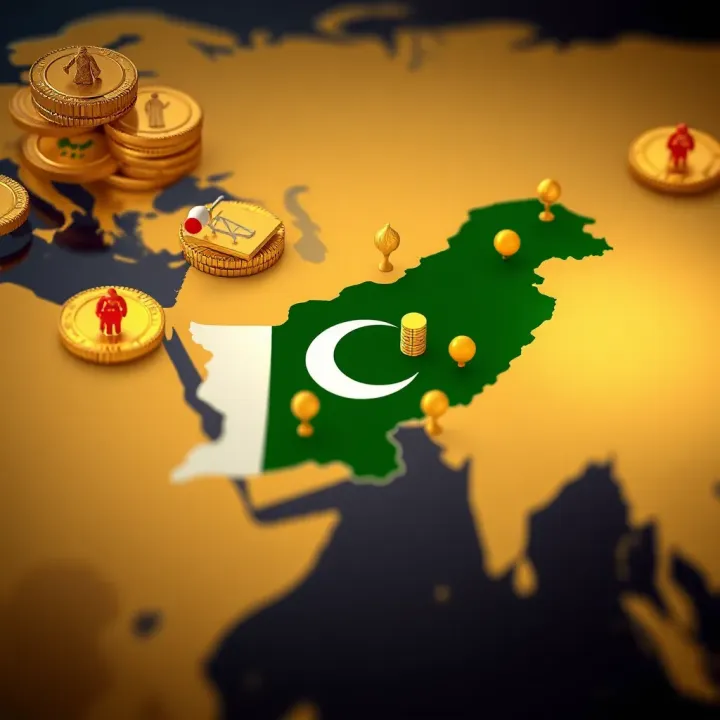
Gold Price Prediction in Pakistan: Trends and Factors
📈 Explore how global events, economic indicators, and Pakistan's market trends shape gold prices. Get clear insights to help make smart investment choices.
Edited By
Grace Hughes
Gold has remained a popular asset in Pakistan, known for preserving value during economic uncertainty and currency fluctuations. Pakistani investors, traders, and consumers often turn to gold as a hedge against inflation, given the local rupee’s volatility and geopolitical risks in the region. Understanding the patterns behind gold price movements is key for anyone looking to invest wisely or make informed buying decisions.
Historically, gold prices in Pakistan have been influenced by a mixture of global forces and domestic conditions. Globally, changes in the US dollar value, international demand, and geopolitical tensions affect pricing. Locally, factors like inflation rates, Pakistan’s trade deficit, import regulations, and government policies on gold imports play a significant role.
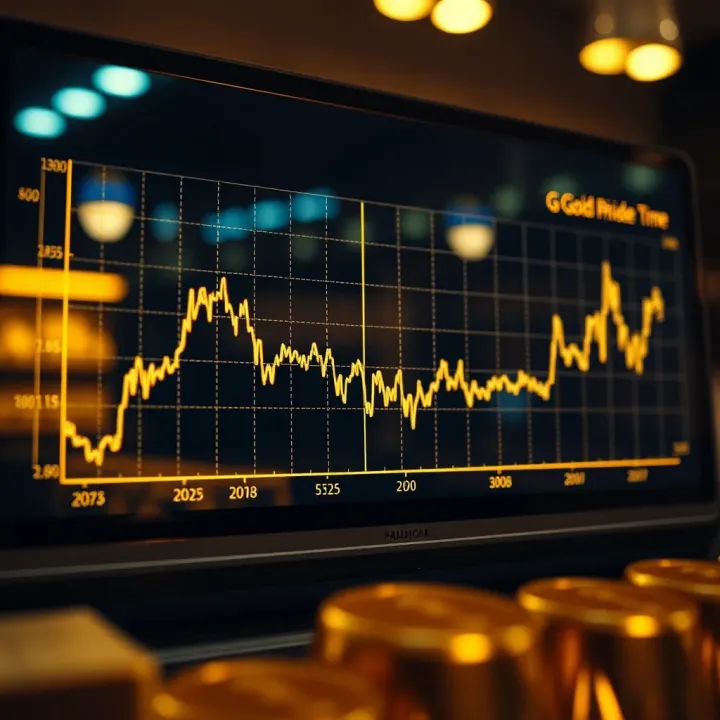
Gold in Pakistan is not just a commodity but also a cultural asset, affecting demand spikes during festivals, weddings, and special occasions.
Currency fluctuations: The Pakistani rupee’s depreciation against the US dollar makes gold costlier domestically, often pushing prices up.
Economic Conditions: High inflation and political instability usually increase investor interest in gold as a safe haven.
Government Policies: Duties and taxes imposed on gold imports can restrict supply, impacting prices.
Global Market Trends: The international price of gold and geopolitical events shape local rates significantly.
Seasonal Demand: Periods like Eid and wedding seasons see raised gold buying, causing short-term price surges.
Traders and investors tracking gold prices should keep a close eye on economic data releases like inflation reports and State Bank of Pakistan policy decisions. Monitoring international gold rates, particularly fixed by London Bullion Market Association (LBMA), provides critical context too. For consumers, understanding these trends can help time purchases better, avoiding peak price periods.
In the following sections, we will break down historic price trends, explore the major factors in detail, and discuss practical prediction methods tailored for the Pakistani market, giving you a clearer picture of where gold prices might head next.
Understanding the gold market in Pakistan is vital for investors, traders, and consumers who want to make informed decisions. This overview sheds light on how gold pricing has evolved, why gold holds a special place culturally and economically, and what factors shape its demand and supply. Getting a grip on these basics helps predict future movements and identify the right time to buy or sell.
Gold prices in Pakistan have seen significant ups and downs over the last ten years. Between 2014 and 2024, the price of gold per tola has moved from around Rs 40,000 to peaks nearing Rs 130,000. Various factors like global economic crises, fluctuations in the US dollar, and local political unrest have contributed to this volatility. For example, during the COVID-19 outbreak in 2020, gold prices jumped sharply as investors sought safe havens. Understanding these patterns helps investors anticipate similar changes in the future.
Political instability, sudden changes in import duties, and shifts in monetary policy by the State Bank of Pakistan often disrupt gold prices. In 2018, when Pakistan faced a balance of payments crisis, rupee depreciation pushed domestic gold prices higher than usual. Similarly, government moves to regulate gold imports or curb smuggling have sometimes caused abrupt supply shortages, impacting prices. These events underline the need for vigilance about both internal and external developments that influence the market.
In Pakistan, gold remains a cornerstone of matrimonial traditions and religious festivals like Eid. Gold jewellery is often gifted and worn during weddings as a symbol of status and prosperity. For many families, this demand spikes seasonally and causes noticeable fluctuations in local gold consumption and prices. A clear example is the rush toward gold purchases ahead of the Eid season, which often boosts demand sharply.
Beyond cultural value, gold is considered a reliable store of wealth in a country where inflation and currency devaluation are common concerns. Many Pakistanis hold gold physically to hedge against market uncertainties and currency risks. Unlike bank savings, gold offers a tangible asset that usually retains value even during economic downturns. Its liquidity enables people to convert it into cash quickly if needed, making it a practical choice for preserving wealth long-term.
For Pakistani investors, understanding both the historical price movements and cultural importance of gold offers a foundation to navigate this asset wisely, whether for investment, gifting, or savings.
Understanding the factors that affect gold prices in Pakistan gives traders, investors, and consumers a clearer perspective on market behaviour. These factors range from international economic conditions to local demand-supply dynamics, all shaping price trends in tangible ways. Knowing them helps in timing purchases and managing risks effectively.

International gold prices heavily influence Pakistan’s domestic market since the country imports most of its gold. For example, when the London Bullion Market or New York COMEX reports a rise in gold price, Pakistan’s market usually follows, adjusting for currency exchange and import duties. This means if global tensions increase or inflation spikes abroad, driving international gold prices up, Pakistani buyers and sellers see immediate effects.
The US dollar’s value affects gold prices because gold is priced internationally in dollars. When the dollar strengthens against the Pakistani rupee, gold becomes more expensive locally, even if international prices hold steady. Conversely, a weaker dollar often means cheaper gold in Pakistan. Traders watch the PKR-USD exchange closely; for instance, if PKR depreciates due to economic pressures, gold prices in rupees can rise sharply despite steady global gold rates.
Gold is considered a hedge against inflation. When Pakistan faces rising inflation, people often turn to gold to protect their wealth, pushing demand – and prices – up. Similarly, changes in the State Bank of Pakistan’s policy interest rates influence gold buying. Higher interest rates might encourage saving in banks rather than gold, causing demand to dip. During periods of low interest rates, gold often looks more attractive.
Political uncertainty tends to boost gold demand as an investment haven during unstable times. Events like elections, government transitions, or policy shifts on trade and taxation can create market jitters. For example, when import duties on gold are increased or relaxed by the government, it directly impacts retail prices. Traders and consumers alike track these changes to anticipate cost shifts.
Weddings, festivals, and cultural occasions drive gold jewellery demand in Pakistan. For instance, sales usually pick up before Eid or wedding seasons, temporarily pushing prices higher. Conversely, a slowdown in these occasions or tougher economic conditions can reduce demand, stabilising or lowering prices.
Pakistan imposes customs duties and sales taxes on gold imports, affecting final retail prices. Any increase in these levies can slow import volumes, tightening supply, and pushing prices upward. On the other hand, relaxed import policies or efforts to curb smuggling can ease supply constraints, helping stabilise or reduce costs.
For investors and consumers, keeping an eye on these factors gives a practical edge in understanding why gold prices change and when it might be the right moment to buy or sell.
Understanding how to predict gold prices in Pakistan helps investors and traders make informed decisions, especially given the market's volatility influenced by local and global factors. Methods generally fall into two categories: technical analysis, which looks at price movements and chart patterns, and fundamental analysis, which studies economic indicators and geopolitical events. Both approaches provide tools to anticipate gold price trends more accurately.
Chart patterns and trend analysis involve studying historical gold price charts to identify recurring shapes like head and shoulders, triangles, or double tops. These patterns often hint at possible future price movements. For example, if a "cup and handle" formation appears on Pakistan's local gold pricing chart, it might suggest a bullish trend ahead, signalling a good time to buy. Traders in Karachi or Lahore often watch these to time their purchases or sales.
Trend analysis is about recognising whether the gold price is generally moving upwards, downwards, or sideways. This helps decide if one should hold onto gold or sell. A rising trend during a period of rupee depreciation against the US dollar has been visible lately, encouraging investors to hold gold as a hedge.
Use of moving averages and indicators helps smooth out price data, revealing the underlying trend. The 50-day and 200-day moving averages are popular among Pakistani traders. When the short-term (50-day) average crosses above the long-term (200-day), it’s considered a bullish signal, often leading to price gains. These crosses have predicted price jumps for gold on PSX trading platforms.
Indicators like the Relative Strength Index (RSI) or Moving Average Convergence Divergence (MACD) help spot overbought or oversold conditions. For instance, an RSI above 70 may mean gold is overpriced and a correction could follow, signalling investors to be cautious or sell.
Assessing economic data and geopolitical events involves looking at inflation rates, interest rates, and political stability in Pakistan. For instance, rising inflation has often pushed gold prices higher locally, as people seek to protect their savings. Political instability, such as changes in government or tensions on the border, can also increase demand for gold as a safe asset.
Monitoring government policies and international markets is crucial. Import duties or taxes imposed by Pakistan can raise local gold prices even if international rates fall. Likewise, decisions by the State Bank of Pakistan, such as interest rate hikes, influence gold investment demand. On the global front, any tension in key markets like the US or Middle East affects international gold prices, which, given import dependency, directly impact prices in Pakistan.
Accurate gold price prediction blends both technical charts and fundamental realities, giving Pakistani investors a better edge in a fluctuating market.
With these methods, those interested in gold in Pakistan—from individual investors to financial analysts—can better spot the right moments to buy or sell, balancing local economic signals and global trends.
Government policies significantly affect gold prices in Pakistan. Understanding these policies helps investors and traders anticipate price changes and make informed decisions. Taxes, duties, and regulatory measures directly influence the cost of gold import and sale, shaping market dynamics.
Customs duties on gold imports form a major part of the gold price in Pakistan. Since the country imports almost all of its gold, these duties add a substantial amount to the final retail cost. For example, if customs duty rises by just a few percentage points, buyers notice it immediately in market rates. Traders often watch government announcements for duty changes closely, as even a slight hike can push prices upwards. Lower duties, on the other hand, encourage more imports, which may reduce local gold prices.
Sales tax and value-added tax (VAT) effects also play a key role. Gold jewellery and coins attract a sales tax of around 17% in Pakistan. This tax increases the price for end consumers, especially during wedding seasons when demand spikes. VAT adds to the cost chain, making gold less affordable for some buyers. Investors need to consider these taxes when calculating potential returns or resale value, as taxes cut into profit margins.
The State Bank of Pakistan (SBP) guidelines influence gold pricing through policies on gold import financing and foreign currency management. SBP limits on gold imports, aimed at preserving foreign exchange reserves, can lead to artificial price hikes if supply tightens. Clear regulations and timely updates on import quotas help traders plan better. The SBP’s stance on gold as a financial asset also impacts how banks and financial institutions deal with gold certificates and investment products.
Efforts to control gold smuggling matter because unofficial imports evade taxes and duties, creating unfair competition. Smuggled gold is cheaper but unreliable in quality and legality, distorting price signals in the domestic market. The government’s crackdown on smuggling channels through stronger border security and customs enforcement improves market transparency. A crackdown ensures that price movements better reflect genuine supply-demand conditions rather than illegal trade activities.
Government policies on import duties, taxation, and regulation directly shape gold prices in Pakistan. Following these developments helps investors time purchases and predict market trends more accurately.
In summary, import duties and taxes add to the cost base of gold in Pakistan, while the State Bank’s policies on imports and liquidity, alongside anti-smuggling enforcement, maintain market balance and price stability. Investors and traders should keep a close eye on these factors for practical gold price predictions.
Investing in gold requires more than just knowing the current price—it demands a clear strategy and understanding of market behaviours. For Pakistani investors and consumers, practical advice helps in navigating fluctuations and making informed decisions that protect wealth and capitalise on market opportunities.
When to buy gold for maximum benefit: Timing can have a notable effect on gains. In Pakistan, gold prices often dip during certain months like January and February when jewellery demand slows after the winter wedding season. Conversely, prices usually rise before Eid-ul-Fitr and the wedding season starting around August. Buying during low-demand periods may offer better prices, while purchasing before festive spikes could mean paying a premium. Monitoring global gold prices alongside local demand trends, especially during political or economic uncertainty, can also guide when to enter the market.
Advantages of buying physical gold vs gold certificates: Physical gold provides tangible security and is widely preferred during economic uncertainty. Holding jewellery, bars, or coins means direct ownership without relying on intermediaries. In Pakistan, many still favour physical gold in part because of cultural attachment and ease of liquidation at local markets. However, gold certificates or digital gold options available through banks or platforms like JazzCash offer convenience, lower storage risks, and sometimes cheaper transaction costs. These instruments suit investors focused on price movement rather than the traditional charm of holding actual gold.
Understanding market risks: Gold prices fluctuate due to global economic shifts, currency exchange rates, and local policy changes, which makes them inherently volatile. Pakistani investors should consider how fluctuations in the rupee-dollar exchange rate and geopolitical events impact gold pricing. For example, sudden regulatory changes on imports or increased customs duties can spike prices unexpectedly. Awareness of such risks helps investors avoid panic buying or selling and facilitates calmer decision-making.
Diversification and long-term outlook: Gold remains a popular choice for portfolio diversification, especially against inflation and currency depreciation common in Pakistan. Including gold alongside stocks, real estate, or fixed income investments reduces overall risk exposure. Though gold prices can rise and fall in the short term, historically they maintain or increase value over years, making it a reliable long-term store of value. Investors in Pakistan should plan with a horizon of several years, balancing gold with other assets to build resilience against market shocks.
Practical investment in gold combines good timing, choice of purchase type, and readiness for price swings. These measures support better wealth preservation and opportunity capture in the Pakistani market.
This approach helps both seasoned investors and beginners in Pakistan navigate the gold market effectively.
📈 Explore how global events, economic indicators, and Pakistan's market trends shape gold prices. Get clear insights to help make smart investment choices.
Explore cake price prediction in Pakistan, including market trends 🍰, ingredient costs, supply-demand factors & consumer preferences for bakers, retailers & buyers.
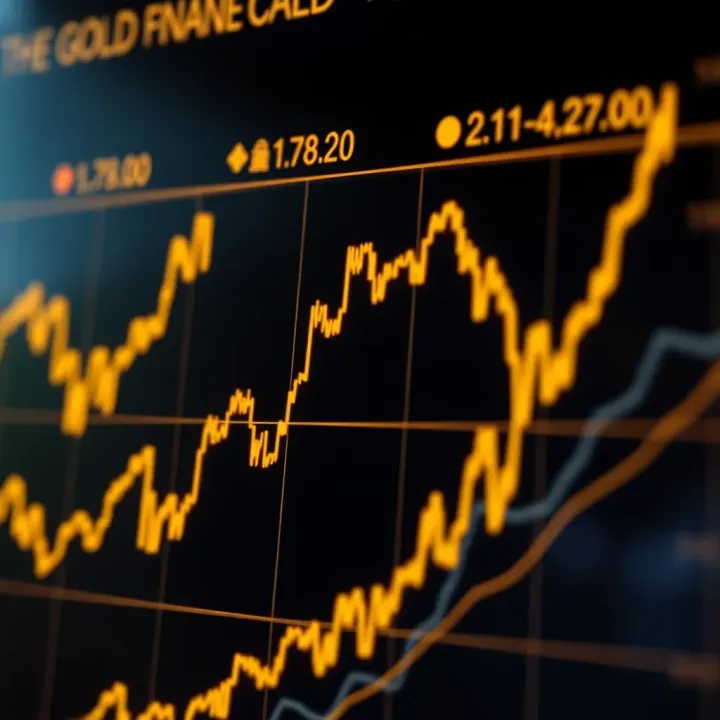
📈 Explore gold price moves (XAU USD) driven by economy, politics & market trends. Tips on forecasting, risks, & trading for Pakistan traders 💰
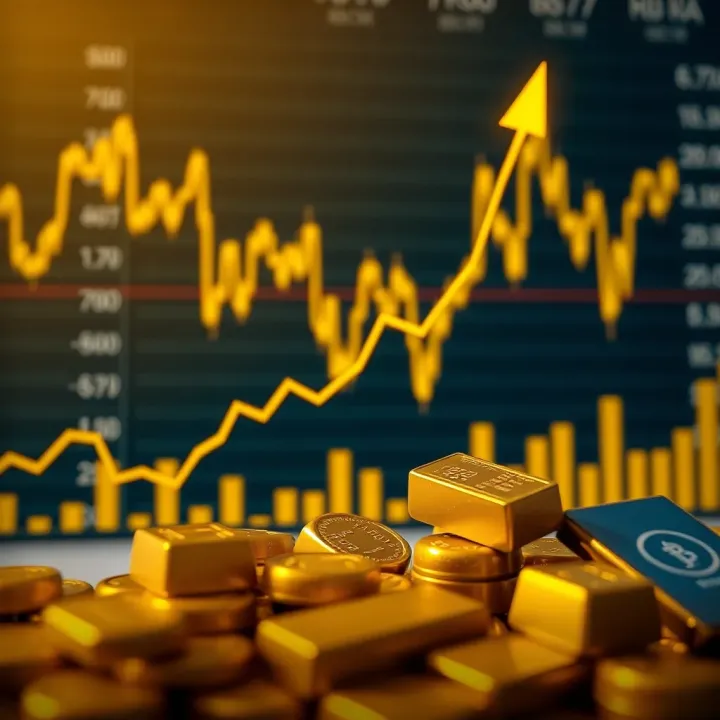
📈 Curious if gold prices will rise soon? Explore key economic signals, geopolitical impacts, and market shifts shaping Pakistan's gold rates now.
Based on 12 reviews