

Guide to Trading Platforms in Pakistan
Explore top trading platforms in Pakistan with in-depth reviews on security, features, and user experience 🌐📈 Find the right tools and tips here!
Edited By
Emily Clarke
Choosing the right trading platform can feel like navigating a maze, especially in Pakistan’s fast-evolving financial landscape. Whether you're a beginner testing the waters or a seasoned trader with a sharp eye, your choice can make or break your trading experience.
In this guide, we'll break down what really matters when picking a trading platform—from the nuts and bolts like fees and security to user-friendly features and tools that suit different trading styles. Expect clear, no-nonsense insights aimed at helping you make a smart choice without getting lost in jargon or fluff.
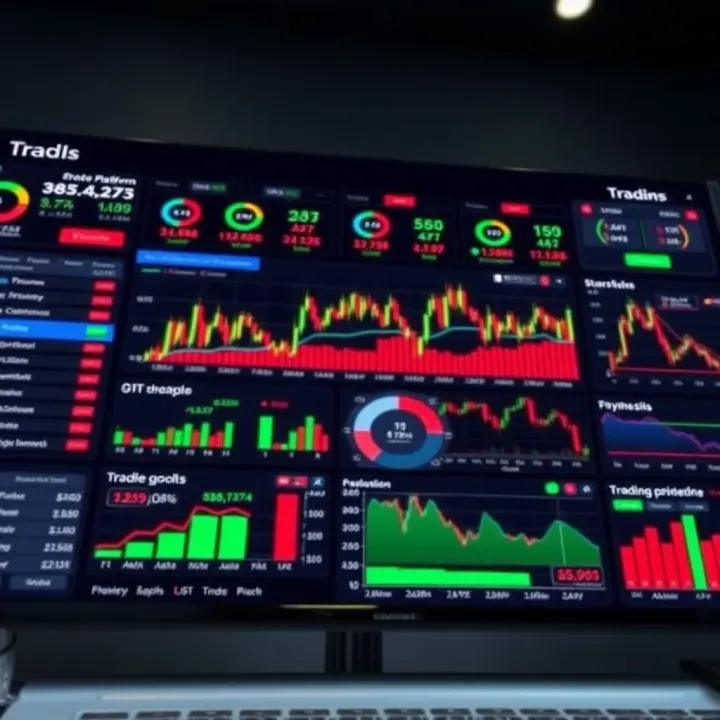
Trading in Pakistan comes with its own quirks: local regulations, payment methods, and available assets can all impact which platform suits you best. That’s why this guide focuses on options accessible to Pakistani traders, highlighting their strengths and any potential pitfalls.
A good platform is more than just a software—it’s your partner in the trading world, providing the right environment to grow your investments responsibly and securely.
By the end of this article, you'll have a clearer picture of what to look for and which platforms check all the boxes for your needs. Let’s dive in, step by step, to help you navigate through the best trading platforms you can trust here in Pakistan.
Picking the right trading platform is one of those make-or-break decisions for traders in Pakistan. With so many options floating around, it’s easy to get lost in the noise. But knowing what to look for can make a big difference in how smooth and profitable your trading experience turns out. Think of it like choosing your car; you want something reliable, safe, and easy to handle, not just a flashy model with a hefty price tag.
Security isn’t just a buzzword; it’s the backbone of any trustworthy trading platform. If your money and personal data aren't safe, nothing else really matters. Pakistani traders should first check if their platform meets strong data protection standards — like encryption for your personal info and account details. Platforms like MetaTrader 5 or Interactive Brokers often use end-to-end encryption, so your data travels securely without getting hijacked halfway.
Now on to the licensing bit, which is a bit like your platform’s passport. Look for platforms endorsed by respected authorities like the Securities and Exchange Commission of Pakistan (SECP) or international bodies like the Financial Conduct Authority (FCA) in the UK. This regulatory stamp means your broker plays by the rules and can’t just up and disappear with your funds.
Two-factor authentication (2FA) is another important layer of defense. It’s like having a double lock on your door. Even if someone manages to steal your password, they’d still need that second step — typically a code on your phone — to get in. Always prefer platforms that encourage or require 2FA and apply strong encryption to protect your trades and personal info.
When it comes to fees, these can seriously eat into profit margins if ignored. Some platforms charge flat commissions on every trade — for example, Interactive Brokers typically offers low commission rates but adds a small fee per transaction. Others make their money via spreads, which are the slight differences between buying and selling prices. For instance, a forex pair like USD/PKR might have tighter spreads on MetaTrader 4 compared to smaller platforms.
Watch out for extra costs too. These include withdrawal fees, which can catch you off guard if you need to move your money out quickly. Inactivity fees can also be a drag if you’re not trading regularly. Think of them as a kind of "account rent"—if you don’t log in or trade for a set period, you start getting charged. Platforms like eToro have clear policies on such fees, but always read the fine print before signing up.
A smooth trading experience largely depends on how user-friendly the platform is. If you feel like you need a tech degree just to place a buy order, that’s a red flag. Good trading platforms offer clean, intuitive interfaces that let you access everything from charts to order types without fumbling around.
Mobile trading is becoming a must-have in Pakistan’s fast-moving market. Platforms like Thinkorswim have apps that are nearly as powerful as their desktop versions, letting you check trades or set alerts on the go — a huge plus if you’re not always chained to your desk.
Also important is multi-device compatibility. Maybe you start your analysis on a laptop but want to execute a quick trade from your phone or tablet. Platforms supporting seamless transitions across devices without hiccups are worth their weight in gold.
Remember, the best platform is the one that fits your style, budget, and security needs, not necessarily the one with the most bells and whistles.
Selecting a trading platform isn’t a casual choice. Staying alert to these key points — security layers, clear fee structures, and smooth usability — will save you headaches down the line and help you trade confidently from Pakistan’s market.
Understanding the trading platforms available to Pakistani traders is essential to making smart investment choices. The right platform affects everything: trade execution speed, security, fees, and the variety of assets you can dive into. This section examines the platforms frequently used by traders in Pakistan, their strengths, and how they fit different trading styles. It’s about helping you narrow down options that work well in Pakistan’s unique financial environment.
MetaTrader 4 (MT4) and MetaTrader 5 (MT5) are household names in the trading community, especially among forex traders. MT4 is prized for its simplicity, making it appealing to newbies who want a straightforward interface without clutter. You can customize charts, use a variety of technical indicators, and set up automated trading strategies with Expert Advisors (EAs). MT5, being the newer sibling, offers enhanced features like more time frames, an economic calendar, and support for more asset types including stocks and futures.
Traders in Pakistan appreciate these platforms because they allow tweaking the trading environment to fit personal preferences, whether you want a clean look or complex algorithmic setups. For example, if you want to backtest a strategy against historical price data, these platforms provide robust tools.
MT4 and MT5 cover a wide range of markets, heavily focusing on forex but also including commodities, indices, and cryptocurrencies (depending on the broker). This broad market coverage gives Pakistani traders access to major currency pairs like USD/PKR alongside global favorites like EUR/USD. This flexibility means you’re not limited to just one market segment and can diversify your trades according to market conditions and personal interests.
Interactive Brokers (IB) stands out for its extensive range of tradable products. Beyond forex and stocks, you can trade options, futures, bonds, and even access global markets including the US, Europe, and Asia. For a trader in Pakistan, especially those looking to go beyond local markets, IB offers a one-stop-shop.
Using IB, you can invest in high-growth tech stocks listed on NASDAQ or tap into commodities that aren’t commonly offered by smaller local brokers. This breadth enables traders to diversify portfolios efficiently without juggling multiple accounts.
Interactive Brokers shines not just in product scope but also in the tools it offers. The Trader Workstation (TWS) platform is packed with research features, including real-time news feeds, customizable alerts, advanced charting, and risk management tools. For example, if you track economic indicators affecting PKR or want to analyze sector trends in the US stock market, these features provide actionable insights in one place.
This makes IB a favorite for traders who take a more analytical and data-driven approach, combining trading with solid research.
eToro is particularly popular among beginners or those who want a more interactive trading experience. Its social trading feature allows you to follow experienced traders, see their moves in real time, and engage with a community. This peer-to-peer approach helps newbies in Pakistan get their feet wet by watching how pros trade and learning from their tactics.
This feature also fosters a sense of community, making trading less isolated and more educational. You can join discussions, share insights, and even post questions on strategies.
Copy trading lets you automatically mimic the trades of seasoned investors. For Pakistani traders who might not have the time or confidence to develop their own strategies immediately, this is a significant advantage. You choose a trader to copy, set your investment amount, and the platform executes the trades on your behalf.
This reduces the learning curve and helps grow your portfolio steadily, as long as you pick reliable traders to follow. It’s a practical way to begin trading without getting overwhelmed by market complexities.
Thinkorswim by TD Ameritrade is prized for its powerful charting capabilities. It caters to traders who rely heavily on technical analysis. The platform offers a ton of chart types, indicators, and drawing tools to spot trends, patterns, and potential entry/exit points.
For traders in Pakistan who are technically minded, this can mean a sharper edge in timing trades and managing risk. For instance, scalpers or day traders appreciate the quick access to detailed charts that Thinkorswim provides.

While Thinkorswim primarily serves the US market, it has broker partnerships that allow Pakistani traders to access its tools through affiliated brokers. These brokers typically offer localized customer support, payment options compatible with Pakistani banks, and guidance on compliance with local regulations.
This support is crucial to navigating account setup, fund transfers, and regulatory hurdles, making Thinkorswim’s advanced tools accessible despite geographical distance.
In summary, each platform offers something different: from MT4/5’s ease and breadth, Interactive Brokers’ variety and research, eToro’s social edge, to Thinkorswim’s technical depth. Knowing these differences helps traders in Pakistan pick what suits them best, both in terms of features and local support.
Understanding the variety of assets available on trading platforms is fundamental for any trader, especially in Pakistan's growing market environment. Different asset classes offer unique opportunities and risks, so knowing what's on the table helps traders diversify their portfolios and adapt their strategies to market conditions. Whether you're into quick forex trades or long-term stock investments, recognizing the types of assets you can trade ensures you pick platforms that suit your style.
Major currency pairs like USD/PKR, EUR/USD, and GBP/USD are the bread and butter for many forex traders in Pakistan. These pairs generally offer higher liquidity and tighter spreads, making trading smoother and often less costly. For instance, USD/PKR is especially relevant due to its direct impact on local economics and import-export business, making it a go-to for many Pakistani traders. Trading such pairs means you’re dealing with currencies that have deep markets and extensive historical data, allowing for more reliable technical analysis and informed decision-making.
If you’re looking to add a bit more spice to your portfolio, trading emerging market currencies like the Turkish Lira (TRY), Indian Rupee (INR), or Malaysian Ringgit (MYR) can be interesting. These currencies often show more volatility compared to majors, presenting both higher risk and the chance for bigger rewards. For Pakistani traders, platforms that support these pairs enable exposure to regional economic movements and geopolitical events often influencing South Asian and nearby markets. Just remember, these currencies may have wider spreads and are more susceptible to sudden swings, so keep a close eye on market news.
Top trading platforms today don’t limit you to local markets alone; they offer access to major international exchanges like NYSE, NASDAQ, and LSE. This means Pakistani traders can invest in big names like Apple, Tesla, or BP without jumping through hoops. Access to international stocks diversifies your portfolio, shields you somewhat from local market volatility, and opens doors to industries otherwise unavailable domestically. Keep in mind, trading international stocks may involve additional steps for currency conversion and could have different regulations.
On the flip side, direct integration with Pakistani stock exchanges, such as the Pakistan Stock Exchange (PSX), is a must for those focusing on domestic equities. Trading local stocks offers a more familiar ground and often ties directly into the economic landscape traders live in daily. Popular names like Habib Bank Limited (HBL), OGDC, and Engro Fertilizers are staples in many portfolios. Platforms supporting PSX usually provide market data and compliance aligned with local regulations, which simplifies the process.
Commodities like gold, silver, crude oil, and agricultural products have always been a favorite trading option because they provide a hedge against inflation and economic uncertainty. For Pakistani traders, gold is particularly prominent due to cultural preferences and historical value retention. Platforms offering commodity trading let you tap into these markets without physically owning the goods, through contracts or CFDs. This means you can speculate on price moves with relatively low capital.
Trading index contracts like the S&P 500, Dow Jones, or the KSE-100 index gives you exposure to a whole basket of stocks rather than a single company. This presents less risk compared to individual stocks and reflects overall market trends. Pakistani platforms often provide derivatives or CFDs on regional indices, allowing traders to speculate on market movements efficiently. It's a valuable tool for those who want a pulse on broader economic conditions without juggling many stock positions individually.
Picking the right asset classes isn't just about variety; it's about matching what's available to your trading goals. Whether forex, stocks, commodities, or indices, the right mix can make a big difference in trading success.
When picking out a trading platform, the tools and features it offers can really make or break your experience. These aren't just bells and whistles; they serve to give traders genuine edge in decision-making, speed, and accuracy. Especially in Pakistan, where market conditions can shift swiftly, having the right analytical and practical tools handy is a must for staying ahead.
One of the first things any trader should look for is solid charting capabilities. Modern platforms like MetaTrader 4 or Thinkorswim offer customizable charts that let traders track price movements over different time frames—from minutes up to months. This visual data is crucial because it helps spot patterns that hint at future price moves. For example, seeing a "head and shoulders" pattern may alert traders to a potential trend reversal.
Platforms usually allow drawing trendlines, support and resistance zones, plus layering multiple charts to compare various assets side by side. These features make charting not just informative but practical, especially when you need to analyze the Pakistani Rupee’s (PKR) fluctuations against the USD or other currencies.
Indicators like Moving Averages, Bollinger Bands, and RSI (Relative Strength Index) are staples that give extra clues to the market’s mood. For instance, RSI helps measure if a currency or stock is "overbought" or "oversold," which can be a green light to buy or sell.
Oscillators such as MACD (Moving Average Convergence Divergence) help identify momentum changes. Knowing these can help prevent jumping into trades too early or too late, which is a common pitfall.
These tools aren’t just fancy gadgets; they translate market data into actionable insights, crucial for Pakistani traders trying to optimize entry and exit points efficiently.
Automation has steadily gained traction, letting traders set predefined rules for buying or selling without being glued to the screen 24/7. Platforms like Interactive Brokers or MetaTrader allow users to implement algorithmic trading strategies using bots.
For example, a trader might program a bot to buy gold futures once a certain price target is reached and sell if it drops below a set stop-loss. This kind of automation reduces emotional trading decisions and ensures quick execution, a big plus when the Karachi Stock Exchange opens and the window for opportunity is tight.
While bots can be beneficial, they’re not foolproof. One risk involves technical glitches or misprogrammed instructions leading to unwanted trades. They also can’t always react well to unexpected news events that need a human touch. On the upside, they save time, apply consistent strategy, and can operate across different time zones, something beneficial for Pakistani traders managing international markets.
A good platform doesn’t just throw you in the deep end. Platforms like eToro and Interactive Brokers include comprehensive learning centers with tutorials, webinars, and articles tailored to beginners and advanced traders alike. These materials help Pakistani traders understand complex instruments and trading tactics without guessing.
Learning resources should be a priority when selecting a platform because they build confidence and competence, especially when trading unfamiliar assets like international equities or emerging market currencies.
No matter how smooth a platform promises to be, questions and issues will come up. Responsive support is crucial. Leading platforms offer multiple support channels including live chat, email, and telephone with often region-specific assistance.
For Pakistani users, prompt and knowledgeable customer service means quicker resolution of issues like withdrawal delays or account verification — areas where traders often find roadblocks. Check if the platform provides Urdu-speaking support or local timing responsiveness, which can be a big help.
A platform with strong tools and customer support helps traders not just survive but thrive in volatile markets.
By focusing on these tools and features, Pakistani traders can equip themselves much better for real-world trading challenges, making platforms not just a place to execute orders but a real partner in their financial journey.
Choosing the right payment methods and withdrawal options is a big deal for traders in Pakistan. It affects how quickly and easily you can move your money in and out of your trading account. This doesn't just mean convenience; it impacts your trading efficiency and sometimes even your profit margins due to fees or delays.
Local bank transfers are often the go-to for Pakistani traders. They offer direct routes to fund your account through major Pakistani banks like Habib Bank Ltd, MCB, or UBL. One of the big advantages here is the relative trust and familiarity. You’re less likely to stumble into unexpected holds or complicated rules. However, the transfer might take a day or two, so if you’re looking to jump on a market move quickly, local bank transfers might test your patience.
Besides bank transfers, digital wallets and international cards provide traders a faster, often more flexible alternative. Globally recognized payment options like Skrill, Neteller, and Payoneer have gained traction here. They’re especially useful because they support quick deposits and are often linked to Visa or Mastercard, making them easier to top up or withdraw from. For example, a trader wanting to fund their account instantly to catch a sudden currency swing might find these options invaluable. Keep in mind, however, that digital wallets may come with conversion fees if your wallet currency differs from your trading account’s base currency.
When it comes to getting your money back, typical timeframes can vary widely depending on your broker and payment method. Some brokers process withdrawals within 24 hours for digital wallets, making them a favorite among active traders. On the other hand, withdrawls via local banks might take anywhere from 2 to 5 business days thanks to traditional banking processes and weekend delays. It’s crucial to check your broker’s withdrawal policy beforehand to avoid frustration.
Transaction fees can eat into your returns if you're not careful. Some platforms charge a fixed fee on each withdrawal, while others take a percentage of the withdrawn sum. For instance, withdrawing $100 through a popular international card might cost $3 as a flat fee, whereas a Skrill transaction could charge a small percentage instead. Pakistani traders should mind these fees since they can stack up, especially with frequent trading activity. Always weigh withdrawal convenience against cost to pick the option that best suits your trading rhythm.
Smooth payment and withdrawal processes aren’t just a nice-to-have — they’re essential for maintaining cash flow and avoiding unexpected delays that can hurt your trading strategy.
In short, for Pakistani traders, knowing which payment methods are accepted and understanding withdrawal timelines and charges can mean the difference between a stress-free trading experience and one filled with annoying hiccups. Aim to choose brokers and platforms that offer a mix of reliable local bank options and fast digital wallets, so you can switch fluidly depending on your needs.
When Pakistani traders step into the online trading world, they often bump into a few common hurdles that can complicate their experience. Understanding these challenges upfront helps traders anticipate issues and plan the best approach for their investments. From restrictions tied to geographical location to currency exchange quirks, these barriers can impact everything from account setup to final profits.
KYC (Know Your Customer) checks are crucial for any trading platform. For Pakistani traders, this means submitting identity documents like a CNIC, passport, or utility bills to verify their identity. This process protects both the trader and the platform against fraud and money laundering risks. However, sometimes the verification can stall due to unclear documentation or delays in receiving approvals, especially if the platform is based overseas.
Practical tip: Have digital and physical copies of your documents ready and ensure they are valid and clear to speed up verification. Some traders use local or regional brokers affiliated with international platforms to smoothen this process.
Not all trading platforms are fully accessible in Pakistan. Certain services might be unavailable due to local regulatory controls or platform policies. For example, some brokers do not allow account opening for Pakistani residents, or they restrict particular trading instruments like cryptocurrencies due to legal uncertainties.
This can lead to frustration if a trader picks a platform only to find key features unusable. Being aware of this beforehand helps avoid wasted time and unexpected limitations.
Since most platforms operate in USD, EUR, or other global currencies, Pakistani traders often face currency conversion challenges. Every deposit, withdrawal, or trade execution involving currency exchange can add hidden costs. Even small spreads on conversion rates add up over frequent trades and reduce net profits.
To mitigate this, traders should check what rates their payment providers or banks offer and compare them with market rates to find the best option.
Trading international instruments means juggling multiple currencies – your base account currency, the market currency, and sometimes a third-party payment currency. Mismanaging these can result in unexpected losses or complexities during withdrawals.
Practical advice: Use platforms that support multi-currency accounts or let you hold funds in Pakistani rupees alongside foreign currencies. This flexibility helps avoid unnecessary currency conversions and simplifies tax calculations.
"Navigating these issues requires attention to detail and a bit of groundwork, but once sorted, they don’t have to cramp your trading style."
Understanding geographical restrictions, account verification hurdles, and currency nuances allows Pakistani traders to pick platforms that truly fit their needs, keeping surprises to a minimum and focus on strategies to grow their portfolio efficiently.
Starting trading on a new platform can feel like stepping into a whole new world — unfamiliar tools, rules, and processes. For traders in Pakistan, where online trading is growing but still has its hiccups like regional restrictions and currency concerns, playing it safe from the get-go is wise. Knowing how to protect your funds, verify your identity properly, and test waters before diving deep helps avoid headaches later.
Trading platforms often require thorough account opening steps to keep things above board and comply with regulations. Skipping or rushing through the setup can end in blocked accounts or slow withdrawals, which is frustrating especially when you’re ready to trade. So, taking the time to understand the account verification and demo trading options is more than just a formality — it’s a practical way to build confidence and safeguard yourself.
Necessary documents
Every legit trading platform will ask for documentation during account setup. This is where many traders stumble if they’re not prepared. Typically, platforms require two main types of documents: proof of identity and proof of address. For Pakistani traders, a valid CNIC (Computerized National Identity Card) serves well as identity proof, while recent utility bills or bank statements can verify your address. Some platforms may also ask for a photo or selfie holding your ID to further confirm your identity.
Making sure these documents are clear, not expired, and match each other is key. For example, if the address on your bank statement doesn’t match what you enter, the system flags it. It’s a small detail but saves a lot of back-and-forth later. Remember, these requirements aren’t just bureaucracy—they protect you from fraud and keep the platform compliant with financial laws.
Verification process tips
Verification can feel like waiting for paint to dry, but there are ways to speed it up. Double-check your document scans for quality; blurry photos or shadows can delay approval. Follow the platform instructions carefully on file format and size.
Some platforms offer live chat or help desks—don’t hesitate to ask if you’re unsure about something. Also, complete the KYC (Know Your Customer) step fully instead of leaving it halfway. If your account verification is pending, avoid depositing large sums until you hear back, so you don’t lock in funds you can’t access readily.
Keep your communication professional and provide any extra requested details promptly. Platforms value responsiveness and this often leads to quicker verification.
Benefits of demo trading
Diving into live trading without practice is like jumping into deep water without knowing how to swim. Demo accounts are a blessing here, letting you experience real market conditions without risking actual money. Pakistani traders should use demo trading to get familiar with platform layouts, order execution speed, and various order types like stop-loss or trailing stops.
Unlike theoretical learning, demo trading puts you face-to-face with market volatility and unexpected moves. This helps sharpen instincts and build discipline. For example, you might discover that certain news releases cause price swings on your chosen platform — info often missed by novices.
Transitioning to live accounts
Moving from demo mode to real money trading requires more than just clicking "start live trading." Your mindset should shift from risk-free practice to managing emotional and financial risk. Pakistani traders should begin with small amounts to reduce pressure.
Set realistic goals such as limiting daily losses or achievable profit targets. Also, get comfortable with the deposit and withdrawal processes offered by your platform before pumping in large capital.
Treat live trading as a marathon, not a sprint. Patience and steady pacing often outperform reckless haste.
In short, starting safely on a new trading platform revolves around proper account setup, understanding identity verification hustle, and taking advantage of demo trading. These steps build a strong foundation so you can trade confidently and avoid costly mistakes.
Explore top trading platforms in Pakistan with in-depth reviews on security, features, and user experience 🌐📈 Find the right tools and tips here!
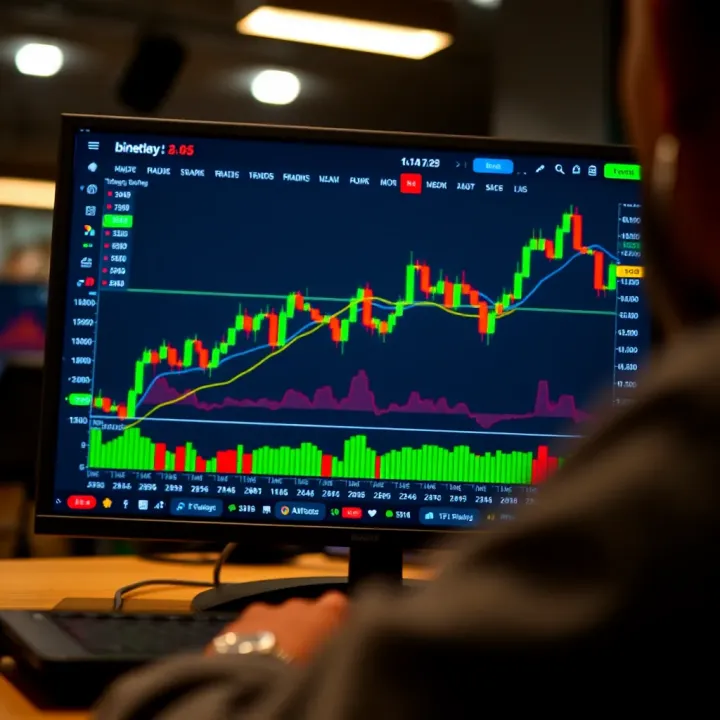
Explore trusted binary trading platforms in Pakistan 🇵🇰. Learn key features, smart strategies, and how to manage risks for confident trading 📈💡.
Explore top trading platforms for Pakistani investors 🇵🇰 with insights on fees, features, usability, and security to match your trading style and skill level 📈
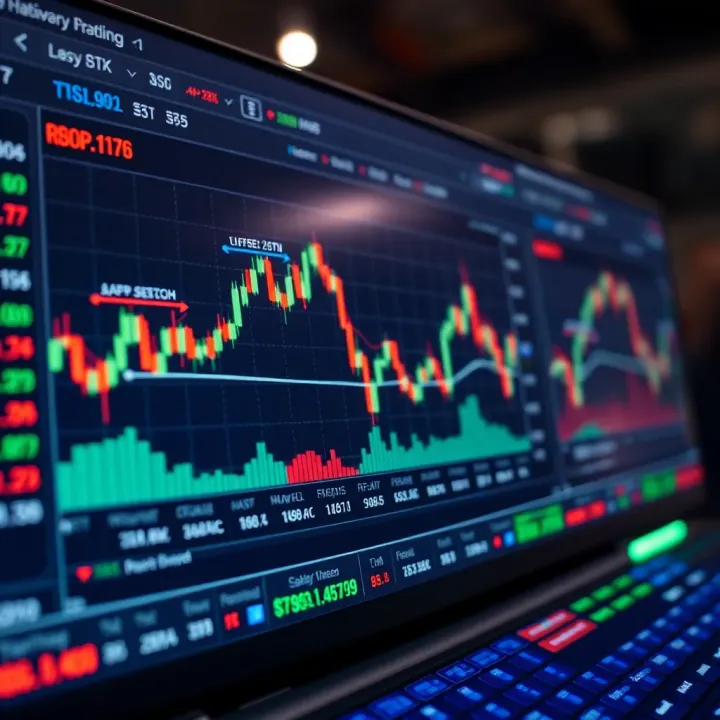
💻 Explore web trading platforms in Pakistan! Learn key features, benefits, security tips, and how to pick the best one for your investing needs.
Based on 14 reviews