
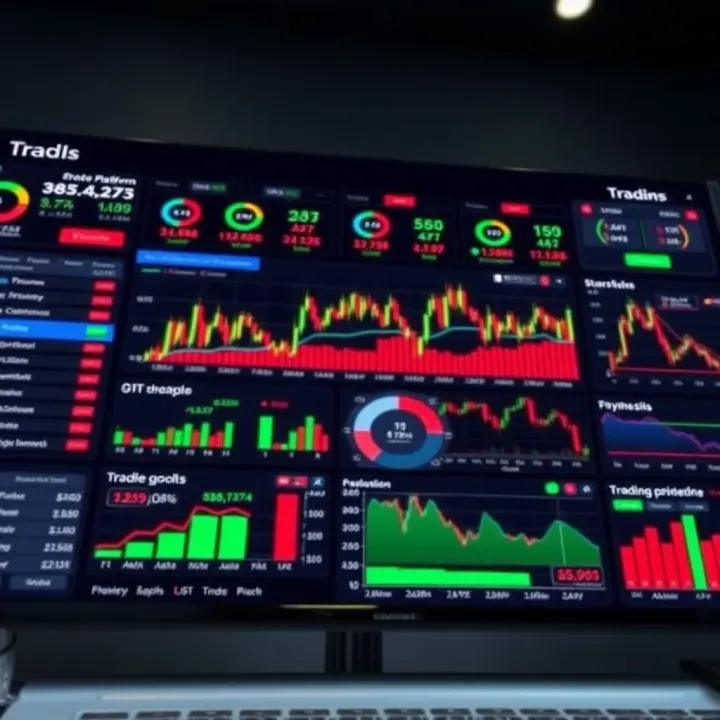
Top Trading Platforms for Traders in Pakistan
Explore top trading platforms in Pakistan 🇵🇰 with detailed insights on features, fees, security, and tools to match your style and budget 📈💡🔒
Edited By
Ethan Hughes
In today's fast-moving financial markets, web trading platforms have become the go-to tool for traders and investors both big and small. Especially in Pakistan, where access to global markets is growing, understanding how these platforms work can give you a serious edge.
Trading online isn’t just about buying and selling stocks; it’s about having the right tools, reliable information, and a smooth experience that helps you make smart moves. Web trading platforms let you do all this from your browser, without the need to download bulky software or be tied to one device.
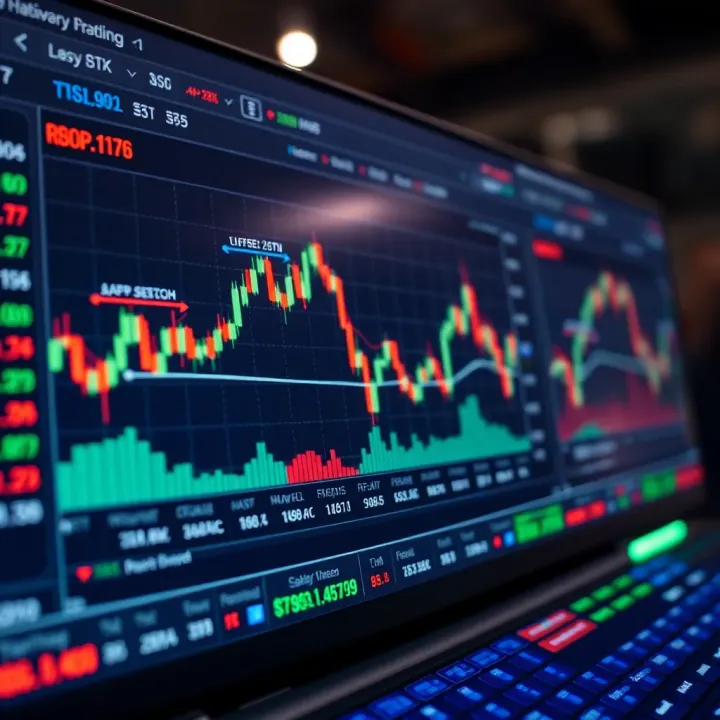
This article will break down the main features that these platforms offer and explain why they matter to you. We’ll discuss the perks of using web-based trading tools as opposed to other methods, point out common pitfalls and security issues to watch out for, and share tips on how to pick a platform that suits your exact trading style and goals. Plus, we’ll highlight some popular types of platforms and the new trends shaping how people trade in Pakistan.
Whether you’re just starting out or have been trading for a while, this guide aims to clear the fog around web trading platforms. You'll walk away with a clearer picture, helping you save time, money, and maybe even a bit of stress as you navigate the markets online.
Remember, trading platforms are your gateway to the market; picking the right one can make a huge difference in your trading success.
Understanding what a web trading platform is lays the groundwork for anyone interested in trading or investing online. These platforms serve as the gateway to financial markets right from your browser, making it easier for users to buy and sell assets without installing bulky software. In Pakistan, where internet penetration is steadily growing, web trading platforms offer an accessible and practical solution for both beginners and seasoned traders.
The significance of web trading platforms lies in their ability to provide real-time market access, ease of use, and flexibility. Imagine logging in to a website and within seconds, being able to check the latest prices of stocks listed on the Pakistan Stock Exchange or international markets, place orders, and review your portfolio—all without downloading anything. Such convenience removes several traditional barriers in trading, like needing a high-spec computer or a dedicated app.
Web platforms bridge the gap between traditional brokers and modern digital trading, making the market approachable anytime and anywhere.
At its core, a web trading platform is a digital tool accessed through a standard web browser such as Google Chrome, Mozilla Firefox, or Microsoft Edge. This means there’s no need to worry about compatibility or software downloads. All the market information, charts, and trading functions are hosted online and updated in real time.
For example, a trader using a laptop at home or a public computer can simply log in with their credentials and start trading immediately. This kind of access is invaluable, especially for those who move between different devices or locations, like investors who might want to check the market during a commute or while traveling.
These platforms are more than just price tickers. They provide comprehensive interfaces where traders can place different types of orders—market, limit, or stop orders—and monitor their active trades instantly. Furthermore, portfolio management features let users track investments, dividends, and overall performance at a glance.
Take the example of a local Pakistani investor who uses a web interface to manage both shares on PSX and international mutual funds offered by brokers. The dashboard provides not only trade execution but also balance summaries, transaction history, and even tax documentation in some cases. Such tools make the entire trading experience streamlined and manageable.
Unlike traditional desktop trading applications, web trading platforms require no installation at all. This removes the hassle of maintaining software updates or dealing with potential bugs caused by outdated versions. It’s like checking your email or social media—just open the browser, sign in, and you’re good to go.
This aspect is particularly useful in Pakistan, where users might face restrictions on installing certain apps due to workplace or school policies. With no setup needed, it’s straightforward to access trading services anywhere with a stable internet connection.
Web trading platforms shine by working smoothly across a variety of devices—laptops, desktops, tablets, and even smartphones. While mobile apps can deliver great experiences, the web platform covers all bases without forcing you to download separate versions.
For instance, a trader might start analyzing charts on a desktop at home, then switch to a smartphone during lunch hour to place orders without losing context or functionality. This cross-device flexibility empowers users to stay connected to markets throughout their day.
In summary, web trading platforms offer a flexible, user-friendly, and efficient route to financial markets that suits the growing needs of traders and investors across Pakistan and beyond.
When picking a web trading platform, knowing what features to look for can save you headaches down the road. It’s not just about clicking a button and hoping for the best; a solid platform equips you with the right tools to trade smart and fast. Whether you're a rookie or a seasoned trader, these features make a real difference in how you manage trades and handle market ups and downs.
One of the absolute must-haves in a web trading platform is live price updates. Imagine trying to catch the price of a rapidly moving stock, say, one listed on the Pakistan Stock Exchange, but what you see is five minutes old? That's like fishing without bait. Real-time updates mean you get prices as they change, which is crucial when markets are wild. This lets you react instantly — whether it’s grabbing a bargain on Lucky Cement shares or cutting losses on a falling currency.
Charts aren’t just pretty pictures; they tell you a story about price action, trends, and potential turning points. Good web platforms provide interactive charting tools where you can zoom in and out, draw trend lines, and add technical indicators like moving averages or RSI. For example, if you want to get a grasp on oil prices affected by global news, these tools help you spot patterns, making your decisions more informed and less guesswork.
A platform should offer a bouquet of order types. Market orders get your trades done immediately at current prices — perfect for when you need in or out ASAP. Limit orders come in handy when you want to buy or sell at a specific price point, not higher or lower, giving you more control. Stop orders add safety nets, allowing automatic selling or buying once a price threshold is hit, helping manage risk especially in volatile markets like foreign exchange.
Think of this as the handshake between you and the market. Execution speed matters because even a few seconds’ delay can mean the difference between profit and loss in fast-moving markets. Reliable platforms minimize downtime and glitches, so when you hit "buy" or "sell," it happens without hitch. As an example, traders using platforms like Interactive Brokers often praise their quick execution times, which is critical when trading on tight spreads.
A flexible platform makes moving your money easy and transparent. Look for platforms that support popular payment methods in Pakistan, such as bank transfers, EasyPaisa, or JazzCash for deposits and withdrawals. Quick transaction processing times and low fees can save you stress and cash — nobody enjoys waiting days for their money to clear.
Keeping tabs on your past trades and overall portfolio health is no joke. Effective platforms provide clear transaction history, searchable by date or asset, along with detailed reports on profits, losses, and fees that you can download for taxes or personal records. This helps you track performance and spot any irregularities quickly.
Markets respond to news like a spice changes the flavor of a dish. Good platforms integrate live news feeds and economic calendars so you’re always in the loop about events like central bank announcements or corporate earnings. For instance, if the State Bank announces an interest rate change, you’ll see it in real time and can adjust your strategy accordingly.
Staying ahead with up-to-date economic information can give you a leg up in decision-making.
Trading can be a steep learning curve. Platforms that include tutorials, webinars, or articles on basics and advanced concepts help beginners build confidence and keep seasoned traders sharp. Whether it’s a video on reading candlestick charts or an article about risk management, these resources turn your platform into more than just a trading terminal — it's your learning partner.
By focusing on these features, you’ll better match a trading platform to your needs, whether you’re dabbling part-time or all in. Each piece works together to create a smoother trading experience, helping you act with speed, precision, and insight in Pakistan’s dynamic market environment.
Web trading platforms bring several practical advantages to traders and investors, which make them increasingly popular—especially in a fast-paced market like Pakistan's. Instead of juggling complex software or worrying about device compatibility, users enjoy quick access and flexibility. These benefits ensure no trader misses out due to technical hassles, making market participation smoother and more efficient.

No installation needed: One of the standout features of web trading platforms is that they work right from your web browser, no downloads or backward software installations required. This means if you're on a borrowed laptop in an internet cafe or using a shared computer at work, you can jump into the market without delays. Imagine you want to react quickly to a sudden price drop in PSX stocks—having a platform ready at your fingertips without setup saves precious minutes.
Works on multiple devices: Whether you’re switching between your smartphone on a train or a desktop at home, web platforms adapt to different screen sizes and operating systems. This cross-device flexibility is a lifesaver for active traders who need to track multiple markets or portfolios throughout the day. For instance, if you start your day trading on a desktop but need to continue on your iPad while waiting for a meeting, the platform stays consistent, avoiding those awkward app syncing issues.
Runs in modern browsers: Since web trading platforms operate within popular browsers like Google Chrome, Mozilla Firefox, or Microsoft Edge, you can expect seamless operation without worrying whether your computer runs Windows or macOS. This browser-based approach prevents compatibility headaches, so traders don't waste time tweaking settings or troubleshooting software conflicts.
Automatic updates: Forget about manually downloading or updating software patches. Web platforms get updated behind the scenes. This guarantees you’re always using the latest features and security improvements without lifting a finger. For example, if a broker launches a new order type or integrates a fresh analytics tool, it’s instantly available to all users, no download necessary.
Suitable for older computers: Since most of the heavy lifting happens in the cloud and within servers, the web platform itself requires minimal processing power on your end. This is great news if your hardware is a few years old or doesn’t have a hefty graphics card. Even PCs that might struggle with large desktop apps can handle web trading smoothly.
Less storage consumption: Unlike desktop software installations that can hog gigabytes of space with updates and cached data, web platforms barely scratch your device’s storage. This is a practical benefit for users with limited hard drive space or devices like Chromebooks, where storage is at a premium. You get access to robust trading tools without worrying about freeing up disk space.
The bottom line: Web trading platforms make the trading experience hassle-free by removing technical barriers, allowing traders in Pakistan and beyond to focus on markets—not their devices or software issues.
By understanding these advantages, you can better appreciate why web platforms continue to attract traders looking for ease, reliability, and immediate access to global financial markets.
When it comes to web trading platforms, security isn’t just a nice-to-have; it’s a deal breaker. Every trader, whether a rookie or a seasoned pro, must know how their chosen platform protects their money and data. After all, you don’t want to be caught off guard with your account hacked or sensitive details leaking out. This section tackles the main security worries and shows how platforms keep traders protected with practical tools and safeguards.
One cornerstone of secure web trading is SSL, or Secure Sockets Layer. It’s that little padlock icon next to the URL bar—simple, yet a big deal. SSL encrypts the data exchanged between your browser and the platform server, turning it into gibberish for anyone trying to snoop. This means your login info, trade orders, and bank details are shielded from cyber eavesdroppers.
Imagine placing trades over coffee at a café using public Wi-Fi—without SSL, you’re basically shouting your passwords out loud. Most reputable platforms like IG Markets or Saxo Bank use SSL certificates and adhere to industry standards to ensure your data stays locked tight.
Passwords alone can get compromised no matter how strong. That’s where two-factor authentication (2FA) steps in. It adds an extra wall by requiring a second proof of identity. Usually, after typing your password, the platform sends a unique code to your mobile or email. Without this code, no one gets in—even if they guessed your password.
For instance, brokers like Interactive Brokers and ThinkMarkets offer 2FA to help prevent unauthorized access. If you want to stay safe, making 2FA mandatory on your account is one of the simplest yet most powerful steps to take.
A weak password is like leaving your front door open—inviting trouble. Platforms often enforce strict password policies to make hacking harder. This means mandating minimum length, mixing uppercase and lowercase letters, numbers, and symbols. Some platforms even prevent users from recycling old passwords or using common words.
As a trader, always choose passwords that you can remember but others wouldn’t guess. Avoid simple dates or "password123". Use a password manager if needed to juggle your credentials safely.
Trading platforms also guard against unattended sessions and suspicious activity through session timeouts and alerts. If your account stays idle for a predefined period, the platform logs you out automatically. This prevents someone else nearby from placing orders if you step away from your device.
Additionally, many platforms send alerts or emails when your account logs in from a new device or location. This helps catch unauthorized access quickly. Take these alerts seriously—they’re your early warning system.
Remember, no platform is 100% foolproof, but those that combine encryption, strong authentication, and careful account management give you a solid shield. Always stay vigilant and update your security settings regularly.
In summary, web trading platforms protect traders by using encrypted connections like SSL, adding layers like two-factor authentication, enforcing good password habits, and monitoring account activity with timeouts and alerts. These measures work together to keep your investments and personal details safe, reducing the risks in the fast-moving world of online trading.
Understanding the varieties of web trading platforms out there is a smart move before placing your first trade. Different platforms serve different needs, and picking the right one can seriously affect your trading experience. Generally, web trading platforms fall into two main categories: proprietary platforms offered by individual brokers and third-party platforms that many brokers use. Both come with their own perks and quirks.
Proprietary platforms are like a bespoke suit—made to fit the broker’s exact specifications and usually packed with features that suit their unique offering. For example, a Pakistani brokerage might tailor its platform to provide easy access to the Pakistan Stock Exchange, complete with local stock tickers and news feeds relevant to the domestic economy. This customization helps traders get the exact tools they need without sifting through excess features. Traders benefit from smooth navigation and trading tools that align closely with the broker’s services and local market conditions.
One big advantage of proprietary platforms is how tightly they mesh with the broker’s ecosystem. This means seamless integration of account management, deposits, withdrawals, and customer support straight within the platform interface. For instance, if you’re trading with a broker like IG, their proprietary platform lets you manage everything from risk settings to live chat with your account rep without leaving the system. This reduces the hassle of juggling separate apps or websites and can speed up resolving issues like deposit delays or trade disputes.
Third-party platforms like MetaTrader Web have won much popularity because they offer a standardized, globally tested way to trade. MetaTrader, accessible via web browsers, bundles powerful charting, customizable indicators, and the ability to run automated trading scripts. Its popularity in Pakistan and elsewhere comes down to trust and versatility—you don’t have to learn a new system every time you switch brokers that support MetaTrader. However, since it’s not tailored to any one broker, some local specifics or unique features might be missing.
These platforms shine when you want flexibility. Since they work across multiple brokers, you can switch your trading account from one brokerage to another without relearning your entire setup. Think of it as having one vehicle that runs on any road. This is particularly handy for traders who want to compare spreads, fees, or execution speed between brokers without getting tied down to one platform. Additionally, if your broker stops supporting a platform like MetaTrader, moving to a new broker using the same software feels less like starting from scratch.
When considering a web trading platform, keep in mind how well it fits your trading style and goals. Proprietary brokers’ platforms offer more tailored tools and integration, while third-party platforms provide broad compatibility and standardized features.
Both proprietary and third-party web platforms offer credible options, but understanding their differences helps traders in Pakistan choose the option that best suits their needs and habits.
Picking the right web trading platform is more than just clicking on the flashiest option. It’s about finding a platform that fits your trading habits, offers the tools you need, and runs smoothly without causing headaches. When you trade stocks or currencies, even a small delay or a clunky interface can cost you dearly. So, understanding what to look for can save both time and money. This section breaks down the most important factors to consider, helping you make an informed choice.
Your trading goals should steer your choice of platform. If you’re a short-term trader—say, day-trading or scalping—you’ll want a platform that supports rapid order execution and real-time data without lag. For example, platforms like MetaTrader 5 Web offer quick response times ideal for short bursts of intense activity. On the other hand, long-term investors might prioritize platforms that provide in-depth research tools and portfolio management features, such as the ones offered by Interactive Brokers’ web interface.
Think about what you want to achieve. Are you trying to buy and hold stocks for years, or do you seek to profit from quick price swings? This distinction will influence the platform’s features that matter most.
Regarding asset types, not all platforms support the same instruments. If you want to trade Pakistani equities, platforms integrating the Pakistan Stock Exchange (PSX), like AKD Securities’ web portal, provide direct access. But if you’re looking for international forex or crypto trading, popular global players like eToro or Plus500 might be better picks. You must ensure the platform covers the assets you’re interested in, whether it’s stocks, forex, commodities, or derivatives.
Nothing kills a trading opportunity quicker than platform downtime or slow order execution. Uptime is a critical metric here—aim for platforms boasting 99.9% or higher availability. Think of it like your electricity supply; you want it steady and dependable.
Order execution quality goes hand in hand with speed. Imagine placing a buy order just as the market moves, but due to slowness, you end up buying at a worse price. Some platforms display average execution speeds—usually measured in milliseconds—to help you gauge performance. Look for brokers or platforms that offer "fill or kill" and "immediate or cancel" order types if rapid execution is key to your strategy.
Trading can be complex, so a platform with a clean, intuitive navigation is a treasure. You don’t want to waste precious seconds hunting for your portfolio or market watch. Platforms like TD Ameritrade’s web trader emphasize usability with customizable dashboards and drag-and-drop widgets, simplifying access to frequently used features.
Customization options allow you to tailor the interface to your preferences. Maybe you want to prioritize charting tools, or keep watchlists front and center. Check what flexibility the platform offers, as this can improve your workflow and reduce stress.
Even the best platform isn’t immune to occasional glitches or user questions. Good customer service availability, whether by chat, phone, or email, is a must-have. Brokers offering 24/7 support, like Saxo Bank’s web trading service, are particularly valuable in fast-moving markets.
Educational resources also matter, especially if you’re new or planning to expand your trading skills. Platforms offering tutorials, webinars, or demo accounts help you practice without risking real money. For example, platforms like IG provide a rich library of learning materials that cater to beginners and seasoned traders alike.
Choosing a web trading platform isn’t just about features – it’s about matching the platform’s strengths to your personal trading habits and needs. Don’t rush it; spending time on this step pays off in smoother trades and better investment outcomes.
By keeping these factors in mind and doing a bit of homework, traders and investors in Pakistan can select the web trading platform that truly works for their style and goals, helping them navigate the markets with confidence.
When it comes to trading in Pakistan, the choice of a web trading platform makes a huge difference. Traders and investors need platforms that reflect local market dynamics while offering the reliability and features found in international systems. Popular web trading platforms in Pakistan typically blend ease of access, localized tools, and compliance with local financial regulations — all crucial for smooth trading experiences.
Pakistan Stock Exchange integrated platforms: These platforms are tailored specifically for trading on Pakistan Stock Exchange (PSX). They provide seamless access to PSX-listed securities, offering real-time market data, seamless order placement, and portfolio tracking directly linked to local brokers. For example, platforms like AKD Trade or JS Global’s web trading solutions allow investors to interact directly with the PSX environment without needing intermediary steps. This integration is important because it keeps execution fast and up-to-date with Pakistan-specific market rules and trading hours.
Broker services specific to Pakistani market: Local brokerage platforms often come bundled with services crafted for Pakistani traders, such as Urdu language support, Zakat calculation tools, and convenient payment methods aligned with Pakistani banks (like Easypaisa and JazzCash). These offerings simplify account funding and withdrawals while catering to cultural preferences, thereby reducing entry barriers for new investors. Additionally, local brokers usually offer guidance aligned with Pakistan’s tax rules and financial regulations, helping traders to stay compliant effortlessly.
Global brokers with web solutions: Many international trading platforms are accessible to Pakistani traders, including well-known names like Interactive Brokers, IG, and Saxo Bank. These platforms provide access to a wide range of global markets — equities, forex, commodities, and ETFs not available domestically. What sets these platforms apart is their comprehensive research tools, diverse asset classes, and robust execution speeds. They also tend to feature advanced charting, technical indicators, and automation capabilities useful for active traders.
Using international platforms can broaden your trading horizons, but it’s important to weigh benefits against the potential challenges such as currency conversion fees.
Regulatory considerations: Traders in Pakistan must consider the legal and compliance aspects when using foreign platforms. The Securities and Exchange Commission of Pakistan (SECP) has specific guidelines about investing through foreign brokers, including reporting requirements and restrictions on certain kinds of trading activity. Moreover, international brokers may not have direct oversight by Pakistani authorities, so vetting these platforms for legitimacy and ensuring they comply with international regulatory standards (like FCA or SEC regulations) is crucial for protecting investments.
In summary, understanding the distinction and the benefits of both local and international web trading platforms is key for Pakistan-based traders. Whether you prioritize direct access to Pakistan Stock Exchange features or want to tap into global liquidity pools, choosing the right platform will depend on your trading goals, risk tolerance, and need for localized support.
The world of web trading platforms is far from standing still. Every year, new tools and tech features pop up, aiming to make trading smoother and more efficient. For traders in Pakistan and beyond, keeping an eye on these trends can be the difference between staying ahead or falling behind. From automating routine tasks with AI to crafting mobile-friendly interfaces, these developments reshape how we interact with markets.
AI and automation are no longer just buzzwords; they've become practical tools for everyday trading. Let's start with automated trading signals. These signals use complex algorithms to analyze market movements and suggest when to buy or sell. Imagine having a digital assistant that constantly scans data and offers timely trading ideas—without the human tiredness factor. Platforms like MetaTrader and TradingView already offer such features, which can be a huge help for traders who don't have hours to pore over charts. These signals can reduce the guesswork and help traders act quickly, especially during volatile market phases.
On the customer service side, chatbots have become a staple. Rather than waiting on hold or sending emails, traders now have instant access to help for routine inquiries, whether it's checking an account balance or learning how to use a new tool. For example, the HBL Konnect investment portal uses chatbots to guide users through basic steps efficiently. This not only speeds up problem-solving but also frees human agents to tackle more complex issues. The presence of chatbots is a sign of a platform's commitment to user-friendly service, something crucial when every minute counts in trading.
In a country like Pakistan, where smartphone use is soaring, web trading platforms that prioritize mobile users get a leg up. Optimized smartphone interfaces mean that traders can smoothly navigate through their portfolios, place orders, and monitor the market right from their phones without clunky menus or slow loading times. Think of apps that automatically adjust to small screens but still pack in powerful features—this approach helps traders stay connected even when on the move or handling quick decision-making moments.
Complementing mobile optimization are progressive web apps (PWAs), which blur the line between websites and native apps. PWAs allow users to access web platforms that can work offline, send push notifications about important market events, and load ridiculously fast compared to traditional websites. For example, platforms like Plus500 offer PWAs, letting traders shortcut directly from their home screen and enjoy a more app-like experience without the need to download hefty software. This trend makes trading more accessible, especially in areas where internet speeds can vary, and storage space on devices is limited.
Staying updated with these emerging trends helps traders make better-informed decisions and use their platforms to the fullest. Whether it's through smarter automation or mobile-first design, these features can provide practical advantages in a fast-moving market.
By watching and adapting to how web trading platforms evolve technologically, traders in Pakistan can boost their efficiency, reduce stress, and potentially improve their outcomes in competitive markets.
Navigating web trading platforms isn't always smooth sailing. Traders often run into hurdles that can shake their confidence or even lead to financial losses. Getting a grip on these issues—like connectivity hiccups and platform downtime—is a smart move that keeps your trades on track. This section sheds light on the typical problems traders face online, with a focus on practical tips to avoid or handle them.
Trading online demands a steady and fast internet connection more than you might realize. Slow speeds or spotty connections can delay order placements, causing missed opportunities or trades executed at unwanted prices. For example, if your connection lags by even a few seconds during volatile market moments, the price you see might not be the one you get.
Aim for an internet speed of at least 10 Mbps download and 5 Mbps upload for smooth trading sessions. But remember, raw speed isn’t everything—low latency is just as important. That means the time it takes for your command to reach the server and come back should be minimal. Traders often overlook this, but a quick ping time (ideally under 50 ms) can make a huge difference, especially for day traders or those using automated strategies.
Tip: Use tools like Speedtest or PingPlotter to gauge your network's reliability and speed regularly. It's worth testing your internet during your typical trading hours since congestion varies throughout the day.
Even the most reliable connection can fail when you least expect it. Having backup measures in place is like keeping a spare tire in your car — you hope you never need it but it’s a lifesaver when you do. Consider:
Secondary Internet Options: A mobile hotspot or an alternative ISP can keep you connected if your primary connection drops.
Power Backup: UPS devices protect against sudden power outages, avoiding disruptions mid-trade.
Offline Preparedness: Some platforms allow offline order placement or batch uploads—know if yours does.
By prepping these steps in advance, you reduce the risk of being cut off during critical market moves. It’s a bit like having a parachute in the trading world—better to have it and not need it than the other way around.
Platform downtime for scheduled maintenance is inevitable. Brokers and software providers perform these updates to fix bugs, improve security, and add features. The key is knowing when these windows occur to avoid surprises.
Good platforms notify users well in advance, often outside regular trading hours to minimize disruption. For instance, morning or late-night hours are typically chosen for maintenance since market activity is lower. Traders must keep an eye on such announcements and plan accordingly, maybe by closing positions beforehand or delaying new trades.
Pro Tip: Set calendar reminders for announced maintenance periods to avoid the stress of suddenly being locked out.
Unexpected glitches or platform crashes can happen anytime. When they do, quick access to reliable support can save you headaches and maybe even your capital. Look for platforms offering:
24/7 Customer Support: Live chat, phone, or email channels that operate round-the-clock.
Dedicated Emergency Lines: Some brokers have hotlines specifically for urgent technical issues.
Community Forums and FAQs: While more informal, these can provide immediate help or workarounds from fellow traders.
Pakistan-based traders might find it helpful to choose brokers providing local language support or offices to improve communication efficiency. Knowing how and where to reach support before problems arise ensures you won’t be left hanging during crucial moments.
In summary, being aware of connectivity and availability issues is half the battle won. Regular checks on your internet quality, backup plans ready, and knowing a platform’s downtime schedule with accessible support will put you in a strong position. These challenges might seem like speed bumps, but with the right preparation, they won't stop you from trading confidently online.
Explore top trading platforms in Pakistan 🇵🇰 with detailed insights on features, fees, security, and tools to match your style and budget 📈💡🔒
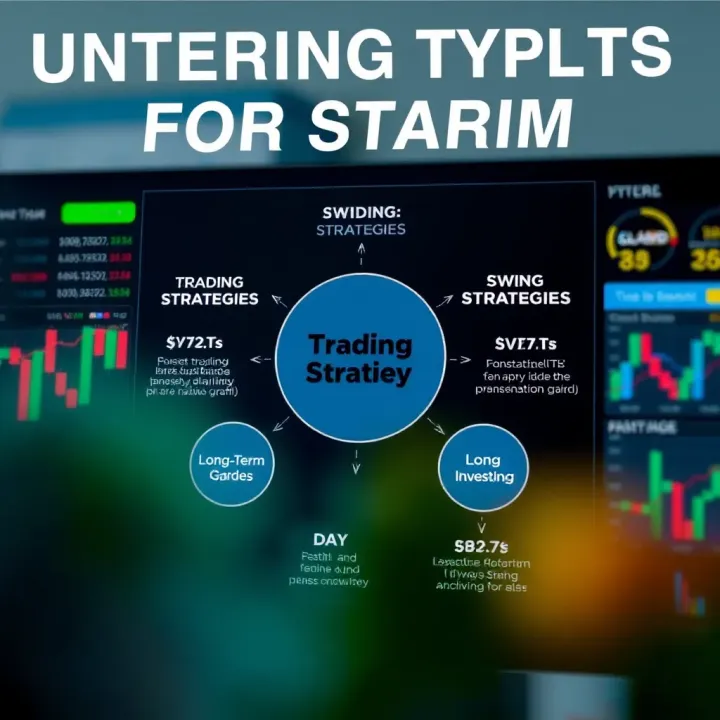
Explore trading basics, types, and strategies tailored for Pakistan. Learn about tools, platforms, risks, and tips to trade smartly and confidently 📈💡
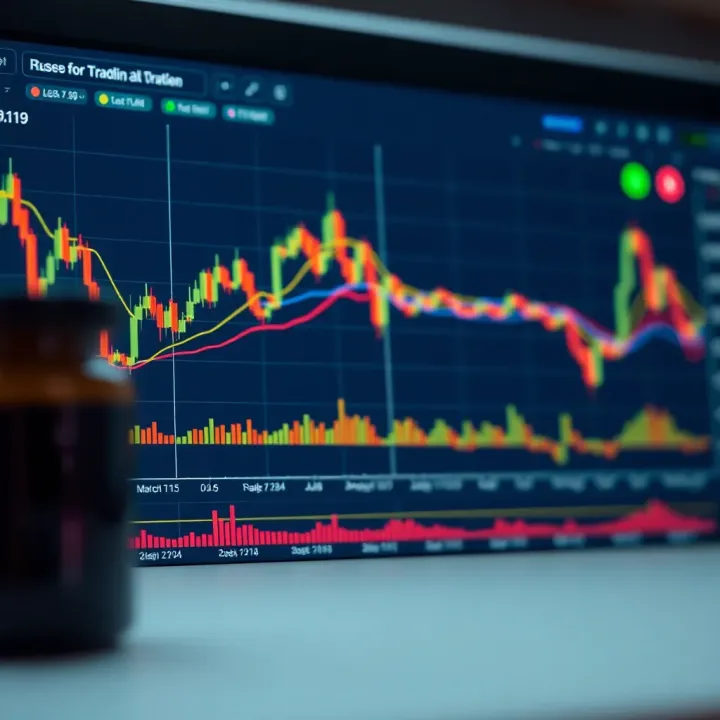
📊 Learn to master trading charts with our detailed guide for Pakistani traders. Understand key types, patterns, and tools to make smarter market moves.

Explore top trading platforms in Pakistan with in-depth reviews on security, features, and user experience 🌐📈 Find the right tools and tips here!
Based on 9 reviews