
How to Use TradingView on Deriv.com for Better Trading
📊 Discover how to use TradingView on Deriv.com effectively! Learn account setup, chart tools, key indicators, and tips for smarter trading decisions. 💹
Edited By
Olivia Bennett
If you're diving into the world of trading or just looking to get a clearer picture of market movements, TradingView offers a powerful tool with its live charts. For traders and investors in Pakistan, understanding how to use these charts can make a major difference in spotting opportunities and making informed decisions, whether you're eyeing the Karachi Stock Exchange or tracking global commodities like oil and gold.
Live charts are not just about seeing prices move—they’re about interpreting those moves, analyzing trends, and anticipating the next twist in the market. This article will break down the essentials, from setting up your TradingView charts to customizing and integrating technical indicators for your trading style.
By the end, you’ll know exactly how to harness TradingView’s features so your market analysis becomes smarter and your trading strategies more effective, tailored specifically to the Pakistani market and beyond.
Remember, a chart is only as good as the trader interpreting it. Learning to use these tools effectively can be a game changer, but it takes practice and understanding to avoid costly mistakes.
Getting a solid grip on TradingView live charts means you’ve got a reliable tool to read the market pulse almost instantly. This introduction sets the stage by explaining why these charts matter and how they fit into a trader’s everyday routine. Whether you’re tracking Karachi Stock Exchange stocks or global forex pairs, understanding the live charts lets you act fast and smart.
Live charts on TradingView aren’t just fancy graphs—they’re dynamic windows into current market conditions. This section explains what these live charts are, their purpose, and the perks they offer, especially when trading fast-moving assets.
We’ll also look at why so many traders prefer live charts for their decision-making. They provide real-time data essential for making informed, timely trades—something any serious trader can’t overlook.
At its core, a TradingView live chart shows price movements in real time across various financial markets like stocks, forex, and commodities. It’s designed to reflect the market’s heartbeat second-by-second, helping traders spot trends, reversals, or sharp moves immediately. Imagine watching a cricket match in real time versus checking the score later; the live chart keeps you in the thick of the action.
TradingView isn’t just any charting tool—it’s a comprehensive platform packed with features like social sharing, a wide variety of indicators, and multi-market access. It blends technical analysis and easy usability, a perfect combo for anyone from beginners to seasoned professionals. The platform’s cloud-based system also means your custom settings and charts sync across devices.
Live charts offer several key advantages:
Instant feedback: Watch price moves as they unfold without delay.
Better timing: Jump into or out of trades with more precision.
Customization: Tailor charts with indicators or drawing tools to match your strategy.
For example, when trading volatile commodities like crude oil, live charts let you catch quick moves that static or delayed charts might miss.
Traders rely on data that’s up to the second. Delays can cost money, especially in fast markets. With live charts, updates come instantly, minimizing reaction times. Say you’re trading the rupee-dollar forex pair; a sudden policy announcement from the State Bank of Pakistan could move prices swiftly, and live charts keep you glued to those moves.
Having current data at hand means less guessing and more informed calls. By analyzing live patterns—like sudden volume spikes or chart breakouts—you’re able to gauge momentum and act accordingly. This reduces “second-guessing” and helps manage risk better.
TradingView’s live charts are accessible on desktop and mobile, making it simple to check the markets wherever you go. The intuitive layout means even beginners can start reading charts without a steep learning curve, while pros appreciate the depth and speed. For instance, a busy trader in Lahore can set price alerts on their phone and catch important market moves without being stuck in front of a PC.
Using TradingView live charts effectively means combining deep market insights with flexibility and speed—a recipe for smarter trading decisions in today’s fast-paced world.
Setting up your TradingView live chart properly is the first step toward making informed trading decisions. This setup lays down the groundwork, allowing you to monitor the right markets and symbols swiftly. Without a solid setup, even the most detailed technical analysis can feel like wandering in the dark. For traders and investors, especially in Pakistan where market conditions can be quite dynamic, having instant access to live charts tailored to specific instruments can make the difference between seizing an opportunity or missing it altogether.
Getting started with TradingView begins with creating an account, which is straightforward and free for basic use. This step is essential because it unlocks features like saving your customized charts and setting alerts. When you sign up, you only need an email and a password, or you can use Google or Facebook for faster registration. For traders in Pakistan, having an account also means being able to save watchlists for the Pakistan Stock Exchange or currency pairs relevant to forex trading.
Remember, while the free plan covers most charting needs, upgrading to a paid version can offer faster data and more indicators, which might be useful if you want deeper insights.
Once logged in, finding the live chart is simple: head to the TradingView homepage and click on "Chart" in the top main menu. This opens the live chart interface where you can start analyzing price movements in real time. The interface is clean; you can search for instruments at the top left by entering a symbol or company name.
Accessing the live charts quickly is vital in trading because prices can change on the dime. For example, watching the sugar commodity prices or forex pairs like USD/PKR live can help you place trades at the right moment.
TradingView covers a wide range of markets – stocks, forex, commodities, cryptocurrency, and more. Choosing which asset to analyze depends largely on your trading interest and strategy. If you're focused on equities, you might pick blue-chip stocks like Pakistan State Oil (PSO) or international giants like Apple and Tesla. Forex traders might watch currency pairs like EUR/USD or USD/JPY, while commodity traders might concentrate on gold or crude oil.
Picking the right market for analysis isn’t about hopping on the latest trend. It’s about finding what fits your trading style and understanding. For example, commodities like gold can behave differently from stocks due to geopolitical tensions and inflation data.
For traders focusing on the Pakistani market, finding local instruments is straightforward but requires using the right tools within TradingView. The platform provides access to Pakistan Stock Exchange (PSX) data. You can type "PSX" or specific ticker codes such as "KSE-100" in the search bar to pull up relevant charts.
It's worth noting that real-time data for PSX may have slight delays on free accounts; however, upgrading or subscribing to local data vendors through TradingView can minimize this lag. Another tip is to use the "Watchlist" feature to save your favorite Pakistani stocks and keep them handy.
Getting your TradingView live charts set up correctly from the start sets the stage for effective analysis and decision-making. Focus on clear steps: create your account, dive into the live charts, and choose your markets wisely, including keeping a close eye on Pakistani stocks for local insights.
With these foundations, you’re ready to dive deeper into chart analysis and technical tools with confidence.
Understanding the different chart types available on TradingView is a key step for any trader or investor aiming to make smarter decisions. Each chart format offers a unique perspective on price action and market behavior, presenting various ways to interpret the same data. In markets as diverse as the Pakistan Stock Exchange or global Forex, picking the right chart type can highlight trends, reversals, or patterns that might otherwise go unnoticed.
Line charts are the simplest form you'll find on TradingView. They connect the closing prices of an asset over a selected time, creating a clear, continuous line. This simplicity is their strength—they strip away distracting details, making it easier to spot overall trends or long-term movements. For instance, if you’re tracking the general direction of Pakistan's oil sector stocks over a year, a line chart cuts through noise, showing whether the market is trending up or down.
Candlestick charts are a trader favorite for good reasons. Each "candlestick" shows open, high, low, and close prices within a selected timeframe, conveying a full price story in a compact form. The color coding helps instantly identify bullish or bearish sessions. For example, if you’re trading forex pairs like USD/PKR, candlestick patterns can reveal indecision, breakouts, or reversals—signaling when to enter or exit trades. They’re perfect for both day traders and swing traders due to their rich detail.
Bar charts offer similar information as candlesticks but with a slightly different visualization. Each bar includes the same four key prices (open, high, low, close) but displays them with vertical lines and horizontal ticks. This format appeals to traders who prefer a minimalist approach yet need detailed price data. On TradingView, bar charts are often chosen by technical analysts who may pair them with volume to confirm breakout strength or weakness, especially in volatile markets.
Line charts offer clarity and quick trend spotting, ideal for beginners or when you want a broad market view without distractions.
Candlestick charts provide comprehensive price info, lending themselves well to pattern recognition and detailed analysis.
Bar charts give a clean, technical layout appreciated by purists wanting precise price points without extra visuals.
Use line charts when you need a straightforward look at price trends over longer periods, like monitoring a stock index over several months.
Opt for candlestick charts when you’re actively trading or need to spot detailed price movements quickly, such as catching intraday reversals in forex or commodities.
Choose bar charts if you’re focusing on technical setups that require clean price visualization without the color distractions of candles—helpful in low-liquidity markets where clear price action is crucial.
Picking the right chart type isn’t just a cosmetic choice—it’s about fitting the tool to your trading style and goals. Sometimes, switching between them can offer fresh insights that alter your market view significantly.
Customizing your live chart display is essential for making TradingView's powerful tools work best for your trading style. Everyone’s approach is different, so tailoring charts helps highlight what matters for your analysis—whether you’re spotting swing trades on the daily timeframe or scalping minute-by-minute moves. Proper customization cuts through the noise, making it easier to spot trends, reversals, and potential breakout points.
Choosing the right time frame can really change how you view market data. Intraday charts focus on short intervals—like 1-minute or 5-minute candles—and are perfect for day traders who want to catch quick price moves during market hours. The fast pace here means decisions need to be quick, but it also shows the most granular price action.
On the other hand, daily charts show one candle per day, giving you a clearer picture of broader trends and overall market sentiment. This is useful for swing traders and investors who hold positions for days or weeks, as it filters out the intraday noise.
Weekly charts take an even longer view, summarizing price action over a week. These are great for long-term investors looking at bigger picture trends and major support/resistance zones.
To switch between these time intervals on TradingView, look for the timeframe selector at the top of your chart window. It’s usually just a dropdown where you can pick from 1m, 5m, 1D, 1W, and so forth. You can even add custom time frames if the presets don’t quite fit your needs. Quick switching helps you see how short-term moves fit into longer-term trends.
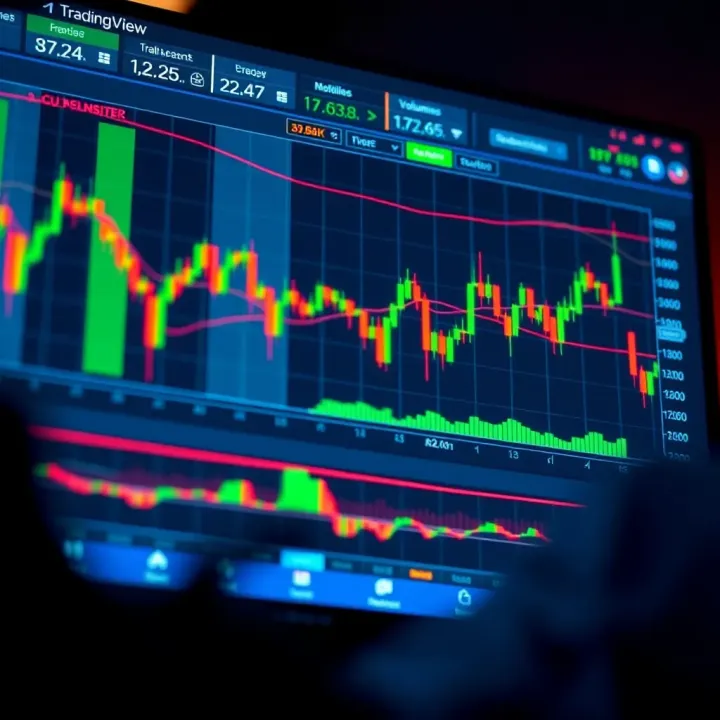
TradingView comes with a rich library of built-in indicators that help you read the market better without guessing. Some popular ones include Moving Averages (MA), which smooth price data to reveal trend direction; Relative Strength Index (RSI), which signals overbought or oversold conditions; and the MACD (Moving Average Convergence Divergence), which highlights momentum shifts.
Knowing when to use each indicator is key. For example, RSI can save you from jumping into trades that look tempting but are actually stretched too far. A simple moving average crossover might tell you when a trend is flipping.
Besides indicators, overlays let you compare different instruments directly on your chart. For instance, you might overlay the US Dollar Index (DXY) over a forex pair like USD/PKR to see how dollar strength correlates with the currency pair's movement. This comparison adds context to price action and can improve your trade timing.
The drawing tools on TradingView are like your digital sketchpad for marking up charts and making sense of price action.
Trend lines and support/resistance lines are essentials. Drawing a diagonal trend line along a series of lows or highs helps spot the direction and strength of a trend. Horizontal lines mark key price levels where the market has previously stalled or bounced, serving as psychological points for buyers or sellers.
Another useful tool is Fibonacci retracements. By plotting these, you identify potential reversal zones based on natural market rhythms. For example, if a stock rallies from 100 to 150, drawing Fibonacci levels might show that a pullback to around 138 could be a solid support before the price moves up again. Many traders swear by these levels to plan entry and exits.
Don't overlook simple annotations and notes either—these let you jot down trade ideas, mark news events, or highlight anything unusual on your charts. Over time, these notes become a personal log that helps track what worked and what didn’t.
Customizing your chart isn't just about making it look nice; it's about shaping the view to fit your own trading goals and style. Make it your workspace, your dashboard, your decision-making aid.
Through adjusting time frames, layering indicators and overlays, and taking advantage of drawing tools, you'll transform your TradingView charts into a clear, focused powerhouse for making smarter trades in Pakistan's markets and beyond.
Understanding chart patterns and signals is a key skill for making sense of the live data TradingView offers. These patterns are like signposts on your trading map, helping you spot where the market might be heading next. They’re not foolproof, but when combined with other tools, chart patterns give you a clearer view of possible price movement, which is essential whether you’re dealing with stocks on the Pakistan Stock Exchange or foreign currencies.
Using these patterns, you can gauge market sentiment and anticipate potential turning points. For instance, recognizing a reliable pattern early lets you hop on a trend before the crowd, or cut losses before the market goes sideways. TradingView provides all the chart types and overlays you need to visualize these patterns effectively.
The head and shoulders pattern is classic and often signals a reversal in trend. Picture a peak (shoulder), followed by a higher peak (head), then another lower peak (second shoulder) — this spells a potential change in direction. A breakout below the “neckline” connecting the lows between shoulders confirms it.
Why does it matter? For example, if you see this forming on a Pakistan Stock Exchange equity like Engro Corporation, it might warn you to prepare for a price dip. TradingView’s drawing tools allow you to mark this pattern easily, helping you decide whether to take profits or tighten stop-loss orders.
Double tops and bottoms indicate a strong resistance or support level that the price tests twice. Imagine a price hitting a ceiling twice and failing to break through— a double top. On the flip side, a double bottom happens when a price hits the floor twice and bounces back.
These patterns hint at trend reversals too. For instance, a double top in an oil commodity price chart on TradingView might suggest the bullish run is about to cool off, signaling it might be time to sell or short the commodity.
Triangles and flags are continuation patterns, telling you a trend might pause but likely won't reverse. Triangles form when price moves between converging trendlines, like a wedge slowly tightening. Flags look like small rectangles or parallelograms forming against a strong trend.
Spotting a triangle on a forex pair such as USD/PKR can mean the pair is gearing up for a strong move. Flags in a bullish trend often suggest a brief rest before prices surge again. Recognizing these gives you an edge in timing trades effectively.
Volume spikes are sudden surges in trading volume that often precede or confirm significant price moves. Think of volume as the fuel behind price action — if a breakout happens on low volume, it’s suspiciously weak. But when volume spikes, it shows heavy interest, which may support a strong trend.
For example, a big volume spike on a PSX stock chart could indicate institutional buying or selling, which usually leads to bigger price swings. TradingView’s volume histogram helps you pick up those spikes clearly.
RSI measures the speed and change of price movements, hovering between 0 and 100 to show if an asset is overbought or oversold. Traditionally, readings above 70 suggest overbought conditions (possible price drop ahead), and below 30 point to oversold (potential price rise).
Let’s say you spot an RSI above 70 on a popular blue-chip stock on TradingView. This could signal a pullback is coming, making it a good moment to lock in profits or avoid new buys. RSI is especially handy in volatile markets where quick signals matter.
MACD is a momentum indicator that tracks the relationship between two moving averages. It’s useful for spotting trend changes and momentum shifts. When the MACD line crosses above the signal line, that’s typically a buy signal; when it crosses below, a sell signal.
For example, if you see the MACD crossover on TradingView while analyzing Karachi’s banking sector stocks, it might clue you in to enter or exit a position. Combining MACD with volume and patterns further refines your strategy.
Getting a handle on these chart patterns, volume changes, and momentum signals is like adding new lenses to your TradingView experience. They don’t promise fortune but sharply reduce guesswork, giving you a smarter way to trade Pakistan's markets and beyond.
Alerts and notifications are vital tools for any trader using TradingView live charts effectively. They allow you to stay ahead of market moves without constantly watching the screen, which is especially helpful in volatile markets or when juggling other tasks. In Pakistan’s trading environment, where timing can be everything, setting smart alerts means you can react quickly to important price changes or technical signals and avoid missing critical opportunities.
Configuring alert levels is straightforward but powerful. You decide at which price point TradingView will notify you—whether it's when a stock hits a specific price, crosses above a moving average, or drops below a certain threshold. For instance, if you’re watching shares of Pakistan Telecommunication Company Limited (PTCL), you could set an alert at PKR 12.50 to signal a potential breakout or support zone. This proactive approach helps you make timely decisions without being glued to your chart.
Email and mobile notifications complement these alerts by delivering immediate updates wherever you are. You can customize alerts to send you a text or email, ensuring you never miss a beat, whether you’re commuting or at your desk. For example, a trader might receive a mobile alert when the KSE-100 index crosses a significant resistance, enabling a quick response on the trading floor or while running errands. The peace of mind from knowing your trading signals won’t slip by is invaluable in fast-paced markets.
Using alerts with technical indicators lets you automate watching for changes in momentum or trend shifts. Say you rely on the Relative Strength Index (RSI) to gauge overbought or oversold conditions in a stock like Habib Bank Limited (HBL). TradingView can alert you when RSI crosses a set level (e.g., 70 or 30), signaling a possible reversal. This feature means no more manually scanning charts; instead, the platform does the heavy lifting.
Monitoring price breakouts with alerts can catch those critical moments when a security breaks through support, resistance, or a chart pattern. If you’re tracking a triangle formation on the OGDC chart, an alert when the price breaks that pattern’s boundary helps you act fast—either entering a trade or tightening stops. Breakouts can signal high-potential moves, and automated alerts ensure you're not too late to capitalize.
Setting up alerts turns TradingView from just a charting tool into an active trading assistant. It handles the watching for you while you stay focused on your broader strategy.
To get started, simply click the alert button on any chart or indicator, customize your conditions, and choose how you want to be notified. Regularly review and adjust your alerts to match shifting market conditions or your evolving tactics.
Using TradingView's live charts isn't just about staring at fluctuating numbers — it's about weaving those insights right into your trading game plan. When you slice real-time data with solid technical analysis, your trading strategy gains a sharper edge. This integration doesn’t just help in spotting opportunities but also manages the risks, making your moves smarter and more calculated.
Take, for example, a trader focusing on the Pakistan Stock Exchange (PSX). By syncing TradingView’s live charts with technical tools like moving averages or RSI, they can time entries and exits better, reacting to local market volatility swiftly rather than waiting hours for data to update. This slashes guesswork and lets decisions flow with the market pulse rather than lag behind it.
Entry and exit timing are the beating heart of any trade. Using TradingView live charts, traders can track price changes and chart patterns as they emerge, not hours later. This is especially useful when watching stocks like Engro Corporation or Oil & Gas Development Company Limited, where prices can shift quickly in response to breaking news or economic changes.
By watching candlestick formations and volume spikes live, a trader can decide the right moment to dive in or pull out. For instance, if a bullish engulfing pattern appears near a support level, it might signal a good buying point. On the other side, spotting a double top could be the green light to sell and avoid losses.
Risk management tips go hand in hand with timing. No trader wants to throw caution to the wind. With TradingView, setting stop-loss orders or alerts linked to specific price levels can protect your capital from sudden swings. It's wise to only risk a small percentage of your trading capital on a single trade—usually between 1-3%.
Use TradingView’s alert system to keep tabs from your phone or email, so you’re not glued to the screen but still ready to act when things move beyond your set thresholds. This smart use of tech balances staying alert with not stressing over every tick.
Timing trades in volatile markets can feel like trying to catch a flying kite in a storm. However, live charts give you a chance to see the wind's direction — how price momentum builds or fades. When markets jump unpredictably, short time frames, like 5-minute or 15-minute charts, allow traders to ride waves and avoid sitting through stormy downturns.
For example, during earnings season or after major policy announcements affecting Pakistani markets like the SBP interest rate decisions, quick shifts happen. Traders who watch live data can spot when momentum shifts from bullish to bearish immediately and adjust their positions accordingly.
Adjusting strategies for different securities is another important piece. A Forex trader focusing on USD/PKR will look at different indicators and time frames compared to someone trading PSX equities or commodities like gold or oil.
Stocks might rely more on trends and volume for timing, whereas forex often needs attention to global economic data and tighter risk control due to higher leverage. TradingView’s customizable charts let you switch indicators and time frames easily to match the security type.
Remember, flexibility is key. What works for one security or market condition might flop in another, so constantly adjusting your strategy based on live chart insights is the secret sauce for staying in the game.
Integrating live charts deeply into your trading strategy transforms guesswork into calculated moves. It’s not about predicting the market perfectly — that’s impossible — but about reacting quickly and wisely when those perfect probabilities line up.
Access to TradingView live charts on both mobile and desktop platforms is essential for traders who want to stay ahead of the game. Markets change fast, and having flexible access means you can keep tabs on your trades and react in real-time whether you're at your desk or on the go. This section covers how TradingView supports this flexibility by offering powerful mobile apps and robust desktop software, each designed with practical tools tailored to different trading setups.
TradingView’s mobile app brings much of the desktop charting power into your pocket. It offers interactive candlestick charts, multiple indicators, and drawing tools right on your smartphone. For example, if you spot a trend forming during your commute, you can quickly add a moving average line or a Fibonacci retracement without needing a laptop. This feature is especially useful in Pakistan’s fast-moving forex and equity markets where quick decisions matter.
On mobile, switching time frames is straightforward, and you can use touch gestures to zoom in or out, making it both intuitive and fast to analyze charts anywhere. This means even if you are waiting at a cafe or travelling, your ability to track price movements and make informed calls doesn’t slow down.
One strong point of TradingView is how it syncs your charts, alerts, and watchlists across devices automatically. Say you set up a complex chart with specific indicators on your desktop at home. When you open the mobile app, everything appears exactly as you left it, saving time and keeping your analysis consistent.
This synchronization is a big deal for traders who switch between devices during their day. For instance, if you start your day analyzing Pakistani market indices on a desktop and then head out, you won’t miss out on any updates on your phone. It ensures a smooth transition without the hassle of reconfiguring charts or losing valuable insights.
The desktop version of TradingView really shines when it comes to multi-chart setups. Traders who juggle several instruments simultaneously — say, tracking the KSE 100 index alongside USD/PKR forex rates and crude oil prices — can open multiple charts within a single screen. This makes spotting relationships and divergences faster and simpler.
Imagine a trader in Karachi monitoring futures, commodities, and global indices all at once; this feature allows for immediate cross-market comparisons without flipping between tabs or windows. It’s a real time-saver and helps traders develop a bigger-picture understanding at a glance.
TradingView’s desktop platform is optimized for speed, which is how you want it when seconds can mean the difference between a profit or loss. Load times are minimal even when using heavy indicators or multiple charts. Plus, customization options are extensive — from layout configurations to personalized shortcuts and color themes.
For example, a trader focusing on short-term scalping in the Pakistani market may customize quick-access buttons to toggle between 1-minute and 5-minute interval charts instantly. Or customize colors to highlight bullish and bearish setups clearly.
Being able to swiftly customize and respond to rapid market changes on a desktop platform gives traders an edge that’s tough to match on any other device.
In summary, TradingView’s mobile and desktop options complement each other well, making it easier for traders of all levels to stay connected, whether they're at a desk, home, or out and about in Pakistan or anywhere worldwide.
When working with TradingView live charts, traders can quickly run into a few common roadblocks that might slow down analysis or cloud decisions. Knowing these challenges—and having simple fixes—makes it easier to stay sharp and efficient. From overloaded charts to data hiccups, recognizing the traps can save time and improve your trading outcomes.
Charts packed with dozens of indicators or messy drawings might seem like a goldmine of information, but in reality, they often do more harm than good. The key is to choose only essential indicators rather than trying to track every possible signal. For example, combining an RSI with a moving average often gives enough insight without cluttering the screen.
Overloading your chart with too many indicators is like trying to listen to a dozen conversations at once—you get lost in the noise.
Simplifying your workspace is just as important. This can mean removing extra drawings that no longer add value or closing other open charts that distract your focus. TradingView's workspace setup allows saving your preferred layouts, so trimming down to the core essentials is easier once you get the hang of what really helps your strategy.
Not every data stream on TradingView comes with the same speed or detail. The differences between free and paid data are significant. Free users may experience delays of a few seconds to even minutes depending on the market, while paid subscriptions generally access real-time or near-instant data. For traders focusing on the Pakistan Stock Exchange or major forex pairs, sometimes the free tier suffices, but scalpers and day traders often need the upgrade.
Ensuring data accuracy goes beyond speed. Confirming that you are getting reliable updates from trusted exchanges helps avoid acting on outdated prices. Cross-referencing with official market data or known platforms like Bloomberg or Reuters (in a desktop research setup) can confirm your TradingView charts haven’t missed a spike or drop.
Always verify you're working with fresh, trustworthy data—because even the sharpest analysis is useless with faulty inputs.
Being aware of these challenges, and taking practical steps to simplify charts and validate data, will boost confidence in your TradingView setup. This steadies your footing in the fast-moving world of trading and investing.
Using TradingView charts for analyzing the Pakistani market brings a whole new level of clarity to traders and investors focused on this region. With Pakistan's financial landscape evolving rapidly, having live, precise charts helps you spot opportunities before others catch on. This section focuses on how local market data, combined with regional news and economic indicators, can be used on TradingView to make well-informed decisions.
TradingView provides access to data from the Pakistan Stock Exchange (PSX), but it comes with a few catch points. While you can watch popular stocks like Lucky Cement, Engro Corporation, and Habib Bank Limited, the data might not be as fast or as detailed as global exchanges like NYSE or NASDAQ. Still, for day traders or long-term investors focusing on Pakistan, having real-time price movements and volume data is a solid advantage.
For example, if you’re tracking Pakistan Petroleum Limited (PPL), TradingView lets you see real-time candlestick charts with volume overlays, which can give insights into buyer and seller strength. However, be mindful that the refresh rate and ticker volume might lag slightly during peak hours.
The primary limitation is that much of the Pakistani market data on TradingView is delayed or comes from third-party feeds, which may cause small lags or inaccuracies. Additionally, not all PSX-listed companies are available, especially smaller cap stocks or certain sectors.
Alternatives to overcome these issues include using local brokerage platforms that offer direct feeds or combining TradingView charts with software like MetaStock or local financial news feeds to corroborate what you see on TradingView. Also, regularly cross-checking data during trading hours ensures you don’t miss sudden price moves caused by events or rumors.
In Pakistan, geopolitical happenings like changes in government policy, international relations, or security issues can really shake the stock market. TradingView users should keep tabs on such news because these events often cause abrupt price swings that charts alone won’t predict.
Imagine a scenario where tensions rise in the region and suddenly the Oil and Gas Development Company Limited (OGDCL) stock dips sharply. Having alerts linked to news sources or setting up specific price drop alerts on TradingView can help you react fast, protecting your capital or even capitalizing on volatility.
Economic reports, such as inflation rates, foreign exchange reserves, and interest rate announcements by the State Bank of Pakistan, significantly influence market behavior. TradingView charts help you visualize how these indicators affect stock prices by comparing data sets over time.
For instance, when the inflation rate spikes, consumer goods stocks might drop, while export-oriented industries could behave differently. Using overlays and multiple chart windows on TradingView, you can compare the Pakistan Consumer Price Index (CPI) trend alongside stock price movements to spot such correlations.
Keeping a keen eye on local news and economic data alongside live charts ensures you're not flying blind. It adds context, which is key to making smarter trades.
By blending reliable local data with an understanding of how regional events impact the market, TradingView becomes a powerful tool for anyone serious about Pakistani market analysis.
Getting started with TradingView live charts can feel confusing at first, but with the right approach, beginners can quickly turn that initial complexity into a dependable tool for trading and market analysis. It's important to build a solid foundation by taking advantage of resources and practicing in a risk-free environment before diving into real trades. This way, you avoid costly mistakes and develop confidence in interpreting charts and indicators.
In the Pakistan market context, where volatility and unexpected events impact price movements, learning carefully from the available guides and community insights can give you an edge. The next sections focus on key resources and practical ways to practice using TradingView effectively.
TradingView provides an array of official documentation and step-by-step tutorials directly on their platform, covering everything from basic chart navigation to advanced indicator setups. These guides are practical because they show real examples and screenshots, making it easier to follow along.
For example, if you're looking to add a Moving Average Convergence Divergence (MACD) indicator, the official tutorial walks you through how to find and apply it on any chart. This helps beginners avoid guesswork and ensures you're using features correctly.
Following official tutorials helps newcomers quickly get their footing while ensuring they don’t miss critical steps in setup and analysis.
The TradingView community forums are a goldmine of shared knowledge where traders from Pakistan and around the world post strategies, ask questions, and share chart setups. Watching tutorial videos on platforms like YouTube, made by experienced traders, offers practical understanding through live demonstrations.
For instance, you might find videos analyzing Pakistan Stock Exchange trends with live TradingView charts, which helps connect theory with practice. These community insights often include tips on how to avoid common beginner mistakes and which indicators work well with local market conditions.
Paper trading on TradingView allows you to simulate buying and selling without risking real money. This hands-on practice is crucial, especially for beginners trying to understand how orders execute and how price movements affect trades.
For instance, imagine testing a strategy for buying shares of a telecom company listed on Pakistan Stock Exchange without financial risk. You can observe the outcome and tweak your approach until comfortable.
Paper trading reduces anxiety for beginners by making the learning curve less steep, allowing mistakes without real losses.
Beyond simple paper trading, simulating trades involves creating scenarios to practice decision-making and risk management. You can pick historical data periods with high volatility, such as political events impacting the Karachi market, and apply your strategies retroactively.
This helps sharpen your analytical skills and teaches you how live charts respond under different conditions. Simulating trades also familiarizes you with order types and timing entries or exits more effectively.
Starting with these tips helps set realistic expectations and builds your skills steadily. Combining official resources with community wisdom, plus hands-on practice, turns TradingView from a complicated tool into a powerful ally for your trading journey.
📊 Discover how to use TradingView on Deriv.com effectively! Learn account setup, chart tools, key indicators, and tips for smarter trading decisions. 💹
📊 Learn to use TradingView charts on Deriv with easy setup, key features, and smart tips. Perfect for Pakistani traders to boost their trading game! 🇵🇰
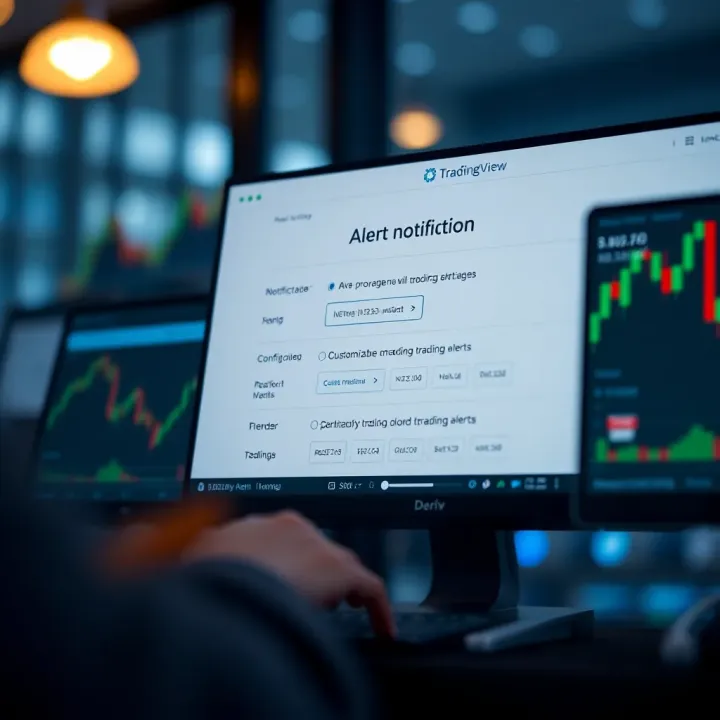
Learn how to connect TradingView charts with Deriv for smarter trades in Pakistan. Analyze charts 📊, set alerts 🔔, and integrate strategies for better decisions.
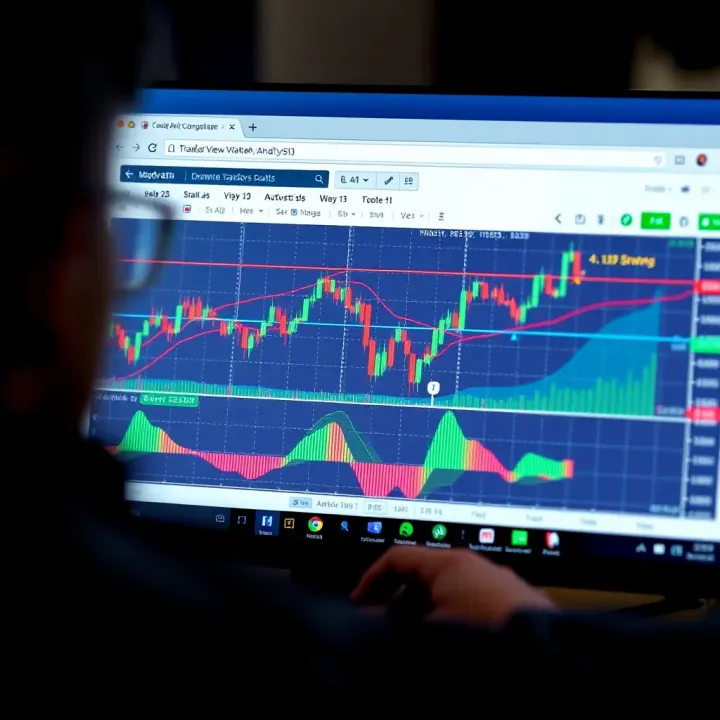
📊 Discover how to master TradingView charts for smart market moves. Learn chart types, indicators, tools & tips tailored for traders & investors in Pakistan.
Based on 11 reviews