

Using TradingView to Improve Binary Options Trading
📊 Explore how TradingView enhances binary options trading with practical charting, strategy tips, and insights to improve decision-making and overcome challenges.
Edited By
Ethan Hughes
Trading in binary options can seem like a quick way to make a profit, but it’s also risky without the right tools and knowledge. For traders in Pakistan and everywhere else, TradingView has become a popular platform to track, analyze, and plan trades efficiently. This guide will walk you through the essentials of using TradingView specifically for binary options.
Binary options might look straightforward—they're a bet on price direction within a fixed timeframe—but success depends heavily on accurate chart reading and timing. That’s where TradingView shines, offering detailed charts, indicators, and analysis tools all in one place.

Whether you're a newbie trying to make sense of candlestick patterns or an experienced trader looking to sharpen your strategies, this article tackles the whole kit and caboodle. From setting up your chart views right to picking out signals that matter, to smart ways to manage your risks, we’ll cover it.
Remember, binary options trading isn’t a guaranteed way to get rich—understanding the tools and market trends is key to avoiding costly mistakes.
This guide isn’t just about Theory; it includes practical tips aligned with the Pakistani trading environment, making the examples and advice easy to follow and apply.
Here's what's coming up:
A brief rundown of what binary options are and how they work
Essential features of TradingView that binary traders shouldn’t overlook
Step-by-step on setting up your charts for clear, actionable information
Strategies that mesh well with binary options trading
Risk management to keep your losses at bay
Common traps that traders often fall into and how to avoid them
By the end, you'll know how to turn TradingView into your trading cockpit, improving your chances on this rollercoaster market. So, let’s dive in and get you set up for smarter binary options trading.
Binary options trading has gained traction globally, especially among folks looking for straightforward, quick-return trades. For traders in Pakistan, understanding the basics of binary options is not just academic—it's the first solid step to trading with confidence and avoiding costly mistakes. This section lays down the groundwork by breaking down what binary options are, their appeal, and how they fit into the larger trading landscape.
By grasping these fundamentals, you'll be able to use platforms like TradingView more effectively, tailoring your analysis and strategies to the specific mechanics of binary options. This foundation helps in spotting opportunities and steering clear of pitfalls that come with the high-risk nature of binary options.
Think of binary options as a simple "yes or no" bet about market movement within a set time frame. You’re predicting whether an asset’s price will be above or below a certain level at expiry. There are only two outcomes: either you win a fixed payoff or lose your stake. This all-or-nothing setup means your risk and reward are both clear from the get-go.
For example, if you buy a binary option predicting that the USD/PKR pair will be over 160 at 4 pm today, and it turns out true, you win a predetermined payout. If not, you lose the amount you invested in that trade. This simplicity attracts many new traders who want to avoid the complexities of traditional trading.
Binary options are usually short-term, often ranging from 15 minutes to a few hours, making them appealing for quick gains. However, it's crucial to remember that their returns are fixed; you don't gain more if the asset moves far beyond your prediction, nor lose more if it falls way below.
Binary options come in different flavors, each suited to different trading styles and strategies. Some of the common types include:
High/Low (Call/Put) Options: The most straightforward type where you predict whether the price will finish above or below the strike price.
Touch/No Touch Options: Predict whether the price will hit a certain level before expiry. For instance, you might wager that the price of gold will touch $2,000 at any point today.
Boundary Options: Also called range options, where you predict if the price will stay within a set range until the option expires. These work well in low volatility environments.
Each type has its nuances and fits different market conditions. Using TradingView, you can adjust your analysis to spot the best trade types for current trends and volatility.
Binary options present a tricky legal landscape in Pakistan. Currently, the Securities and Exchange Commission of Pakistan (SECP) doesn't officially regulate binary options trading. Many brokers operating in the country are not locally licensed, which means traders enter a market with little regulatory protection.
This lack of oversight can raise red flags regarding broker reliability, fair practices, and payout assurances. Pakistani traders should exercise caution by choosing brokers with strong international reputation and transparent policies.
One practical tip is to avoid brokers that promise unrealistic returns or request excessive verification steps upfront, which could be a sign of scam operations.
Despite regulatory greyness, binary options have found a considerable following in Pakistan, due to their simple setup and the lure of fast profits. Social media and online forums show traders sharing their wins, strategies, and sometimes losses, painting a realistic picture.
However, challenges remain significant:
Market volatility: Sharp swings in asset prices can make predictions hit or miss.
Limited broker options: The absence of local regulation forces reliance on international brokers, sometimes complicating deposits and withdrawals.
Lack of formal education: Many traders jump in without fully understanding risks, leading to losses.
Despite these hurdles, Pakistani binary options traders can turn these challenges into stepping stones by learning to use tools like TradingView effectively, blending technical analysis with cautious risk management.
Binary options trading isn’t just about picking a direction; it’s about understanding the market’s pulse, the tools at your fingertips, and the environment you trade in. For Pakistani traders, building this knowledge layer is essential before placing any trades.
When stepping into the world of binary options, having the right tools is half the battle won. TradingView stands out as a top choice, especially for traders keen on quick decision-making backed by solid charting and data. Its value lies not just in displaying numbers, but in how it empowers you to actually read those numbers to make smarter plays.
TradingView isn’t just another charting service; it’s a full-blown cockpit for traders. From real-time price tracking to drawing out the tiniest trend lines, it enables you to zero in on what’s happening with an asset this second. This immediacy is crucial for binary options, where seconds can make the difference between profit and loss.
Moreover, TradingView's flexibility lets you tailor your setup exactly how you want it—like picking just the right tools for a fishing trip. You can customize indicators, try out new analysis methods, and switch between stocks, forex, crypto, or commodities seamlessly. This adaptability makes it a practical platform for Pakistani traders who might want to explore assets beyond their local markets.
In short, getting familiar with TradingView’s platform means you're not fumbling in the dark; you’re trading with a clear view of the playing field. Let’s get into the nuts and bolts: exactly what features of TradingView make it a powerful companion for binary options trading.
One of TradingView’s biggest draws is its real-time data flow. Unlike platforms that lag by several seconds or more, TradingView streams prices and volume stats live. This immediacy is vital for binary options where you place bets on tiny price moves that happen in minutes or even seconds.
Imagine you want to trade the EUR/USD pair and notice a sudden spike—TradingView shows this instantly, letting you decide fast instead of relying on stale data. Coupled with its clear charting tools, such as candlestick charts and bar charts, you can spot patterns, reversals, or breakouts without delay.
The quality of these charts rivals professional trading software, yet it’s user-friendly enough for newcomers. You can zoom in on specific timeframes, overlay price action with volume or other key metrics, and track multiple assets side-by-side. This all-in-one view is a game-changer for those juggling several trades.
TradingView doesn’t force a one-size-fits-all approach. It offers a wide range of technical indicators—like Moving Averages, RSI, Bollinger Bands, and MACD—that traders can tweak to their liking. For example, you might want to change the period settings on an RSI indicator to better fit a 15-minute expiry trade.
Drawing tools are equally flexible. You can mark support and resistance zones, trendlines, Fibonacci retracements, or any custom shapes to visualize your strategy. This is especially helpful in binary options, where knowing exact price zones often determines the odds of a trade’s success.
Plus, there’s an active community sharing custom scripts and indicators. If you find the standard offerings too basic, you can try out what others have created—like a specialized volatility indicator or a tailored alarm system that notifies you when key patterns form.
Getting started on TradingView is straightforward. You simply sign up with an email, Google, or even Facebook account, then verify your email. Unlike some platforms that bog you down with KYC right away, TradingView lets you explore its features right after signup with a free account.
This ease of entry is great if you just want to dip your toes in before committing. Once inside, the interface is intuitive: the homepage offers quick access to charts, watchlists, and the social sections where traders discuss setups and ideas.
TradingView offers several subscription tiers: Free, Pro, Pro+, and Premium. While Free covers basics like one chart and limited indicators, upgrading might be worth considering if you want multiple charts, additional indicators, or faster data.
For binary options traders in Pakistan, the Pro plan often hits the sweet spot. It allows up to two charts per layout, more indicators, and ad-free experience at around $14.95/month. This is a modest cost that can pay off by helping you spot opportunities quicker.
Premium plans with advanced features like priority support and unlimited indicators cater more to heavy, day traders or those using complex strategies. Remember, the goal is to match your subscription with your trading style and budget rather than splurging on options that sit unused.
When choosing your plan, think about what features you’ll actually use. It's better to start small and upgrade later than pay upfront for tools you don’t need.
By mastering these platform basics, any trader—new or experienced—lays a strong foundation for successful binary options trading with TradingView. Now that you know what’s under the hood, you’re better equipped to make TradingView serve your specific trading goals and style.
Charts are the backbone of any trading platform, and TradingView doesn’t disappoint in this regard. For binary options traders, charts provide a snapshot of market sentiment and price movements, making it easier to predict if an asset’s price will be above or below a certain level at expiry. Without reliable charting tools, you’d be flying blind, relying on guesswork rather than data.
Using TradingView charts means you get real-time updates, flexibility to customize views, and a variety of chart types that speak specifically to your trading style. For example, quickly spotting market trends or pinpointing entry and exit points is far easier with the right chart set up. It’s not just about looking pretty; it’s about making faster, smarter trading decisions that can significantly impact your results.
Candlestick charts are incredibly popular among traders because they pack a lot of info into a compact, visual format. Each “candle” shows the open, close, high, and low prices over a specific period. The color coding usually indicates whether the price moved up (green or white candle) or down (red or black candle).
For binary options traders, this is gold. Candlestick patterns can hint at potential reversals, continuations, or indecision in the market. Take the "Doji" candle, for instance—its tiny body and long wicks can signal uncertainty and a possible trend change. Spotting such patterns on TradingView helps traders time their trades better.
If you’re new, start by focusing on simple candlestick signals like bullish engulfing or hammer candles. They’re straightforward and effective for short-term trades common in binary options.
While candlesticks are packed with detail, sometimes a simpler view can sharpen your focus. Line charts connect closing prices over time, giving you a clean, straightforward trend line. For beginners or during high volatility, line charts can help you spot the general direction of the market without getting overwhelmed by too much noise.
Bar charts, on the other hand, show similar info to candlesticks but in a different style. Each bar displays the open, close, high, and low prices, but unlike candlesticks, the visual representation is a bit more minimalistic. Bar charts can be useful when you want to compare multiple assets side by side quickly or when you’re monitoring fast trades and just need a quick check on price action.
By switching between these chart types on TradingView, traders can adapt their view depending on the market situation. Sometimes the best strategy is to keep it simple and clear.
Indicators are tools to help decode market movements, and TradingView offers a vast library. For binary options, some stand out:
Relative Strength Index (RSI): Measures the speed and change of price movements. When RSI hits above 70, it may signal an overbought asset; below 30, it could be oversold.
Moving Averages (MA): Smooth out price data to identify trends. Combining short-term and long-term MAs can reveal crossover points, signaling potential buy or sell moments.
MACD (Moving Average Convergence Divergence): Shows the relationship between two MAs and momentum. It’s a favorite for timing entries and exits.
Practical tip: Don't overload your chart with every indicator under the sun. Select a couple that work well together—like RSI with MACD—to avoid confusion and conflicting signals.
One of TradingView’s best features is its alert system. Instead of staring at screens all day, traders can set automated alerts for specific conditions. For example, you might want an alert when RSI crosses above 70 or when the MACD line crosses the signal line.
This means if you’re busy or away from your computer, you can still receive timely notifications via mobile or email. It helps you act fast on binary options trades where timing is critical. Setting alerts strategically prevents missed opportunities and protects you from getting caught out by sudden price moves.
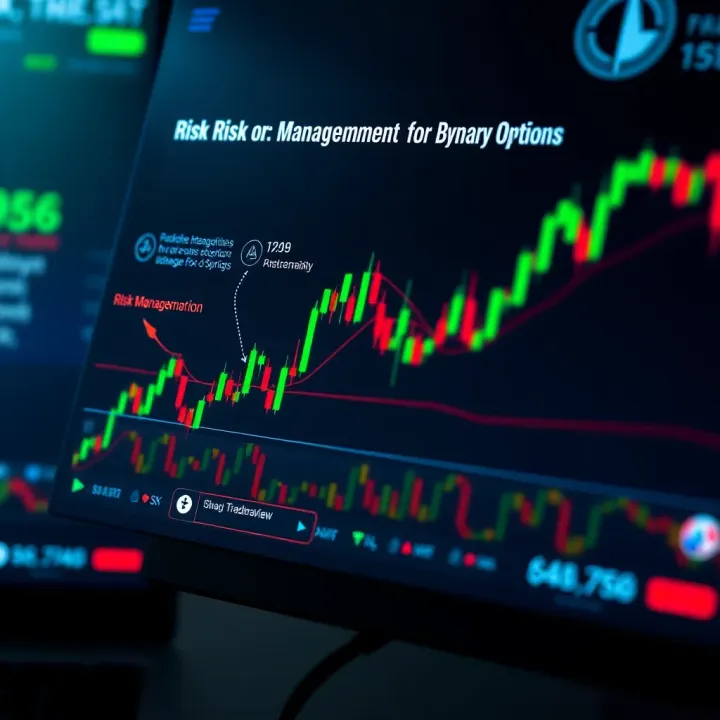
Remember, alerts are tools to assist your judgment, not replace it. Always review the overall context before making a trade.
By mastering TradingView’s charts and indicators, you arm yourself with a clear view of the market, making binary options trading less guesswork and more strategy-driven. The key is to experiment with different chart types and indicators to find what clicks for your style and the assets you trade most often.
Understanding market trends and signals is fundamental for anyone trading binary options on platforms like TradingView. Getting this right can make the difference between a winning trade and a loss, especially when the options have such short expiration times. Trends give you a snapshot of the market’s direction—whether the price is generally moving up, down, or sideways—while signals clue you in on potential turning points or confirmations.
For example, spotting a shift from an uptrend to a downtrend early can save you from putting money on a call option that’s about to expire worthless. In binary options, where you predict whether the price will be higher or lower than the strike price at expiry, catching these moments is crucial.
Support and resistance levels act like the invisible walls where prices tend to bounce off or struggle to break. On TradingView, drawing these involves locating past price points where the market repeatedly reversed or stalled. For support, mark the lows where price stopped falling and bounced back up. For resistance, trace the highs where price struggled to push higher.
Once you’ve identified these points, connect them using trendlines. Horizontal lines at these spots help you see clusters where buying or selling interest is strong. This isn’t just a guess; it’s a pattern recognized by many traders, making these levels self-fulfilling.
Support and resistance aren’t just static lines; they guide your trade timing. If the price approaches a support level, it might be a good place to consider a call option, expecting a bounce. Conversely, if price nears resistance, it could signal a put option opportunity anticipating a retracement.
In practise, if the price breaks through these levels, it often continues in that direction (called a breakout), which can be a great chance to take a position—if you confirm the breakout isn’t a false signal. For example, if a currency pair breaks above a resistance level and holds, a call option could be profitable. Using TradingView’s alert system here helps you catch these movements without staring at the screen all day.
Price patterns give visual cues about potential market moves. For binary options trading, some reliable patterns include:
Head and Shoulders: Usually signals a trend reversal. When you see this forming on TradingView, it might be time to prepare for the market turning around.
Triangles (ascending, descending, symmetrical): These point to consolidation with a potential breakout coming up.
Double Tops/Bottoms: Indicate strong reversal points, offering good expiry timing for binary options.
Each pattern tells a story about market psychology—where buyers and sellers are battling it out. Recognizing these on TradingView charts means you can anticipate the next move rather than react to it.
Not all patterns or breakouts pan out. False signals can cause frustration and unexpected losses. To reduce these pitfalls:
Confirm with multiple indicators, like RSI or MACD, before placing a trade.
Look for volume confirmation; a breakout with high volume is more trustworthy.
Avoid trading right after major news events unless experienced, as sudden spikes can give misleading patterns.
Remember, practicing pattern recognition on historical charts can build your confidence, but always remain cautious and use proper risk management to protect your capital.
In short, analyzing market trends and signals through levels and patterns on TradingView equips you with actionable insights. These tools aren’t foolproof, but combined with solid trading discipline, they enhance your chances of making smart binary options trades in the Pakistani market.
Creating a solid strategy is the backbone of successful binary options trading, especially when using a platform like TradingView. It's not just about picking a random indicator or guessing market moves; developing a clear plan based on data and signals can help reduce risks and boost confidence. TradingView offers diverse charting tools and indicators that allow traders to analyze market conditions deeply. By combining these tools thoughtfully, traders can spot potential trade setups and make smarter choices on entry and exit points.
One practical strategy involves blending moving averages (MA) with the Relative Strength Index (RSI). Moving averages help smooth out price data and reveal the underlying trend direction, while RSI measures the momentum and strength of price movements.
Consider using a 20-period moving average to identify the trend. When price stays above this MA, it's usually a bullish sign; below indicates bearish momentum. At the same time, monitor RSI levels: a reading above 70 suggests overbought conditions, while below 30 shows oversold zones.
For example, if the price is above the 20-period MA and the RSI crosses above 30 from oversold territory, this could signal a good call option in a binary trade. Conversely, price below the MA combined with RSI dropping below 70 might hint at a put option.
This combo reduces false signals by checking both trend and momentum, helping traders avoid jumping into trades too early or late. TradingView makes it simple to add these indicators and customize alert conditions for swift decision-making.
The Moving Average Convergence Divergence (MACD) paired with volume indicators is another winning duo. MACD helps spot trend changes by showing the relationship between two exponential moving averages, while volume confirms the strength behind those moves.
If MACD lines cross above the signal line, it often points to bullish momentum. When this is supported by rising trading volume, it’s usually a stronger and more reliable signal. On the flip side, a bearish crossover on MACD alongside declining volume can warn of weakening interest and potential price drops.
For instance, spotting a MACD bullish crossover with increasing volume on TradingView gives a more confident call option setup. Ignoring volume can sometimes lead to misleading signals, so combining the two indicators ensures trades are backed by real market interest.
Expiry time is a crucial element in binary options, and selecting the right timeframe on TradingView directly affects trade outcomes. For short expiry times (like 5 to 15 minutes), traders should focus on minute-based charts, such as 1-minute or 5-minute candlesticks, to capture quick price movements.
Longer expiry times call for broader views — 30-minute, 1-hour, or 4-hour charts help filter out noise and reveal clearer trends. Misaligned timeframes can cause confusion, making traders miss entry points or exit too early.
Imagine a trader betting on a 15-minute expiry option but using a daily chart; the signals are too slow to respond, increasing the risk of loss. On the other hand, placing long-term options based on 1-minute charts can lead to overtrading and misinterpretation.
TradingView’s flexible charting options make it easy to switch between timeframes, so tailor your view to the trade’s expiration to stay synced with price action.
Successful traders don’t just look at one timeframe. Balancing both short-term and long-term analysis helps maintain a broad perspective while capturing fine-tuned entry points.
Say you’re eyeing a 30-minute expiry trade on a currency pair. Checking the 1-hour or 4-hour chart may reveal overall trend strength, helping avoid trades against major momentum. Meanwhile, zooming into 5-minute charts highlights precise entry signals.
This dual approach reduces the chances of chasing random swings or missing out on big moves. It’s like having a bird’s-eye view and a magnifying glass rolled into one.
TradingView allows layering multiple charts side by side, so Pakistani traders can spot these patterns easily without flipping through multiple platforms.
Combining multiple indicators and aligning timeframe with expiry is like having a well-balanced toolkit—each tool sharpens decision accuracy and helps manage risks better.
In the end, practice is key. Experimenting with these strategies on TradingView, adjusting indicator settings, and finding timeframes that fit your trading style will build instinct and discipline, vital for long-term success in binary options trading.
Managing risks properly is what separates casual traders from those who last in the game. Binary options, by their nature, can lead to quick wins but also rapid losses, which makes understanding risk management a must. When trading on platforms like TradingView, having good risk controls helps you preserve capital, keep emotions in check, and make sound decisions.
A rule of thumb many successful traders follow is to risk only a small fraction of their trading capital on any single trade — usually between 1% to 5%. For example, if your trading account holds 50,000 PKR, you might limit yourself to investing no more than 1,000 PKR on a single binary option. This approach helps cushion you against losing streaks and keeps you in the game longer.
It's tempting to go "all in" on a trade when it looks promising, but this almost always backfires. By sticking to fixed investment limits, you don’t let one wrong call drain your entire capital. Many traders use TradingView alerts to stick to their planned investments without letting emotions drive them to double down impulsively.
Traditional stop-loss orders aren’t directly available in binary options since you typically know your maximum loss upfront. However, the principle of a stop-loss applies in two main ways:
Trade count limit: Set a maximum number of trades you’ll take per day to avoid chasing losses.
Loss threshold: Decide on a maximum amount of loss you’re willing to accept each day before stepping away.
For example, a trader might limit themselves to five binary trades per day, risking no more than 5,000 PKR total. Once losses hit this cap, it's time to pause and reassess. This practice prevents emotional trading and reduces the risk of blowing up the account.
Implementing these "stop-loss" style limits encourages discipline, one of the most valuable traits in trading.
Relying on just one asset or market for all your trades is like putting all your eggs in one basket. Binary options traders can spread risk by trading on different asset types such as currencies, commodities, indices, or stocks.
For example, instead of placing every trade on the USD/PKR currency pair, diversify with trades on gold, crude oil, or the NSE 50 index. This reduces the chance that a sudden market move in one asset wipes out your gains.
TradingView’s versatile charting lets you monitor multiple assets in one dashboard, making diversification easier to manage.
Some markets can get wild—say, around major economic announcements or geopolitical events. Jumping in with lots of money during these volatile times can lead to big losses fast.
A good practice is to trim your position sizes or step back from trading binary options during spikes in volatility. Watching indicators like the Average True Range (ATR) on TradingView can help gauge when markets are more turbulent.
In volatile markets, smaller trades reduce exposure and limit losses if prices move against your position suddenly.
Effective risk management isn’t about avoiding risk completely—it's about understanding and controlling it so your trading can sustain over time. By setting firm limits on trade sizes, applying stop-loss style discipline, and spreading your bets across different assets and market conditions, you can navigate binary options more confidently and avoid gut-wrenching drawdowns.
In binary options trading, timing often separates wins from losses. Integrating TradingView alerts and notifications lets traders stay a step ahead by delivering crucial market updates right when they happen. This approach helps Pakistani traders react swiftly to price movements and indicator changes without being glued to the screen all day. When used well, these tools act like a personal assistant that keeps you posted on trading opportunities and risks.
Setting price alerts is a straightforward but game-changing feature. You pick a specific price level, say the strike price of an underlying asset, and TradingView can notify you the moment the market hits this point. For example, if you’re eyeing crude oil to hit $70 per barrel before placing a call or put, you set an alert at that level. When triggered, you get notified instantly, giving you the chance to place your trade with little delay.
This method can be lifesaving when markets move fast. Instead of constantly scanning charts, you let the alerts do the heavy lifting, catching price levels that fit your strategy. The key is to be precise with the alert parameters — too many alerts might overwhelm you, while too few could miss important moves.
Using indicator-based alerts adds another layer of insight. Rather than just watching price points, you can configure alerts based on technical indicator signals like RSI crossing the oversold boundary or MACD lines crossing over. For instance, an alert when RSI drops below 30 could indicate a potential buying opportunity in a binary call option.
This feature lets you automate parts of your analysis, aligning real-time notifications with your trading strategy instead of manual chart checks. It also minimizes the risk of human error or missed signals during volatile periods.
Mobile and email notifications ensure you’re in the loop no matter where you are. Suppose you're away from your computer but want to stay updated on your favorite asset's performance or key indicator changes, TradingView sends alerts directly to your phone or inbox. This means you can make prompt decisions or adjust your trades even when you’re on the move.
Setting up mobile push notifications is simple and highly recommended for traders juggling multiple tasks. For example, receiving an immediate alert about Bitcoin dropping below a critical support level can prompt quick decisions in your binary options trades.
Synchronizing alerts with trading schedules helps avoid unnecessary distractions and aligns your notifications with your active trading hours. Not all alerts need immediate action if they happen outside your preferred session or the expiry timeline of your binary options.
You can schedule alerts to be active only during specific periods, so you’re only notified when it matters. If you trade mostly in the Pakistan Standard Time’s peak hours, you set your alerts accordingly — avoiding irrelevant alerts overnight that could cause anxiety or desensitize you to crucial notifications.
Staying connected with precise, well-timed alerts enhances your ability to react quickly and rationally, especially in binary options where entry and exit timing is critical.
By mastering TradingView’s alert and notification system, Pakistani traders gain a flexible and powerful way to never miss market cues tailored perfectly to their trading style and schedule.
Using TradingView for binary options trading is a solid approach, but traders, especially beginners, often stumble on a few common pitfalls that can cost them dearly. Understanding these slip-ups is just as key as knowing how to set up your charts or pick the right indicators. This section shines a light on the usual mistakes traders make and explains how avoiding these can lead to better, more consistent trading results.
One of the biggest traps is getting too hooked on indicators alone. Sure, indicators like RSI, MACD, or Bollinger Bands are handy tools on TradingView, but treating them like the sole decision-makers is risky.
Fundamental factors such as economic announcements, government policies, or geopolitical events often scramble markets unexpectedly. For instance, if Pakistan’s central bank announces a surprise interest rate cut, binary options tied to the Pakistani rupee (PKR) might suddenly move sharply. If you solely rely on technical indicators, you could miss these shifts entirely. Combining fundamental insight with your indicators gives you a fuller picture and reduces blind bets.
Clogging your TradingView chart with too many indicators can be overwhelming and confusing. Imagine trying to catch fish with a net full of holes—it’s just not effective. Instead, focus on a few complementary indicators that work well together, like combining RSI with moving averages. This way, your setup stays clean, and signals you get are easier to interpret quickly, which matters a lot in short-term binary trades.
Market volatility can either be your best friend or your worst nightmare in binary options, and overlooking it is a common mistake.
Volatility represents how dramatically prices change over a short period. High volatility means wild price swings, which can either hit your trade’s target quickly or cause unexpected reversals. For example, currency pairs like USD/PKR can see sharp spikes during political upheavals or economic news. If you trade without considering volatility, you might enter a trade expecting smooth moves but instead get whipsawed, losing your investment.
When the market’s on a rollercoaster, it’s smart to tweak your approach. You can tighten your expiry times or choose binary options types like touch/no-touch if the price is likely to hit certain levels rapidly. Some traders prefer to sit out noisy periods altogether. On TradingView, keeping an eye on the Average True Range (ATR) or the VIX index helps you measure volatility and adjust accordingly.
Remember, trading is as much about managing what you don’t know as about playing your best cards. Balancing indicators with fundamental awareness and adapting to volatility keeps you ahead of surprises.
By steering clear of these common missteps, you’ll find yourself making clearer, more confident decisions on TradingView, potentially boosting your success in the binary options market.
Trading binary options without understanding the legal landscape is like sailing without a compass. For traders in Pakistan, it's essential to be aware of local laws and regulatory guidelines because these rules directly affect how and where you can trade. Ignoring regulatory considerations can lead to serious consequences including loss of funds or legal troubles.
By grasping the regulatory environment, Pakistani traders can make wiser broker selections, avoid fraudulent platforms, and ensure their trading activities comply with the law. This knowledge also helps in managing risks effectively.
Pakistan’s regulatory framework around binary options is primarily cautious, given the high-risk nature of these trades. The Securities and Exchange Commission of Pakistan (SECP) governs financial trading, but binary options often fall into a gray area, with limited explicit regulation.
Practically, this means that most binary options brokers operating in Pakistan might be based offshore, which exposes traders to higher risk. Traders should verify the legal status of their brokers and understand that local laws may not fully protect them if disputes arise.
In short, knowing how Pakistani law views binary options trading prevents surprises and helps you trade within safer boundaries.
To stay on the right side of the law, Pakistani traders should:
Confirm the legal standing of their chosen brokers.
Avoid platforms that promise unrealistic returns or lack transparency.
Keep clear records of all transactions.
Stay updated with announcements from SECP and other relevant authorities.
These steps make it easier to demonstrate compliance if ever questioned and lower the risk of falling victim to scams.
A trustworthy broker is the backbone of any successful trading experience. For Pakistani traders using TradingView, selecting brokers with solid reputations and proper certifications is non-negotiable.
You should check:
Whether the broker is regulated by recognized bodies like CySEC or FCA.
Reviews and feedback from real users.
Transparent fee structures.
Available customer support, especially with Pakistani traders in mind.
Avoid brokers with red flags such as impossible withdrawal delays or poor communication.
Compatibility with TradingView is a big plus but don’t stop there. Look for brokers that offer:
Real-time data feeds that sync well with TradingView.
A variety of binary options instruments covering forex, commodities, and indices.
Flexible trade expiry times suitable for your strategy.
Secure and convenient deposit/withdrawal options favored by Pakistani users, such as local bank transfers or Skrill.
Choosing the right broker ensures smooth integration with TradingView and better overall trading performance.
Always remember, even the best software won’t guarantee success without a safe and reliable broker backing your trades.
Using TradingView effectively goes beyond just glancing at charts or tracking price movements. For binary options traders, this means tailoring the platform to fit personal trading style, staying updated effortlessly, and engaging with a community that constantly refines trading tactics. Practical tips here focus on how to make the software feel like a hands-on tool rather than a passive dashboard—helping traders act fast and smart.
Organizing charts and watchlists is essential for keeping a sharp focus on your preferred markets without feeling overwhelmed. For example, if you trade currency pairs like USD/PKR alongside commodities like gold, grouping these in watchlists allows quick switching. Naming watchlists clearly, like "Forex Focus" or "Precious Metals," prevents confusion as your portfolio grows.
Saving templates and layouts in TradingView saves time and upholds consistency across multiple sessions. Once you have a preferred setup—say, a three-chart layout with different time frames and your go-to indicators like RSI and Bollinger Bands—you can save this arrangement as a template. This means no need to rebuild your workspace daily, which is a small but powerful efficiency that keeps you in the trading zone, especially when timing binary options that require quick decisions.
Exploring public indicators and strategies in TradingView can give a fresh perspective or a totally new edge. Instead of reinventing the wheel, traders can find scripts others have made—like custom oscillators or volatility alerts—that may fit specific trading styles or market conditions. For instance, a Pakistani trader might stumble upon a carefully crafted SuperTrend indicator that complements our local market's quirks better than standard ADR (Average Daily Range) tools.
Participating in TradingView community forums isn’t just about scrolling posts—it’s an active means to troubleshoot, test strategies, or get firsthand opinions on market shifts. Engaging in these groups can reveal insights about broker compatibility or modifications to popular scripts, especially for binary options where every tick counts. Plus, discussing your trading ideas encourages accountability and opens chances for feedback that you might not get trading solo.
Pro tip: Always backtest community-shared scripts on demo accounts before trusting them with real money, especially in binary options where risk hits fast.
Making TradingView truly work for you takes a bit of setup and ongoing interaction, but these practical adjustments help turn complex data into actionable signals tailored just right. For Pakistani traders, where the landscape may differ from global markets, customizing tools and connecting with peers can tilt the odds in your favor.
Wrapping up, using TradingView effectively is a big step toward improving your binary options trading results. This platform shines because it combines versatility with user-friendly tools tailored for precise market analysis. For Pakistani traders, who often work within a tightly regulated and rapidly changing environment, TradingView offers real-time data, customizable charts, and alert systems that can make a real difference. The key is not just having these tools but knowing how and when to use them.
Understanding how to read charts properly, combining indicators without clutter, and setting up alerts that suit your trading rhythm are all practical steps that turn raw data into actionable insights. For example, if you're trading a 15-minute expiry option, setting up alerts based on candlestick patterns or relative strength index (RSI) signals can help you enter or exit trades just on time without staring at your screen all day.
The real power of TradingView lies in its flexibility—allowing you to tailor your workspace to your trading style, helping keep emotions in check and decisions based on clear signals rather than guesswork.
Stick to a few reliable indicators rather than cluttering your charts. Moving averages combined with RSI and MACD often give a clear picture without overwhelming complexity. Always confirm signals by checking trend direction and key support/resistance levels on your TradingView charts. Save your chart layouts and templates for different expiry times; this saves a lot of time and keeps your analysis consistent.
Success doesn’t come from chasing every signal or trying to catch every market move. Stick to your predefined strategy and respect the timing set by your expiry choices. For instance, if your strategy works best with 30-minute options, jumping to 5-minute options just because you want quick results will likely lead to bad trades. Keeping calm and following through systematically with your plan is often what separates good traders from the ones burning through their funds.
Markets evolve and so should your skills. Engage regularly with TradingView’s community features to explore new scripts and indicators shared by other traders. Read up on economic events that affect your favorite assets and try to tie this knowledge back into your TradingView analysis framework. Consider enrolling in local or online courses focused on binary options to build a stronger foundation.
Don't be afraid to experiment. Use TradingView’s paper trading feature to test your strategies without risking real money. This lets you see which setups work best with your chosen binary options expiry times and assets. Over time, refine what works and drop what doesn’t. Remember, successful trading is as much about learning from mistakes as it is about following winning setups.
By applying these principles, Pakistani traders can make the most of TradingView's capabilities and improve their chances of consistent, smarter binary options trading.
📊 Explore how TradingView enhances binary options trading with practical charting, strategy tips, and insights to improve decision-making and overcome challenges.

📊 Explore how TradingView's charts enhance binary options trading in Pakistan! Learn strategies, tips, and risks for smarter trades. 🇵🇰💡

Combine TradingView with Binary.com for smarter trades 📈 Learn setup, integration, tips, and solutions to boost your trading game 🔥

📈 Learn how to combine TradingView charts with Binary.com for smarter binary options trading in Pakistan. Explore strategies, risk tips, and platform usage.
Based on 15 reviews