
Understanding Trading Charts for Better Market Decisions
📈 Explore how to read different trading charts and use key indicators effectively in various markets. Avoid common mistakes to refine your trading strategy.
Edited By
Charlotte Davies
Trade charts are like the roadmap for anyone stepping into the financial markets. Without them, you'd be basically guessing how prices move or where the market is headed. This guide is made to break down how these charts work, especially for traders in Pakistan who want to get a grip on the market's pulse.
Charts help translators of price action by turning numbers and movements into pictures we can quickly interpret. That's why knowing how to read these charts can make the difference between a shot in the dark and a smart trade.
In this article, we'll cover the basics — what trade charts show you, the different types you might encounter, and how to spot important patterns and signals. You'll also see how technical indicators tie into the picture and learn some practical tips tailored for the Pakistani trading environment. This isn't just theory; it's about giving you tools to make sound decisions when the market is moving fast.
So if you’re ready to move beyond just guessing and start understanding the story behind price shifts, this guide is right where you want to be.
To get a firm grip on trading, you can't skip over the basics of trade charts. They’re kind of like your map when you’re navigating the twists and turns of the financial markets. Knowing the foundations helps you avoid costly mistakes and spot opportunities just as they start popping up.
Think of trade charts as a snapshot in time, showing how prices have danced over minutes, hours, or days. For traders in Pakistan, where markets can react sharply to news like SBP policy changes or geopolitical events, understanding these charts is vital. They let you track real-time price shifts instead of flying blind.
Trade charts are visual tools that plot price movements of financial instruments over specified periods. They boil down mountains of data into grips and dips you can quickly interpret. Whether it’s stocks on the Pakistan Stock Exchange (PSX) or forex pairs in the retail market, charts are your window into what’s happening.
The main purpose? To help you identify trends, spot momentum, and make informed buy or sell decisions. Instead of guessing, charts provide evidence on how a market behaves—like seeing the footprints before deciding on the trail to follow.
In the grand arena of financial markets, trade charts serve as the common language for traders and investors alike. They remove much of the guesswork, allowing decisions based on price history rather than gut feelings. For example, during volatile sessions like budget announcements or elections, charts reflect the immediate market mood, helping traders adjust strategies in real time.
They also help in comparing current price action to past patterns, offering clues to what might come next. This role of charts as both record keepers and predictive guides makes them indispensable tools across markets worldwide.
Every trade chart rests on two pillars: the price axis (vertical) and the time axis (horizontal). The price axis shows the price range for the asset during the selected period, while the time axis moves forward, depicting how prices changed.
For example, in a daily candlestick chart of Pakistan’s MCB Bank, the vertical axis might show prices from Rs 100 to Rs 120, with the horizontal axis representing days over a month. This setup lets traders visually connect price movements with specific times.
Understanding these axes is crucial because misreading them can lead to wrong conclusions—like thinking a price drop is minor without realizing the scale is compressed.
Candlesticks and bar charts are the bread and butter of daily trading visuals. Each candlestick captures price action in a time frame (like one day). It shows the open, high, low, and close prices, often colored green for up days and red for down days.
Bars work similarly but look a little different, with 'ticks' indicating open and close on a vertical line. Both formats help visualize market sentiment and volatility. For instance, a long green candle signals strong buying, while a long wick might warn that prices tried to rise but faced resistance.
These tools let traders assess momentum quickly; spotting clusters of similar candles can hint at emerging trends before they’re obvious.
Volume adds another layer of insight by showing how many shares or contracts traded during a period. High volume often confirms the strength of a price move, while low volume warns that a move might lack conviction.
If a stock on the PSX jumps sharply on heavy volume, that’s a clearer signal of buyer interest than a similar jump on light volume. Conversely, if prices rise but volume dwindles, that might be a red flag.
Volume bars are commonly found below the price chart and can be color-coded to match the price movement, making it easier to link price and volume changes.
Tip: Always check volume along with price action. It’s like eavesdropping on the crowd – the more people shouting, the louder the signal.
By mastering these basic elements—axes, candlesticks or bars, and volume—traders build a solid base to understand more complex signals and indicators down the road. Armed with this, you can better spot when a trend is starting, consolidating, or fading.
Trade charts come in different styles, each offering a specific way to view market data. Understanding the types of trade charts commonly used is key for any trader aiming to make well-informed decisions. Whether you’re tracking currency pairs, stocks, or commodities, the choice of chart can influence how you read price trends and spot potential opportunities. Let’s break down the three main chart types and see why they matter.
Line charts are the simplest form of trade charts, connecting closing prices with a continuous line over a given period. This style is favored by beginners and long-term investors because it gives a clear, straightforward view of the overall price trend without the noise of intra-day fluctuations.
For example, if you're following the Pakistan Stock Exchange (PSX) index over six months, a line chart shows you whether the market is generally climbing or falling at a glance. It helps traders keep focus on the big picture, avoiding distractions from short-term volatility.
However, line charts come with some drawbacks. Because they only show closing prices, critical details like intraday highs, lows, or opening prices get lost. This lack of detail can make it hard to spot precise entry or exit points, especially for day traders or those who rely on candlestick patterns.
In volatile markets, such as forex trading involving USD/PKR, ignoring intraday swings might mean missing out on crucial signals. So, while line charts are neat and easy, they may not be detailed enough for active traders.
Bar charts provide more detailed information compared to line charts by showing the open, high, low, and close prices for each period. Each “bar” represents this data visually, with vertical lines representing price ranges and small horizontal ticks showing open and close.
For instance, a daily bar chart for Pakistan’s oil company Pakistan Petroleum Limited (PPL) will let traders see the price range throughout the day, not just where it ended. This helps in understanding market momentum and volatility.
With bar charts, you get a fuller picture of price movement, making it easier to detect patterns like reversals or continuation. They reveal where the market hesitated or surged, which a simple line chart won’t show. This nuance is crucial when timing trades or confirming signals from other indicators.
Still, bar charts require some practice to read well. Beginners might find them busier and more complex, but with patience, bar charts significantly improve market insight.
Candlestick charts build on bar charts by using color-coded rectangles (bodies) and lines (wicks) to represent the price’s open, close, high, and low within a specific time frame. A green (or white) candle means the price closed higher than it opened, while a red (or black) candle means the opposite.
For example, when viewing the candlestick chart of the KSE-100 index, a long green candlestick after a series of smaller ones might indicate strong buying pressure — a signal to consider entering a trade.
Candlestick charts are extremely popular because of how vividly they display market sentiment and potential reversals. Patterns like doji, hammer, or engulfing candles give traders real clues about buyer or seller strength. This makes candlesticks especially helpful for short-term traders in Pakistan’s active markets.
What’s more, many trading platforms like MetaTrader 5 and TradingView support candlestick charts, making them easily accessible and customizable for Pakistani traders. They are often the backbone of technical analysis, helping traders pinpoint entry and exit points with greater confidence.
Tip: Start by learning common candlestick patterns alongside volume indicators to boost your chart-reading skills quickly.
Ultimately, choosing the right type of chart depends on your trading style, timeframe, and the market you’re dealing with. While line charts are good for the big picture, bar and candlestick charts provide the detailed insight needed for active trading. Combining these appropriately can lead to smarter, more effective trading decisions.
Reading and interpreting trade charts is where the rubber meets the road for traders. It's not just about glancing at lines and colors; it's about understanding what price movements and volumes are telling you about market sentiment. This skill allows traders to anticipate possible moves and make smarter decisions instead of shooting in the dark.
A practical example: imagine you're tracking the Pakistan Stock Exchange. Reading the charts correctly helps you spot when a stock like OGDC has started showing signs of a price surge or weakness, enabling quick action.
Trends are the heartbeat of the market. Knowing whether a market is moving up, down, or sideways helps you decide when to jump in or pull out. In an uptrend, prices tend to form higher highs and higher lows—picture a staircase climbing upwards. That's a hint buyers are in control.
On the flip side, a downtrend means prices are falling, marked by lower highs and lower lows, showing sellers are dominating. Then there’s the sideways or range-bound market, where prices move within a horizontal channel. This can be a tricky period because the market’s taking a breather, neither advancing nor falling clearly.
Here’s a neat tip: in Pakistan's sometimes volatile market, confirm trends with a couple of indicators like moving averages to avoid false alarms caused by sudden news-driven spikes.
Support and resistance lines are like the invisible fences for price action. Support acts as a floor where demand is strong enough to stop the price from falling further. Resistance works as a ceiling where selling pressure caps rising prices.
Think of a stock like HBL trading around 140-150 PKR. You might notice it rarely drops below 140 — that's your support level. Likewise, if it bumps head on a 150 mark and pulls back, that point acts as resistance. Spotting these levels helps you time entries and exits more judiciously.
Support and resistance aren’t exact lines, but zones where price reacts multiple times. Keep that in mind to avoid getting shaken out by minor price wobbles.
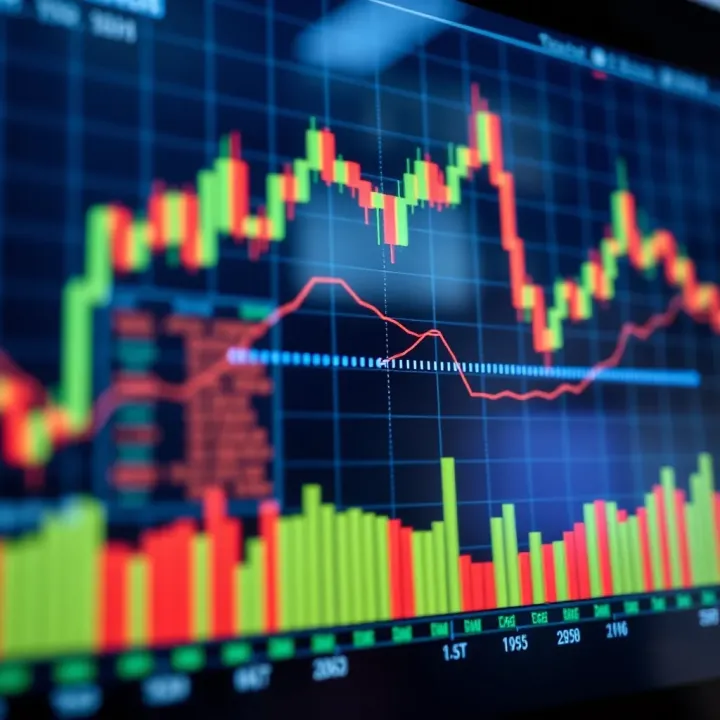
Volume is the unsung hero of chart reading. It shows the strength behind price moves. High volume during a price rise, for example, suggests confidence and that the move most likely has legs. Conversely, a price jump on low volume could be a suspect rally, lacking solid participation.
Consider the KSE-100 index. A day when the index moves upward with volume higher than average signals genuine buying interest. If volume is low, the move might be fleeting.
The link between price and volume reveals the market’s true mood. When price breaks above resistance on high volume, this breakout is usually reliable. But if volume remains muted, the breakout might fizzle out, like a firework that doesn't quite light up.
Similarly, volume spikes at support levels can indicate strong buying interest preventing further drops, while dwindling volumes during rallies may signal caution or potential reversal ahead.
To put it simply: always check if volume backs price changes—it's your early warning system to avoid traps.
Reading trade charts with an eye on these elements sharpens your trading edge. Using trends, support and resistance, alongside volume clues, gives you a more complete picture—not just guessing but trading with informed confidence.
Technical indicators are like the trader's toolbox; they help make sense of the often confusing price movements on trade charts. For traders in Pakistan and beyond, these indicators provide additional layers of insight beyond just price and volume, highlighting trends, potential turning points, and momentum shifts. Using technical indicators effectively turns raw chart data into actionable signals, enabling more informed buying and selling decisions.
Indicators are not one-size-fits-all; knowing which ones fit your trading style and market conditions is key. They’re especially helpful during volatile market phases, common in emerging markets like Pakistan's own stock exchanges, where quick judgment calls can mean the difference between profit and loss.
Moving averages smooth out price data by creating a constantly updated average price, helping traders filter out the 'noise' from random price swings. The simple moving average (SMA) takes an arithmetic mean of prices over a set period — say, 20 days — treating every price equally. On the other hand, the exponential moving average (EMA) gives more weight to recent prices, making it more sensitive to new information.
For example, if Pakistan's KSE-100 index has been rising steadily over 50 days, the 50-day SMA reflects that trend, but the 50-day EMA will react quicker when prices start to slip or surge. This makes EMAs more suitable for traders looking to catch early changes.
Traders often watch for moving averages crossing over to spot buy or sell signals. A common tactic is the ‘golden cross’ which happens when a short-term moving average (like the 20-day EMA) crosses above a longer-term average (say, the 50-day SMA), suggesting the price might continue rising. Conversely, a 'death cross' signals potential downward momentum when the short-term average crosses below the long-term one.
Another use is support and resistance: prices often bounce near these averages, providing clues on where to enter or exit trades. For instance, if a stock listed on Pakistan’s PSX repeatedly tests its 50-day SMA and bounces upward, that average acts as a support level.
The RSI gauges how fast and how far prices have moved recently, measuring momentum on a scale from 0 to 100. A rising RSI means buyers are in control, while a falling RSI shows sellers taking charge. Values around 50 suggest a balance between buyers and sellers.
For Pakistani traders, RSI is useful for spotting when a stock or index might be gearing up for a reversal. For example, a stock heavily favored during a bullish run might show an RSI climbing swiftly above 70.
An RSI above 70 typically hints that an asset is overbought — it's had a strong run and may be due for a pause or pullback. Below 30, it’s seen as oversold, implying prices might bounce back soon. This doesn’t mean you should jump in or out blindly; sometimes an asset stays overbought or oversold for a while, especially during strong trends common in emerging markets.
Always combine RSI signals with other indicators or chart patterns to confirm whether a reversal or continuation is likely, avoiding false alarms.
MACD, or Moving Average Convergence Divergence, tracks the relationship between two EMAs — typically the 12-day and 26-day. The difference between these EMAs forms the MACD line. A 9-day EMA of this line, called the signal line, helps trigger trading signals.
The MACD shows momentum and trend direction by highlighting when the shorter EMA outpaces or falls behind the longer EMA. When the two move closer (converge) or farther apart (diverge), it often signals shifts in momentum.
Traders look for MACD line crossovers of the signal line as potential buy or sell points. A crossover above the signal line can mean buy, whereas a crossover below signals a potential sell.
Divergences between MACD and price can also be telling. For example, if prices make new highs but MACD doesn’t, it may hint that bullish momentum is weakening — a sign traders in Pakistan must note before entering fresh long positions.
By combining MACD with volume analysis and support/resistance levels, traders can improve their decision-making accuracy and better time entries and exits.
Understanding and applying these indicators carefully can bring clarity to the chaos of market movements, letting traders turn hunches into data-driven choices. While no single indicator guarantees profits, their combined use offers a practical edge in navigating Pakistan’s dynamic trading environment.
Chart patterns are a trader's map to market psychology. They reflect the tug-of-war between buyers and sellers and help anticipate where prices might be headed next. Recognizing these patterns isn’t just about spotting shapes on a screen—it’s about reading the crowd’s mood and adjusting your strategy accordingly. Knowing common chart patterns helps avoid knee-jerk reactions and instead make informed decisions that fit your trading style.
The head and shoulders pattern is one of the clearest signals that a trend may be flipping its script. Picture three peaks, where the middle one—the “head”—stands taller than the other two “shoulders.” This pattern typically marks a topping phase where bullish momentum slows, and bears start taking control. For instance, after a steady climb in the Pakistan Stock Exchange, spotting a head and shoulders pattern could mean a sharp downturn is on the horizon.
What makes this pattern handy is its predictability. Traders often watch the “neckline,” a support level drawn under the shoulders. Once price breaks below it, that’s usually the cue to sell or short. Conversely, an inverse head and shoulders at the bottom end of a downtrend signals a bullish flip.
Double tops and bottoms act like market road signs signaling a possible turning point. A double top happens when price hits a resistance level twice but fails to break through, reflecting sellers stepping in hard. Imagine a stock like Pakistan’s OGDC bumping into a price ceiling repeatedly - the double top warns that buyers are tiring.
Similarly, double bottoms form when price dips to a support level twice and bounces up, showing buyer strength at that floor. This is an opportunity to get in early on a potential rally. The key here is volume confirmation; strong volume on the bounce up in a double bottom adds weight to the signal.
Flags and pennants are short pauses in price movement, like taking a breath before continuing the race. These patterns usually appear after a strong move, consolidating gains before the next sprint.
A flag looks like a small parallelogram slanting against the prevailing trend, while a pennant forms a small symmetrical triangle. For example, if a Pakistani tech stock soars on good earnings and then forms a flag, chances are it’ll continue its upward ride once the pattern breaks out.
What’s practical about flags and pennants is that they give entry points with defined risk: traders place stop-loss orders just outside the flag or pennant boundaries and ride the momentum once it resumes.
Triangles are mix-and-match patterns where price narrows between converging support and resistance lines. These indicate indecision but usually break in the trend’s favor. Three types exist:
Ascending triangle: Flat resistance, rising support, often bullish.
Descending triangle: Flat support, descending resistance, often bearish.
Symmetrical triangle: Converging trendlines, breakout direction uncertain.
Suppose a commodity like Pakistan’s oil prices are trading within an ascending triangle. Traders expect a breakout above resistance, judging by bullish volume spikes.
Triangle patterns especially shine because they come with clear breakout points. Combining this with volume spikes can filter out false signals and provide a higher probability setup.
Understanding these patterns lets you anticipate market turns and continuations better, boosting your timing and confidence. Always confirm patterns with volume and other indicators before jumping in.
By integrating these chart pattern insights, traders in Pakistan and elsewhere can move from guesswork to decisions rooted in clear market behavior.
Trade charts are more than just pretty pictures; they serve as a compass for traders trying to navigate the ever-shifting tides of the market. When you use trade charts for decision making, you’re essentially turning raw data into actionable insights. This approach helps cut through noise and emotional trading mistakes that many beginners fall into.
By closely observing price trends, volume shifts, and key technical indicators, traders can pinpoint better entry and exit points. For instance, a surge in volume combined with a breakout above resistance on a candlestick chart often signals a strong buying opportunity. Without this visual confirmation, traders might rely too heavily on guesswork or tips, which can be hit-or-miss.
Moreover, charts help identify risk areas, so traders can plan their stop losses properly and avoid unnecessary losses. Proper chart use can make a significant difference, especially in markets like Pakistan’s stock exchange, where local news and economic events can cause sharp spikes or drops.
Spotting the right time to enter a trade is part art, part science. Trade charts allow you to recognize price patterns and indicators suggesting a likely price move upward. For example, when the RSI drops below 30 and then starts climbing, it often suggests the asset is oversold and primed for a bounce. Pairing this with a candlestick reversal pattern, like a hammer, can increase confidence to pull the trigger.
A practical tip is to watch for breakouts above recent resistance levels confirmed by solid volume. Say, a stock on the Pakistan Stock Exchange breaks through a 3-month high with volume doubling the average—chances are this is not a false start.
Just as important as entering at the right time is knowing when to get out. Trade charts help you avoid the costly mistake of holding on too long to a losing trade or missing the peak.
Exit strategies could involve setting target prices based on previous resistance zones or using trailing stops to lock in profits as the price moves favorably. For example, if you bought shares of a company at PKR 100, and a chart shows a strong resistance level at PKR 120, planning to sell near that zone makes sense.
Charts can also signal when momentum fades. If the MACD line crosses below the signal line after a strong run-up, it might be a red flag to exit.
Stop-losses are a trader’s safety net, and placing them using charts greatly improves their effectiveness. A common method is to set stop-loss just below a recent support level. In practice, if a stock is trending upward but bounces off PKR 80 support, setting a stop-loss slightly below 80 (like 78 or 79) protects from sudden crashes while avoiding premature stop-outs.
This strategy minimizes wild swings knocking you out of good trades and controls losses if the market suddenly turns bearish. It’s a simple but powerful approach to preserving capital.
Adjusting how much money you put into a trade isn’t just about your overall capital; it should respond to what the chart tells you about risk and opportunity. If the chart shows a well-defined uptrend with strong volume and no major resistance nearby, you might feel comfortable taking a larger position.
Conversely, when the chart indicates high volatility, uncertain patterns, or proximity to tough resistance, it’s wise to reduce your stake. This helps avoid overexposure in risky trades — a key to long-term survival in the market.
In essence, good chart reading isn’t just about picking trades; it’s about managing your bets wisely.
Using trade charts efficiently combines strategy and risk control, turning guessing games into calculated decisions. Whether you’re trading on the Pakistan Stock Exchange or elsewhere, this skill is indispensable.
By focusing on these practical aspects of chart-based decision making, traders can sharpen their edge and navigate market ups and downs with more confidence and less stress.
Navigating trade charts effectively requires more than just knowing what's on the chart. For traders in Pakistan, understanding the local market nuances can make or break your strategy. This section offers practical advice tailored specifically to the Pakistani trading environment, so you can sharpen your skills with relevant insights.
Economic events in Pakistan often cause sudden jolts in the financial markets. Things like changes in the State Bank’s policy rate, major political announcements, or government budget releases can send prices swinging. For instance, when the Pakistani government announces its budget, certain sectors like textiles or energy might react strongly, which shows up clearly on your charts as sharp price moves or volume spikes.
Knowing when these events are scheduled helps you avoid getting caught off-guard. It’s practical to check a local financial calendar regularly and watch how past events shaped chart patterns—this historical context provides clues about potential market reactions.
The Pakistan Stock Exchange (PSX) runs from 9:30 AM to 3:30 PM local time with a break in between, so liquidity and volume can fluctuate during these hours. Typically, the first and last 30 minutes of the session see the highest trading volume.
Volume often confirms price moves: a strong price jump on low volume can be a false signal, so watching volume trends during trading hours helps you decide if the trend is genuine. For example, if you spot a breakout at 10 AM but volume is low, it’s prudent to wait for confirmation rather than jumping in immediately.
Pakistani traders often prefer platforms like MetaTrader 4, TradingView, and local brokers’ software such as PSX KE Trade or JS Global’s trading platform. TradingView stands out for its user-friendly interface and extensive library of technical indicators, which suits beginners and seasoned traders alike.
Choosing a platform that provides real-time data from PSX is important because laggy or delayed charts can lead to missed opportunities. For instance, if you’re trading on JS Global’s platform, you get up-to-date prices without delays, making it easier to act fast.
Mobile trading apps are increasingly popular in Pakistan, especially with apps like EasyTrade and HBL Konnect making trading accessible on the go. They’re handy for quick checks or managing open positions but can be limiting for deep technical analysis.
Desktop platforms, on the other hand, offer larger screens, multi-chart views, and advanced tools that make analyzing complex patterns easier. For example, spotting a subtle head and shoulders pattern or watching multiple moving averages lining up is simpler on a desktop.
It’s a smart approach to use desktop setups for your detailed chart work, then switch to mobile for monitoring trades throughout the day. This way, you don’t miss out on important moves while away from your desk.
Tip: Keep your charting tools updated and take advantage of features like alert notifications for key price levels. This helps you stay on top of evolving market conditions without staring at your screen all day.
Many traders get caught up in the technical details of trade charts, yet overlook some common pitfalls that can lead to poor decisions. Knowing these mistakes is just as important as understanding the charts themselves. For traders in Pakistan and beyond, avoiding these errors can save not only money but also time and stress.
Relying on just one indicator is like trying to read a novel from a single page—it gives you a limited and often misleading story. For example, the Relative Strength Index (RSI) might signal an overbought condition, prompting a sale. But if the broader market trend or volume indicators suggest strength, acting solely on RSI could mean missing out on gains or jumping the gun.
Successful traders combine signals from multiple indicators, like pairing moving averages with MACD or volume analysis. This blend offers a clearer picture and reduces the chance of acting on an outlier signal. Think of it as cross-checking your facts before making a big decision.
False signals happen when an indicator wrongly suggests a trade. For instance, a sudden price spike on low volume might create a buy signal, but that could easily be a one-off event without real momentum behind it. Without cross-verifying against other indicators, such as volume or trend strength, a trader might get caught in a trap.
A practical tip: use confirmatory indicators before executing any trade. If your candlestick pattern suggests a reversal, see if moving averages or volume also support that move. If not, it might be wise to wait and watch instead of jumping in.
Ignoring the bigger market picture is a classic error. Even if your chosen stock’s chart looks promising, if the entire market or sector is in a downtrend, the odds are against a successful trade. For example, during a market downturn, many stocks will struggle, no matter how strong their individual fundamentals appear on the chart.
Keep an eye on key indexes like the KSE-100 in Pakistan or global indexes depending on your focus. Aligning your trades with the general market trend improves your chances of success. If the market is heading south, it's better to be cautious, even when charts seem favorable.
Charts don’t live in a bubble. Political decisions, economic policies, or unexpected events like currency fluctuations can move markets wildly, unrelated to chart patterns. For example, government announcements about import tariffs or foreign investment policies in Pakistan can suddenly affect stock prices.
Ignoring such external factors can lead to surprises. Always check for relevant headlines alongside your chart analysis. Sometimes it pays to hold off on trading until the market digests the news. Staying updated and integrating this awareness provides a fuller understanding that pure technicals alone can’t offer.
Trading charts are powerful, but they’re not crystal balls. Combining multiple tools and staying aware of the market landscape keeps you out of trouble and sharply improves your trading edge.
In summary, avoid relying on a single indicator, always confirm signals with other tools, and take the broad market and news into account. This approach will help you steer clear of typical mistakes and make smarter, more informed trading decisions.
Getting good at reading trade charts isn’t something you master overnight. It takes consistent practice, a willingness to learn from mistakes, and tools that let you test your decisions without risking your hard-earned money. This section digs into practical ways traders in Pakistan—whether beginners or seasoned pros—can sharpen their skills to better spot trends, avoid traps, and improve overall decision-making.
Paper trading, also called simulated trading, is like a flight simulator but for market moves. Instead of throwing real money at stocks or forex, you use a practice account to try out strategies in real time without any financial risk. This offers a safe playground to understand how charts work when real-world events shake the market.
Benefits of simulated trading include:
Risk-free learning: You can test new techniques, like spotting breakouts or using moving averages, without losing cash.
Timing practice: Knowing when to enter or exit a trade is half the battle; simulation helps build this sense of timing.
Emotional control: Trading can spin your nerves; practicing with simulated trades helps you handle pressure calmly.
For example, a Pakistani trader might use platforms such as MetaTrader 5 or TradingView’s demo accounts to simulate trades on local stocks or forex pairs. Trying different strategies with these platforms lets traders see how chart patterns play out before committing real capital.
Tracking and reviewing trades is just as important as placing them. After each simulation session, jot down what worked, what went sideways, and why. Keeping a trade journal helps you spot recurring mistakes—maybe you rush into trades without enough confirmation or ignore volume indicators.
Make it a habit to:
Record entry and exit points
Note the reasons behind each trade decision
Analyze profitable versus losing trades to refine your approach
Doing this regularly helps you build a personalized, adaptive system fine-tuned for the Pakistani markets.
Improving in chart reading is an ongoing journey. Resources like books and courses give structure and fresh perspectives that self-taught methods sometimes miss.
Recommended books and courses provide foundational knowledge and expose you to a variety of charting techniques and trading philosophies. Titles like "Technical Analysis of the Financial Markets" by John J. Murphy and "Japanese Candlestick Charting Techniques" by Steve Nison are classics recommended worldwide. For courses, platforms like Udemy and Coursera offer convenient lessons on chart reading that you can take at your own pace.
Such materials break down complicated concepts into digestible chunks. They often include practical exercises and real-world examples—which Pakistani traders can relate to by focusing on local market nuances such as the Pakistan Stock Exchange hours and volatility.
Following market analysts also plays a crucial role in keeping your knowledge fresh and market-aware. Listening to analysts from reputable financial news outlets or local experts who understand Pakistan’s economic factors helps you grasp how macro events influence charts.
Social media has some good analysts on Twitter or LinkedIn, but be careful—always verify their track records. Choose analysts who clearly explain their reasoning behind chart calls, rather than just dropping hot tips.
Continuous learning and keen observation help traders avoid becoming stuck in old habits. The market evolves, so should your skills.
Integrating simulation practice with continuous education lets you develop a balanced, confident approach to chart reading. This way, when the next big move hits the Pakistan Stock Exchange or the forex market, you’re ready to read the signs right and trade smartly.
📈 Explore how to read different trading charts and use key indicators effectively in various markets. Avoid common mistakes to refine your trading strategy.
📈 Discover how to use TradingView charts in Pakistan! Learn chart types, technical indicators, alerts, and broker integration for smarter trading decisions.
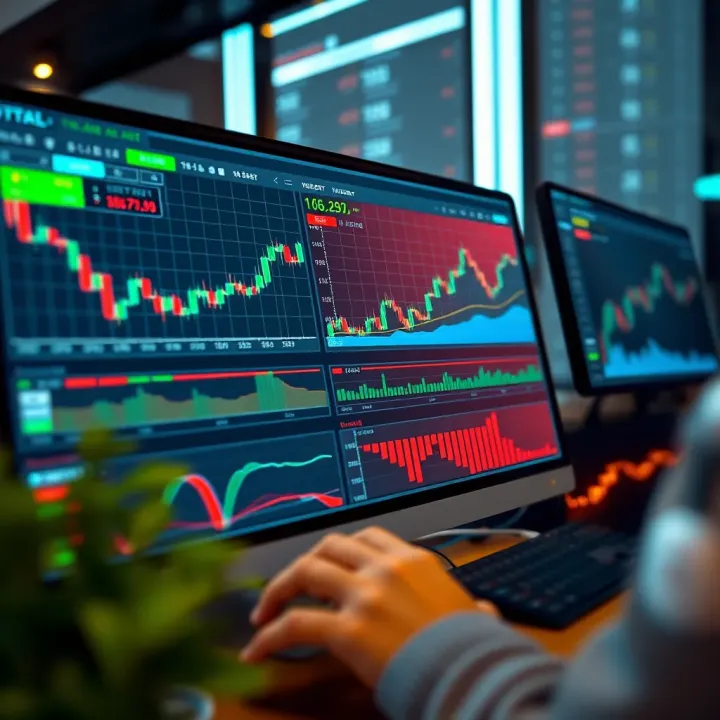
Discover trade view basics 📊, analysis tools 🛠️, and key insights for Pakistan traders 🇵🇰. Understand benefits and challenges before you trade.
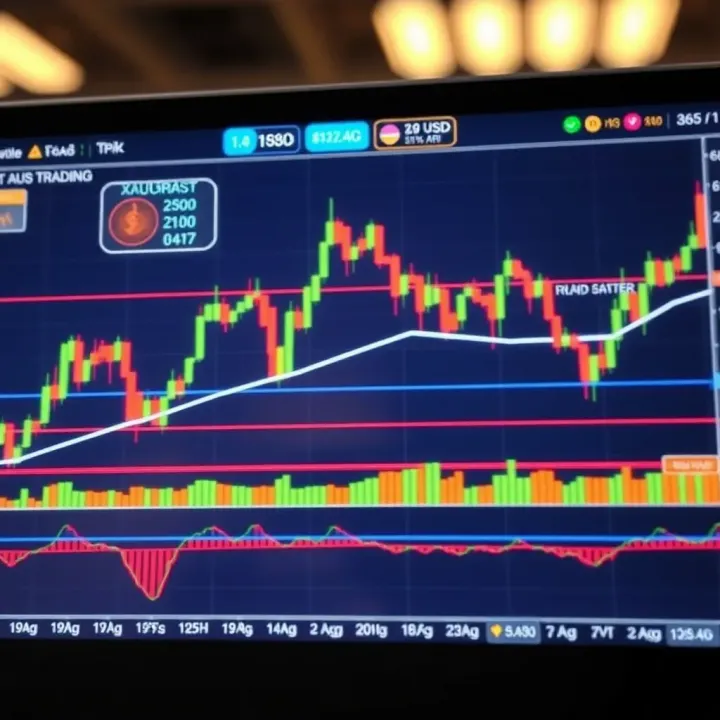
🔍 Discover how to read XAUUSD signals for smarter gold and USD trades. Learn signal types, tools, and avoid risks with clear tips for Pakistani traders.
Based on 11 reviews