

Trading CFDs Explained: A Practical Guide
Learn how to trade CFDs confidently with this detailed guide covering strategies, risks, and tips tailored for traders in Pakistan 🇵🇰📈💡
Edited By
James Robertson
Contracts for Difference (CFDs) offer a flexible way for traders in Pakistan to speculate on price changes in various assets without owning the actual asset. Whether it’s stocks listed on the Pakistan Stock Exchange (PSX), commodities like oil and gold, or international currencies, CFDs let you take positions on their price movements directly. This can be a useful tool to diversify portfolios or take advantage of market volatility.
What sets CFDs apart is that you only deal with the difference in the asset’s price from when you open the contract to when you close it. For example, if you believe the price of a PSX-listed company's shares will rise, you can buy a CFD on that stock. Should the price go up, you earn the difference, but if it falls, you face a loss equal to that difference. This mechanism provides leveraged exposure — meaning you can control a larger value than your actual investment, but it also increases risk.
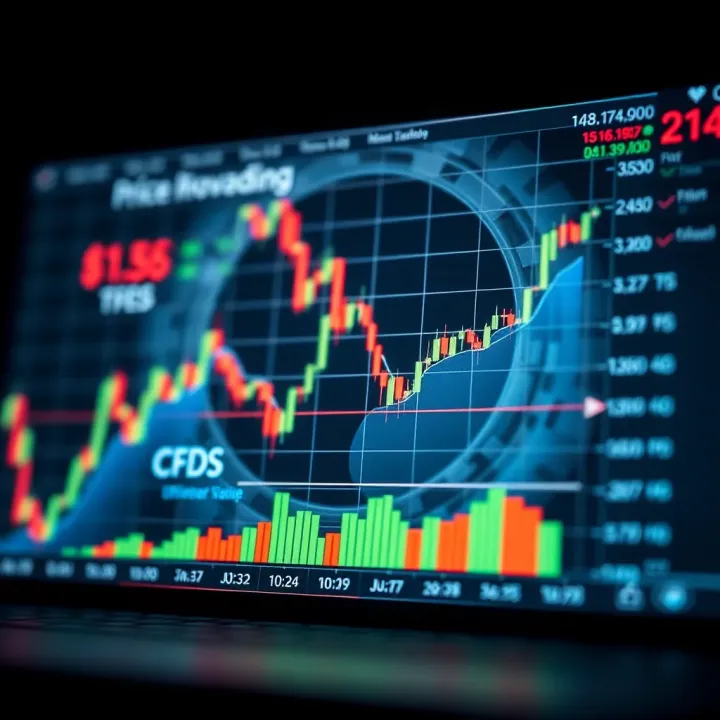
CFDs allow profit opportunities from both rising and falling markets, but they require careful risk management due to leverage.
This trading style suits those who want quick entry and exit options without long-term holding or ownership complications like dividends or voting rights. Also, since CFDs are traded through brokers rather than directly on exchanges, you can access various markets including international ones, even with limited capital.
However, it’s important to understand the local regulatory environment. The Securities and Exchange Commission of Pakistan (SECP) has specific rules regarding CFDs to protect investors from potential misuse and excessive risk. Awareness of these regulations helps traders stay compliant and avoid pitfalls.
In summary, CFDs offer an alternative investment route for Pakistani traders and investors looking to capitalise on short-term price movements across different markets. But before jumping in, one should grasp how CFDs operate, their benefits, and their risks, especially given the leverage involved. The following sections break down these aspects with practical examples, so you can make informed decisions.
Contracts for Difference (CFDs) offer a straightforward way for investors to speculate on price movements of various assets without owning them outright. This is especially relevant in Pakistan, where direct access to international markets can sometimes be limited or costly. CFDs allow traders to benefit from both rising and falling markets, providing flexibility that traditional ownership does not.
CFDs essentially let you agree to exchange the difference in an asset’s price from the time you open the contract to when you close it. If the price moves in your favour, you make a profit; if it moves against you, you suffer a loss.
A CFD is a financial contract between the trader and broker, tracking the price changes of an underlying asset such as stocks, commodities, or currencies. Unlike buying the actual asset, you don’t take physical or legal ownership. Instead, you speculate on price changes by opening a position, which you later close to settle the net gain or loss.
For instance, if you think the price of Pakistani oil company shares will rise, you open a long CFD position. When the price increases, you sell the contract and the broker pays you the difference. Conversely, if you expect prices to fall, you can open a short position, profiting as the price drops.
Owning physical assets means you hold the actual shares, commodities, or currency, with associated rights like dividends or voting (in case of stocks). CFDs do not grant these rights since no ownership changes hands. This means no entitlement to dividends or company meetings, but also no hassle of transfer fees or paperwork.
Additionally, physical ownership usually requires more capital and has less flexibility. For example, buying a lot of shares on Pakistan Stock Exchange (PSX) may need significant funds, whereas CFDs allow trading smaller amounts with leverage, meaning you can control a larger position with less money. This makes CFDs accessible but also riskier.
Pakistani traders can use CFDs to speculate on shares of companies listed on PSX or foreign firms, bypassing the need to open international brokerage accounts. Indices such as KSE-100 or global indices like the S&P 500 can also be traded via CFDs, offering exposure to overall market movements without picking individual stocks.
This flexibility suits investors who want to benefit from market trends quickly without physically holding shares or dealing with settlement delays common in traditional stock trading.
Forex CFDs allow traders to speculate on fluctuations between currency pairs like USD/PKR, EUR/USD, or GBP/PKR. In Pakistan, forex trading through authorised brokers is common, and CFDs extend this by letting traders take positions on currency movements without exchanging actual money.
This is attractive because forex markets operate 24/5, giving continuous trading opportunities. For example, if you expect the rupee to weaken against the dollar, you can open a short USD/PKR CFD and profit if the exchange rate moves accordingly.
CFDs also cover commodities such as gold, crude oil, and natural gas, which are important for Pakistani traders following global resource prices. Gold CFDs are popular since gold holds cultural and investment importance in Pakistan, offering a way to speculate without storing physical gold.
Crude oil CFDs provide access to oil price movements affecting the country’s economy, especially in times of volatile energy markets. Trading these via CFDs avoids the complexities of futures contracts or physical delivery.
Pakistani investors often look at cryptocurrencies like Bitcoin, Ethereum, and others. CFD trading on these digital assets lets traders profit from price swings without owning actual coins, bypassing wallet security concerns and regulations that restrict crypto transactions.
This method is convenient but requires caution, as crypto markets are highly volatile. CFDs allow short and leveraged positions, amplifying gains and losses alike.
CFDs provide a practical and flexible way for Pakistani investors to engage with diverse markets beyond local limitations. Understanding their core mechanisms and asset types traded helps you decide if CFDs fit your trading style effectively.
Understanding how CFD trading works in real life is essential for anyone considering this as an investment option. Unlike buying shares in a company, CFDs let you speculate on price changes without owning the actual asset. This flexibility can lead to quick profits but also means traders need to be alert about their positions and market movements.
When you open a CFD position, you can either "go long" or "go short." Going long means you expect the asset price to rise. For example, if a Pakistani trader buys a CFD for the KSE-100 index at 40,000 points, hoping it will climb to 41,000, they profit if the index moves upward. Conversely, going short is betting on a price fall. Suppose the trader believes that the price of oil will drop due to lower demand; they can sell a CFD to gain from this decline. This ability to profit from both upward and downward price swings distinguishes CFDs from traditional buy-and-hold investments.
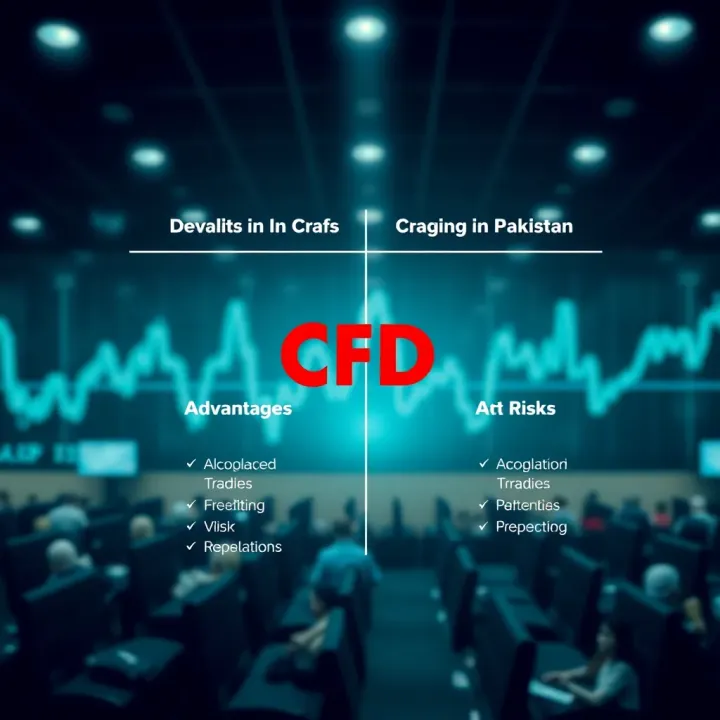
CFD trading requires only a margin payment—a fraction of the total trade value—which allows leveraging your position. For instance, with 10% margin, owning a CFD worth Rs 1 lakh would need only Rs 10,000 upfront. Leverage amplifies potential gains but also increases losses. If the market moves against you by 5%, your loss is magnified on the full trade size, not just the margin. That's why Pakistani traders should manage their leverage carefully, as excessive risk can wipe out capital quickly.
The fundamental idea behind CFDs is that your profit or loss depends directly on how the asset price fluctuates during your trade. Every point movement in price affects your returns based on the size of your contract. For example, if you hold a CFD on a stock like Pakistan Petroleum Limited (PPL) and the price moves from Rs 100 to Rs 105, a 5% increase means a proportional gain on your position size. The same applies if prices drop—you would face a loss proportional to the movement.
Imagine you go long on a CFD for 1,000 shares of a company at Rs 200 each, with 10% margin. You pay Rs 20,000 upfront (10% of Rs 200,000). If the price rises to Rs 220, your profit is Rs 20 per share, totaling Rs 20,000, effectively doubling your initial margin. However, if the price falls to Rs 180, your loss is Rs 20,000, wiping out your margin investment. This example shows how leverage can magnify both gains and losses rapidly, underlining the importance of cautious trade management and stop-loss strategies.
Margin trading with CFDs offers opportunities but requires strict risk control to avoid quick and substantial losses.
In short, opening/closing positions, understanding leverage, and managing price fluctuation impacts are key practical steps in successful CFD trading. Pakistani investors should always trade with awareness of these factors to protect their capital while seeking to benefit from market movements.
When considering trading Contracts for Difference (CFDs) in Pakistan, understanding both the upsides and the risks is vital. CFDs offer several practical benefits, especially for traders with limited capital or those wanting exposure to international markets. However, the risks involved, like leverage dangers and regulatory issues, demand careful attention to avoid costly mistakes.
CFDs allow Pakistani traders to speculate on price movements in international stocks, commodities, indices, and forex without physically owning those assets. For example, a trader in Karachi can take a position on the NYSE or London Stock Exchange through CFDs offered by brokers, without going through complex overseas account setups. This access provides diversity and opportunity usually not available through local markets, which can be slower or limited in scope.
One appealing feature is that CFDs typically require much less money upfront compared to buying actual stocks or commodities. Due to margin trading, you might control a position worth Rs 1 million with just Rs 50,000. This lower capital barrier opens doors for many retail investors in Pakistan who want to enter the market without locking in large sums. It also means traders can spread small amounts across multiple assets, reducing concentration risk.
CFDs offer the flexibility to both buy (go long) and sell (go short) easily, enabling traders to potentially profit in both rising and falling markets. This is handy in Pakistan’s often volatile economic environment, where market conditions can change rapidly due to political or global factors. Moreover, the ability to close positions quickly without physical settlement leads to efficient trading adapted to market conditions.
While leverage amplifies gains, it also magnifies losses, sometimes beyond the initial investment. A small adverse move in the price can quickly erode your deposit. For instance, if a trader in Lahore takes a Rs 100,000 leveraged position and the market moves 5% against them, they could lose Rs 5,000 or more depending on the leverage ratio. Without sound risk management, this could wipe out the account rapidly.
CFDs are over-the-counter products; your profit or loss depends on the broker’s solvency and reliability. Choosing an unreliable or unregulated broker can expose you to fraud or unfair practices. For Pakistani traders, verifying broker licences from international authorities or preferring brokers regulated by the Securities and Exchange Commission of Pakistan (SECP) can reduce this risk. Technical outages or platform glitches can also disrupt trades, causing losses or missed opportunities.
Currently, CFDs fall in a grey area under Pakistani law. The SECP has not explicitly regulated CFDs as securities or derivatives, which means traders face some legal uncertainty. This regulatory gap affects consumer protection, dispute resolution, and taxation clarity. Traders should keep track of SECP announcements and exercise caution by trading only through brokers compliant with local standards or internationally-recognised platforms.
Understanding the balance between the benefits and inherent risks of CFDs is essential. This helps investors set realistic expectations and safeguards their capital against avoidable pitfalls.
In summary, CFDs present a practical avenue for many Pakistani traders to enter global markets with relatively low capital and trading flexibility. Still, leverage risks, counterparty concerns, and regulatory ambiguity require a careful, informed approach before diving in.
Understanding popular trading strategies is essential for anyone stepping into the CFD market in Pakistan. These strategies help tailor trades according to individual risk appetite, investment horizon, and market conditions. Whether you prefer quick gains or long-term growth, having a clear approach with Contracts for Difference improves chances of success and risk management.
Day trading involves opening and closing positions within the same trading day. This strategy suits traders who want to avoid overnight market risks and benefit from intraday price movements. For example, a trader might buy CFDs on Karachi Stock Exchange shares in the morning and sell them before the market closes, aiming to profit from daily volatility. It requires constant monitoring of the markets and quick decision-making, but it allows for limited exposure to sudden overnight shifts such as geopolitical news or economic data releases.
Scalping is an even faster-paced method focusing on tiny price movements, often lasting seconds to minutes. Scalpers make multiple trades daily to accumulate small profits repeatedly. This strategy demands discipline and access to reliable CFD platforms with low spreads and fast execution times. A forex scalper trading PKR/USD pairs might enter and exit trades dozens of times a day, capitalising on short-lived price fluctuations with tight stop-loss orders. Scalping can be intense but effective for those who can stay alert and react instantly.
Position trading takes a wider time frame, holding CFDs for weeks or months based on fundamental and technical analysis. Investors who prefer less frequent trading but want to benefit from larger price trends find this useful. For instance, a Pakistani trader optimistic about the steel sector might open a long CFD position on a global steel index, anticipating price gains over several months due to infrastructure projects and CPEC developments. Position trading allows time to weather short-term volatility.
Using CFDs to hedge existing portfolios offers a practical way to protect investments from adverse price changes. Suppose you hold shares of a major bank listed on PSX but expect short-term market downturns due to political uncertainty. Opening a short CFD position on the same stock or index can offset potential losses, acting as insurance without selling your original holdings. This approach helps manage risk while keeping your core investments intact.
Mastering these strategies lets Pakistani traders adapt to different market phases and personal goals, making CFDs a flexible tool both for speculation and risk management.
Understanding the regulatory environment for Contracts for Difference (CFDs) in Pakistan is essential for any trader or investor looking to engage in this high-risk, high-reward trading style. The rules set by Pakistani authorities, mainly the Securities and Exchange Commission of Pakistan (SECP), determine what is allowed, which safeguards are in place, and how to avoid potential legal pitfalls.
The SECP currently does not explicitly regulate CFDs as traditional securities or derivatives. CFDis are considered complex financial instruments, and their legal status remains somewhat uncertain in the local market. For example, most Pakistani exchanges do not list CFDs, and SECP guidelines focus more on conventional equities and commodities trading. This means that while CFDs are not banned outright, their operation happens mostly through international or unregulated platforms targeting Pakistani traders.
This lack of clarity puts responsibility on individual investors to ensure they understand the risks and legal implications. Traders should be cautious about participating in CFD trading on platforms without proper authorization or presence in Pakistan, as recourse for disputes may be limited.
Local brokers regulated by SECP usually do not offer CFDs due to these regulatory gaps. Instead, they focus on traditional stock and commodity markets. Using CFD trading through international brokers, while common, may expose traders to risk if the broker is not licensed or monitored by Pakistani authorities. For instance, leverage limits, client protection measures, and transparency requirements under SECP regulations generally do not extend to foreign CFD providers.
That said, there is no specific law forbidding Pakistani residents from trading CFDs abroad. However, such activities are considered speculative and may not enjoy investor protection under Pakistani consumer laws. This means traders must verify the legal coverage and risk disclosures before engaging in CFD trading through any broker.
Before opening a CFD account, Pakistani traders must check the broker's licensing status. Trustworthy brokers are licensed by reputable regulators like the Financial Conduct Authority (FCA) in the UK or the Australian Securities and Investments Commission (ASIC). Such regulation ensures minimum standards for client fund protection and transparent operations.
Without proper licensing, a broker could be operating without oversight, increasing the risk of fraud or unfair practices. Pakistani traders should also confirm if the broker complies with Anti-Money Laundering (AML) and Know Your Customer (KYC) rules to safeguard accounts.
Currently, no SECP-licensed broker offers CFDs domestically due to regulatory restrictions. Therefore, most Pakistani traders use international brokers. International brokers come with advantages like better technology, access to global markets, and regulatory oversight from established jurisdictions.
However, trading through international brokers may complicate dispute resolution. Local brokers provide easier communication and familiarity with domestic laws but usually lack CFDs offerings. Hence, traders must balance accessibility against regulatory safeguards and consider brokers with strong international reputations and transparent fee structures.
Always prioritise regulated brokers and verify their credentials before committing funds to CFDs trading. This approach reduces risks associated with counterparty reliability and legal uncertainties in Pakistan.
By understanding Pakistan's regulatory framework and carefully selecting brokers, traders can navigate the CFD market with better confidence and protect their investments from unnecessary risk.
Comparing Contracts for Difference (CFDs) with other investment options helps Pakistani traders understand where CFDs fit in their portfolio and which tool suits their goals best. Since CFDs offer a different approach from traditional stocks, futures, or options, looking at ownership, risk, contract features, and market accessibility gives a clearer picture.
When you buy stocks in Pakistan, you gain ownership of a portion of the company. This ownership usually comes with voting rights and dividends if the company declares any. For example, if you own shares in a company listed on the Pakistan Stock Exchange (PSX), you might receive dividend payments in cash or bonus shares. CFDs, however, are different — you never own the actual asset. Instead, you speculate on price movements. This means you are not entitled to dividends or voting rights directly through CFDs.
This difference is crucial for investors focusing on income through dividends or those interested in long-term company involvement. On the other hand, CFDs provide flexibility to profit from both upward and downward price moves without holding stock.
Stock investments in Pakistan generally carry market risk aligned with the company’s performance. While you face losses if the stock price drops, your risk is limited to the investment amount. In contrast, CFDs offer high leverage, allowing traders to open larger positions with smaller capital. Although this can boost profits, it also exposes traders to losses exceeding their initial margin if the market moves against them.
For example, trading Rs 100,000 worth of CFD positions with 10x leverage means controlling Rs 1 million in assets. Even a small 5% price decrease may wipe significant capital. So, CFD trading tends to be riskier and demands strict risk management compared to traditional stock investments.
Futures and options are standardised contracts traded on exchanges often with expiry dates and specific conditions. Futures obligate the buyer to purchase or sell an asset at a set price on a future date, while options provide the right but not the obligation.
CFDs differ since they are over-the-counter contracts without expiry dates. They allow traders to open or close positions anytime, providing more flexibility. The ease of going long or short on CFDs without the obligation to buy or sell physical assets makes them attractive for traders seeking agility.
Accessing futures and options markets in Pakistan involves higher capital, more formalities, and sometimes regulatory hurdles as these markets are not as liquid compared to stocks. CFDs, offered by various international and local brokers, give access to a wider range of global assets, including commodities and indices, with relatively low capital requirements.
This accessibility allows Pakistani traders, even beginners, to enter markets otherwise out of reach due to size or complexity. Plus, CFDs platforms often provide user-friendly interfaces with real-time data, making market entry smoother compared to traditional futures or options trading.
Understanding these differences aids in selecting investment products that match your risk tolerance, capital availability, and trading style. CFDs stand out as flexible and accessible but come with higher risk, while stocks, futures, and options each serve specific investment or hedging purposes.
By weighing these aspects carefully, investors in Pakistan can build a well-informed strategy tailored to their financial goals and market understanding.
Learn how to trade CFDs confidently with this detailed guide covering strategies, risks, and tips tailored for traders in Pakistan 🇵🇰📈💡
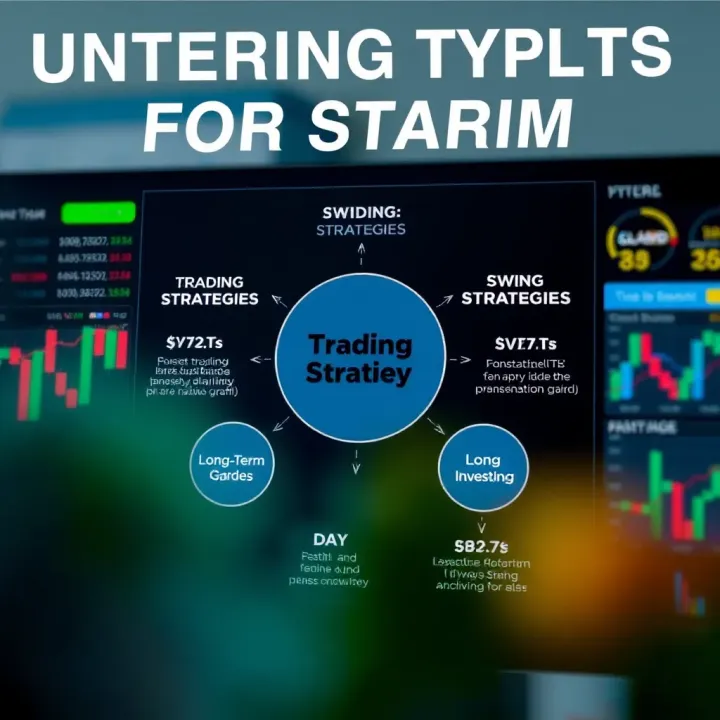
Explore trading basics, types, and strategies tailored for Pakistan. Learn about tools, platforms, risks, and tips to trade smartly and confidently 📈💡
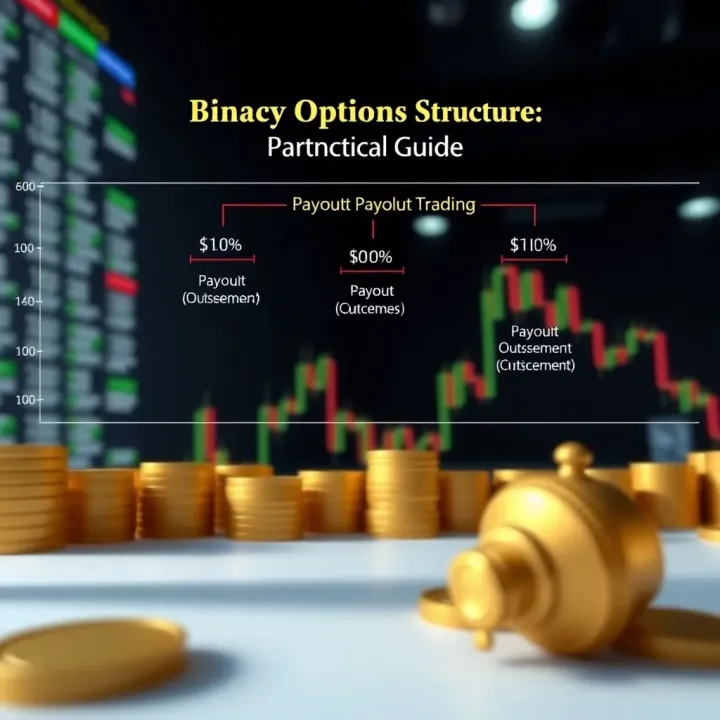
📊 Learn binary options trading basics, risks, payout structures, and smart tips for Pakistan traders. Stay informed and trade wisely! 💡

📊 Explore binary trade basics, strategies, risks & regulations in Pakistan. Get practical tips to navigate this trading method confidently and safely.
Based on 14 reviews