
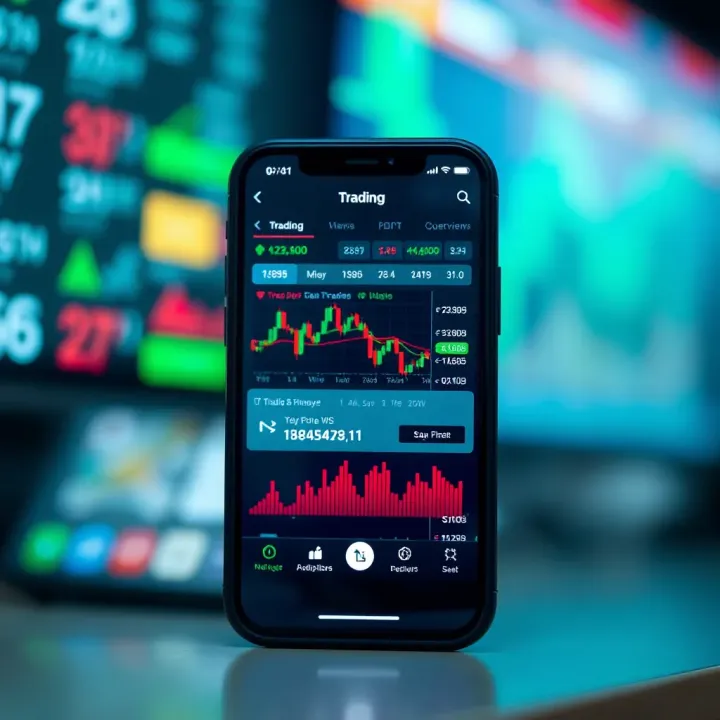
Understanding Trading Apps for Pakistani Investors
📱 Discover how trading apps work in Pakistan 🇵🇰, explore their features, risks, and benefits, and get smart tips to trade safely and confidently.
Edited By
Amelia Cooper
Cryptocurrency trading has grown from a niche interest to a mainstream financial activity worldwide, including Pakistan. Many investors are drawn by the promise of high returns and the flexibility of 24/7 markets. However, crypto trading is quite different from traditional stock trading, and understanding its mechanisms is key to navigating this complex environment safely.
At its core, crypto trading involves buying and selling digital currencies like Bitcoin, Ethereum, or emerging coins using online platforms known as exchanges. Unlike shares listed on the Pakistan Stock Exchange (PSX), cryptocurrencies operate on blockchain technology—a decentralised digital ledger—that ensures transparency and security.

Pakistani investors must recognise the distinct challenges in crypto markets, including intense volatility and regulatory uncertainty. For example, prices may swing by double-digit percentages within hours, making timing and strategy crucial. This volatility also means holding cryptocurrencies as a long-term asset can be risky if market conditions shift abruptly.
Several popular platforms serve Pakistani traders, such as Binance, Coinbase, and local peer-to-peer options. These platforms provide tools like spot trading, futures contracts, and margin trading, each carrying different risk levels. Beginners should start with spot trading where one buys and sells actual coins without leverage.
Legal status remains an evolving area in Pakistan. While the State Bank of Pakistan (SBP) has not officially allowed cryptocurrencies as legal tender, many Pakistanis still engage in trading through overseas platforms or informal channels. Due caution is necessary to ensure compliance with all relevant financial regulations and avoid scams.
Successful crypto trading depends on thorough research, risk awareness, and disciplined strategy execution. Blind enthusiasm may lead to significant losses.
Here’s a quick checklist for getting started:
Understand basic blockchain and how cryptocurrencies work
Choose a reputable exchange that accepts Pakistani customers
Secure your digital wallet with strong passwords and two-factor authentication
Start with a small investment you can afford to lose
Stay updated on crypto news and local regulatory changes
This guide will help you get a clear view of the cryptocurrency trading landscape tailored specifically for Pakistan’s financial and legal context. Whether you are a seasoned investor or a beginner, this knowledge will aid you in making informed decisions.
Cryptocurrency trading has become more than just a trend; it’s a growing avenue for investment in Pakistan. Getting a solid grip on its basics helps you navigate a market known for sudden swings and complex technology. This section sets the foundation, explaining what cryptocurrencies are, how trading works, and why it matters particularly for Pakistani investors.
At its core, a cryptocurrency is a digital or virtual form of money. Unlike your typical rupee notes, it isn't printed or minted by any government. Instead, cryptocurrencies function on computer networks secured by cryptography, which essentially makes transactions safe and nearly impossible to tamper with. This digital nature means you can send or receive cryptocurrency anywhere in the world within minutes.
In Pakistan, popular cryptocurrencies include Bitcoin (BTC), Ethereum (ETH), and Tether (USDT). Bitcoin is often considered a digital gold, a store of value, while Ethereum has more applications as it allows for smart contracts and decentralised apps. Tether, a stablecoin, maintains a fixed value relative to the US dollar, offering a less volatile option compared to other coins.
Blockchain technology is the backbone of all these digital currencies. Think of blockchain as a public ledger recording every transaction in a secure and transparent way. For Pakistanis, this assures that once a transaction is confirmed, it cannot be reversed or altered without consensus, discouraging fraud. Understanding this helps grasp why cryptocurrencies hold value despite lacking a physical form.
Trading crypto involves buying digital coins or tokens on exchanges with the hope that their value will rise. Selling them when prices are favourable is how traders aim to profit. For example, a trader buying Bitcoin at Rs 3 million and selling it at Rs 3.5 million makes a clear profit.
There are different trading types to consider:
Spot trading: Buying or selling coins for immediate settlement.
Margin trading: Borrowing money to trade larger volumes, which can amplify gains but also losses.
Futures trading: Agreeing to buy or sell crypto at a future date for a set price, which can be helpful for hedging risks.
Prices are determined by supply and demand on exchanges. If many people want Bitcoin today, its price rises; if sellers outnumber buyers, the price falls. Market news, global events, and even social media buzz can influence these price movements quickly, reflecting a dynamic market environment.
The volatile nature of crypto means understanding these basics is vital before jumping in. For Pakistani investors especially, knowing the market’s mechanics can make trading safer and more rewarding.
Cryptocurrency exchanges form the backbone of any trading activity. For Pakistani traders, choosing the right platform is essential to ensure smooth transactions, access to desired coins, and secure handling of assets. Local regulations, ease of use, payment integration, and market depth all affect the choice. This section discusses the most popular options available both internationally and within Pakistan, highlighting their practical benefits and challenges.
Binance remains the largest global crypto exchange and a popular choice among Pakistani traders. It offers a vast range of digital assets, from mainstream coins like Bitcoin and Ethereum to smaller altcoins. Its advanced trading tools include spot trading, futures, and margin options. One key attraction for Pakistani users is Binance's peer-to-peer (P2P) platform, which supports PKR transactions through local payment systems. This greatly simplifies buying and selling without needing direct bank transfers abroad.
Binance also emphasises security with measures like two-factor authentication (2FA) and withdrawal whitelist. Its mobile app suits users who need to trade on the go, which is handy given Pakistan's growing smartphone usage. However, novice traders should be cautious with leveraged products Binance offers, as risks can multiply rapidly.
Coinbase is known for its user-friendly interface, making it ideal for beginners. While it does not support direct PKR deposits, Pakistani investors can use debit or credit cards linked to foreign accounts to purchase cryptocurrencies. Coinbase offers insured custodial wallets and regular regulatory compliance updates, providing peace of mind for investors wary of security risks.
The platform offers fewer cryptocurrencies compared to Binance but focuses on reliability and regulatory adherence. For educational purposes, Coinbase includes tutorials and market insights that help new traders understand volatility and risk. However, higher fees and limited payment options mean its popularity in Pakistan is somewhat lower.
Kraken, Huobi, and KuCoin also attract Pakistani users. Kraken offers strong security and fiat on-ramps for multiple currencies. Huobi provides extensive coin listings and P2P trading similar to Binance. KuCoin is known for its innovative products like staking and lending, which appeal to seasoned traders wanting passive income.
Each platform has varying verification levels, fee structures, and customer support quality. Traders should assess these factors alongside payment convenience and liquidity to pick the exchange that aligns with their goals.
Easypaisa and JazzCash, two leading mobile wallet services in Pakistan, have become important conduits for crypto trading. Pakistani traders can use these wallets within P2P exchanges to deposit and withdraw PKR when buying or selling cryptocurrencies. This setup bypasses the challenges posed by banking restrictions on crypto transactions.

Using Easypaisa and JazzCash provides quick, low-cost fund transfers, making it easier for everyday investors to enter the market. However, users must ensure the counterparty is trustworthy to avoid scams, as these wallets themselves do not directly offer crypto trading but serve as payment gateways.
Several P2P platforms have emerged that specifically cater to Pakistani users. These platforms enable direct trades between buyers and sellers in PKR, often allowing payments through bank transfers, Easypaisa, or JazzCash. Paxful and LocalBitcoins are popular international P2P platforms widely used in Pakistan.
P2P trading offers flexibility and access to cryptocurrencies without formal exchange onboarding. However, the lack of regulatory oversight means users must exercise caution, verify counterparties, and use escrow services provided by platforms to minimise fraud risk.
Despite advancements, depositing and withdrawing PKR on crypto platforms remains problematic. Pakistani banks do not officially support crypto trading payments, leading to frequent account freezes or transaction reversals. This restricts liquidity and makes on/off ramping slow and risky.
Traders often rely on informal channels or layered transactions involving P2P platforms and mobile wallets. This can incur additional costs and expose investors to compliance risks amidst evolving regulatory scrutiny. Hence, understanding local restrictions and using trusted intermediaries is crucial to navigate PKR flow safely.
Access to reliable, secure exchanges and payment methods directly impacts the success and safety of Pakistani crypto investors. Weighing pros and cons carefully can prevent losses and streamline trading experience.
Success in cryptocurrency trading isn't just about picking a winner; it requires practical strategies to manage risk and make informed decisions. For Pakistani investors, understanding these strategies helps navigate the market’s wild ups and downs and avoid common pitfalls. This section will focus on vital skills like technical analysis, risk management, and how to stay clear of mistakes many traders fall into.
Reading charts and trends is the foundation of technical analysis. Traders look at price charts to spot patterns that suggest whether a coin’s price may rise or fall. For example, a consistent upward trend line might hint at growing demand, signalling a good time to buy. Recognising these trends can save you from jumping into hype and help time your trades better.
Common technical indicators like the Relative Strength Index (RSI) and Moving Averages (MA) provide extra signals. RSI shows if an asset is overbought or oversold, which can warn you of a potential price reversal. Meanwhile, Moving Averages smooth out price data to highlight the general direction. Pakistani traders often use these tools on Binance or TradingView to confirm trends before making decisions.
Using volume and price action together adds depth to analysis. Volume shows how actively a cryptocurrency is being traded, which can validate price moves. For instance, if the price jumps on high volume, it’s a stronger signal compared to a price change on low volume. Combining volume with candlestick patterns helps traders understand market sentiment and make smarter calls.
Setting stop losses protects your capital by automatically selling a crypto asset when its price falls to a certain point. This limits losses on unexpected market swings. Imagine buying Bitcoin at Rs 5,000,000 and setting a stop loss at Rs 4,800,000; if the price falls below, your selling order triggers, preventing bigger losses. It’s an essential tool to avoid wiping out your investment.
Diversifying crypto portfolio means spreading your investments across different coins instead of putting all money in one. This practice lowers risk if one asset crashes. For example, combining Bitcoin, Ethereum, and a few promising altcoins can balance the ups and downs better. Just like diversifying in shares or real estate, this strategy is useful in Pakistan's volatile crypto market.
Understanding market volatility is key for crypto trading. Prices can swing wildly within hours, influenced by news, regulations, or large buy/sell orders. Investors should expect sudden shifts, especially during international events or local legal changes. Being aware of volatility reminds traders not to panic sell during dips or buy blindly on spikes.
Emotional trading pitfalls happen when fear or greed drive decisions instead of logic. For instance, panic-selling after a sudden drop often leads to losses, while chasing a rising coin without research might end up costly. Keeping emotions in check through a planned strategy helps traders stick to rational moves.
Timing the market challenges refer to the difficulty of buying the lowest and selling the highest point. Many try to guess exact entry or exit, but even seasoned traders fail often. Instead, Pakistani traders should focus on setting realistic goals, using stop losses, and not waiting endlessly for perfect timing.
Overtrading issues arise when traders make too many deals, often driven by anxiety or excitement. This can lead to high fees and exhaustion. For example, frequently buying and selling small amounts on local P2P platforms can eat into profits. Patience and discipline are best friends for traders to avoid unnecessary trades.
Smart trading means combining solid analysis with strong risk control and staying calm under pressure. These strategies together improve your chances to succeed in the fast-moving world of cryptocurrency.
Understanding the legal and regulatory framework is vital for anyone trading crypto in Pakistan. It shapes how you can operate, the risks you might face, and ways to stay compliant with authorities. Knowing current laws helps avoid trouble and plan trades strategically.
State Bank of Pakistan's stance: The State Bank of Pakistan (SBP) has not officially recognised cryptocurrencies as legal tender. Back in 2018, SBP explicitly banned banks and financial institutions from dealing with crypto transactions. This stance means that converting PKR directly to cryptocurrencies through formal banking channels is restricted. However, many traders still use peer-to-peer (P2P) platforms to bypass these constraints. SBP’s policy mainly focuses on protecting the financial system from risks associated with crypto volatility and fraud.
FBR’s position on crypto taxation: The Federal Board of Revenue (FBR) treats income from cryptocurrency trading as taxable. Traders and investors must declare any profits from selling or trading crypto assets under capital gains or business income, depending on the nature of their activities. While formal guidelines are still evolving, there have been cases where the FBR has asked for crypto-related transaction details during audits. This means Pakistani investors need to maintain proper records and be ready to report gains in their annual tax returns.
PTA regulations and mobile usage: The Pakistan Telecommunication Authority (PTA) oversees mobile device regulations, including SIM verification and blocking unauthorized devices. While PTA does not regulate cryptocurrencies directly, its control over mobile usage affects crypto traders, especially those relying on crypto apps accessed via smartphones. For instance, PTA’s ban on unregistered devices or certain apps can impact traders’ access. Maintaining a PTA-approved SIM and secure internet connection is essential to avoid disruptions in crypto trading activities.
Income reporting to FBR: It is crucial for crypto traders to report any income or gains from their activities to the FBR. Even if the transactions occur on foreign exchanges, the income generated is subject to Pakistani tax laws. Keeping detailed records—including transaction dates, amounts in PKR, and wallet addresses—helps ensure accurate tax reporting and reduces the risk of penalties during audits. FBR has emphasised that failure to declare such income can lead to fines or legal action.
Legal risks for traders: Trading in cryptocurrencies in Pakistan carries legal uncertainties. Since the SBP restricts official banking involvement, traders risk having their accounts frozen if linked to crypto transactions. Moreover, scams and frauds are common in unregulated sectors, increasing vulnerability. It is critical to stay informed about changes in regulation to minimise unexpected legal exposure. Traders should avoid using unverified platforms and always prioritise legal compliance.
Guidelines for safe trading: To trade safely, Pakistani investors should adopt a cautious approach. This includes using reputable exchanges with strong security measures, verifying KYC compliance, and avoiding suspicious offers. Storing crypto assets in secure wallets rather than leaving them on exchanges reduces hack risks. Also, being aware of SBP and FBR updates ensures compliance with any new rules. Joining local crypto communities can further provide practical tips and early warnings about legal developments.
Staying updated with Pakistan’s changing crypto regulations protects your investments and helps you trade confidently without legal surprises.
In short, while cryptocurrency trading in Pakistan remains a grey area legally, understanding the SBP’s restrictions, FBR’s tax expectations, and PTA’s role can help you navigate this complex landscape with more clarity and safety.
Understanding the risks and rewards in crypto trading is essential for Pakistani investors to make informed decisions and manage their investments wisely. While the market offers exciting opportunities, it also carries significant uncertainties. Striking a balance between these two will help you navigate crypto trading more confidently.
Cryptocurrency markets are known for their rapid price movements, which can lead to substantial profits in a short time. For example, Bitcoin and Ethereum have seen multiple price surges that allowed traders to earn huge returns. This potential attracts many investors looking to grow their capital beyond traditional instruments like stocks or bonds.
However, it’s important to approach these opportunities with caution; while profits can be big, they usually involve a fair degree of risk. Pakistani traders should consider starting with smaller amounts and gradually increase exposure as they gain experience.
Adding cryptocurrencies to your investment portfolio can help spread risk across different asset classes. Unlike stocks or real estate, cryptocurrencies often react differently to economic changes, which means they may perform well even when other assets falter.
For instance, during periods of currency depreciation or inflation in Pakistan, some have turned to crypto as a hedge to protect their purchasing power. Diversification through crypto isn’t about abandoning other investments but supplementing them to reduce overall risk.
Cryptotrading gives Pakistani investors a gateway to international financial markets without the typical restrictions on foreign currency accounts or bureaucratic barriers. You can trade digital assets 24/7 against buyers and sellers around the world, unlike the limited hours of the Karachi Stock Exchange.
This global access expands opportunities beyond local market fluctuations and allows you to explore various tokens and projects that may not be available domestically. It also means staying aware of global economic or political factors, as they can influence crypto prices significantly.
Cryptocurrencies are infamous for wild price swings. It’s not uncommon for a coin to lose or gain 10-20% within hours. Sudden market crashes can wipe out significant value overnight, as happened with several altcoins during the 2021-2022 downward trend.
Such volatility requires disciplined trading strategies and avoidance of emotional decisions. For Pakistani traders dealing with local currency fluctuations and limited hedging options, understanding and preparing for volatility is especially important.
The unregulated nature of some crypto spaces in Pakistan and worldwide makes them susceptible to frauds like Ponzi schemes, fake ICOs, and phishing attacks. Scammers often promise guaranteed high returns or push unlicensed platforms targeting inexperienced traders.
It’s critical to verify the legitimacy of exchanges and projects before investing. Use well-known platforms, seek advice from established Pakistani crypto communities, and never share private keys or authentication codes.
Crypto assets are digital and stored in wallets or on exchanges vulnerable to hacking. There have been incidents where exchanges have been compromised, leading to losses of millions of dollars. In addition, technical glitches or human errors can lock funds or result in failed transactions.
Pakistani traders should prioritise secure wallets—especially hardware wallets for large holdings—and use two-factor authentication (2FA) to protect accounts. Keeping backup seed phrases offline is another basic yet vital precaution.
Managing risks in crypto trading demands as much attention as pursuing rewards. Knowledge, caution, and using secure practices can help Pakistani investors benefit while safeguarding their resources.
Starting your crypto journey involves more than just buying and selling digital currencies. It requires setting up the right tools, making informed decisions, and preparing for Pakistan-specific challenges like loadshedding and payment obstacles. Doing this properly helps you protect your investments and maximise opportunity.
Choosing a secure crypto wallet is your first step. Wallets come in two main types: hot wallets (connected to the internet) and cold wallets (offline storage). While hot wallets like Trust Wallet or Binance’s in-app wallet are convenient for regular trading, keeping large amounts in cold wallets such as Ledger or Trezor offers better security against hacking. For Pakistani investors, balancing ease of use with protection is vital because cyber threats and scams are common.
Account creation and verification on exchanges like Binance or local P2P platforms demand careful attention. Verification often requires a valid Computerised National Identity Card (CNIC) and proof of address. This step is crucial as it complies with Pakistan’s financial regulations and helps avoid issues during deposits or withdrawals. Make sure the exchange supports Pakistani users fully, including PKR transactions.
Linking payment methods such as Easypaisa, JazzCash, or bank accounts lets you deposit funds quickly and safely. Not all exchanges support Pakistani payment gateways yet, so selecting platforms with integrated local options or trusted P2P systems will save time and reduce risks. For example, using Easypaisa to fund your Binance P2P wallet removes the hassle of currency conversion and reduces delays.
Defining investment goals sets the foundation of your strategy. Are you looking for short-term gains by trading daily price movements or longer-term investment in promising currencies? Clear goals help manage expectations and choose the right trading style. For instance, a young professional in Karachi might target modest monthly returns to supplement income, while a retired investor may prefer stable coins or holding Bitcoin for years.
Deciding on entry and exit points means planning when to buy or sell to optimise profits and limit losses. Using technical indicators and market analysis can refine these decisions. Pakistani traders often watch global crypto market news and local economic updates, like SBP announcements, to time their moves better.
Tracking and reviewing trades is critical. Keep a log of every trade with details like buy/sell prices, dates, and reasons for decisions. This habit helps identify what works and where improvements are needed. Spreadsheet tools or trading apps with built-in tracking like CoinStats can assist in reviewing performance.
Managing risks during local load-shedding requires preparation. Since internet or power outages can disrupt trade execution, having backup power sources like UPS or a mobile data plan can keep you connected. Some traders also set stop-loss orders in advance to avoid major losses while offline.
Using Urdu and English learning resources is helpful because most crypto information and tutorials are available in English, but local-language content explains concepts in context. Combining both widens understanding. YouTube channels, Telegram groups, and blogs that explain crypto trading in Urdu can make complex ideas clearer.
Joining Pakistani crypto communities provides support and updates relevant to local regulations and market conditions. Groups on WhatsApp, Telegram, or Facebook often share tips, warn against scams, and discuss payment solutions. Being part of these circles can keep you informed and less vulnerable.
Remember, crypto trading is not just about quick gains. Proper setup and planning tailored to Pakistani conditions are key to protecting your money and growing it steadily.
📱 Discover how trading apps work in Pakistan 🇵🇰, explore their features, risks, and benefits, and get smart tips to trade safely and confidently.
Explore top trading websites in Pakistan📈 Understand key features, safety tips🔒, fees💰 & tools🔧 to trade smart in financial markets effectively.
Find the best trading website for Pakistani investors 🇵🇰. Compare fees, security, market access, tools, and mobile options to trade smartly 📈📱.
Explore how Pakistani investors can pick secure trading websites, understand regulations, use tools effectively, and manage costs to boost their trading journey 📈💻🔒
Based on 9 reviews