

TradingView Guide for Effective Market Analysis
📈 Master TradingView with this practical guide! Learn key tools, analysis tips, and customization to navigate stock, forex, & crypto markets confidently.
Edited By
Sophie Mitchell
Coca-Cola remains a dominant player in the beverage market worldwide, but it faces stiff competition from several key rivals both globally and within Pakistan. Understanding these competitors helps traders, investors, and financial analysts assess market dynamics and anticipate shifts in consumer preferences.
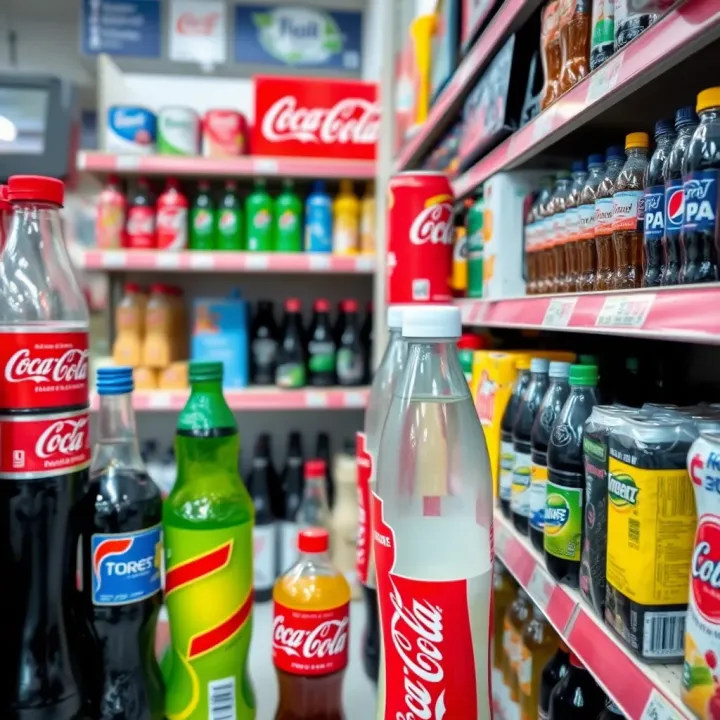
PepsiCo tops the list as Coca-Cola’s fiercest global competitor. Its broad product portfolio includes soft drinks like Pepsi, Mountain Dew, and 7UP, alongside expanding offerings in snacks and bottled water. Pepsi’s aggressive marketing strategies and diversification provide solid competition, especially in developing markets.
Nestlé also commands significant influence, particularly through its bottled water brands and ready-to-drink beverages. While Nestlé’s product range differs from soda-centric Coca-Cola, its strong distribution network challenges Coca-Cola’s dominance in many regions.
Other multinational companies like Dr Pepper Snapple Group and Red Bull contribute to the competitive landscape by focusing on niche segments such as energy drinks and flavoured sodas.
In Pakistan, Coca-Cola competes closely with PepsiCo Pakistan, which holds a strong presence through brands like Mountain Dew, Aquafina, and 7UP. Both companies invest heavily in local marketing, sponsorships, and distribution to capture market share.
Local players such as Amrat Cola and Gourmet Cola provide alternatives with competitive pricing often appealing to price-sensitive consumers. These brands, though smaller, have carved out niches by aligning flavours and marketing to regional tastes.
Moreover, emerging brands such as Shezan and Murree Brewery have expanded their beverage lines to include juices and non-carbonated drinks, responding to a growing demand for healthier options among Pakistani consumers.
The beverage market is shifting due to health-conscious consumers preferring low-sugar, natural, and organic options. Competitors of Coca-Cola are rapidly innovating to meet this demand by introducing sugar-free, zero-calorie, and fruit-based drinks.
Supply chain efficiency and regional reach also impact competition. Companies that manage logistical challenges posed by Pakistan’s geography and infrastructure tend to outperform others in rural and semi-urban markets.
In summary, Coca-Cola’s main rivals leverage product diversification, local market adaptability, and evolving consumer preferences to challenge its position. For investors and market watchers, tracking these strategies offers insight into future market share movements and investment opportunities.
Understanding this competitive landscape offers practical guidance for those engaged in Pakistan’s fast-moving consumer goods sector or global beverage investments.
Understanding Coca-Cola's position in the beverage market is essential for grasping the competitive landscape it operates in. As one of the most recognisable brands worldwide, Coca-Cola's market share, global reach, and product diversification give it a significant edge. This overview provides investors, traders, and analysts with the foundation needed to evaluate its competitors and market trends effectively.
Coca-Cola holds a strong position with about 43% share in the global carbonated soft drinks market. Its presence extends across more than 200 countries, including Pakistan, where millions of consumers rely on its products daily. For example, in urban centres like Karachi and Lahore, Coca-Cola's beverages are widely available from neighbourhood stores to large supermarkets.
This expansive reach ensures a steady revenue stream and resilience amid regional economic shifts. Additionally, the company's extensive distribution network allows quick supply to remote areas, giving it an advantage over smaller competitors who struggle with late deliveries or inconsistent stock.
While Coca-Cola is famous for its classic cola, its product portfolio includes juices, bottled water, energy drinks, and teas. This range appeals to varied consumer tastes, especially as health concerns rise and drink preferences shift. In Pakistan, this diversification is visible through brands like Minute Maid juices and Bonaqua bottled water, which cater to more health-aware customers.
Strong branding underpins Coca-Cola’s market dominance. Its logo and advertising campaigns resonate deeply with consumers, building loyalty across generations. The company's ability to adapt marketing strategies to local cultures adds to its appeal—for instance, tailoring campaigns during Ramazan or cricket seasons in Pakistan.
Coca-Cola’s global footprint and broad product mix make it a formidable player, demanding close attention from competitors aiming to capture market share.
This overview highlights the practical aspects investors and analysts should watch: market share stability, global expansion, product variety, and marketing strength. Together, these factors form the backbone of Coca-Cola's enduring position in the beverage market, framing its rivalry with other global and local players.
Understanding Coca-Cola’s major global competitors gives valuable insight into how the soft drink market shapes up. These rivals not only influence pricing and marketing trends but also drive innovation and consumer choice worldwide. Keeping an eye on them helps investors, traders, and business analysts grasp market shifts and potential challenges Coca-Cola may face.
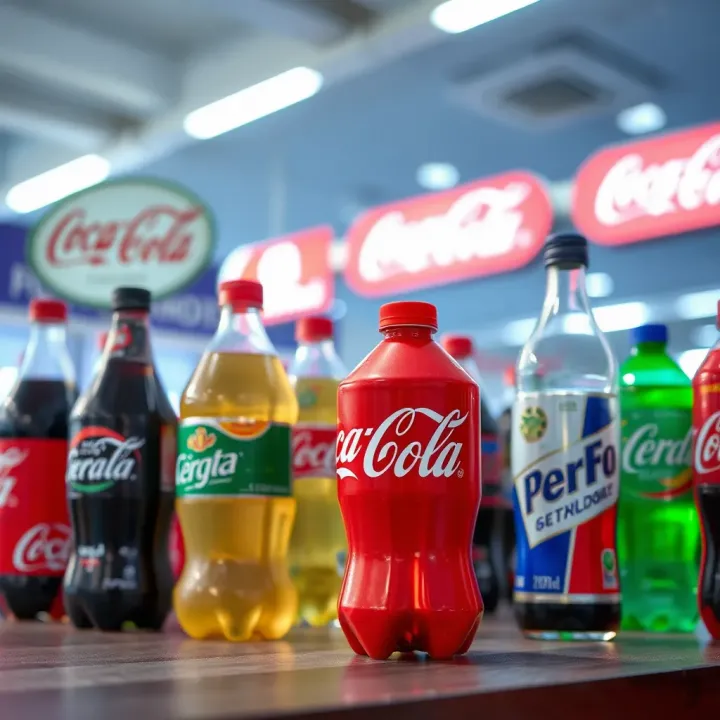
PepsiCo stands as Coca-Cola’s most direct competitor with a product range spanning carbonated drinks, juices, bottled water, and snacks. Both companies offer flagship colas — Pepsi and Coca-Cola — but PepsiCo diversifies more heavily into food and snacks, owning brands like Lay’s and Quaker. This diversification offers PepsiCo resilience amidst changing beverage preferences. Conversely, Coca-Cola’s focus remains more beverage-centric, including teas and energy drinks.
The slight edge PepsiCo holds with snack brands allows cross-promotional marketing opportunities, helping them sustain customer engagement beyond beverages. For example, a combo of Pepsi and Lay’s often finds favour in Pakistan’s young consumers. Coca-Cola, meanwhile, invests deeply in beverage innovation, constantly tweaking formulas and packaging to retain its base.
PepsiCo has long made its mark through aggressive advertising and sponsorships, often targeting youth culture more directly than Coca-Cola. Their campaigns tap into music, sports, and pop culture, forging strong emotional connections. Coca-Cola relies on broad, family-oriented campaigns while also pushing health-conscious products in response to consumer trends.
PepsiCo’s approach often involves localised marketing in regions like South Asia, using cricket stars or local celebrities to boost brand loyalty. Their advertising budget and global reach allow quick adaptation to market shifts, including digital platforms that appeal to Pakistan’s growing urban youth. This agility helps maintain competitive pressure on Coca-Cola.
In Pakistan, PepsiCo holds a substantial share of the beverage market alongside Coca-Cola, with both maintaining strong production and distribution networks. PepsiCo’s established snack business coupled with its beverage line provides a wider touchpoint among various consumer segments.
Although Coca-Cola has deep roots and brand recognition in Pakistan, PepsiCo continues to challenge with regional flavours and affordable packaging sizes, appealing particularly to price-sensitive consumers. Their efforts in upscale urban markets also help them gain ground among younger, brand-conscious buyers. This competitive duel shapes much of Pakistan’s soft drink market scene.
Dr Pepper Snapple Group, though smaller globally, caters to niche segments with unique flavours and legacy brands like Dr Pepper and 7UP. These products attract consumers looking for alternatives to mainstream colas, often considered less sugary or offering distinct taste profiles.
In Pakistan, these brands occupy specialty shelves rather than mass market, appealing to urban customers willing to spend a bit extra for novelty or perceived premium quality. Such positioning lets them carve out profitable niches without directly confronting Coca-Cola or PepsiCo’s dominance.
While these smaller groups compete with Coca-Cola on a limited scale, they sometimes collaborate through distribution partnerships or co-promotion in countries where market access is challenging. This pragmatic approach helps optimise reach without expensive infrastructure investment.
However, as Coca-Cola also owns multiple local and international brands, its competition with these players can shift quickly depending on product innovation or pricing. For investors and traders, watching these dynamics offers clues on how market fragmentation may affect larger corporations.
Local and regional beverage companies in emerging markets like South Asia and Africa represent growing competition for global giants. These brands often benefit from deep knowledge of local tastes, lower production costs, and established community networks.
Their influence is visible in Pakistan, where smaller brands gain strength in rural and semi-urban areas, leveraging price sensitivity and regional preferences. Such brands can disrupt market share, especially when multinational companies fail to adapt fully to local demands.
Health awareness has boosted demand for low-sugar, natural, or fortified beverages across the globe. Local competitors quickly respond with alternatives like sugar-free drinks or herbal infusions, often faster than big multinationals.
This trend challenges Coca-Cola and others to innovate rapidly. For example, many Pakistani consumers prefer drinks with less sugar or added vitamins, which local brands supply at affordable prices. Understanding these trends helps stakeholders predict shifts in consumer behaviour and potential threats or opportunities in the beverage market.
Major global competitors shape the industry's competitive environment, influencing pricing, innovation, and consumer loyalty. Their strategies and regional presence highlight the evolving nature of the beverage market worldwide and especially impact Pakistan’s dynamic sector.
PepsiCo leads through diversified products and aggressive marketing.
Dr Pepper Snapple Group governs niche markets with unique flavours.
Local brands in emerging economies challenge global giants via local insights and health trends.
Keeping these factors in view is crucial for anyone involved in market analysis, investment decisions, or academic research related to the beverage sector.
Non-carbonated beverages have become a strong competitor in the beverage market, directly challenging traditional players like Coca-Cola. This category includes fruit juices, bottled water, energy drinks, and sports beverages—segments that tap into evolving consumer habits favouring healthier and functional drinks. Investors and traders should pay attention to this shift, as it influences market share dynamics and profitability of established brands.
Shifting consumer awareness towards health has increased demand for non-carbonated options. More people, especially in urban centres like Karachi and Lahore, prefer beverages free from artificial additives and excess sugar. This change affects Coca-Cola, traditionally known for its sugary soft drinks, pushing the company to expand its portfolio with healthier alternatives. In Pakistan, the emphasis on hydration and nutrition heightens the appeal of juices and bottled water.
In Pakistan's bottled water and juice market, key players such as Nestlé Pure Life and Aquafina lead in urban areas by ensuring quality and accessibility. Local brands like Gourmet and Sufi have carved out notable shares by targeting price-sensitive segments with affordable options. Juice brands like Sufi Juice and Rooh Afza cater to cultural tastes, especially during Ramazan. These players have capitalised on distribution networks and regional tastes, offering strong competition against multinational companies.
Coca-Cola's energy brands, including Mountain Dew Game Fuel and Burn, face increasing competition from both international and domestic energy drink producers. Brands like Red Bull and Tiger attract young consumers seeking a quick energy boost, while local brands such as Sting make gains through aggressive marketing and wide availability. The competition here is about brand positioning and meeting consumers’ lifestyle needs, often focusing on youth and sports enthusiasts.
Market growth for energy and sports drinks remains promising, driven by trends like fitness awareness and increased participation in sports activities. Consumption in Pakistan is rising, supported by urbanisation and changing work patterns demanding more functional hydration. Analysts should note that this segment is less affected by traditional soft drink cycles, often showing resilience and potential for higher margins. As consumers look for variety beyond carbonated drinks, energy and sports beverages offer Coca-Cola’s rivals opportunities to capture niche markets.
The rise of non-carbonated drinks is reshaping beverage markets. Understanding these segments is key for stakeholders tracking Coca-Cola’s competitive landscape.
Juice and bottled water tap into health trends and local preferences
Energy drinks attract a younger, active demographic
Both segments show potential for long-term growth in Pakistan
In summary, the non-carbonated beverage sector is a vital battleground. Coca-Cola must continuously innovate and adapt to sustain its market position against these growing competitors.
The Pakistani beverage market is evolving rapidly, presenting both challenges and opportunities for Coca-Cola. Rising local brands are gaining ground, especially in segments sensitive to price and consumer preferences. Understanding these competitors is vital for traders, investors, and analysts aiming to predict market shifts and new investment potentials.
Local brands in Pakistan excel mainly because they offer affordable options that resonate well with price-conscious consumers. For example, companies like Rooh Afza and Shezan provide fruit drinks and juices at a fraction of Coca-Cola's prices. This price advantage helps them secure larger market shares in semi-urban and rural areas where consumers prioritise value over brand prestige.
In addition, local brands have an edge by tailoring their flavours and product types to suit regional tastes. This flexibility allows them to carve out niches not fully covered by multinational giants. For instance, Shezan’s mango and guava juices are popular during summer and religious occasions, capitalising on local seasonal demand.
Distribution strategies of local beverage makers further boost their market presence. These brands deploy extensive, cost-effective distribution networks that reach small shops (kiryanas) and roadside stalls in far-flung mohallas, something big companies find logistically and financially challenging. They also adapt to local payment behaviours by accepting cash or mobile wallet payments, which increases accessibility.
On the branding front, they often rely on strong cultural connections and community relationships rather than expensive international advertising. Sponsorships of local events, cricket matches, and festivals offer them significant visibility without heavy marketing budgets. This grassroots approach helps establish brand loyalty among consumers who feel a personal connection with these companies.
Consumer preferences in Pakistan are shifting gradually toward healthier and more natural beverage options. Increased awareness about the negative effects of sugar-rich drinks has prompted many consumers to choose juices, coconut water, and packaged mineral waters. This shift is evident as brands like Nestlé Pure Life bottled water and Olpers fruit juices have recorded steady growth even when overall soft drink consumption plateaus.
This trend challenges Coca-Cola to innovate products with reduced sugar content or sugar alternatives. Local players are also launching healthier options, sometimes fortified with vitamins or marketed as natural, to capture health-conscious segments.
Social media’s rising influence plays a significant role in shaping youth preferences. Platforms like Instagram and TikTok have become powerful marketing channels where youth-driven trends dictate beverage choices. Influencer endorsements and viral challenges around new flavours or drinks can quickly boost a brand’s popularity, something local brands exploit effectively by engaging directly with younger audiences.
Moreover, young consumers in Pakistan often prioritise brands that appear authentic and socially responsible, making transparency about ingredients and local sourcing important. Coca-Cola and its competitors need to consider these factors carefully to maintain relevance among this vital demographic.
Local brands' ability to combine affordable pricing, cultural resonance, and smart distribution offers them a real chance to compete strongly against multinational giants in Pakistan.
In summary, Pakistani beverage market dynamics require both global and local players to adapt continuously. Understanding emerging competitors and evolving consumer behaviour helps stakeholders anticipate market trends and make informed decisions.
The beverage market is fast changing, driven largely by shifting consumer preferences and evolving technologies. For Coca-Cola and its competitors, keeping pace with these developments is essential to maintaining market share and relevance. Understanding the future outlook involves looking closely at how these companies adapt to health trends and modern sales channels. This section offers practical insights into the strategies shaping the industry’s next phase.
Over recent years, health concerns have taken centre stage in the beverage sector. Companies like Coca-Cola are responding by innovating products with reduced sugar content. For example, Coca-Cola's launch of Coke Zero Sugar targets consumers who want the classic taste without the calories. This allows them to retain loyal customers while appealing to the calorie-conscious segment. Other competitors similarly invest in sugar alternatives like stevia or natural fruit extracts, helping their drinks fit health guidelines without compromising flavour.
Marketing efforts also reflect this shift. Brands increasingly highlight health benefits or low-calorie options in their campaigns, addressing growing awareness of sugar's impact on health among Pakistani consumers. For instance, tailored promotions during Ramazan emphasise hydration and natural ingredients, tapping into seasonal preferences. This trend encourages companies to rethink packaging and messaging to present a wellness-focused image, which helps attract youth and urban consumers looking for healthier choices.
Digital sales platforms are reshaping how beverages reach customers in Pakistan and globally. Companies use apps and online grocery services to connect directly with consumers, especially in urban areas with reliable internet. This move enhances convenience and cashless transactions, suiting Pakistan's rising smartphone penetration and digital literacy. Coca-Cola and others partner with platforms like Daraz, ensuring their products remain accessible amid increasing e-commerce demand.
Mobile payment systems such as JazzCash and Easypaisa also play a critical role. By supporting digital wallets and QR code payments, beverage companies streamline purchases and offer promotional deals instantly. This integration helps reach younger demographics who prefer digital payments over cash. Besides convenience, it allows businesses to gather data on buying habits, improving stock management and targeted marketing. These tech-driven channels can boost sales outside traditional retail, particularly during lockdowns or in areas with limited physical shops.
Brands that adapt quickly to health trends and digital channels stand a better chance to grow in Pakistan’s competitive beverage market. Their ability to innovate products and reach consumers effortlessly will define success in the years ahead.
📈 Master TradingView with this practical guide! Learn key tools, analysis tips, and customization to navigate stock, forex, & crypto markets confidently.

📊 Discover how to use TradingViews for market analysis! Learn about charts, tools, real-time data & community insights tailored for Pakistani traders.

📈 Learn how to master TradingView for stocks, forex & crypto markets in Pakistan. Step-by-step guide to charts, indicators, and social tools for better trades.

📈 Explore Luna price trends, market factors, and expert insights. Understand key risks and opportunities before investing in this popular cryptocurrency.
Based on 14 reviews