

Understanding Forex Trading: A Guide for Pakistani Traders
Explore practical tips and key insights on forex trading in Pakistan 🇵🇰. Understand strategies, risks, and regulations to trade confidently in 4x markets 💹.
Edited By
Ethan Morgan
Peer-to-peer (P2P) trading has emerged as a popular way for Pakistanis to buy and sell cryptocurrencies without relying on traditional exchanges. Binance’s P2P platform provides a simple and secure environment where buyers and sellers can trade directly with each other using local payment methods.
Unlike conventional exchanges where orders match automatically, P2P trading connects individuals so they can negotiate price and payment options. This is especially useful in Pakistan, where access to international payment systems is limited or complicated by regulations.
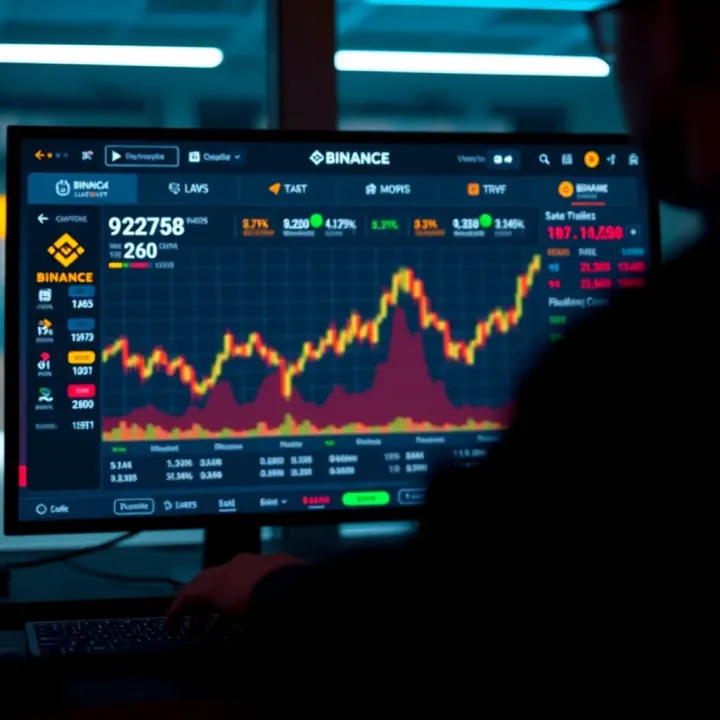
Local currency transactions: You can directly buy or sell crypto in Pakistani Rupees (PKR), avoiding foreign exchange hassles.
Multiple payment options: Support for JazzCash, Easypaisa, bank transfers, and more provides flexibility tailored to Pakistani users.
Lower fees: Since trades happen directly between users, fees are generally lower than on traditional exchanges.
Enhanced security: Binance holds the crypto assets in escrow during the trade, reducing risks of scams or fraud.
When trading on Binance P2P, the platform acts as a trusted middleman by temporarily holding the seller’s cryptocurrency. This escrow system ensures you receive your funds before the crypto is released.
To use Binance P2P, you only need to complete identity verification steps using your CNIC along with linking your local payment accounts. After that, the platform provides a step-by-step guide to start trading efficiently.
This approach suits beginners and experienced traders alike by offering control over trade terms while keeping the process straightforward. Plus, you avoid delays and restrictions often faced by international crypto exchanges.
Throughout this guide, you will learn how to navigate Binance P2P safely, select the best payment methods for your needs, and follow best practices to avoid common pitfalls. Whether you want to invest, trade, or manage your digital assets, Binance P2P can provide a practical solution in Pakistan’s unique financial landscape.
Peer-to-peer (P2P) trading on Binance offers a straightforward way for Pakistani users to buy and sell cryptocurrencies directly with each other, without relying on traditional exchanges as middlemen. This setup is valuable because it provides flexibility in payment methods and often better rates, especially in markets where strict regulations limit standard crypto trading options.
Binance P2P acts as a platform connecting buyers and sellers to trade cryptocurrencies like Bitcoin, Tether (USDT), and Ethereum. When you use Binance P2P, you select an offer that matches your preferred price and payment method. For example, a seller in Lahore might accept payment through Easypaisa, while a buyer in Karachi prefers JazzCash. Once both parties agree, Binance holds the crypto in escrow to protect both sides. The seller releases the crypto only after confirming receipt of payment. This system minimises risk and promotes trust between unfamiliar users.
Key features of the Binance P2P market include:
No trading fees for P2P transactions.
Multiple payment options tailored to Pakistani users, including local bank transfers and mobile wallets.
Escrow service safeguarding the transaction until both parties fulfil their obligations.
Unlike centralized exchanges that act as intermediaries and hold users’ funds, Binance P2P allows you to interact directly with other traders. This distinction brings several differences:
Payment Flexibility: Traditional exchanges usually support limited payment channels like credit cards or bank transfers authorised by the platform. In P2P trading, you can pay via various apps or bank methods chosen by the counterparty, suiting Pakistan's diverse financial ecosystem.
Lower Entry Barriers: Some regulatory policies restrict deposits or withdrawals via conventional exchanges. P2P lets users work around these issues by using direct bank payments or mobile wallets, making crypto accessible without complicated bank verification.
Price Negotiation: P2P prices can differ widely due to supply and demand, often allowing buyers to find better deals than fixed rates on traditional exchanges. However, this comes with the usual caution about market volatility and potential delays in payment confirmation.
User Control: You hold control over when to buy or sell and how to pay, rather than relying on automatic order matching or platform liquidity.
Binance’s P2P trading is a practical solution for Pakistani users facing banking restrictions or those looking to use local payment methods. Still, understanding the escrow mechanism and careful selection of trade offers is essential to avoid common pitfalls.
Understanding how Binance’s P2P market functions and differs from regular exchanges will help you trade confidently and better navigate Pakistan's unique financial landscape when dealing with cryptocurrencies.
Starting with Binance P2P for trading cryptocurrencies requires a clear understanding of how to set up and manage your account, place orders, and complete transactions safely. This is especially relevant for Pakistani users who want to make the most of local payment options and enjoy direct trading without intermediaries.
The first step in using Binance P2P is creating a Binance account and completing the verification process. Verification is mandatory to comply with Know Your Customer (KYC) regulations and to access trading limits suitable for regular traders in Pakistan. You’ll need to provide a valid Computerised National Identity Card (CNIC) or a passport to verify your identity. For example, a verified account allows you to trade up to Rs 2 million daily, whereas unverified users face strict limits or might not gain platform access. Make sure to set up two-factor authentication (2FA) for added security — it helps protect your account from unauthorised access.
Once your account is verified, you can access the P2P section within the Binance app or web platform. The P2P marketplace lets you filter offers by payment method, cryptocurrency type (like Bitcoin, USDT, or Ethereum), and currency (Pakistani Rupee). For instance, you might select sellers accepting Easypaisa or JazzCash for convenience. When you find a suitable offer, placing an order involves specifying the amount you wish to buy or sell. Binance locks the crypto in escrow during the transaction to prevent fraud. Understanding how to read seller ratings and transaction history is crucial, as these indicators reflect trustworthiness. Pakistani traders often prefer sellers with consistent positive reviews and quick payment confirmations.
After placing an order, you’ll need to transfer the payment through the agreed local payment channel within the timeframe specified in the order. It’s key to confirm the payment and upload proof if required. Once the seller verifies receipt of funds, Binance will release the cryptocurrency from escrow to your wallet. This mechanism guarantees that neither party risks losing funds unfairly. If any disputes arise, Binance’s customer support intervenes to resolve the issue. For example, if a seller claims non-payment but you have transaction proof, Binance reviews the evidence before deciding. Always ensure you communicate clearly and maintain records of your payments to avoid complications.
Successfully navigating Binance P2P trading steps gives Pakistani users control over their crypto assets while leveraging local payment methods securely.
Getting familiar with these steps reduces the chances of errors and delays, making your P2P experience smoother and more reliable. It also helps you build confidence in peer-to-peer trading as an effective way to access cryptocurrencies in Pakistan’s unique financial landscape.
Choosing the right payment method is key when trading on Binance P2P from Pakistan. The platform's appeal lies partly in offering diverse local channels that fit everyday transactions, making it easier and safer for Pakistani users to trade cryptocurrencies. Using payment options familiar to you reduces delays and confusion in transactions.
Binance P2P supports several popular payment methods common in Pakistan. These include bank transfers through major Pakistani banks like Habib Bank Limited (HBL), MCB Bank, United Bank Limited (UBL), and Meezan Bank. Mobile wallets such as JazzCash and Easypaisa are also widely accepted, being convenient and fast for small to medium transactions. Additionally, some users prefer using inter-bank online transfer services like the 1LINK system for quicker settlements.
Cash deposits at bank branches or ATM transfers are another option, though they might require extra caution to avoid fraud. Despite the rise of digital payments, many traders still prefer these due to greater accessibility in smaller cities and towns.
It's important to check the seller's or buyer's preferred payment method before trading, as availability can vary depending on individual profiles.
Picking the right payment method depends on your specific needs and the trade's size. For instance, if you want to complete trades quickly, mobile wallets like JazzCash or Easypaisa offer near-instant transfer times and widespread use. But they might have daily transaction limits, which could be restrictive for large trades.
Bank transfers typically handle higher amounts with relative security. That said, processing times might be longer during weekends or public holidays due to banking hours, so plan accordingly.
Consider transaction fees as well. Some banks or mobile wallets may charge nominal fees, which add up over time. Choose a payment channel that balances speed, cost, and convenience based on your trading pattern.
Lastly, verify the payment credentials carefully. Confirm the beneficiary name and account details match the trader's identity to avoid losses from wrong transfers. Always communicate any concerns through Binance's messaging system to keep a record.
By understanding local payment options and weighing their pros and cons, Pakistani users can enjoy smoother and safer peer-to-peer trades on Binance.
Trading on Binance Peer-to-Peer (P2P) offers a great chance for Pakistani users to buy and sell cryptocurrencies directly. However, this convenience comes with risks that demand strict security precautions. Understanding and applying the right security measures helps protect your funds and keeps your transactions smooth.
Scams are unfortunately common in P2P trading. Tricksters may pose as genuine buyers or sellers, offering deals too good to miss. To avoid falling into such traps, always stick to deals with clear, reasonable terms and prices matching market rates. Avoid rushing transactions; take time to verify the details carefully. For example, never release cryptocurrency before receiving payment in your bank or mobile wallet account. If a buyer claims to have sent money but you don’t see it, pause and confirm using your bank’s official channels.
Be wary of offers that insist on contacting you outside Binance chat or try to move the deal to informal channels like WhatsApp. Staying within Binance provides more protection in case disputes arise.
Binance’s escrow service is the backbone of safe P2P transactions. When you sell crypto, Binance holds the coins until they confirm that payment is received. This avoids situations where sellers send coins but never get paid or buyers pay but do not receive coins.
To use escrow properly:
Always confirm payment receipt with your bank or digital wallet before releasing coins.
Only release coins within the official Binance P2P chat after payment confirmation.
Don't skip or bypass escrow steps, even if the other party pushes you to speed things up.
The escrow protects both sides, making it harder for fraud to succeed.
Before trading, check the profiles of the counterparty. Binance allows users to view a seller or buyer’s trading history, completion rates, and feedback. Select parties with high trade volumes and positive ratings. This reduces risks of dealing with untrustworthy accounts.
Besides Binance data, look for additional verification marks such as:
Identity verification (KYC) completed,
Verified payment methods,
Consistency in transaction behaviour over time.
If anything seems suspicious—a new account with zero trades or no ratings—it’s safer to find a different counterparty. Trust builds over multiple successful trades; don’t take chances with your money initially.
In short, secure trading on Binance P2P relies on patience, careful verification, and using the platform's built-in protection tools fully. Following these security steps gives Pakistani users confidence and peace of mind when navigating the crypto market.
This approach limits chances of scams while maximising the safety of your digital assets, making P2P trading a reliable option even in a market that can be volatile and tricky.
Trading crypto through Binance's P2P platform can be straightforward, but it's good to be aware of some challenges Pakistani users often face. Understanding these issues helps you stay prepared and trade confidently.
Delayed payments are one of the common headaches in P2P trading. Sometimes, buyers take longer than expected to send the agreed funds, especially during busy hours or on weekends. This may delay the release of cryptocurrencies, causing frustration. To avoid this, always check the seller’s reputation and limits before placing an order. Make use of Binance’s escrow service, which holds the crypto until payments are confirmed. If a dispute arises, report it immediately to Binance’s support; they act as mediators to resolve conflicts fairly. For example, if a buyer claims to have transferred money but the seller hasn't received it yet, uploading payment proof promptly and using chat logs can speed up resolution.
Cryptocurrency prices can swing sharply within minutes, and this volatility impacts P2P traders directly. When prices change quickly, the locked-in trade price might no longer match the market, leading to potential losses or missed gains. To handle this, try to complete transactions promptly once orders are confirmed. Pakistani traders often monitor PKR-Rs rates continuously and set alert limits for price changes. On Binance, you can choose orders priced close to the current market rate or refresh listings often to find the best match. For instance, if Bitcoin’s price suddenly jumps by 3-4% during your transaction window, quickly closing the trade helps avoid losses from delayed settlements.
Binance sets order and daily limits to reduce risk and comply with regulations. These limits can restrict the amount you can buy or sell in a day, which might be frustrating for active traders or investors moving larger sums. Pakistani users, especially beginners, should check these limits clearly before starting. To navigate this, break larger trades into smaller chunks spread over days or multiple counterparties. Also, completing the full KYC (Know Your Customer) verification on Binance usually raises your transaction ceiling, letting you trade bigger amounts more comfortably. For example, if you need to buy Rs 10 lakh worth of crypto but face a daily cap of Rs 3 lakh, planning separate trades on three different days maintains smooth operations.
Understanding and preparing for these common issues on Binance P2P can save you time and protect your funds, making your crypto experience in Pakistan far smoother.
By keeping these points in mind, Pakistani users can reduce delays, cope with price swings, and work within limits effectively while trading cryptocurrencies on Binance P2P.
Explore practical tips and key insights on forex trading in Pakistan 🇵🇰. Understand strategies, risks, and regulations to trade confidently in 4x markets 💹.

📱 Find the best trading app for Pakistan traders! Compare features, security, fees & popular options to choose what suits your trading style perfectly.
Explore top trading platforms in Pakistan with in-depth reviews on security, features, and user experience 🌐📈 Find the right tools and tips here!
📈 Explore how Pakistani traders can use Quotex effectively! Discover platform tips, trading strategies, risk management, and legal insights for success.
Based on 9 reviews