
How to Use TradingView on Deriv for Pakistani Traders
📊 Learn to use TradingView charts on Deriv with easy setup, key features, and smart tips. Perfect for Pakistani traders to boost their trading game! 🇵🇰
Edited By
Ethan Hughes
Trading can be a tough game, especially when you don’t have the right tools at your fingertips. In Pakistan, where markets can swing quick and opportunities pop up fast, using platforms that give you an edge is a must. That’s where TradingView and Deriv come into the picture — two popular platforms each offering unique strengths for traders.
TradingView is well-known for its advanced charting capabilities and community-driven insights. Deriv, on the other hand, offers flexible trading options with a user-friendly interface tailored to local and international traders alike. When combined, these two tools can help you make smarter, faster decisions while trading.

In this guide, we'll break down how to effectively use TradingView alongside Deriv, from setting up accounts to leveraging analysis tools step-by-step. Whether you’re a beginner or a seasoned trader, knowing how these platforms work together can improve your trading game and help avoid common pitfalls.
Knowing the ins and outs of your tools isn’t just about convenience — it can mean the difference between a good trade and a missed opportunity. Let’s get into the nuts and bolts, so you’re ready to trade like a pro.
Getting a solid grip on TradingView and Deriv is the starting point for anyone serious about trading smarter, especially in Pakistan's fast-paced markets. These two platforms complement each other well—TradingView gives you sharp, detailed charts and social insights, while Deriv offers a straightforward way to place trades and access different instruments. Knowing what each tool brings to the table helps traders build better strategies and avoid costly mistakes.
TradingView isn’t just your average charting site. It’s a versatile platform packed with a range of features that can turn even a novice into a more confident trader. For instance, it offers hundreds of customizable indicators like moving averages, RSI, and MACD, which traders use to spot trends and potential entry points. Plus, its alert system lets you keep tabs on price moves without staring at the screen all day. Think of it like having a helpful assistant nudging you whenever the market hits your specified level.
Another bonus is the built-in strategy tester—a feature that lets you backtest your trading ideas without risking real money. This practical tool makes it easier to fine-tune tactics before putting them into action on Deriv or elsewhere.
What really makes TradingView stand out is its charting muscle combined with its social vibe. The platform supports a wide array of chart types—candlestick, Heikin-Ashi, Renko, and more—giving traders the freedom to view market action in the style that suits them best. Tools like Fibonacci retracements and trendlines help shed light on support and resistance levels critical for timing trades.
On top of that, TradingView functions as a bustling community where traders share ideas, strategies, and even real-time trade setups. This social element introduces a layer of crowd wisdom. If you’re stuck or unsure about a move, you could peek at what analysts and fellow traders are saying, which can be especially handy if you’re just starting out.
Joining this community doesn’t only widen your perspective but also sharpens your ability to read the market’s mood, an edge that can’t be overstated.
Deriv offers a handy range of instruments, suited to different trading styles and experience levels. In addition to binary options—a popular choice in many emerging markets—you can find CFDs on forex, commodities, and even synthetic indices. Synthetic indices, like the Volatility 75 Index, simulate real market conditions but trade 24/7, offering extra flexibility especially when local markets are closed.
This variety means you’re not stuck trading just one thing. You can explore forex pairs like USD/PKR or commodities like gold, tailoring your trading mix to your knowledge and risk appetite. Practically speaking, this variety boosts your ability to diversify and adapt, which is key in volatile markets.
Deriv’s interface is built with simplicity in mind, making it a breeze for traders who might feel overwhelmed by overly complex platforms. On the dashboard, placing a trade involves selecting your asset, choosing your trade type, entering the amount, and setting expiry times if you’re in binary options. Nothing fancy, just straightforward steps.
Order execution on Deriv is designed to be quick and reliable, which matters when every second counts. The platform uses instant confirmation for trades, so you won’t be left twiddling your thumbs for results. While no platform is flawless — internet hiccups can affect timing — Deriv’s system generally keeps delays minimal.
For Pakistani traders, this combination of a clean interface and speedy trade processing helps keep things moving smoothly without the usual headaches.
In this article, we'll build on this foundation, showing how to link TradingView's insights directly with Deriv’s trading environment to make better, more informed decisions. The goal? Equip you with tools and knowledge to trade more effectively, avoiding common pitfalls and getting a real edge in Pakistan's diverse market scene.
Before diving into active trading, setting up your accounts properly on both TradingView and Deriv is crucial. This setup isn’t just a formality—it's foundational for smooth interaction between the platforms and helps avoid headaches like connectivity issues or compliance blunders later on. Linking both allows you to use the powerful charting tools of TradingView directly alongside Deriv’s trading services, streamlining decision-making and execution.
Step-by-step account setup: Opening a Deriv account starts with providing your email and creating a password. After verifying your email, you’ll need to enter personal details like your full name, date of birth, and residential address. This info is mandatory under Deriv’s Know Your Customer (KYC) policy. Next, select your preferred currency and go through a quick quiz to assess your trading experience—this helps Deriv tailor its interface and offers to suit your needs.
Make sure to double-check your info before submission because even a small typo can delay verification. Deriv usually processes verification within 24 to 48 hours. Once approved, you can fund your account using popular Pakistan-friendly payment methods like JazzCash, EasyPaisa, or bank transfer.
Important compliance considerations: Compliance matters, especially for traders in Pakistan where regulatory frameworks differ from other countries. Deriv requires verified identity and proof of address documents—like a passport or utility bill—before allowing real-money trading. These steps aren’t just bureaucratic hoops but protect both you and the platform from fraud and illegal activities.
Failure to comply can result in frozen accounts or delayed withdrawals, so make sure to follow instructions carefully. Remember also to keep your contact details updated on the platform to receive critical notifications about account status or regulatory changes.
Choosing the right subscription plan: TradingView offers various subscriptions ranging from a free basic plan to Pro, Pro+, and Premium. Free access is fine for beginners testing charts, but it limits indicators per chart and disables multiple chart layouts. For serious trading with Deriv, a Pro or Pro+ plan is recommended.
With Pro, you get up to five indicators at once, faster data flow, and the option to save custom chart layouts. Pro+ adds features like enhanced alerts and more devices connected simultaneously. The higher upfront cost pays off by helping you spot trading opportunities quicker and with more information.
Basic navigation and tool overview: When you first land on TradingView, the layout can seem a bit busy, but getting familiar with its basics is essential. The left toolbar offers drawing tools like trendlines and Fibonacci retracements; the top bar houses indicators and time frame settings; real-time price quotes run along the right panel.
For example, clicking on “Indicators” lets you select popular tools like RSI, MACD, or Bollinger Bands—useful for Deriv’s CFDs and binary options. You can also save chart templates to recall your favourite setups quickly. Spend a few sessions just exploring these tools; the learning curve pays back during actual trades.
Manual strategies versus automated solutions: TradingView’s great strength lies in manual chart analysis, allowing traders to interpret indicators and patterns in real time before placing trades on Deriv. Many Pakistani traders prefer this hands-on approach because you stay in full control of decisions.
However, automation has its perks—scripts in TradingView's Pine Script can generate buy or sell signals, which you can use as alerts to place trades faster or design bot strategies. Note that Deriv doesn’t natively support direct execution from TradingView, so true automation requires third-party services.
Because of this, consider your skill level and risk tolerance before jumping into automated methods. Beginners might stick to manual orders at first to get the hang of market behavior.
Available third-party tools and plugins: Several community-built tools bridge TradingView’s signals with Deriv’s platform. For instance, some scripts send alerts via Telegram or email when specified conditions occur, allowing you to act instantly. Other third-party solutions use APIs to trigger trades automatically, but these need technical know-how and caution as unreliable bots can cause large losses.
For Pakistani traders, verifying the credibility of any third-party tool is a must. Look out for user reviews on forums like Reddit or local trading groups before integrating such plugins. Always test new tools on demo accounts first.
Setting up and linking your TradingView and Deriv accounts sets the stage for more informed decisions, smoother trade execution, and a safer trading environment. Skipping any step can cause avoidable frustrations or legal troubles.
In short, the combination of solid account setup, subscription choice, and understanding integration options equips traders in Pakistan with a firm foundation for their trading journey.
When trading on Deriv, having reliable charting tools is essential to make informed decisions. TradingView offers an intuitive and powerful charting platform that fits perfectly with Deriv’s market offerings. Understanding how to navigate and utilize TradingView’s charting features can give Pakistani traders an edge by highlighting trends, spotting entry points, and managing risks with greater confidence.
Deriv traders, particularly those involved in binary options and CFDs, can use these charts to track price movements in real-time and apply various technical tools that TradingView supports. This section digs into the technical indicators and drawing tools that are especially helpful for Deriv trading, showing how traders can tailor their analysis to different markets.
Technical indicators are the bread and butter of chart analysis. For Deriv traders dealing with binary options or CFDs, choosing the right indicators is like having a tailored map for navigating volatile markets.
Popular Indicators for Binary Options and CFDs: Moving averages, Relative Strength Index (RSI), and Bollinger Bands are among the go-to indicators. Moving averages help traders understand the market trend direction by smoothing out price data. RSI indicates overbought or oversold conditions, which is crucial when timing binary option entries. Bollinger Bands reveal volatility by showing how prices spread around a moving average, helping traders anticipate possible breakouts or pullbacks.
For example, a trader betting on the price movement of EUR/USD on Deriv might watch the RSI closely when it crosses above 70 or below 30 to signal a potential reversal, confirming their binary options trade choice.
Customizing Indicator Settings for Precision: No two traders are alike, and the same goes for indicator settings. TradingView allows users to tweak parameters — like changing the RSI period from the default 14 to a shorter or longer span — to better fit their trading style and the specific asset. Precision tuning helps in minimizing false signals and aligning the tool more closely with market behavior.
Say you’re trading commodities on Deriv, adjusting your Bollinger Bands to use a tighter standard deviation can make the bands more sensitive to price moves, giving earlier warnings on potential price shifts.
Tip: Experiment with indicator settings on a demo account before using them in live trading to understand how changes affect signals.
Besides indicators, visual tools on TradingView like trendlines and Fibonacci retracements empower traders to spot key price levels and patterns.
Trendlines, Support and Resistance Levels: Drawing trendlines involves connecting highs or lows on the chart to identify the overall direction of the market. Support and resistance levels are horizontal lines marking price points where the market historically reverses or stalls. Recognizing these zones can help Deriv traders avoid entering trades at bad moments.
For instance, if you see the price bouncing several times off a support level, you might wait to enter a buy position on Deriv right before that bounce, increasing the trade’s probability of success.
Fibonacci Retracements and Other Patterns: Fibonacci retracements are a popular tool to estimate potential pullback levels during trending markets. Applied correctly, they help traders forecast where prices might stall or reverse after a strong move.
Additionally, patterns like double tops or head and shoulders can be drawn directly on TradingView, providing visual cues that hint at a trend change. Using these patterns to complement indicators sharpens the quality of your trade setups.
Using TradingView’s charting tools effectively alongside Deriv’s platform enables traders to make smarter, data-driven decisions instead of relying on guesses. By integrating well-picked technical indicators and solid drawing techniques, traders can better navigate Deriv’s markets and improve their chances of success. Remember, consistent practice and adjustment to these tools play a big role in getting the most from them.
Creating and testing trading strategies is a critical step for anyone wanting to make the most of TradingView paired with Deriv. Without a solid plan, you’re mostly flying blind. Strategies help give structure to your trades and provide a roadmap for when to enter or exit the market. For Deriv traders, where instruments range from binary options to CFDs, having a tested strategy can save both time and money by reducing guesswork.
Beyond just picking indicators off the shelf, crafting your own approach that fits your risk tolerance and trading style can improve consistency. Testing these strategies reduces costly trial-and-error live trading, allowing you to see how a method might perform under various market conditions. This makes your trading decisions more data-driven and less emotional.
Pine Script is TradingView’s own programming language, designed specifically for writing indicators and strategies. It uses simple syntax that even non-coders can grasp after some practice. The key idea is to automate your analysis rules so the charts do the heavy lifting for you. For example, you might write a script that buys when the 50-day moving average crosses above the 200-day average, and sells on the reverse.
Thanks to Pine Script’s accessibility, traders on Deriv can customize indicators beyond standard templates. Basic concepts include defining variables, using functions for calculations like moving averages, and making decisions with conditions (like if-else statements). The scripting environment also offers in-built functions to handle timeframes, prices, and volume.
Getting comfortable with Pine Script means you can tweak existing strategies or create new ones to fit Deriv’s unique market instruments. For instance, you might build a script to spot reversal signals on short-term binary options or design alerts tailored to specific CFD setups.
A simple script to start with could be a Moving Average Crossover strategy, useful for CFDs on Deriv. This script might trigger buy signals when the fast moving average (say 9-period) crosses above the slow one (21-period). Here’s a basic example:
pine //@version=5 strategy("MA Crossover for Deriv", overlay=true) fastMA = ta.sma(close, 9) slowMA = ta.sma(close, 21) if (ta.crossover(fastMA, slowMA)) strategy.entry("Buy", strategy.long) else if (ta.crossunder(fastMA, slowMA)) strategy.close("Buy") plot(fastMA, color=color.blue) plot(slowMA, color=color.orange)
This script gives you clear buy and sell signals directly on the chart. You can then adjust parameters or add stop-loss logic depending on the instrument’s volatility. Another example for binary options might involve scripting price thresholds combined with volume spikes to suggest potential entry points.

### Backtesting Strategies on TradingView

#### How to simulate trades

Backtesting helps you see how a strategy would have performed using historical data. TradingView makes this easy with its strategy tester tool, which runs your Pine Script against past price movements. You can simulate all trades the script would have taken, including entry and exit points, stops, and take-profits.

To start backtesting, just add your strategy script to a chart and open the strategy tester panel. It will replay trades as if you had been trading live, showing profit/loss, number of trades, and more. This helps you understand if the approach has a positive expectancy or if it just looks good on paper.

Deriv traders can use backtesting to check strategies across different assets, timeframes, and market conditions — say, during volatile forex sessions or calm periods on commodities. This versatility makes backtesting an invaluable step before risking real money.

#### Evaluating strategy performance

It’s not enough to just see profits on backtests; you need to dig into the details. Key performance metrics include:

- **Win rate**: The percentage of profitable trades.
- **Profit factor**: Total gross profit divided by total gross loss, which shows if the strategy makes more than it loses.
- **Max drawdown**: Largest peak-to-trough decline, indicating risk.
- **Average trade gain/loss**: Helps assess if the strategy is worth the risk.

A strategy with a high win rate but huge drawdowns may not be practical. Similarly, a method that offers steady but minor gains might need adjusting for better returns. It’s wise to test over different periods to ensure stability.

> Keep in mind that no strategy is perfect; backtesting merely offers a glimpse, not a guarantee. The point is to reduce uncertainty by making informed tweaks before jumping into live trading on Deriv.

By carefully developing Pine Script strategies and rigorously backtesting them, you can build more confidence, save money, and trade smarter on Deriv using TradingView’s powerful tools. This disciplined approach puts you ahead of the pack in a market that’s often unpredictable.

## Placing Trades on Deriv Using Insights from TradingView

Connecting the dots between the careful analysis on TradingView and executing trades on Deriv is like turning a well-read map into a real path. Without placing trades based on solid insights, all the charting in the world won’t turn into profits. This section shows how to translate charts and indicators into actual trading moves on Deriv, increasing the chances of smarter decisions and controlled risk.

### Translating Chart Analysis into Trading Decisions

**Entry and exit points** are the backbone of successful trading. Spotting the right time to enter or exit a trade based on TradingView's detailed charts can mean the difference between a win and a missed opportunity. For example, when the RSI (Relative Strength Index) crosses below 30, it often signals an oversold market, hinting at a potential buy opportunity on Deriv. Conversely, if a price hits a strong resistance level flagged on TradingView, that might be a good moment to set an exit point to lock in profits.

It's essential to remember that these points aren’t rigid rules but guides. Combine them with other tools like moving averages or Bollinger Bands for confirmation before hitting that “Buy” or “Sell” button. Setting stops and limits based on these points on Deriv also protects your investment against sudden market swings.

**Risk management on Deriv** ties directly to these decisions. Before anything, deciding how much of your capital you're willing to risk on each trade is fundamental. Using features like Deriv’s built-in stop-loss orders or setting trade limits ensures that unexpected moves don’t wipe your account in a blink. For instance, allocating no more than 2% of your total trading fund per trade can limit exposure and keep things sustainable.

A practical tip is to always calculate your risk-to-reward ratio before placing a trade. If for every 1 dollar risked, you expect to gain at least 2 or 3, that trade fits a more balanced approach. Deriv allows customization of trade parameters, so adjusting these settings is straightforward and immediately impactful.

### Monitoring and Adjusting Trades in Real Time

**Using alerts and notifications** from TradingView isn't just a convenience—it’s a necessity in fast markets. Setting alerts for price levels, indicator crossovers, or other triggers helps you stay on top of opportunities without staring at the screen all day. For example, a trader might set an alert for when the price of EUR/USD hits a specific Fibonacci retracement level indicating a bounce or breakout.

Once an alert pops up, the real skill kicks in at the Deriv platform, where you decide to modify or close trades promptly. This quick reaction can prevent losses or capitalize on momentum. Deriv also allows customized notifications, so syncing these platforms creates a practical workflow.

**Managing multiple open positions** demands careful attention and discipline. It's tempting to spread bets wide, but without clear monitoring, things get messy fast. Using TradingView’s watchlists combined with Deriv’s dashboard, you can keep tabs on several trades. For example, grouping trades by instrument type or strategy helps spot overall profit or loss trends.

Proper position sizing is key here. Avoid putting too many eggs in one basket by diversifying and using tools like Deriv’s contract size settings. Regularly reviewing open trades for signs of reversal or reaching targets, and adjusting stops or exits accordingly, keeps risks in check.

> Effective trade placement is where planning meets action. Using TradingView’s charts for insights and Deriv’s platform for execution creates a rhythm where well-informed decisions drive real results.

By integrating chart analysis with practical trade management and real-time monitoring, traders in Pakistan can make more confident choices, minimize downside, and maximize their chances of steady growth on Deriv.

## Common Challenges and How to Overcome Them

When blending TradingView with Deriv, traders often hit some snags that can trip up even the most seasoned. Recognizing these common challenges is vital—not just to dodge pitfalls but to sharpen your trading edge. From dealing with technical hiccups to sidestepping classic mistakes, understanding the hurdles helps in crafting a smoother trading experience. In this section, we focus on real issues traders face daily and share practical ways to handle them.

### Dealing with Platform Limitations and Delays

#### Latency issues between TradingView and Deriv

Latency, or the lag between data updates on TradingView and their reflection on Deriv, can be a pain point. Since Deriv executes trades in real-time, any delay in data from TradingView could mean acting on outdated information, risking missed opportunities or poor entries.

For example, a price breakout signaled on TradingView might appear a second later or not at the exact moment on Deriv due to server synchronization delays. In fast-moving markets, this can mean the difference between a profit and a loss. It’s similar to hearing the news about a bus leaving and running to the stop only to find it’s gone already.

To handle latency:
- Keep your internet connection stable and fast; a wired connection often beats Wi-Fi for consistency.
- Use the lowest possible chart update intervals that still feel manageable; too many refreshes can overload your browser.
- Avoid running other bandwidth-heavy apps while trading.
- Consider manual confirmation before placing trades, rather than relying solely on automated alerts.

#### Best practices to avoid missed trades

Missed trades usually happen when the trader reacts late or the platform glitches momentarily. These can be frustrating but are preventable with some smart habits.

- **Set up multiple alerts:** Configure TradingView alerts not just on price, but on other factors like indicator crossovers or volume spikes to catch opportunities early.
- **Use Deriv’s app notifications:** Keep the Deriv mobile app handy with push notifications enabled, so you get trade updates even if your computer lags.
- **Stay focused during key trading sessions:** Avoid multitasking during critical market hours, especially when trading volatile assets like forex or cryptos.
- **Practice patience:** If volatility spikes, slow down and avoid chasing trades that don't meet your criteria perfectly.

> "Traders who prepare for platform quirks often find themselves a step ahead—the game isn’t just about charts, but how you handle what’s behind the scenes."

### Avoiding Common Trading Mistakes

#### Over-reliance on indicators

TradingView offers an impressive suite of indicators, making it tempting to pile them on. Yet, stuffing your charts with too many indicators can create noise and confusion rather than clarity.

It’s like trying to follow ten different GPS directions at once—end up nowhere fast. Indicators should support your analysis, not control it blindly. Over-reliance can lead to paralysis or chasing false signals.

To avoid this trap:
- Choose a handful of trusted indicators suiting your trading style—for instance, RSI for momentum and Moving Averages for trend.
- Understand the logic behind indicators rather than relying on them as black boxes.
- Combine indicators with price action and volume analysis to see the bigger picture.

#### Ignoring broader market news and events

No matter how sophisticated your charts are, ignoring outside news risks walking into a storm unprepared. Economic releases, geopolitical events, or even corporate news can swiftly change market sentiments, overshadowing technical signals.

Say you spot a bullish setup on TradingView for a currency pair, but a major central bank announcement is about to drop—ignoring that news can lead to a nasty surprise.

Here’s what to do:
- Regularly check economic calendars for Pakistan and global data releases.
- Follow credible financial news outlets or apps to stay updated on events that impact your trading instruments.
- Consider temporarily stepping back or adjusting your strategy around key news times.

In short, integrating TradingView with Deriv is powerful, but ensuring you account for these common challenges protects your trades and boosts your confidence in the long run.

## Optimizing Your Workflow for Better Results

Efficiency in trading isn’t just about speed; it’s about making smarter decisions with less hassle. When you combine TradingView’s advanced charting with Deriv’s trading tools, optimizing your workflow means putting everything in sync so that you can move faster and spot opportunities before they slip away. This section covers practical ways to enhance your routine, helping you turn analysis into action without getting tangled in technical glitches or delays.

### Combining Fundamental Analysis with Technical Tools

#### Enhancing Trade Setups with News Updates

Technical charts give you the skeleton of price movements, but adding the flesh of fundamental data makes the picture clearer. For instance, imagine you see a neat uptrend in a binary options asset on TradingView, but then a major economic announcement is due in the next hour—like Pakistan’s State Bank releasing interest rate decisions. Integrating this info ensures you’re not walking into trades blind.

Real-time news updates help you avoid nasty surprises and tailor your strategies accordingly. You don’t have to keep switching tabs; by setting up simultaneous feeds or apps that alert you on key market-moving events, you stay ahead of the curve. Over time, blending this with your technical indicators enhances the precision of your trade entries and exits.

#### Using Economic Calendars

Economic calendars are like a trader’s diary of important events—earnings reports, GDP figures, inflation data, and central bank meetings. The beauty of these is they’re scheduled, predictable, and well-documented. For Pakistani traders using Deriv, knowing exactly when events like the Pakistan Bureau of Statistics releases inflation numbers can be a game-changer.

Here’s how you can make them work for you:

- Review the calendar daily to mark high-impact events affecting your instruments
- Adjust your position sizing or avoid entering new trades right before potentially volatile news
- Use TradingView’s widgets or dedicated economic calendar apps for quick reference without disrupting your charting

This practice helps you navigate the market’s ups and downs with less guesswork and more confidence.

### Automating Notifications and Alerts Efficiently

#### Custom Alert Setup on TradingView

Manually watching charts 24/7 isn’t practical. TradingView’s alert system lets you automate part of this job. You can set alerts for price levels, technical indicator signals, or even custom Pine Script conditions tailored to your Deriv strategies. For example, set an alert for when EUR/USD crosses a specific resistance level or when the RSI dips below 30.

Getting these alerts right means:

- You don’t miss trade opportunities while away from the screen
- Instant notifications keep you responsive without being glued to the monitor
- You can fine-tune alert frequency to avoid notification overload

**Pro tip:** Use specific and clear alert conditions to minimize false signals. For instance, an alert combining RSI oversold and a moving average crossover packs more punch than a simple price alert.

#### How to React to Alerts on Deriv

Getting an alert is only half the battle; acting on it swiftly and correctly is where the rubber meets the road. When TradingView nudges you about a pattern or price movement, jump onto Deriv’s platform and verify the trade conditions before placing an order.

Keep these points in mind:

- Cross-check the alert signal with current market conditions on Deriv’s live charts.
- Use Deriv’s quick order entry tools to execute trades faster, reducing slippage chances.
- Have predefined risk parameters (like stop-loss and take-profit) ready to implement immediately.
- Don’t rush blindly; confirm that the signal fits your overall strategy and market context.

> Remember, alerts are triggers—not guarantees. Stay disciplined and use them as aids to make informed decisions rather than impulsive calls.

By locking down your workflow this way, you’ll find a better rhythm trading with TradingView and Deriv, cutting down wasted time and improving your edge in Pakistan’s markets.

## Security and Compliance Considerations

When trading with platforms like TradingView and Deriv, paying attention to security and compliance is not just a good idea—it’s essential. Without these, you risk more than just losing money; your personal data and account integrity could be at stake. For traders in Pakistan, it’s especially important to understand local regulations as well as how to safeguard your trading accounts from unauthorized access. This section breaks down the key steps and legal aspects you should keep in mind to trade confidently and securely.

### Keeping Your Accounts Secure

One of the first lines of defense is your account security, starting with **strong password practices**. A tough password isn’t just about length; it’s about unpredictability. Avoid using obvious details like your birthday, pet’s name, or simple numeric sequences. Instead, aim for a mix of lowercase, uppercase letters, numbers, and symbols. Think of your password like the lock on your front door—easy to get into, and someone’s in your house. Consider passphrases too, like a short sentence that’s easy for you to remember but tough for others to guess. Updating your passwords regularly is also a smart move; what was strong a year ago might not cut it today.

Next up, **two-factor authentication (2FA)** adds a vital extra step beyond just a password. With 2FA, accessing your account requires not just what you know (your password) but also something you have—like a temporary code sent to your phone via SMS or generated by an app like Google Authenticator. This makes it far harder for hackers to take over because they’d need both pieces to get in. Setting up 2FA on both TradingView and Deriv accounts is simple and highly recommended. It’s one of those “better safe than sorry” setups that many traders overlook, but it really pays off in preventing unauthorized access.

### Understanding Legal and Regulatory Factors in Pakistan

Navigating local rules is just as important. When it comes to **trading permissions and restrictions**, Pakistan has specific guidelines on what kind of financial activities are allowed. Deriv offers access to binary options, CFDs, and more, but Pakistani traders must ensure they’re compliant with the State Bank of Pakistan’s rules and the Securities and Exchange Commission of Pakistan (SECP) regulations. For example, some derivative products might be restricted or regulated differently, so it’s wise to stay updated with local financial authorities or consult a licensed financial advisor to avoid any inadvertent breaches.

Then there’s the matter of **tax implications and reporting**. Earnings from trading on platforms like Deriv and insights gained from TradingView charts aren’t exempt from taxes in Pakistan. Any profit you make through trading activities can be subject to capital gains tax or income tax depending on your total income brackets. It’s important to maintain clear records of your trades, profits, and losses. Many traders underestimate the paperwork involved, but the Pakistan Revenue Authority expects proper reporting. Keeping receipts, trade logs, and proof of transactions can save you trouble later when it comes time to file your taxes.

> Staying secure and compliant isn’t just about following rules—it’s about protecting your hard-earned money and peace of mind in a fast-moving, complex market.

By combining robust security practices with awareness of local laws, you position yourself to trade more confidently. Secure your accounts, respect regulatory requirements, and keep documentation at hand to avoid surprises down the line while using TradingView and Deriv efficiently.

## Resources and Community Support for Pakistani Traders

In the world of online trading, having access to the right resources and a supportive community can make a huge difference—especially for traders in Pakistan dealing with unique market conditions and regulatory challenges. Resources like educational content, tools, and timely updates complement practical trading platforms such as TradingView and Deriv. Meanwhile, connecting with fellow traders helps sharpen skills, exchange fresh ideas, and stay motivated through ups and downs.

### Finding Local Trading Groups and Forums

#### Where to connect with other traders:
For Pakistani traders, joining local groups on platforms like Facebook, Telegram, and WhatsApp is common. These groups often focus on region-specific market insights, trading challenges, and opportunities. For example, groups dedicated to Deriv trading or Forex can offer hands-on advice on navigating local banking systems or cash-out methods. Look for communities that actively moderate discussions to weed out spam and ensure helpful, relevant chatter.

#### Benefits of sharing strategies and insights:
Trading can be isolating without feedback from others. Sharing your strategies or asking for critique not only uncovers blind spots but also introduces new ways of thinking about trades. For instance, one trader might share how they combine TradingView’s charting with Deriv’s risk management, and that could inspire modifications in your own approach. Swapping success stories and cautionary tales builds collective wisdom that’s often missing from solo trading.

### Educational Materials and Tutorials

#### Recommended websites and channels:
Some Pakistani traders swear by YouTube channels like ‘‘Pips Alert’’ or ‘‘Trading with Usman’’ for straightforward tutorials that tie into local trading realities. Similarly, websites such as Investopedia provide solid foundational knowledge, which can be helpful for beginners to grasp basic concepts before diving deeper. For more advanced content, explore TradingView’s own educational blog and webinars that often highlight real-time analysis.

#### Courses tailored for Deriv and TradingView:
While off-the-shelf trading courses can be hit or miss, there are locally tailored options that address Pakistan-specific trading platforms and taxes—such as courses by local financial educators or those available on Udemy focused on binary options using Deriv. These courses usually cover everything from mastering TradingView’s Pine Script to effective risk controls on Deriv, which can accelerate your learning curve and reduce costly mistakes.

> Being part of an active and knowledgeable community, plus having access to trusted educational materials, is like having a safety net as you grow your trading skills. Don’t overlook these resources—they can be your best allies on the road to consistent success.

## Wrap-up and Next Steps

This final part pulls together everything we've covered about using TradingView alongside Deriv for better trading outcomes. It’s not just a neat wrap-up—it's about turning all that theory into action. After all, understanding charts and platforms means little unless you know where to head from here. We'll focus on delivering concrete advice, so you get clear on what to do next with your trading strategy, especially in a Pakistani context.

### Summary of How TradingView and Deriv Can Work Together

Traders often ask, "How do these two fit?" Well, TradingView offers slick, customizable charting and a vibrant community, delivering insights that are tough to find elsewhere. Meanwhile, Deriv stands as a reliable platform, especially in markets accessible from Pakistan, providing diverse instruments with straightforward order execution.

A key takeaway: use TradingView to identify potential trade setups via technical analysis, then execute those trades via Deriv’s user-friendly interface. For instance, spotting a strong resistance level on TradingView can guide your decision on where to place a sell order on Deriv’s platform.

This combination *bridges the analysis-execution gap*, minimizing guesswork and improving trade accuracy. Being able to switch between a robust charting tool and an efficient broker can be the difference between a missed opportunity and a successful trade.

> Remember, the trick is not only spotting patterns but turning them into actionable moves—a skill you sharpen by leveraging these platforms together.

### Encouragement to Practice and Experiment

#### Building confidence through demo accounts

One of the smartest things you can do is to start with demo accounts on both TradingView and Deriv. These are risk-free environments where you can try out strategies, test your understanding of charts and market reactions, and get a feel for the platform’s quirks without spending a single rupee.

For example, if you see a potential breakout pattern on TradingView, try simulating the trade on Deriv’s demo platform. This helps you get familiar with entry points, stop losses, and how trades perform in real-time scenarios. The more you practice, the smoother the transition when you dive into live trading.

#### Continuing education

Markets aren’t static, and neither should your learning be. Staying updated through webinars, tutorials from sources such as Investopedia, and courses tailored for Deriv and TradingView users is invaluable. Pakistani traders should also keep an eye on local economic news, as these can impact trade outcomes significantly.

Expanding your knowledge keeps you sharp and ready for market twists. Consider joining trading communities to exchange ideas and learn from others' experiences—sometimes the best lessons come from the shared stories and strategies of peers.

In short, trading is a marathon, not a sprint. Staying curious and regularly refining your skills will pay off down the line, clearing the way for more confident and informed trades.📊 Learn to use TradingView charts on Deriv with easy setup, key features, and smart tips. Perfect for Pakistani traders to boost their trading game! 🇵🇰
Learn how to connect TradingView charts with Deriv for smarter trades in Pakistan. Analyze charts 📊, set alerts 🔔, and integrate strategies for better decisions.
📊 Discover how to use TradingView on Deriv.com effectively! Learn account setup, chart tools, key indicators, and tips for smarter trading decisions. 💹
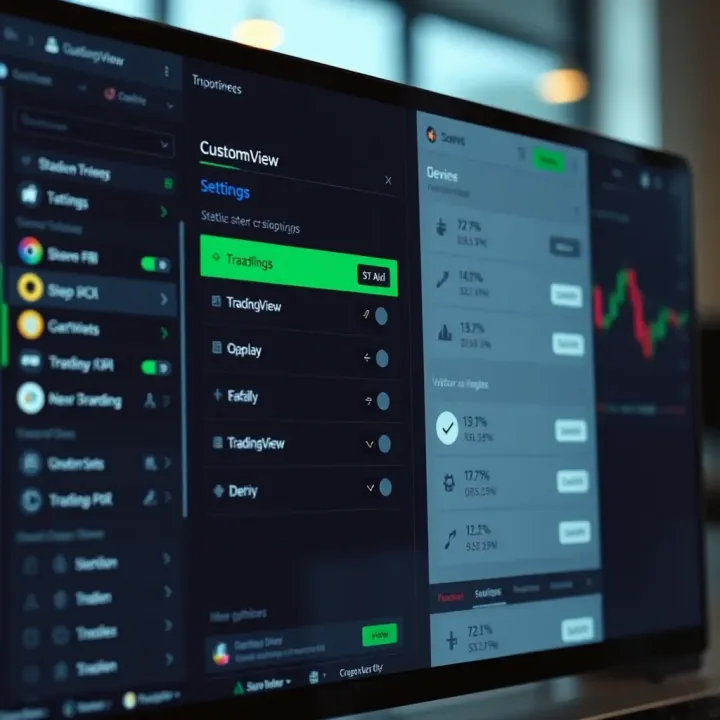
Learn how to integrate TradingView charts and tools into Deriv for smarter trading 📊. Explore setup, customization, and troubleshooting tips to boost your edge!
Based on 7 reviews